
Tag: healthy aging

  • Joint Health After 40: How to Protect Your Cartilage

    Joint Health After 40: How to Protect Your Cartilage

    Joint Health After 40: How to Protect Your Cartilage for Life

    You don't have to accept stiff, achy joints as your new normal — science says you have more control than you think.

    You wake up in the morning and your knees protest the first few steps. You reach for something on a high shelf and your shoulder reminds you it's been there longer than you realize. Sound familiar? You're not alone — and more importantly, you're not powerless.

    According to the Centers for Disease Control and Prevention (CDC), more than 58 million American adults live with arthritis or related joint conditions, and that number is expected to climb as the population ages. But here's what most people don't know: the joint discomfort you feel in your 40s, 50s, or 60s is rarely a sudden development. It's the result of years of wear, inflammation, and habits — and that means it's also something you can meaningfully influence.

    This guide is about joint health and cartilage preservation — what's actually happening inside your joints as you age, what the research says about slowing that process, and what you can do starting today to protect your mobility for decades to come.

    Whether you're already feeling some stiffness or simply want to stay ahead of the curve, the strategies here are practical, evidence-backed, and designed for real life.

    Why Joint Health Matters More Than You Think After 40

    Most people treat joint pain as a nuisance rather than a signal. But your joints — especially the cartilage that cushions them — are telling you something important about the state of your overall health and aging trajectory.

    Cartilage is a smooth, rubbery connective tissue that covers the ends of your bones inside each joint. It acts as a shock absorber and allows bones to glide past each other with minimal friction. The problem? Cartilage has almost no blood supply, which means it can't repair itself the way muscles or skin can. Once it's damaged, recovery is limited — which is exactly why protecting it before significant damage occurs is so critical.

    Research published in the journal Arthritis & Rheumatology found that cartilage loss begins measurably in many people as early as their late 30s, accelerating through the 40s and 50s if lifestyle factors aren't addressed. Chronic low-grade inflammation, sedentary behavior, poor nutrition, and excess body weight are among the leading drivers of premature cartilage breakdown.

    Beyond pain and stiffness, declining joint health affects your balance, your ability to exercise, your sleep quality, and your independence as you age. Protecting your joints isn't just about comfort — it's about preserving your quality of life.

    The Science Behind Cartilage: How It Actually Works (And Why It Wears Down)

    Here's a common misconception worth addressing right away: joint pain is not simply caused by "getting older." Age is a factor, but it's not the whole story. Many 70-year-olds have healthier joints than sedentary 45-year-olds. The difference comes down to lifestyle, inflammation levels, and how well cartilage has been maintained over time.

    Cartilage is made up primarily of water, collagen (mainly type II), and proteoglycans — large molecules that attract and retain water, giving cartilage its cushioning properties. As we age, the cells responsible for maintaining cartilage (called chondrocytes) become less active and less effective at producing these key components.

    Compounding this, systemic inflammation — driven by poor diet, excess adipose tissue, chronic stress, and inadequate sleep — releases enzymes called matrix metalloproteinases (MMPs) that actively break down cartilage matrix. A landmark study published in JAMA found that individuals with elevated inflammatory markers had significantly faster rates of cartilage degradation compared to those with lower inflammation levels.

    The myth that you should avoid exercise to "protect your joints" is also worth busting here. The American College of Sports Medicine (ACSM) has long established that appropriate, low-impact movement is essential for joint health. Cartilage is nourished through compression and movement — it absorbs nutrients from synovial fluid, which is pumped into the joint during activity. Inactivity, paradoxically, accelerates cartilage deterioration.

    How to Start Protecting Your Joints: Practical Steps for Every Level

    The good news is that joint health is highly modifiable. Here's a tiered approach — whether you're starting from scratch or looking to level up your current routine.

    Beginner Level

    • Start with daily movement: Aim for at least 20-30 minutes of low-impact activity most days. Walking, swimming, and cycling are excellent starting points. These activities load the joints enough to stimulate cartilage nutrition without excessive wear.
    • Prioritize gentle range-of-motion exercises: Simple daily stretches — shoulder rolls, ankle circles, knee bends — maintain joint mobility and prevent stiffness from setting in.
    • Address body weight: Each pound of excess body weight places approximately 4 pounds of additional stress on the knee joint, according to research from Johns Hopkins Medicine. Even modest weight reduction can meaningfully reduce joint load and pain.

    Intermediate Level

    • Add resistance training 2-3 times per week: Strengthening the muscles surrounding your joints — especially the quadriceps, glutes, and core — is one of the most powerful ways to protect cartilage. Strong muscles absorb shock and reduce the force transferred directly to joint surfaces. Balance training complements this approach by improving joint proprioception and reducing injury risk.
    • Incorporate water-based exercise: Pool workouts reduce joint load while allowing a full range of motion — ideal for those who find land-based exercise painful.
    • Optimize your anti-inflammatory habits: Poor sleep, chronic stress, and a diet high in ultra-processed foods all drive systemic inflammation that targets joint tissue. Addressing these areas compounds the benefits of physical activity.

    Advanced Level

    • Work with a physical therapist: Personalized joint assessments can identify movement compensations that quietly damage cartilage over time. A certified PT can correct gait abnormalities, strengthen weak stabilizers, and design a program specific to your joint history.
    • Track your inflammatory load: Ask your physician about inflammatory markers such as CRP (C-reactive protein) and ESR. Elevated levels warrant a more targeted lifestyle response and possible clinical evaluation.

    Common Mistakes That Sabotage Joint Health

    Even well-intentioned people make these mistakes — and they're easier to fix than you might expect.

    Mistake #1: Doing too much, too soon. Starting an intense exercise program after a long period of inactivity is one of the most common causes of joint injury. Cartilage and connective tissue adapt more slowly than cardiovascular fitness or muscle strength. Ramping up intensity too quickly overloads joints before supporting structures are ready. Fix it: Follow the 10% rule — increase your total weekly activity volume by no more than 10% per week.

    Mistake #2: Skipping strength training because of joint pain. Many people avoid resistance exercise when they feel joint discomfort, assuming it will make things worse. In most cases, the opposite is true. Muscle weakness is a primary driver of joint instability and pain. Fix it: Start with bodyweight exercises or resistance bands, focus on slow controlled movements, and avoid exercises that produce sharp (not dull) joint pain.

    Mistake #3: Ignoring nutrition's role. Diet directly influences systemic inflammation, collagen synthesis, and joint fluid composition. Eating a diet high in refined carbohydrates, trans fats, and added sugars — while low in antioxidants and omega-3s — creates the biochemical environment where cartilage breaks down faster. Fix it: Treat your diet as part of your joint health strategy, not a separate health conversation. Excess sugar doesn't just harm your gut — it contributes to inflammation throughout the body, including inside your joints.

    Mistake #4: Relying solely on pain medication. NSAIDs like ibuprofen can temporarily reduce joint inflammation and pain, but long-term reliance masks symptoms without addressing underlying causes — and may have gastrointestinal and cardiovascular side effects over time. Fix it: Use pain management as a short-term tool, not a long-term strategy, and pair it with lifestyle changes that address root causes.

    What to Eat (and Avoid) for Healthier Joints

    Your diet is one of the most powerful levers you have for joint health, largely because of its direct effect on systemic inflammation and collagen synthesis.

    Prioritize these foods:

    • Fatty fish (2-3 servings/week): Salmon, mackerel, and sardines are rich in EPA and DHA omega-3 fatty acids, which the NIH recognizes as having anti-inflammatory properties that may reduce joint pain and stiffness. This is consistent with USDA Dietary Guidelines recommending at least 8 oz of seafood weekly for adults.
    • Colorful vegetables and berries: Anthocyanins in blueberries, cherries, and red cabbage, as well as quercetin in onions and apples, have demonstrated anti-inflammatory activity in research published in the Journal of Nutrition. Aim for 5+ cups of vegetables and fruit daily.
    • Bone broth and collagen-rich foods: While the research on oral collagen supplementation is still evolving, a 2019 study in Nutrients found that collagen peptide supplementation was associated with reduced joint pain in active adults over 24 weeks. Bone broth provides natural collagen precursors along with glycine and proline.
    • Extra virgin olive oil: Contains oleocanthal, a compound that acts similarly to ibuprofen in blocking inflammation pathways. Use 1-2 tablespoons daily as your primary cooking fat.
    • Vitamin C-rich foods: Collagen synthesis requires vitamin C as a cofactor. Bell peppers, citrus fruits, kiwi, and strawberries are excellent sources. The Academy of Nutrition and Dietetics recommends meeting your vitamin C needs through food first.

    Reduce or avoid:

    • Ultra-processed foods high in refined sugars and trans fats
    • Excess red meat and processed meats (associated with elevated uric acid and inflammatory markers)
    • Alcohol in large quantities — it promotes systemic inflammation and interferes with nutrient absorption
    • High-sodium packaged foods, which may worsen joint fluid retention and swelling

    How Long Until You See Results — and What to Track

    Realistic expectations matter here. Joint health improvements are gradual, and results depend significantly on your starting point, age, and consistency.

    Short-term (2-6 weeks): You may notice reduced morning stiffness and improved range of motion, especially if you add daily movement and reduce inflammatory foods. Sleep quality often improves alongside joint comfort, since pain is a major disruptor of restorative sleep.

    Medium-term (3-6 months): Consistent strength training during this period often produces meaningful reductions in joint pain, particularly in the knees and hips. Research from the ACSM suggests that 12-24 weeks of targeted resistance training can reduce knee osteoarthritis pain by 30-50% in some individuals — though results vary significantly based on severity and adherence.

    Long-term (6-12+ months): The cumulative effects of anti-inflammatory nutrition, consistent movement, and body weight optimization can substantially slow cartilage loss and delay or prevent the progression of early joint degeneration.

    What to track:

    • Morning stiffness duration (note improvements week to week)
    • Range of motion in key joints (how far can you comfortably squat, rotate your shoulder, flex your ankle?)
    • Pain levels during and after activity using a simple 1-10 scale
    • Body weight trends (if applicable)
    • CRP or inflammatory markers at your next annual physical

    If you experience sharp, sudden joint pain, significant swelling, warmth around a joint, or no improvement after 8-12 weeks of consistent effort, consult your physician. These may signal conditions requiring clinical evaluation beyond lifestyle management.

    Frequently Asked Questions About Joint Health

    Can cartilage actually regenerate once it's damaged?
    Unfortunately, mature cartilage has very limited regenerative capacity due to its poor blood supply. Emerging therapies like PRP (platelet-rich plasma) and stem cell treatments are being studied, but the strongest evidence remains for prevention and slowing progression. This is why protecting cartilage before significant damage occurs is so important.

    Is glucosamine and chondroitin worth taking for joint health?
    The evidence is mixed. The large-scale GAIT trial (Glucosamine/Chondroitin Arthritis Intervention Trial), funded by the NIH, found modest benefits for a subset of patients with moderate-to-severe knee pain, but no significant benefit for mild pain overall. Some individuals report meaningful relief while others experience none. It's generally considered safe, but consult your physician before adding it to your routine.

    Does cold or damp weather really make joint pain worse?
    Many people report exactly this, and there is some scientific basis for it. Changes in barometric pressure may affect joint fluid dynamics and tissue sensitivity. However, this isn't something you can control — so the focus remains on the lifestyle factors you can influence.

    Is running bad for your knees if you're over 40?
    Not necessarily. A 2017 systematic review in the Journal of Orthopaedic & Sports Physical Therapy found that recreational runners actually had lower rates of knee osteoarthritis than sedentary individuals. The key is building gradually, maintaining proper form, wearing appropriate footwear, and cross-training with lower-impact activities. Results vary depending on your individual joint health baseline.

    What's the single most impactful thing I can do for my joints right now?
    If you had to pick one: start a consistent resistance training program targeting the muscles around your knees, hips, and shoulders. Muscle strength is the best natural shock absorber your joints have — and it's never too late to build it. Pairing that with sustainable weight management habits multiplies the benefit significantly.

    Start Today — Your Future Self Will Thank You

    Joint health isn't a destination — it's a daily practice. The encouraging truth is that many of the most effective strategies are already within your reach: moving consistently, eating an anti-inflammatory diet, building strength, managing body weight, and getting quality sleep. None of these require a perfect routine or a dramatic overhaul of your lifestyle.

    What they do require is consistency over time. Small, sustainable steps taken today compound into meaningful protection for your joints tomorrow, five years from now, and well into your 60s, 70s, and beyond.

    Pick one thing from this article and start this week. Add another next week. That's how lasting joint health gets built — not in a single sprint, but in the quiet accumulation of good daily choices.


    This article is for informational and educational purposes only. The content is not intended to replace professional medical, nutritional, or fitness advice. Always consult a qualified healthcare provider, registered dietitian, or certified fitness professional before starting a new health program or making significant changes to your lifestyle.

    Content reviewed by our wellness editorial team, with references to peer-reviewed research and guidelines from leading health organizations.


  • Balance Training After 40: Your Guide to Fall Prevention

    Balance Training After 40: Your Guide to Fall Prevention

    Balance Training After 40: Your Complete Guide to Fall Prevention

    Falls are the leading cause of injury in adults over 45 — and the habits you build now can change everything.

    Picture this: You step off a curb slightly wrong, or you reach for something on a high shelf and feel that split-second wobble that sends your heart racing. Maybe it was nothing this time. But for millions of Americans over 40, that moment of instability is a warning sign that their body is quietly losing one of its most essential physical skills — balance.

    Here’s the thing most people don’t realize: balance isn’t a fixed trait you either have or you don’t. It’s a trainable physical system — one that starts declining as early as your mid-30s but can be significantly strengthened at any age. According to the Centers for Disease Control and Prevention (CDC), falls are the leading cause of injury-related death among adults 65 and older in the United States. But the window to prevent that outcome starts decades earlier.

    This guide will show you exactly why balance training matters for healthy aging, how your body’s stability system works, and what you can start doing today — no gym membership required — to protect yourself and move confidently for years to come.


    Why Balance Matters More Than You Think After 40

    Most people focus on cardio and strength when they think about fitness for healthy aging. Balance training rarely makes the list — until something goes wrong. That’s a costly oversight.

    The National Institute on Aging (NIH) reports that approximately one in four Americans over 65 falls each year, and those falls result in more than 3 million emergency room visits annually. But what’s less talked about is the fear that follows. Adults who experience a fall — or even a close call — often begin limiting their physical activity out of anxiety. That inactivity leads to muscle weakness, which ironically increases fall risk further. It’s a cycle that’s hard to break once it starts.

    The good news? Research published in the British Journal of Sports Medicine found that balance and coordination training can reduce fall risk by up to 37% in older adults. That’s not a small number. That’s the difference between aging independently and facing serious injury.

    Beyond fall prevention, strong balance supports better posture, reduced lower back pain, improved athletic performance, and greater confidence in everyday movement — carrying groceries, hiking, playing with grandchildren, or simply navigating an icy sidewalk. It’s foundational to everything your body does.


    The Science Behind How Your Balance System Works

    Your body’s ability to stay upright isn’t controlled by one single system — it’s the result of three sensory systems working together in real time: your vestibular system (inner ear), your visual system (eyes), and your somatosensory system (proprioception — the feedback from your muscles, joints, and skin about where your body is in space).

    When all three are working well and communicating effectively, you feel steady and coordinated. As you age, each of these systems gradually becomes less efficient. Muscle fibers responsible for quick stabilizing contractions decrease in number. Nerve conduction slows. Vision changes. Inner ear function becomes less acute.

    A common myth is that balance decline is simply an inevitable part of getting older — something you can’t do anything about. That’s not what the science shows. Research from the Journal of Aging and Physical Activity demonstrated that targeted balance training improves proprioception, postural control, and reaction time even in adults in their 70s and 80s. The nervous system retains a remarkable capacity for adaptation — what researchers call neuromuscular plasticity — throughout life.

    Another key factor is the role of lower body strength, particularly in the ankle, knee, and hip stabilizer muscles. When these muscles are weak or poorly coordinated, the body can’t make fast enough micro-corrections to prevent a stumble from becoming a fall. This is why balance training and strength training are deeply complementary — not separate pursuits.


    How to Get Started with Balance Training

    The barrier to entry for balance training is refreshingly low. You don’t need equipment, a gym, or a lot of time. You just need consistency and progressive challenge.

    Beginner Level — Build the Foundation

    • Single-leg stand: Stand near a wall or sturdy chair for safety. Lift one foot a few inches off the ground and hold for 10–30 seconds. Switch sides. Do 3 sets per leg, daily. This single exercise is one of the most researched balance interventions in clinical settings.
    • Heel-to-toe walking (tandem walk): Walk in a straight line placing one foot directly in front of the other, heel touching toe. Aim for 20 steps. This challenges your vestibular system and proprioception simultaneously.
    • Sit-to-stand without using hands: Practice rising from a chair without pushing off with your hands. This builds hip and quad strength — critical stabilizers — while training functional balance.

    Intermediate Level — Add Challenge

    • Single-leg stand on an unstable surface: Use a folded towel, a yoga mat, or a balance pad. The unstable surface forces deeper stabilizer muscles to engage.
    • Lateral band walks: With a resistance band around your ankles, step side to side in a slight squat position. This targets the glute medius — often weak in people with poor lateral stability.
    • Tai chi or yoga: Both have strong evidence behind them. The American College of Sports Medicine (ACSM) recognizes tai chi as one of the most effective multimodal interventions for fall prevention. Even two sessions per week show measurable improvement within 8 weeks.

    Advanced Level — Dynamic Stability

    • Single-leg deadlifts: Hinge at the hip on one leg while the other extends behind you. This integrates strength, hip stability, and proprioception in one movement.
    • Agility ladder drills: Footwork patterns that train reactive balance and coordination — the kind you need when the ground isn’t perfectly flat.
    • Perturbation training: Have a partner gently push or pull you while you stand or move, forcing your body to practice real-time stabilization responses.

    Aim for 15–20 minutes of dedicated balance work, 3–4 times per week. You can also embed micro-practices into your day — standing on one foot while brushing your teeth, doing heel raises while waiting for coffee to brew.


    Common Mistakes That Sabotage Your Balance Progress

    Balance training seems simple, but there are a few patterns that consistently stall results — and they’re easy to fall into (pun intended).

    1. Always training in shoes — especially supportive ones.
    Thick-soled or heavily cushioned shoes reduce proprioceptive feedback from the ground. Training barefoot or in minimalist footwear occasionally forces your feet and ankles to engage more fully. Many physical therapists recommend barefoot balance work on safe surfaces to accelerate proprioceptive development.

    2. Neglecting single-leg strength.
    Bilateral exercises like squats and leg presses are valuable, but they don’t replicate the mechanics of walking, climbing stairs, or catching yourself mid-stumble — all of which happen on one leg at a time. If your single-leg stability is weak, your two-legged training isn’t transferring to real-world movement.

    3. Only training in comfortable conditions.
    Practicing balance only in a well-lit room with a solid floor means your nervous system never learns to adapt to variability. Occasionally closing your eyes during a single-leg stand, practicing on slightly uneven surfaces, or training when slightly fatigued all challenge the system in more realistic ways. This is called variable practice, and research supports its superiority over constant practice for skill retention.

    4. Skipping the lower body strength component.
    Balance training without strength training is like building a house on sand. Without adequate strength in the glutes, quads, hamstrings, and calves, your body simply doesn’t have the raw force needed to execute a rapid stabilizing correction. According to the ACSM, a combined program of resistance training and balance work is significantly more effective than either alone.

    5. Progressing too fast — or not progressing at all.
    Staying at the beginner level indefinitely leads to stagnation. But jumping to advanced moves before mastering the basics increases injury risk. The sweet spot is progressing when an exercise feels comfortable and controlled — not easy, but controlled.


    What to Eat to Support Balance and Muscle Health

    Nutrition plays a direct supporting role in balance — not through some vague mechanism, but through specific, well-researched pathways.

    Protein for muscle preservation: After 40, sarcopenia (age-related muscle loss) accelerates. The Academy of Nutrition and Dietetics recommends adults over 50 consume 1.0–1.2 grams of protein per kilogram of body weight daily — higher than the standard RDA — to preserve muscle mass. Prioritize high-quality sources: lean meats, eggs, legumes, Greek yogurt, and fish. For a 150-lb adult, that’s roughly 68–82 grams of protein per day minimum.

    Vitamin D and calcium for neuromuscular function: Most people know vitamin D supports bone health, but it also plays a direct role in muscle function and neuromuscular coordination. Research published in the Journal of Clinical Endocrinology and Metabolism found that vitamin D deficiency is independently associated with increased fall risk. The NIH recommends 600–800 IU daily for adults, with many physicians recommending higher amounts for deficient individuals — always based on blood testing.

    Magnesium for nerve and muscle signaling: This underappreciated mineral is involved in over 300 enzymatic reactions, including those governing muscle contraction and nerve transmission. Many American adults fall short of the recommended 310–420 mg daily. Good sources include dark leafy greens, pumpkin seeds, almonds, and black beans.

    Omega-3 fatty acids for reducing inflammation: Chronic low-grade inflammation accelerates the degradation of muscle tissue and joint function. According to Harvard Health Publishing, omega-3s — found in fatty fish like salmon, as well as walnuts and flaxseed — help modulate this inflammatory process and support muscle protein synthesis.

    Avoid excessive alcohol. Even moderate chronic alcohol use impairs vestibular function and delays neuromuscular reaction time — both critical components of balance. The Dietary Guidelines for Americans recommend no more than one drink per day for women and two for men, and less is consistently associated with better aging outcomes.


    How Long Until You See Results — and What to Track

    One of the most encouraging aspects of balance training is how quickly the nervous system responds. Unlike muscle building — which takes weeks to become visible — neuromuscular improvements often begin showing up within 2 to 4 weeks of consistent practice.

    Research published in Age and Ageing found measurable improvements in postural stability in adults who completed just 6 weeks of progressive balance training, three times per week. That’s a relatively short investment for a meaningful return.

    What to track:

    • Single-leg stand time: How long can you hold each side? Track this weekly. Most healthy adults under 60 should be able to hold 20–30+ seconds with eyes open. Eyes closed is a harder standard — even 10 seconds represents good proprioceptive function.
    • Timed Up and Go (TUG) test: Stand from a chair, walk 10 feet, turn, and return to seated. Completing this in under 12 seconds indicates low fall risk. This is a clinically validated screening tool used by physical therapists and geriatricians.
    • Subjective confidence: Are you feeling steadier on stairs? More comfortable on uneven terrain? Less hesitant when navigating a crowded space? These real-world signals matter as much as measurable metrics.

    If you’re over 60, have a history of falls, or have a condition affecting your nervous system or joints, it’s worth scheduling a formal balance assessment with a physical therapist. They can identify specific deficits and build a program tailored to your baseline — this is not one-size-fits-all.

    For broader context on sleep and energy management — both of which significantly affect neuromuscular performance — check out our guide on Sleep and Energy: The Healthy Living Guide You Need. And if you’re also focused on bone density as part of your healthy aging strategy, our article on Men’s Bone Health: How to Prevent Osteoporosis Naturally covers complementary ground.


    Frequently Asked Questions

    Q: At what age should I start balance training?
    A: Honestly, the earlier the better — but it’s never too late to start. Balance begins declining subtly in the mid-30s, so beginning in your 40s is ideal for building a strong foundation. That said, clinical research confirms significant improvements even in adults in their 70s and 80s. There is no age at which balance training stops being effective.

    Q: Can I do balance training if I already have knee or hip pain?
    A: Yes, but with modifications. Many balance exercises are low-impact and place minimal stress on joints. Starting from a seated position, using a sturdy chair for support, or working in water can all reduce joint load while still training the neuromuscular system. It’s strongly recommended to consult a physical therapist who can assess your specific limitations before starting.

    Q: How is balance training different from yoga or tai chi?
    A: Yoga and tai chi both incorporate balance elements and have excellent research supporting their effectiveness for fall prevention. However, dedicated balance training tends to be more targeted and progressive — systematically increasing difficulty over time. Ideally, you’d combine elements of all three: structured balance drills, tai chi or yoga for mind-body integration, and strength training for the muscular foundation.

    Q: Does balance training help with lower back pain?
    A: There’s a meaningful connection. Weak core and hip stabilizers — the same muscles trained in balance work — are frequently implicated in chronic lower back pain. Research published in the Journal of Physical Therapy Science found that balance training programs improved core stability and reduced back pain in adults with chronic lumbar issues. Results vary based on the underlying cause of the pain.

    Q: How do I know if my balance is poor enough to be a concern?
    A: A simple self-test: stand on one foot with eyes open. If you can’t hold for at least 10 seconds without grabbing support, your balance warrants attention. If you’ve had a recent fall or near-fall, feel unsteady on stairs, or experience frequent dizziness, consult your physician or a physical therapist for a formal evaluation.


    Start Standing Stronger — One Day at a Time

    Balance training isn’t glamorous. It won’t go viral on social media, and the gains aren’t always visible in the mirror. But few habits you build in your 40s and 50s will pay dividends as consistently — or as meaningfully — as this one.

    Every moment you invest in your stability today is a deposit into your future independence. The goal isn’t to be fearless — it’s to be capable, confident, and resilient as life keeps moving forward.

    Start with just one exercise this week. A 30-second single-leg stand. A heel-to-toe walk down the hallway. That’s enough to begin. Small, consistent steps build the systems that last a lifetime.

    For more on how movement and recovery work together to support healthy aging, explore our article on Men’s Mental Health: Practical Steps to Feel Better — because aging well is always a whole-body endeavor.


    Wellness Disclaimer: This article is for informational and educational purposes only. The content is not intended to replace professional medical, nutritional, or fitness advice. Always consult a qualified healthcare provider, registered dietitian, or certified fitness professional before starting a new health program or making significant changes to your lifestyle.

    Content reviewed by our wellness editorial team, with references to peer-reviewed research and guidelines from leading health organizations.
  • Vision Health After 40: Science-Backed Habits for Aging Eyes

    Vision Health After 40: Science-Backed Habits for Aging Eyes

    Most people don’t think seriously about their eye health until something starts to blur — and by then, preventable damage may already be done.

    Here’s a number worth sitting with: according to the Centers for Disease Control and Prevention, approximately 93 million US adults are at high risk for serious vision loss, yet only half visited an eye doctor in the past 12 months. That gap between risk and action is exactly where most aging-related eye conditions quietly take hold.

    If you’re somewhere between your 40s and 60s, your eyes are already changing — some changes you may have noticed, others you may not feel at all until vision loss becomes harder to reverse. The good news is that vision health for healthy aging is not just about getting a new glasses prescription every few years. It’s a full-body lifestyle conversation involving what you eat, how you sleep, how much screen time you log, and which conditions you manage proactively.

    In this article, you’ll learn why eye health deserves a central seat at your wellness table, what the science says about protecting your vision as you age, and which practical daily habits can genuinely make a difference — backed by research, not wellness hype.

    Why Vision Health Matters More Than You Think

    The eyes are often called the windows to the soul, but clinically speaking, they’re windows to your overall health. An eye exam doesn’t just check your prescription — it can reveal early signs of diabetes, hypertension, high cholesterol, and even neurological changes, all before other symptoms appear.

    As we age, the lens of the eye stiffens, the retina becomes more vulnerable to oxidative stress, and the drainage system that regulates eye pressure becomes less efficient. These are normal biological shifts — but they create the conditions for age-related eye diseases to develop.

    The four most common age-related eye conditions in American adults are age-related macular degeneration (AMD), cataracts, glaucoma, and diabetic retinopathy. According to the National Eye Institute, AMD alone affects more than 11 million people in the US, making it the leading cause of vision loss in adults over 50.

    What’s particularly striking is how closely vision loss is tied to broader health outcomes. Research published in JAMA Ophthalmology found that adults with moderate to severe vision impairment had significantly higher rates of depression, cognitive decline, and fall-related injuries. Protecting your vision isn’t vanity — it directly supports your independence, mental health, and quality of life as you age.

    How Your Eyes Change With Age — and What’s Actually Happening

    Let’s clear up a common misconception: poor vision with age is not inevitable or untreatable. While certain structural changes are universal, how those changes progress is heavily influenced by lifestyle, nutrition, and preventive care.

    Around age 40, most people begin to notice presbyopia — the gradual loss of the eye’s ability to focus on near objects. This happens because the crystalline lens loses elasticity. Reading glasses become necessary not because the eye is diseased, but because the focusing muscle (the ciliary muscle) is working against a stiffer lens. This is normal and manageable.

    More concerning is the cumulative effect of oxidative stress on the retina. The macula — the central region of the retina responsible for sharp, detailed vision — is particularly vulnerable because it receives such a high concentration of light and metabolic activity. Over decades, free radical damage accumulates in the retinal cells, which is the primary driver of macular degeneration.

    A landmark study, the Age-Related Eye Disease Study (AREDS), conducted by the National Eye Institute, found that a specific combination of antioxidants and zinc significantly reduced the risk of AMD progression in people with intermediate AMD by about 25%. This isn’t a fringe finding — it became the clinical standard for high-risk patients and reshaped how nutritional science is applied to eye care.

    One myth worth busting: reading in dim light does not damage your eyes. It may cause temporary eye strain and fatigue, but it does not cause structural changes. The real long-term threats to eye health are UV exposure, chronic high blood sugar, smoking, and nutrient deficiencies — all modifiable factors.

    Practical Steps to Protect Your Vision Every Day

    Whether you’re just starting to notice changes or you want to get ahead of them, here’s how to approach eye health as part of your daily wellness routine.

    Beginner Level:

    1. Schedule a comprehensive eye exam. Not a vision screening at the DMV — an actual dilated eye exam with an optometrist or ophthalmologist. The American Academy of Ophthalmology recommends a baseline exam at age 40, then every 2-4 years until 54, and every 1-2 years after 55 (more frequently if you have risk factors like diabetes or glaucoma family history).
    2. Wear UV-blocking sunglasses outdoors. UV radiation accelerates cataract formation and macular damage. Look for lenses that block 99-100% of both UVA and UVB rays. Wraparound styles provide better lateral protection.
    3. Follow the 20-20-20 rule for screen use. Every 20 minutes of screen time, look at something 20 feet away for at least 20 seconds. This reduces digital eye strain, a condition the American Optometric Association recognizes as one of the most common adult vision complaints.
    4. Don’t smoke — or quit if you do. Smokers are 2-3 times more likely to develop AMD and cataracts compared to non-smokers, according to the Mayo Clinic. Smoking restricts blood flow to the retina and increases oxidative damage significantly.

    Intermediate Level:

    1. Optimize your sleep position and duration. Research suggests that sleeping fewer than 6 hours per night is associated with increased intraocular pressure — a key risk factor for glaucoma. Prioritizing 7-9 hours is as much an eye health strategy as it is a general wellness practice.
    2. Monitor blood pressure and blood sugar regularly. Both hypertension and diabetes damage the small blood vessels in the retina. Keeping these numbers within healthy ranges is one of the most evidence-backed ways to reduce your risk of diabetic retinopathy and hypertensive retinopathy.
    3. Reduce prolonged near work without breaks. Emerging research, particularly from studies in the British Journal of Ophthalmology, suggests that extended near-work combined with low outdoor light exposure may accelerate myopia progression even in adults. Getting natural light exposure outdoors for at least 90 minutes daily may be protective.

    Advanced Level:

    1. Ask your eye doctor about AREDS2 supplementation if you have intermediate AMD or AMD in one eye. This is a clinically validated formula and should only be used under professional guidance.
    2. Consider blue light-filtering lenses if you experience significant digital eye strain — but understand that current evidence on blue light and retinal damage in adults is still mixed. The primary benefit appears to be comfort, not disease prevention.

    Common Mistakes That Sabotage Eye Health

    Even health-conscious adults make these errors — often without realizing the long-term cost.

    Mistake #1: Skipping comprehensive eye exams because vision seems fine. Many serious eye conditions, including glaucoma and early AMD, have no noticeable symptoms until significant damage has occurred. Glaucoma is often called the "silent thief of sight" precisely because it can steal peripheral vision gradually without pain or obvious warning signs. Annual or biannual comprehensive exams are the only reliable way to catch these early.

    Mistake #2: Treating eye drops as a "good enough" substitute for lifestyle changes. Over-the-counter artificial tears and redness-relief drops can mask symptoms of dry eye disease and digital eye strain, but they don’t address root causes. Chronic dry eye, for example, often requires addressing hydration, omega-3 intake, screen habits, and sometimes hormonal factors — not just a bottle of drops. If you’re using drops more than a few times per week consistently, it’s worth talking to an eye care professional.

    Mistake #3: Ignoring blood sugar spikes and systemic health markers. Diabetic retinopathy develops silently during the prediabetes and early diabetes stages. A 2022 report from the American Diabetes Association estimated that up to 28% of adults with diabetes already have some degree of retinopathy by the time they’re diagnosed with diabetes. Managing carbohydrate intake, physical activity, and metabolic health isn’t just about your waistline — it directly protects your retinal blood vessels.

    Mistake #4: Forgetting eye protection during exercise and outdoor activities. Sports-related eye injuries account for over 100,000 emergency room visits annually in the US, according to Prevent Blindness America. Wearing appropriate protective eyewear during racquet sports, cycling, and yard work is simple prevention that’s frequently overlooked.

    What to Eat to Support Healthy Vision

    The connection between diet and eye health is well-established — and the specific nutrients matter more than vague "eat healthy" advice.

    Lutein and Zeaxanthin are carotenoids that concentrate in the macula and act as a natural internal filter against blue light and oxidative damage. The best dietary sources are dark leafy greens — particularly kale (roughly 26 mg of lutein per cooked cup), spinach (about 20 mg per cooked cup), and collard greens. Eggs are a surprisingly bioavailable source as well, since the fat in the yolk helps absorption. The Age-Related Eye Disease Study 2 (AREDS2) used 10 mg of lutein and 2 mg of zeaxanthin as the therapeutic dose.

    Vitamin C and Vitamin E are antioxidants that help neutralize free radical damage in the lens and retina. Per the USDA Dietary Guidelines, adults should aim for 75-90 mg of vitamin C daily (easily reached through bell peppers, citrus, and broccoli) and 15 mg of vitamin E (found in sunflower seeds, almonds, and wheat germ).

    Omega-3 fatty acids — specifically DHA — are highly concentrated in the retina and play a structural role in photoreceptor cell function. Fatty fish like salmon, mackerel, and sardines eaten 2-3 times per week support retinal integrity. Research cited by the Academy of Nutrition and Dietetics suggests that higher omega-3 intake is associated with reduced dry eye symptoms and lower AMD risk. For more on how omega-3s support overall health, read our in-depth omega-3 science guide.

    Zinc plays a role in transporting vitamin A from the liver to the retina for melanin production. Oysters, beef, pumpkin seeds, and fortified cereals are strong dietary sources. The AREDS formula included 80 mg of zinc oxide, though dietary intake through whole foods is appropriate for general eye health maintenance.

    Limit refined sugars and ultra-processed foods. A diet high in refined carbohydrates and added sugars promotes systemic inflammation and accelerates glycation — a process that damages proteins throughout the body, including in the lens and retinal vessels. The Academy of Nutrition and Dietetics recommends limiting added sugars to less than 10% of total daily calories as part of an anti-inflammatory eating pattern.

    How Long Until You See Results — and What to Track

    Managing expectations is part of any honest wellness conversation, and eye health is no different.

    Short-term (2-6 weeks): If you improve hydration, adopt the 20-20-20 rule, and start blinking more consciously during screen use, many people notice a meaningful reduction in eye strain and dryness within a few weeks. These are comfort improvements, not structural changes.

    Medium-term (3-6 months): Dietary improvements and omega-3 supplementation may show measurable benefits for dry eye symptoms within 3-6 months, based on data from clinical trials reviewed by Harvard Health Publishing. This is the realistic window for nutritional strategies to influence tear film quality and reduce inflammation.

    Long-term (years): The protective effects of good UV habits, blood sugar control, not smoking, and antioxidant-rich nutrition accumulate over years and decades. You won’t feel them working day to day — but the absence of preventable AMD, cataracts, or glaucoma progression in your 60s, 70s, and beyond is the measurable outcome.

    What to track and monitor:

    • Annual or biannual comprehensive eye exam results (intraocular pressure, visual field, retinal images)
    • Amsler grid self-tests at home if you have AMD risk (your eye doctor can show you how)
    • HbA1c and blood pressure readings — both are direct indicators of retinal blood vessel risk
    • Symptom frequency: how often you experience dry eyes, headaches behind the eyes, or difficulty with contrast in low light

    If you notice sudden changes — flashing lights, new floaters, a curtain or shadow in your visual field, or a sudden loss of central vision — seek emergency eye care immediately. These are not normal aging changes and require urgent evaluation.

    Frequently Asked Questions

    Can you really improve vision naturally as you age?
    In most cases, you cannot reverse structural changes like presbyopia or existing cataract formation through lifestyle alone. However, you can meaningfully slow the progression of conditions like AMD and dry eye disease, reduce your risk of glaucoma-related vision loss, and dramatically lower your risk of diabetic retinopathy through diet, exercise, and consistent preventive care. Think of it as protecting what you have rather than restoring what’s already changed.

    Are blue-light glasses worth the investment?
    The evidence is mixed. Current research, including a 2021 Cochrane review, found limited evidence that blue-light-filtering lenses reduce digital eye strain or prevent retinal damage in the general population. They may help some people sleep better if worn in the evening, since blue light suppresses melatonin. They’re not harmful — but they’re not a substitute for regular breaks, proper lighting, and comprehensive eye exams.

    Is screen time actually damaging my eyes long-term?
    Prolonged screen use causes significant eye strain, dry eye symptoms, and disrupted sleep — but current evidence does not confirm that typical adult screen use causes permanent structural damage to the retina. The concern is greater for children and myopia development. For adults, the primary strategy is managing symptoms through the 20-20-20 rule, ergonomic screen setup (arm’s length distance, screen at or slightly below eye level), and good blink habits.

    How does overall health relate to eye health specifically?
    More directly than most people realize. Your eyes are served by a dense network of tiny blood vessels that are highly sensitive to systemic conditions. Hypertension, diabetes, high cholesterol, and chronic inflammation all show up in the eyes — often before other symptoms appear elsewhere. Managing your chronic stress and cortisol levels also matters, since prolonged stress is linked to increased intraocular pressure and accelerated retinal aging.

    At what age should I start worrying about eye health?
    The earlier the better, but 40 is the conventional clinical turning point. This is when presbyopia typically begins, when baseline eye pressure readings become important, and when early retinal changes can first be identified and addressed. If you have diabetes, a family history of glaucoma, or are of African American descent (a higher-risk group for glaucoma), earlier and more frequent screenings are recommended — as early as your 20s or 30s.

    The Bottom Line on Aging Well With Healthy Vision

    Your vision is one of the most valuable assets you’ll ever have — and like most things worth protecting, it rewards consistent, unglamorous daily attention far more than any dramatic intervention.

    The habits that support healthy aging broadly — eating well, moving regularly, managing blood sugar, getting enough sleep, and reducing chronic stress — are the same habits that protect your eyes decade after decade. That’s not a coincidence. It’s a reminder that the body operates as a system, and eye health is embedded within it.

    Start with one thing today: schedule that comprehensive eye exam if you haven’t had one in the past two years. Then layer in the dietary and lifestyle strategies outlined here, one at a time. You don’t have to overhaul everything at once. You just have to start — and stay consistent enough that your future self still gets to see the world clearly.

    For a deeper look at how cellular and mitochondrial health connect to your overall aging trajectory, explore our guide on mitochondrial health and aging well — the connection to eye function may surprise you.


    Wellness Disclaimer: This article is for informational and educational purposes only. The content is not intended to replace professional medical, nutritional, or fitness advice. Always consult a qualified healthcare provider, registered dietitian, or certified fitness professional before starting a new health program or making significant changes to your lifestyle.

    Content reviewed by our wellness editorial team, with references to peer-reviewed research and guidelines from leading health organizations.

  • Mitochondrial Health: The Real Key to Aging Well

    Mitochondrial Health: The Real Key to Aging Well

    You eat well, sleep enough, and still feel like your energy mysteriously disappeared somewhere around your late thirties — turns out, the answer might be happening at a cellular level.

    Why Your Cells Are the Starting Point of How You Age

    Most conversations about healthy aging focus on the obvious stuff — eat more vegetables, move your body, get enough sleep. All good advice. But very few people talk about what’s actually happening inside your cells that determines how gracefully you age, how much energy you have, and how resilient your body stays over the decades.

    The answer, increasingly, points to your mitochondria.

    Mitochondria are the tiny energy-producing structures inside nearly every cell in your body. You probably remember them from biology class as the "powerhouse of the cell" — and that’s not just a meme. They’re responsible for producing ATP (adenosine triphosphate), the molecule your body runs on. Every time you climb stairs, think a thought, or digest a meal, ATP is being burned.

    Here’s the problem: mitochondrial function declines with age. Research published in the Journal of Physiology has shown that mitochondrial efficiency and quantity both decrease significantly after age 40 — and this decline is closely linked to fatigue, slower recovery, metabolic issues, cognitive fog, and even cardiovascular risk. In other words, what’s happening in your cells is shaping your lived experience of aging.

    The good news? Mitochondrial health is not fixed. You can meaningfully support it — and the habits that do so overlap directly with everything we know about longevity, energy, and disease prevention. This guide breaks it all down in a practical, science-backed way.


    Why Mitochondrial Health Matters More Than You Think

    Most people attribute age-related fatigue to just "getting older" — as if it’s an inevitable, fixed process. But researchers studying aging have increasingly focused on mitochondrial dysfunction as one of the key upstream drivers of how we age, not just a symptom of it.

    Your body has trillions of mitochondria, with the highest concentrations in your heart, brain, liver, and skeletal muscles — the organs that demand the most energy. When mitochondria work well, they produce energy efficiently and with minimal cellular waste. When they start to decline, they produce more reactive oxygen species (free radicals), less ATP, and more oxidative stress — a process that accelerates cellular aging.

    According to the National Institutes of Health (NIH), oxidative stress and mitochondrial dysfunction are central mechanisms behind age-related conditions including type 2 diabetes, neurodegenerative disease, heart disease, and sarcopenia (muscle loss). A landmark 2019 review in Nature Reviews Molecular Cell Biology identified mitochondrial dysfunction as one of the nine hallmarks of aging.

    This connects directly to your daily life. That mid-afternoon crash, the longer recovery time after a workout, the brain fog that didn’t used to be there — these aren’t just lifestyle inconveniences. They’re often signs that your cellular energy system needs attention.

    The encouraging truth is that lifestyle choices have a measurable impact on mitochondrial function at any age. You’re not just "managing symptoms" — you’re potentially changing how your cells age.


    The Science Behind Mitochondrial Decline and What Actually Reverses It

    One of the most persistent myths about aging is that it’s almost entirely genetic — that your trajectory is written in your DNA and lifestyle changes only make a marginal difference. The science tells a different story.

    A powerful process called mitochondrial biogenesis — the creation of new, healthy mitochondria — can be triggered by specific lifestyle behaviors. The key molecular switch is a protein called PGC-1α (peroxisome proliferator-activated receptor gamma coactivator 1-alpha). Think of PGC-1α as the master regulator: when it’s activated, your body responds by building more efficient mitochondria and improving how existing ones perform.

    What activates PGC-1α? According to research from Harvard Health Publishing and multiple peer-reviewed studies in journals including Cell Metabolism: exercise (especially endurance and high-intensity intervals), cold exposure, caloric modulation, certain nutrients, and quality sleep.

    Busting a common myth: Many people assume that taking antioxidant supplements is the best way to fight mitochondrial aging. But the evidence is more nuanced. Research published in the Journal of Physiology found that high-dose antioxidant supplementation can actually blunt the adaptive response to exercise — essentially interfering with the natural cellular stress signal that triggers mitochondria to strengthen. The body’s own antioxidant system (triggered by moderate exercise and certain foods) tends to outperform megadose supplements.

    Another key mechanism is mitophagy — your body’s process of clearing out damaged mitochondria and recycling their components. Think of it as cellular housekeeping. When mitophagy works well, your cells stay efficient. When it breaks down (as it tends to with age, sedentary behavior, and poor diet), damaged mitochondria accumulate and contribute to inflammation and dysfunction.

    The bottom line from the science: your mitochondria are plastic — meaning they respond to your environment and habits. This is among the most empowering findings in modern aging research.


    How to Support Mitochondrial Health: Practical Steps by Level

    You don’t need a biohacking lab or an expensive supplement stack to start supporting your mitochondria. The fundamentals are both accessible and well-supported by research.

    Beginner Level

    • Move every day — any way you can. Even a 20-30 minute brisk walk activates mitochondrial signaling. The American College of Sports Medicine (ACSM) recommends at least 150 minutes of moderate aerobic activity per week for general health, and research shows this level of activity meaningfully improves mitochondrial density in muscle cells.
    • Prioritize sleep consistency. Mitochondria repair and replicate during deep sleep. Going to bed and waking at the same time each day — even on weekends — supports circadian-aligned cellular repair. The National Sleep Foundation recommends 7-9 hours for adults.
    • Eat more colorful plants. Polyphenols found in blueberries, dark leafy greens, green tea, and red grapes activate pathways (including SIRT1 and AMPK) that support mitochondrial function. Aim for at least 5 varied servings of vegetables and fruits daily, per USDA Dietary Guidelines.
    • Reduce ultra-processed food. A diet high in refined sugars and seed oils has been linked to increased mitochondrial oxidative stress. This doesn’t require perfection — reducing frequency matters.

    Intermediate Level

    • Add interval training 2x per week. High-intensity interval training (HIIT) is one of the most potent stimulators of mitochondrial biogenesis. A 2017 study published in Cell Metabolism found that HIIT increased mitochondrial capacity by up to 49% in older adults. Even 20 minutes of intervals twice weekly can produce measurable results.
    • Experiment with time-restricted eating. Compressing your eating window to 8-10 hours (without extreme restriction) can promote mitophagy — the cellular cleanup process — and reduce oxidative stress. For a detailed look at how this works, see Intermittent Fasting: A Beginner’s Complete Guide.
    • Strength train at least twice a week. Skeletal muscle is mitochondria-rich tissue. Resistance training both preserves and builds this tissue, slowing the mitochondrial decline that comes with age-related muscle loss.

    Advanced Level

    • Cold exposure (with caution). Brief cold showers or cold water immersion can activate brown adipose tissue and stimulate mitochondrial uncoupling — a process that generates heat and promotes mitochondrial efficiency. Start with 30-60 seconds of cold water at the end of a regular shower. This is not for everyone, particularly those with cardiovascular conditions.
    • Track HRV (Heart Rate Variability). HRV is an indirect marker of mitochondrial and autonomic nervous system health. Many wearables now track this metric — declining HRV over time may signal cellular stress worth addressing.

    Common Mistakes That Undermine Cellular Energy and Aging Well

    Even health-conscious people make these errors — and they’re completely understandable given how much conflicting information is out there.

    1. Over-relying on supplements while under-delivering on basics.
    Mitochondrial supplements (CoQ10, NAD+ precursors like NMN or NR, PQQ) are widely marketed and have some research support — but they work best as additions to, not substitutes for, exercise, diet, and sleep. Taking a CoQ10 capsule while skipping workouts and sleeping 5 hours is not a winning strategy. The foundation matters first.

    2. Chronic over-training without recovery.
    Exercise stress is healthy — but only when followed by adequate recovery. Without proper rest, the oxidative load from training exceeds the body’s repair capacity. This is especially relevant as you age: recovery windows lengthen. Prioritize at least one or two full rest days per week, and monitor energy levels as a guide.

    3. Skimping on dietary fat while chasing low-calorie perfection.
    Mitochondria require healthy fats to function properly. The inner membrane of each mitochondrion is made largely of lipids, and essential fatty acids — particularly omega-3s — influence membrane fluidity and function. Chronically low-fat diets can inadvertently impair mitochondrial membrane integrity. Sources like fatty fish, avocado, olive oil, and walnuts support this structure.

    4. Ignoring chronic stress as a mitochondrial threat.
    Elevated cortisol — the hallmark of chronic stress — has been shown to impair mitochondrial function and reduce energy output at the cellular level. If stress is unmanaged, even perfect nutrition and exercise have diminished returns. For more on this, read Chronic Stress and Cortisol: How to Break the Cycle.

    5. Assuming this is only relevant after 60.
    Mitochondrial decline can begin as early as your mid-30s in people with sedentary lifestyles and poor sleep. Starting mitochondrial-supportive habits in your 30s or 40s is significantly more effective than trying to course-correct at 65. Early investment in cellular health compounds over time.


    What to Eat to Support Your Mitochondria

    You don’t need an exotic diet. What research supports is a dietary pattern rich in specific nutrients that directly feed mitochondrial function and reduce the oxidative stress that damages them.

    Prioritize these nutrients and their sources:

    • CoQ10 (Coenzyme Q10): Found in organ meats (especially heart and liver), fatty fish (salmon, sardines), and beef. CoQ10 is a direct electron carrier in the mitochondrial energy chain. The Academy of Nutrition and Dietetics notes that food sources provide modest but meaningful amounts.
    • B vitamins (B1, B2, B3, B5, B7): These vitamins are essential cofactors for the mitochondrial energy cycle (Krebs cycle). Good sources include eggs, whole grains, legumes, dark leafy greens, and nutritional yeast. Deficiencies in B vitamins are directly linked to impaired energy metabolism.
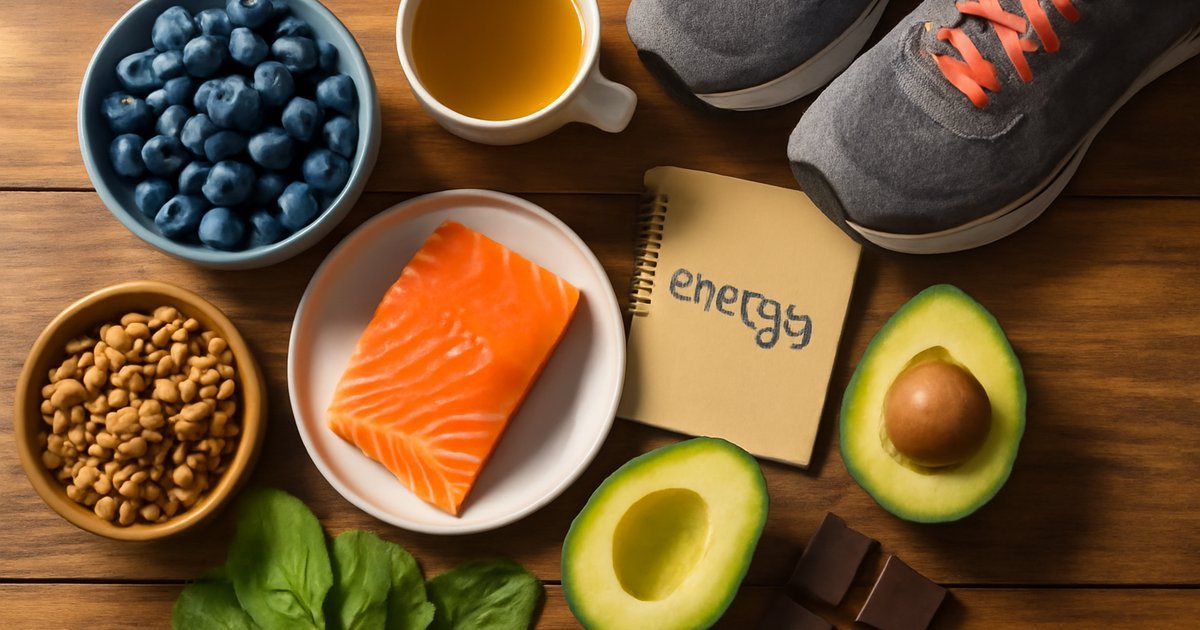
    • Magnesium: Required for ATP synthesis — ATP only becomes biologically active when bound to magnesium. Yet studies suggest nearly half of American adults don’t meet the daily recommended intake. Sources: pumpkin seeds, spinach, black beans, almonds, and dark chocolate (70%+). Aim for 310-420 mg/day per NIH guidelines.
    • Polyphenols: Resveratrol (red grapes, peanuts), quercetin (apples, onions, capers), and EGCG (green tea) activate SIRT1 and AMPK — signaling pathways that stimulate mitochondrial biogenesis.
    • Omega-3 fatty acids: EPA and DHA from fatty fish (2-3 servings per week per AHA guidelines) support mitochondrial membrane integrity and reduce inflammatory signaling that impairs function.
    • Iron and copper: Critical for the electron transport chain in mitochondria. Found in shellfish, red meat, lentils, and dark leafy greens. Deficiency in either nutrient directly impairs ATP production.

    What to reduce: Ultra-processed foods, high-fructose corn syrup, trans fats, and excessive alcohol — all have been shown to increase mitochondrial oxidative stress and impair function in research reviewed by the NIH.

    For more on how gut health interacts with nutrient absorption and cellular wellbeing, see Probiotics for Gut Health: What Really Works.


    How Long Until You Notice a Difference?

    This is where honesty matters. Mitochondrial improvements aren’t like weight loss — you won’t step on a scale and see a number change. The results show up differently, and timelines vary considerably based on your starting point, age, and consistency.

    2-4 weeks: Many people report improved energy levels and reduced afternoon fatigue within the first few weeks of consistent aerobic exercise and dietary changes. This may reflect early improvements in mitochondrial efficiency and reduced oxidative burden.

    6-12 weeks: Measurable improvements in mitochondrial density and function in muscle tissue have been observed in exercise intervention studies within this window. The Cell Metabolism HIIT study mentioned earlier showed significant changes after 12 weeks. You may notice better workout recovery and improved mental clarity.

    6+ months: Sustained habits over this period are where more meaningful changes in cellular aging markers, inflammatory biomarkers (like CRP), and metabolic function tend to become measurable in clinical research.

    What to track:

    • Subjective energy levels (morning and afternoon, on a 1-10 scale)
    • Sleep quality and recovery
    • Workout performance and recovery time
    • Cognitive sharpness and mood stability
    • HRV, if you use a wearable device

    When to consult a professional: If you’re experiencing persistent fatigue, significant cognitive changes, or muscle weakness despite lifestyle efforts, speak with your primary care physician. Some mitochondrial conditions require clinical evaluation, and fatigue can have many causes beyond lifestyle factors.


    Frequently Asked Questions

    Q: Do I need to take NMN or NAD+ supplements for mitochondrial health?
    NAD+ precursors like NMN and NR have growing research support, particularly from animal studies and some early human trials. However, the evidence is still emerging, and these supplements are not necessary for most people who are exercising regularly, sleeping well, and eating a nutrient-rich diet. If you’re interested, consult a healthcare provider — dosing and quality vary widely across products.

    Q: Is CoQ10 supplementation worth it?
    CoQ10 supplementation shows the most consistent benefit in people over 40, those on statin medications (which deplete CoQ10), and those with cardiovascular conditions. For generally healthy younger adults, dietary sources and exercise-induced CoQ10 production may be sufficient. Results vary significantly based on individual baseline levels.

    Q: Can poor gut health affect mitochondrial function?
    Yes — and this is an active area of research. The gut microbiome influences systemic inflammation, nutrient absorption, and short-chain fatty acid production, all of which interact with mitochondrial function. Supporting gut health through fiber-rich foods and fermented foods is a reasonable complementary approach.

    Q: Does mitochondrial decline explain why I recover slower from workouts now?
    It’s one contributing factor. Slower post-exercise recovery with age reflects changes in mitochondrial repair capacity, reduced satellite cell activity (muscle repair cells), and altered hormonal signaling. This is normal — but it’s also a strong argument for consistent training, adequate protein (0.7-1g per pound of bodyweight), and prioritized sleep.

    Q: Is this relevant for women going through perimenopause or menopause?
    Absolutely. Estrogen plays a protective role in mitochondrial function — it supports antioxidant defenses and mitochondrial biogenesis. Research published in Menopause (the journal of The Menopause Society) has shown that the hormonal shifts of perimenopause and menopause accelerate mitochondrial aging in some tissues. This makes exercise, nutrient-dense eating, and stress management especially important during this life stage.


    The Takeaway: Small, Consistent Habits Build Healthier Cells

    Aging well isn’t about finding a single breakthrough habit or the perfect supplement. It’s about consistently giving your cells — your mitochondria — what they need to keep up with the life you want to live.

    Move regularly. Sleep like it matters (because it does). Eat food that feeds your body at the cellular level. Manage stress not as a luxury but as a health fundamental. These aren’t glamorous prescriptions, but they’re the ones that show up in the research, decade after decade.

    Pick one change from this guide and start today. Not next Monday, not after the holidays — today. Your cells are always responding. What you do consistently, starting now, shapes how you feel and function for years to come.


    Wellness Disclaimer: This article is for informational and educational purposes only. The content is not intended to replace professional medical, nutritional, or fitness advice. Always consult a qualified healthcare provider, registered dietitian, or certified fitness professional before starting a new health program or making significant changes to your lifestyle.

    Content reviewed by our wellness editorial team, with references to peer-reviewed research and guidelines from leading health organizations including the NIH, ACSM, Academy of Nutrition and Dietetics, National Sleep Foundation, and Harvard Health Publishing.

  • Collagen and Skin Health: Your Guide to Aging Gracefully

    Collagen and Skin Health: Your Guide to Aging Gracefully

    Collagen and Skin Health: Your Guide to Aging Gracefully

    You can’t stop time — but you can absolutely change how your skin responds to it.

    You’re somewhere in your 30s or 40s, washing your face one morning, and you notice it — a little more looseness around the jaw, fine lines that weren’t there a year ago, or a dullness that moisturizer doesn’t seem to fix anymore. You’re not imagining it. Starting in your mid-20s, your body naturally begins producing less collagen — about 1% less per year, according to research published in the Journal of Investigative Dermatology. By the time most people notice visible changes, years of gradual decline have already happened beneath the surface.

    The good news? Skin aging is one of the most modifiable processes in healthy aging. What you eat, how you sleep, the habits you keep (or quit), and yes — even targeted supplementation — can all influence how your skin holds up over the decades. This guide breaks down the real science of collagen and skin health, clears up the noise around trendy products, and gives you practical, evidence-backed steps you can start today.

    Why Skin Health Matters More Than You Think in Healthy Aging

    Most people think of skin aging as purely cosmetic — a vanity issue, not a wellness one. But your skin is your body’s largest organ, and its condition reflects a great deal about what’s happening inside.

    Collagen makes up approximately 75-80% of your skin’s dry weight, according to the American Academy of Dermatology. It provides structural support, elasticity, and moisture retention. As collagen degrades and production slows, skin becomes thinner, drier, and less resilient — but the effects go deeper than appearance. Skin barrier function weakens, meaning your protection against environmental toxins, allergens, and pathogens also declines.

    Beyond the skin itself, collagen is a core component of your joints, tendons, bones, and gut lining. A lifestyle that supports collagen production doesn’t just improve how you look — it contributes to how well you move, how your gut functions, and how your body recovers from stress. Research from Harvard Health Publishing confirms that the same nutritional and lifestyle factors that protect skin collagen also support joint integrity and vascular health — making this a genuinely whole-body investment.

    This is why skin health belongs squarely in the conversation about healthy aging — not as an afterthought, but as a meaningful marker of your overall well-being.

    The Science Behind Collagen Loss — How It Actually Works

    Collagen is a protein — specifically, it’s made of long chains of amino acids, primarily glycine, proline, and hydroxyproline — synthesized by specialized cells called fibroblasts in your dermis (the deeper layer of skin). As you age, fibroblast activity naturally slows. But here’s what most people don’t realize: lifestyle and environmental factors can dramatically accelerate this decline.

    UV radiation is the single biggest external driver of collagen degradation. A landmark study published in JAMA Dermatology found that cumulative UV exposure accounts for up to 80% of visible facial aging — a phenomenon researchers call "photoaging." UV light activates enzymes called matrix metalloproteinases (MMPs) that actively break down existing collagen fibers, while simultaneously suppressing new collagen synthesis.

    Glycation is another major — and underappreciated — factor. When excess glucose in your bloodstream binds to collagen fibers, it creates advanced glycation end-products (AGEs) that make collagen stiff, brittle, and dysfunctional. High-sugar diets accelerate this process significantly, according to findings from the NIH’s National Institute on Aging.

    One common myth worth busting: topical collagen creams "rebuild" your collagen. They don’t. Collagen molecules are too large to penetrate the skin barrier. What these products can do is temporarily hydrate and plump the skin’s surface — which is fine, but it’s not the same as supporting your body’s own collagen production from within.

    The real levers are internal: nutrition, sleep, sun protection, stress management, and specific supplementation when appropriate.

    Practical Steps to Support Collagen Production Every Day

    You don’t need an expensive skincare routine to support your skin as you age. You need consistent, strategic habits. Here’s how to build them:

    1. Prioritize vitamin C — daily, not occasionally. Vitamin C is an essential cofactor in collagen synthesis. Without adequate vitamin C, your body literally cannot produce stable collagen. The Academy of Nutrition and Dietetics recommends adults get 75-90 mg daily from food sources like bell peppers, kiwi, citrus fruits, and broccoli. This is non-negotiable for skin health.
    2. Eat adequate protein. Collagen is a protein, and making it requires amino acid building blocks from your diet. Aim for 0.7 to 1.0 grams of protein per pound of body weight daily (consult your healthcare provider for personalized needs). Eggs, poultry, fish, legumes, and Greek yogurt are excellent sources that also provide proline and glycine specifically.
    3. Consider collagen peptide supplementation. Unlike whole collagen, hydrolyzed collagen peptides are broken down into smaller fragments that can be absorbed. A randomized controlled trial published in the Journal of Cosmetic Dermatology found that participants taking 2.5-5 grams of collagen peptides daily for 8-12 weeks showed measurable improvements in skin elasticity and hydration. This is one supplement where the evidence is reasonably solid — though results vary by individual baseline.
    4. Wear broad-spectrum SPF 30+ sunscreen daily. This is the single most evidence-backed anti-aging skin habit available. Period. Even on cloudy days. Even if you work indoors. UV exposure happens through windows.
    5. For intermediate-level practitioners: add retinoids to your evening routine. Retinol (OTC) and prescription tretinoin both have robust clinical evidence for stimulating collagen synthesis and accelerating skin cell turnover, according to Mayo Clinic dermatologists. Start low and slow — 2-3 nights per week — as skin can take 4-6 weeks to adjust.
    6. For advanced skin health: explore zinc and copper intake. Both minerals are critical cofactors in collagen cross-linking. The USDA Dietary Guidelines identify zinc and copper deficiencies as underrecognized contributors to premature skin aging.

    Common Mistakes That Sabotage Your Skin’s Collagen

    Even health-conscious people make these errors — and they’re easier to fix than you might think.

    Mistake 1: Relying solely on skincare products. This is the industry’s favorite myth. No serum, cream, or mask can compensate for poor nutrition, chronic stress, or disrupted sleep. Your skin is built from the inside out. Products can complement your routine, but they cannot lead it.

    Mistake 2: Skipping sun protection "because you’re not outside much." Indoor UV exposure through windows is real, and cumulative. Even brief daily exposures add up over years. Photoaging is largely preventable — but only if protection is consistent, not occasional.

    Mistake 3: Under-eating protein, especially on low-calorie diets. Many adults who try to eat "light" inadvertently deprive their skin of the amino acid supply it needs for repair and collagen synthesis. If you’re in a calorie deficit for weight management, prioritizing protein within that deficit is critical for skin (and muscle) preservation.

    Mistake 4: High sugar intake without awareness. As discussed, glycation is a direct collagen-damaging process driven by blood sugar spikes. This doesn’t mean eliminating carbohydrates — it means reducing high-glycemic foods (white bread, sugary drinks, ultra-processed snacks) and favoring whole food carbohydrate sources. The American Heart Association’s guidance on added sugar limits — under 25g/day for women and 36g/day for men — is a reasonable target for skin health too.

    Mistake 5: Chronic sleep deprivation. Deep sleep is when your body releases growth hormone, which plays a direct role in collagen synthesis and tissue repair. The National Sleep Foundation recommends 7-9 hours for adults — not as a luxury, but as a biological requirement. Short-changing sleep short-changes your skin.

    What to Eat (and Limit) for Skin Collagen Support

    Your plate is one of your most powerful skincare tools. Here’s what the evidence supports:

    Prioritize these foods:

    • Bone broth: Contains naturally occurring collagen peptides plus glycine and proline. A realistic serving is 1-2 cups per day as a base for soups or sipped warm.
    • Fatty fish (salmon, mackerel, sardines): Rich in omega-3 fatty acids that reduce systemic inflammation — a major driver of collagen breakdown. The American Heart Association recommends at least two 3.5-oz servings of fatty fish per week.
    • Berries (blueberries, strawberries, blackberries): High in antioxidants that neutralize free radicals, which damage collagen fibers. One cup daily is a practical, achievable target.
    • Leafy greens (spinach, kale): Provide vitamin C, folate, and chlorophyll — all shown to support skin integrity and antioxidant defense.
    • Avocado: Rich in healthy monounsaturated fats and vitamin E, which protect cell membranes and support skin barrier function.
    • Eggs: Contain proline and glycine — two of the dominant amino acids in collagen — plus lutein and zeaxanthin for skin hydration.

    Limit or reduce:

    • Ultra-processed, high-glycemic foods that drive AGE formation
    • Excessive alcohol — which depletes vitamin A and zinc, both collagen co-factors
    • Fried foods cooked at high temperatures — AGEs in food also contribute to internal glycation
    • Excess sugar in all its forms — sodas, sweetened coffees, pastries consumed daily

    For a deeper look at how gut health intersects with nutrient absorption and skin health, explore our guide on Leaky Gut Syndrome: What It Is and How to Heal It — because poor gut integrity can impair absorption of the very nutrients your skin depends on.

    How Long Until You See Results — and What to Track

    Patience is genuinely required here. Collagen remodeling is a slow biological process, and most studies measuring skin improvements show meaningful results at the 8-to-12-week mark — not days.

    Here’s a realistic timeline based on current research:

    • Weeks 1-4: Skin hydration may improve noticeably, especially if you’ve added collagen peptides and increased water intake. You may notice less dullness and more "plumpness."
    • Weeks 6-8: Fine line appearance may soften moderately. Skin texture often improves with consistent retinoid use (if incorporated).
    • Weeks 10-16: Measurable improvements in elasticity are what clinical studies report at this stage. This is when collagen fiber remodeling becomes more apparent.
    • 6-12 months and beyond: The compounding benefits of sun protection, consistent nutrition, and quality sleep become increasingly visible over time. This is a long game.

    What to track: Take a well-lit photo in consistent lighting every 4 weeks — same angle, same lighting conditions. This is more reliable than daily mirror checks. Also track energy levels, sleep quality, and any changes in skin texture or breakout frequency — these often shift before visual changes appear.

    When to see a professional: If you notice sudden changes in skin texture, unexplained rashes, or significant pigmentation changes, consult a dermatologist. A registered dietitian can also help optimize your nutritional approach if you’re not seeing expected improvements after 3-4 months of consistent effort. And if stress is a driver of your skin issues, the connection is real — you can learn practical techniques in our guide on Mindfulness for Stress: Practical Steps That Actually Work.

    Frequently Asked Questions

    Do collagen supplements actually work?
    The evidence is more supportive than skeptics suggest. Multiple randomized controlled trials — including a meta-analysis published in the International Journal of Dermatology — show that hydrolyzed collagen peptides (2.5-10 grams daily) can improve skin elasticity, hydration, and density. Results are not dramatic overnight, and they vary based on diet, age, and baseline collagen levels. They work best as one part of a broader strategy, not a standalone fix.

    Is there a best time to take collagen supplements?
    Timing matters less than consistency. Some research suggests taking collagen with a vitamin C source may enhance uptake since vitamin C is required for collagen synthesis. Morning smoothies or post-workout are common, practical choices — find what fits your routine and stick with it.

    Can men benefit from collagen support habits too?
    Absolutely. Men experience collagen decline at a similar rate to women — though men tend to have slightly higher baseline collagen density in younger years. By the 40s and 50s, lifestyle-driven collagen support benefits both sexes equally. Sun protection, protein intake, and quality sleep are universally relevant. For men looking at their broader healthy aging picture, our guide on Optimizing Men’s Heart Health covers complementary lifestyle strategies.

    Will quitting smoking really make a visible difference for my skin?
    Yes — and the research is clear. Smoking significantly accelerates collagen breakdown by increasing MMP activity and restricting blood flow to the skin. Studies cited by the American Academy of Dermatology show that former smokers’ skin shows measurable recovery within 6-12 months of cessation. It’s never too late to benefit.

    Is plant-based collagen possible for vegans?
    There is no direct plant-based collagen equivalent — collagen is only found in animal tissues. However, vegans can support their body’s own collagen synthesis by ensuring adequate vitamin C, zinc, copper, and protein intake from plant sources (legumes, seeds, nuts, tofu). Some companies are developing "vegan collagen builders" — blends of these cofactors — though direct clinical evidence for these specific products is still limited.

    The Bottom Line: Start Simple, Stay Consistent

    Aging gracefully isn’t about reversing time or chasing perfection. It’s about understanding how your body works and giving it what it needs to function well — including your skin. The strategies in this guide are not revolutionary; they’re evidence-backed, affordable, and entirely within reach for most adults.

    Start with the fundamentals: daily SPF, more protein, more colorful vegetables, and quality sleep. If you want to go further, add a collagen peptide supplement and explore retinoids with your dermatologist. Give it 8-12 weeks of real consistency before evaluating results.

    Your skin at 50 doesn’t have to look like you’ve done nothing for it. Small, smart, sustainable choices — made daily — add up to visible, lasting results. Today’s a good day to start.


    This article is for informational and educational purposes only. The content is not intended to replace professional medical, nutritional, or fitness advice. Always consult a qualified healthcare provider, registered dietitian, or certified fitness professional before starting a new health program or making significant changes to your lifestyle.

    Content reviewed by our wellness editorial team, with references to peer-reviewed research and guidelines from leading health organizations.

  • Ageless Movement: Unlock Mobility for Lifelong Health

    Ageless Movement: Unlock Mobility for Lifelong Health

    That subtle stiffness in your joints after sitting for a while, or the slight struggle to touch your toes? It’s easy to dismiss these as just “part of getting older.” You might even joke about it, but these small signs are your body’s early whispers, hinting at a future where everyday movements could become a genuine challenge.

    Many of us focus on strength or cardio, overlooking the crucial role of mobility and flexibility. Yet, without supple joints and elastic muscles, even the strongest body can feel restricted and prone to injury. The truth is, maintaining your range of motion isn’t just about avoiding a future hunched posture; it’s about preserving your independence, vitality, and quality of life at every age.

    This article will dive deep into why prioritizing mobility for healthy aging is non-negotiable. We’ll explore the science behind flexible joints and agile movement, debunk common myths, and provide you with actionable, evidence-backed strategies to improve your mobility, no matter your current fitness level. Get ready to move with more freedom, comfort, and confidence, for life.

    Why Mobility Matters More Than You Think

    It’s not just about being able to do a yoga pose; mobility is fundamental to everyday life. Imagine reaching for something on a high shelf, tying your shoelaces, or simply getting out of bed without aches. These actions, often taken for granted, rely heavily on your body’s ability to move through its full range of motion.

    As we age, a natural process called sarcopenia can lead to muscle loss, and connective tissues can become less elastic. This combination contributes to decreased flexibility and mobility, which in turn increases the risk of falls and reduces overall functional independence. A landmark study published in the Journal of Gerontology: Medical Sciences highlighted that maintaining lower body flexibility and balance is significantly associated with a reduced risk of falls in older adults, directly impacting their quality of life and ability to live independently.

    But this isn’t just about later life. For adults aged 25-60, neglecting mobility can lead to chronic pain, poor posture, and limit your performance in workouts or even simple daily tasks. Think of how a stiff shoulder might impact your tennis game, or tight hips might make squatting uncomfortable. Prioritizing mobility now means building a robust foundation that will serve you well into your later years, keeping you active and engaged.

    The Science Behind Agile Joints

    To truly understand mobility, we need to look beyond just stretching muscles. Mobility refers to the active range of motion around a joint, influenced by your muscles, connective tissues (fascia, ligaments, tendons), and joint capsules. Flexibility, on the other hand, is the passive range of motion, often achieved through stretching.

    Your joints are lubricated by synovial fluid, which helps reduce friction and nourish cartilage. Movement actually stimulates the production and circulation of this fluid. When you don’t move your joints through their full range, this fluid can become stagnant, leading to stiffness and potentially contributing to cartilage degradation over time. The American College of Sports Medicine (ACSM) emphasizes that regular movement and stretching are crucial for maintaining the integrity of joint structures and the surrounding soft tissues, helping to preserve joint health.

    A common myth is that “some people are just naturally inflexible.” While genetics play a small role, most inflexibility is a result of lifestyle — prolonged sitting, repetitive motions, or lack of varied movement. Your muscles, when not regularly lengthened, adapt by shortening, creating that feeling of tightness. Fascia, the web-like connective tissue surrounding muscles, can also become stiff and restricted, further limiting movement. Targeted mobility work helps to release these fascial restrictions and encourage muscles to regain their optimal length and elasticity.

    Research published in JAMA has consistently shown that physical activity, including exercises that promote flexibility and range of motion, can significantly improve physical function and reduce pain in individuals with conditions like osteoarthritis, reinforcing the direct link between movement and joint health.

    How to Get Started: Practical Steps

    Integrating mobility into your routine doesn’t require hours of complex yoga. Small, consistent efforts yield significant results. Here’s how to begin, with options for all levels:

    Beginner-Friendly Entry Points (5-10 minutes daily)

    • Dynamic Warm-ups: Before any workout or as a morning routine, spend 5 minutes doing gentle dynamic stretches. This means moving your joints through their full range of motion. Think arm circles, leg swings, torso twists, and cat-cow stretches.
    • Targeted Daily Stretches: Pick one or two areas that feel particularly tight (e.g., hips, hamstrings, shoulders). Hold a static stretch for 20-30 seconds after a warm shower or light activity.
    • Movement Snacks: Every hour or two, stand up, reach overhead, twist your torso, and do a few gentle squats. These mini-breaks add up.

    Intermediate Options (15-20 minutes, 3-4 times per week)

    • Dedicated Mobility Sessions: Beyond warm-ups, set aside specific time for mobility. Focus on major joints: hips, shoulders, spine, and ankles.
    • Yoga or Pilates Basics: Explore beginner-friendly online classes or local studios. These practices are excellent for integrated mobility and core strength.
    • Foam Rolling: Use a foam roller to address tight muscle groups (quads, hamstrings, glutes, upper back) for 30-60 seconds per area. This helps release fascial tension.

    Advanced Integration (20-30 minutes, 4-5 times per week)

    • Pre-Workout Specifics: Incorporate dynamic mobility drills that are specific to your planned workout (e.g., hip CARs (controlled articular rotations) before squats, thoracic rotations before overhead presses).
    • Post-Workout Static Stretching: After your muscles are warm, hold static stretches for 30-60 seconds to improve flexibility.
    • Advanced Mobility Drills: Explore more complex movements like “90/90 hip switches,” “Spiderman lunges with rotation,” or deeper spinal twists to challenge your full range of motion.

    Remember, consistency is key. Even short, regular sessions are more effective than sporadic long ones.

    Common Mistakes That Sabotage Results

    While the intent to improve mobility is good, several common pitfalls can hinder progress or even lead to injury. Acknowledging these makes it easier to navigate your journey:

    1. Stretching Cold Muscles

      Why it happens: It’s tempting to jump right into stretching to “loosen up.” But attempting deep stretches on cold muscles is like trying to stretch a cold rubber band — it’s less pliable and more prone to snapping. The risk of muscle strain or tear significantly increases.

      How to fix it: Always warm up your body with 5-10 minutes of light cardio (brisk walking, jogging, cycling) or dynamic movements before static stretching. Dynamic stretches can be performed as part of your warm-up to prepare your body for more intense activity or deeper stretches.

    2. Bouncing During Stretches (Ballistic Stretching)

      Why it happens: Many people learned to stretch this way in gym classes many years ago, believing it helps extend the stretch. However, ballistic stretching (bouncing in and out of a stretch) can trigger the stretch reflex, causing your muscle to contract rather than relax, counteracting your efforts and potentially leading to injury.

      How to fix it: For most people, especially beginners, static stretching should be held smoothly and gently. Move into a stretch until you feel a mild tension, hold it for 20-30 seconds, and breathe deeply. For dynamic movements, maintain control and fluidity rather than forceful bouncing.

    3. Ignoring Pain or Pushing Too Far

      Why it happens: There’s a common misconception that “no pain, no gain” applies to stretching. Pushing past a comfortable range into sharp, stabbing, or radiating pain is a direct route to injury, not progress.

      How to fix it: Listen to your body. You should feel a gentle pull or tension, not pain. If you feel pain, ease off immediately. Mobility work should feel challenging but never painful. Consistency at a gentle level is far more beneficial than intense, infrequent, and painful sessions.

    4. Lack of Consistency

      Why it happens: Mobility improvements, like any fitness goal, require regular attention. Many people stretch occasionally but don’t integrate it into a sustainable routine.

      How to fix it: Make mobility a non-negotiable part of your day, even if it’s just 5-10 minutes. Consistency trains your nervous system and connective tissues to adapt over time. Small, daily efforts are far more effective than trying to “catch up” with an intense session once a week.

    What to Eat / What to Avoid for Joint Health

    While movement is paramount, your diet also plays a significant role in supporting joint health and overall mobility. The foods you consume can either promote or reduce inflammation, directly impacting how your joints feel and function.

    What to Eat:

    • Omega-3 Fatty Acids: Found in fatty fish like salmon, mackerel, and sardines, as well as flaxseeds, chia seeds, and walnuts. Omega-3s are powerful anti-inflammatory agents that can help reduce joint pain and stiffness. The Academy of Nutrition and Dietetics recommends including sources of omega-3s regularly.
    • Antioxidant-Rich Fruits and Vegetables: Berries, leafy greens (spinach, kale), broccoli, bell peppers, and citrus fruits are packed with antioxidants like Vitamin C, which help protect cells from damage and support collagen production — a key component of cartilage and connective tissues. Aim for a wide variety of colors on your plate.
    • Whole Grains: Opt for oats, brown rice, quinoa, and whole wheat bread over refined grains. Whole grains provide fiber and nutrients that help reduce systemic inflammation.
    • Lean Protein: Essential for repairing and building muscle tissue, which supports joint stability. Include sources like chicken, turkey, beans, lentils, and tofu.
    • Healthy Fats: Olive oil, avocados, and nuts provide monounsaturated fats that have anti-inflammatory properties and support overall cellular health.

    What to Avoid (or Limit):

    • Processed Foods and Sugary Snacks: Foods high in refined sugars and unhealthy fats (trans fats, excessive saturated fats) can trigger inflammation throughout the body, exacerbating joint pain and stiffness.
    • Excessive Red Meat: Some research suggests that high consumption of red and processed meats may contribute to inflammation in some individuals. Opt for leaner protein sources and plant-based alternatives more often.
    • Alcohol in Excess: Heavy alcohol consumption can lead to systemic inflammation and other health issues that negatively impact joint health.

    The USDA Dietary Guidelines for Americans consistently emphasize a diet rich in fruits, vegetables, whole grains, lean proteins, and healthy fats as foundational for overall health, including the health of your joints and connective tissues.

    How Long Until You See Results / What to Track

    Patience and consistency are paramount when it comes to improving mobility. You won’t become a contortionist overnight, but you will likely notice improvements sooner than you think.

    Realistic Timelines:

    • Immediate Relief: After a good mobility session, you might feel an immediate sense of “looseness” or reduced stiffness. This is temporary but motivating.
    • Within a Few Weeks (2-4 weeks): With consistent daily or near-daily practice, you should start to notice less morning stiffness and greater ease in everyday movements (e.g., bending down, reaching). Your muscles will begin to adapt, and your nervous system will become more comfortable moving through a greater range of motion.
    • Within 1-3 Months: Significant improvements in specific areas of tightness, better posture, and potentially enhanced athletic performance. You might find certain exercises easier or be able to sit more comfortably for longer periods.
    • Long-Term (6+ Months): Sustained consistency leads to fundamental changes in tissue elasticity, joint health, and a remarkable preservation of functional movement, contributing significantly to healthy aging.

    Specific Metrics or Signals to Monitor:

    • Subjective Feeling: How do you feel? Less pain? More freedom of movement? Better posture? This is often the most important indicator.
    • Range of Motion Tests: Before you start, try a few simple tests: can you touch your toes? How far can you reach behind your back with opposite hands? Re-test these every 4-6 weeks to see objective improvements.
    • Daily Activities: Note if tasks like getting out of a chair, climbing stairs, or reaching high shelves become easier.
    • Workout Performance: Are you able to squat deeper, swing your arms more freely, or perform certain exercises with better form?

    When to reassess or seek professional guidance: If you’re consistently experiencing pain during or after mobility work, if your range of motion isn’t improving despite consistent effort, or if you have specific physical limitations or injuries, it’s wise to consult a physical therapist, certified athletic trainer, or a healthcare provider. They can offer personalized assessments and tailored programs.

    Frequently Asked Questions

    Is stretching the same as mobility?

    No, they are related but distinct. Flexibility is the passive range of motion, often achieved through stretching. Mobility is the active range of motion, requiring strength and control throughout that range. You can be flexible but not mobile, meaning you can passively reach a position but can’t actively control it without assistance.

    How often should I do mobility work?

    Ideally, some form of mobility work should be done daily, even if it’s just 5-10 minutes. More targeted sessions (15-30 minutes) 3-5 times a week can yield significant results. Consistency is more crucial than intensity or duration.

    Can mobility work prevent arthritis?

    While mobility work can’t prevent all forms of arthritis (some are autoimmune or genetic), it can certainly help manage symptoms and slow the progression of osteoarthritis. Regular movement nourishes cartilage, strengthens surrounding muscles, and maintains joint health, which are all protective factors.

    What if I’m very inflexible?

    Start small and be patient. Everyone can improve their mobility, regardless of their starting point. Focus on gentle, consistent movements. Don’t compare yourself to others. A physical therapist can provide tailored exercises if you have significant limitations.

    Dynamic vs. Static stretching – which is better?

    Both have their place. Dynamic stretching (movement-based) is ideal before workouts to warm up muscles and prepare joints. Static stretching (holding a stretch) is best performed after workouts or as a standalone session when muscles are warm, to improve long-term flexibility and range of motion.

    Conclusion

    The journey to enhanced mobility and flexibility is an investment in your future self — an investment in your comfort, your independence, and your overall well-being. It’s about more than just feeling good today; it’s about proactively shaping how you’ll move and engage with the world years down the line. Remember, perfection isn’t the goal; consistent, mindful effort is.

    Even a few minutes of targeted movement each day can make a profound difference. Start small, be kind to your body, and celebrate every inch of improved range of motion. Your agile future self will thank you for taking these vital steps today. Embrace the power of movement and unlock a lifetime of healthy, unrestricted living.

    This article is for informational and educational purposes only. The content is not intended to replace professional medical, nutritional, or fitness advice. Always consult a qualified healthcare provider, registered dietitian, or certified fitness professional before starting a new health program or making significant changes to your lifestyle.

    Content reviewed by our wellness editorial team, with references to peer-reviewed research and guidelines from leading health organizations.

  • How to Keep Your Brain Sharp as You Age: Science-Backed Habits

    How to Keep Your Brain Sharp as You Age: Science-Backed Habits

    You walked into the kitchen and completely forgot why you went there — again. Sound familiar? Here’s what the science actually says about protecting your brain for the long haul.

    Forgetting where you put your keys, losing a word mid-sentence, or spacing out during a conversation — these moments can feel alarming, especially once you hit your 40s or 50s. Most people assume cognitive decline is just an inevitable part of getting older. But here’s the truth: the research tells a far more hopeful story.

    While some changes in brain processing speed are a normal part of aging, significant cognitive decline is not written into your DNA the way many people believe. According to the National Institutes of Health, lifestyle factors — not genetics alone — play a major role in how well your brain functions as you age. In fact, habits you build today can meaningfully influence your brain health decades from now.

    This guide breaks down the evidence-based strategies for maintaining sharp memory, strong focus, and long-term cognitive resilience — without overwhelm. Whether you’re 35 and thinking ahead or 58 and ready to take action, these steps are practical, doable, and grounded in real science.

    Why Brain Health Matters More Than You Think

    Cognitive health isn’t just about avoiding dementia — though that’s certainly part of the picture. It’s about staying mentally present, emotionally regulated, professionally capable, and deeply engaged with the life you’re building well into your 60s, 70s, and beyond.

    The numbers are sobering. According to the Alzheimer’s Association, more than 6 million Americans are currently living with Alzheimer’s disease, and that number is projected to nearly double by 2050. But dementia is only the extreme end of the spectrum. Millions more experience mild cognitive impairment — subtle but real changes in memory and thinking that affect quality of life long before a clinical diagnosis.

    What’s encouraging is what researchers at Harvard Health Publishing have emphasized for years: the brain retains a remarkable capacity for adaptation called neuroplasticity. This means your brain can form new connections, strengthen existing pathways, and even compensate for age-related changes — if you give it the right inputs.

    The window to start protecting your cognitive health isn’t “when you’re older.” It’s right now. The habits you adopt in your 30s, 40s, and 50s are laying the neurological groundwork for how sharp you’ll be in the decades ahead.

    The Science Behind Cognitive Aging — and What You Can Actually Change

    Let’s clear up a common myth first: cognitive decline is not simply a matter of brain cells dying off as you age. The reality is far more nuanced — and more actionable.

    Research published in the journal Neuron shows that the brain does experience structural changes with age — including reduced volume in areas like the prefrontal cortex and hippocampus, which govern memory and executive function. Processing speed slows. Working memory capacity can decrease. But the rate and severity of these changes are highly variable, and lifestyle factors account for a significant portion of that variability.

    One of the most powerful mechanisms at play is inflammation. Chronic low-grade neuroinflammation — driven by poor diet, sedentary behavior, poor sleep, and chronic stress — accelerates cognitive aging. This is why the same habits that protect your heart and joints also protect your brain: they reduce systemic inflammation throughout the body.

    Another key player is BDNF — brain-derived neurotrophic factor. Think of it as fertilizer for your neurons. BDNF supports the survival of existing neurons and encourages the growth of new ones. Exercise, quality sleep, and certain dietary compounds all stimulate BDNF production, which is a major reason physical and nutritional interventions have such measurable effects on brain health.

    A landmark study published in The Lancet identified 12 modifiable risk factors that together account for approximately 40% of all dementia cases globally. These include physical inactivity, smoking, excessive alcohol use, hypertension, obesity, depression, social isolation, and hearing loss. Forty percent. That’s not a small margin — it represents enormous opportunity for prevention.

    Practical Steps to Protect Your Brain Starting Today

    The good news: you don’t need a neuroscience degree or a radical lifestyle overhaul to start protecting your cognitive health. These are the strategies with the strongest evidence behind them.

    1. Move your body — consistently.
    Aerobic exercise is arguably the single most well-documented intervention for brain health. Research from the American College of Sports Medicine confirms that regular cardiovascular activity increases hippocampal volume, improves memory performance, and reduces dementia risk. Aim for at least 150 minutes of moderate-intensity aerobic activity per week — brisk walking counts. Resistance training also matters: a meta-analysis published in the British Journal of Sports Medicine found that strength training significantly improved cognitive function in adults over 50. If you’re not already training for longevity, explore our full guide: Strength Training for Healthy Aging: Your Complete Guide.

    2. Prioritize deep, consistent sleep.
    Sleep is when your brain runs its own maintenance program. The glymphatic system — a waste-clearance network in the brain — is most active during deep sleep, flushing out toxic proteins including amyloid-beta, which is strongly associated with Alzheimer’s disease. The National Sleep Foundation recommends 7–9 hours of quality sleep per night for adults. Cutting that to 6 hours regularly isn’t just fatigue — it’s neurological debt.

    3. Challenge your brain deliberately.
    Mental stimulation promotes neuroplasticity. Learning a new language, picking up a musical instrument, doing complex puzzles, or even taking a different route home activates different neural networks and builds what researchers call cognitive reserve — essentially, a buffer that helps your brain compensate for age-related changes. The key word is "new." Activities that are no longer challenging offer diminishing returns.

    4. Manage stress actively — not passively.
    Chronic stress elevates cortisol, which is directly toxic to hippocampal neurons over time. The American Psychological Association links prolonged stress to measurable reductions in memory and focus. Mindfulness-based stress reduction, deep breathing, time in nature, and even structured journaling have all shown measurable effects on cortisol levels and cognitive performance. For practical strategies, see our resource: 10 Daily Habits That Actually Reduce Stress Long-Term.

    5. Stay socially connected.
    Social isolation is one of the most underappreciated risk factors for cognitive decline. Research published in JAMA Internal Medicine found that loneliness was associated with a 64% increased risk of developing dementia. Regular, meaningful social interaction keeps your brain engaged in complex processing — reading social cues, managing conversation, regulating emotions — all of which support cognitive resilience.

    Beginner entry point: Start with 20 minutes of walking daily and one new mentally stimulating activity per week.
    Intermediate: Add resistance training twice weekly and a consistent 7-day sleep schedule.
    Advanced: Layer in structured mindfulness practice, social commitments, and dietary optimization.

    Common Mistakes That Sabotage Brain Longevity

    Even well-intentioned people fall into patterns that quietly undermine their cognitive health. Here are the most common ones — and exactly how to course-correct.

    Mistake #1: Treating sleep as optional.
    This is probably the most widespread mistake in American adult health culture. "I’ll sleep when I’m dead" is not a productivity strategy — it’s a cognitive risk factor. Chronic sleep deprivation impairs memory consolidation, slows processing speed, and increases amyloid accumulation in the brain. Fix: treat your sleep window as non-negotiable. Set a consistent bedtime before you set an alarm.

    Mistake #2: Only doing cognitively easy activities.
    Some people believe they’re "keeping their brain active" by doing the same crossword puzzle every day or watching complex TV dramas. But if an activity isn’t genuinely challenging you, it’s not building new neural pathways. Fix: embrace the discomfort of learning something genuinely new. The mental friction is the point.

    Mistake #3: Ignoring cardiovascular health.
    What’s bad for your heart is bad for your brain. High blood pressure, unmanaged blood sugar, and poor circulation all reduce blood flow to the brain — and chronically reduced cerebral blood flow accelerates cognitive aging. Many people focus on brain-specific strategies while overlooking these foundational metabolic health markers. Fix: get regular checkups and actively manage blood pressure, cholesterol, and blood sugar.

    Mistake #4: Relying on supplements as the primary strategy.
    Memory supplements are a multi-billion-dollar industry in the US, but the evidence for most of them is far weaker than the marketing suggests. Mayo Clinic notes that while some supplements like omega-3 fatty acids show promise, no pill replaces the fundamentals: sleep, movement, diet, and mental engagement. Fix: use supplements to support a solid lifestyle foundation — not as a substitute for one.

    What to Eat for a Sharper, More Resilient Brain

    Your brain is roughly 60% fat and runs almost entirely on glucose — so what you eat has a direct and measurable impact on how it functions. The Academy of Nutrition and Dietetics points to the MIND diet (Mediterranean-DASH Intervention for Neurodegenerative Delay) as one of the most evidence-supported dietary approaches for cognitive health.

    Prioritize these foods:

    • Fatty fish (2–3 servings/week): Salmon, sardines, and mackerel are rich in DHA omega-3 fatty acids, which are critical structural components of brain cell membranes. Research published in the Journal of Nutrition links higher DHA intake to slower cognitive aging.
    • Leafy greens (at least 1 serving/day): Spinach, kale, and collard greens are packed with folate, vitamin K, and lutein — nutrients associated with slower cognitive decline in multiple longitudinal studies.
    • Berries (at least 2 servings/week): Blueberries in particular contain flavonoids that have been shown in research from Harvard Health Publishing to improve memory and delay brain aging.
    • Nuts (a small handful daily): Walnuts are especially noteworthy — they contain alpha-linolenic acid (ALA), an omega-3 precursor, along with vitamin E and polyphenols that support neuronal health.
    • Extra-virgin olive oil (daily use): A cornerstone of the Mediterranean diet, EVOO contains oleocanthal, a compound with anti-inflammatory properties that may help protect against Alzheimer’s-related pathology.

    Limit these:

    • Ultra-processed foods high in refined sugar and trans fats — linked to neuroinflammation
    • Excessive alcohol — more than 1–2 drinks per day is associated with accelerated brain volume loss
    • High-sodium processed foods that contribute to hypertension and reduced cerebral blood flow

    A well-functioning gut also plays a surprising role in brain health via the gut-brain axis. For a deeper dive into how your digestive system influences your cognitive and emotional health, visit: How to Balance Your Gut Microbiome for Better Health.

    How Long Until You Notice a Difference — and What to Track

    This is where honesty matters. Cognitive health improvements are not like losing five pounds — you won’t step on a scale and see a number change. The benefits of brain-protective habits accumulate over months and years, often in ways that are felt rather than measured.

    That said, some improvements are noticeable within weeks:

    • 2–4 weeks: Better sleep quality typically improves focus, working memory, and mood within a few weeks of consistent sleep hygiene. Many people notice they’re faster on mental tasks and less reactive to stress.
    • 6–8 weeks: Regular aerobic exercise has been shown in multiple studies to produce measurable improvements in executive function and memory within 6–8 weeks of consistent training.
    • 3–6 months: Dietary changes and chronic stress reduction take longer to show neurological effects, but research suggests meaningful changes in inflammatory markers — which affect brain health — occur within this window.
    • Long-term (years): The most significant benefits — reduced dementia risk, preserved hippocampal volume, maintained processing speed — accrue over years of consistent habits.

    What to track:

    • Sleep duration and quality (a wearable or sleep diary works)
    • Weekly exercise minutes — aim for 150+ moderate intensity
    • Subjective memory and focus ratings (1–10 scale, weekly check-in)
    • Blood pressure and fasting blood sugar at annual checkups
    • New skills or learning activities initiated per month

    If you notice significant, sudden changes in memory or cognition — not gradual — that’s a signal to consult your physician promptly rather than self-manage.

    Frequently Asked Questions

    Is cognitive decline inevitable as you age?
    Some degree of slowing in processing speed is a normal part of aging, but significant memory loss and dementia are not inevitable. Research from the NIH confirms that lifestyle factors account for a substantial portion of dementia risk — meaning many cases may be preventable or significantly delayed with consistent healthy habits.

    Do brain training apps actually work?
    The research here is mixed. While some studies show improvements on specific tasks trained within the app, the evidence for "transfer" — meaning those improvements carry over into real-life cognitive function — is limited. The American Psychological Association advises that physical exercise, social engagement, and genuine learning of new skills show broader cognitive benefits than most commercial brain-training apps.

    What’s the most important single habit for brain health?
    If forced to choose one, most neuroscientists and geriatric health experts point to aerobic exercise as having the broadest, most consistent evidence base for protecting brain structure and function across the lifespan. But no single habit operates in isolation — the cumulative effect of multiple positive behaviors is what drives lasting brain resilience.

    Does intermittent fasting help with cognitive health?
    Some research suggests intermittent fasting may reduce neuroinflammation and increase BDNF production, which supports neuronal health. However, results vary significantly depending on individual health status, and this is not recommended without professional guidance, especially for those with blood sugar regulation issues or a history of disordered eating.

    At what age should I start focusing on brain health?
    Now — regardless of your age. Research suggests brain changes associated with Alzheimer’s and cognitive decline begin decades before symptoms appear. The most impactful prevention window is your 30s through 50s. But studies consistently show that even adults in their 60s and 70s who adopt brain-healthy habits demonstrate measurable cognitive benefits.

    Your Brain Deserves the Same Attention as the Rest of Your Body

    You schedule dentist appointments, go for annual physicals, and maybe even track your steps. Your brain — arguably your most important organ — deserves the same intentional care.

    The science is clear: what you eat, how you move, how well you sleep, how you manage stress, and how you engage socially and mentally all have measurable, cumulative effects on your cognitive longevity. None of these changes need to be dramatic. Small, consistent actions — taken daily over years — are what build a brain that stays sharp, resilient, and fully engaged with the life you want to live.

    Start with one thing today. Pick the habit that resonates most — whether it’s a 20-minute walk, a consistent bedtime, or calling a friend you’ve been meaning to reconnect with. That one step is where brain longevity actually begins.


    This article is for informational and educational purposes only. The content is not intended to replace professional medical, nutritional, or fitness advice. Always consult a qualified healthcare provider, registered dietitian, or certified fitness professional before starting a new health program or making significant changes to your lifestyle.

    Content reviewed by our wellness editorial team, with references to peer-reviewed research and guidelines from leading health organizations including the NIH, Harvard Health Publishing, the American College of Sports Medicine, the Academy of Nutrition and Dietetics, and the American Psychological Association.

  • Strength Training for Healthy Aging: Your Complete Guide

    Strength Training for Healthy Aging: Your Complete Guide

    Most people think losing muscle as they get older is just a fact of life — but science says otherwise, and the fix is simpler than you’d expect.

    Picture this: you bend down to pick up a bag of groceries and feel a familiar twinge in your lower back. Or you climb a flight of stairs and notice your legs feel heavier than they used to. Or maybe you’ve just noticed your body composition slowly shifting, even though your diet hasn’t changed much. Sound familiar?

    These aren’t just signs of "getting older." They’re often signs of declining muscle mass — a process called sarcopenia that begins as early as your 30s and accelerates if left unchecked. The good news? strength training for healthy aging is one of the most well-researched, high-impact habits you can build at any stage of life.

    In this guide, you’ll learn exactly why muscle matters more than most people realize, how resistance training works at a physiological level, how to get started safely, and what realistic results look like. Whether you’ve never lifted a weight in your life or you used to train regularly and fell off track, this is the roadmap you need.

    Why Strength Training Matters More Than You Think

    Most conversations about aging focus on cardio — walking, swimming, cycling. And yes, cardiovascular health is critical. But there’s a silent factor that dramatically affects your quality of life as the decades pass: how much functional muscle you have.

    According to the American College of Sports Medicine (ACSM), adults lose between 3% and 5% of their muscle mass per decade after age 30, with the rate accelerating significantly after 60. This isn’t just an aesthetic concern. Muscle loss is directly linked to reduced metabolic rate, increased fall risk, insulin resistance, joint instability, and a measurable decline in daily independence.

    A landmark study published in the Journal of Bone and Mineral Research found that adults who engaged in regular resistance training had significantly higher bone mineral density than sedentary peers — a finding with major implications for fracture prevention and mobility in later decades.

    Strength training also improves your body’s ability to regulate blood sugar. The Mayo Clinic notes that muscle tissue is one of the primary sites for glucose uptake, meaning more muscle mass contributes to better insulin sensitivity — a key factor in long-term metabolic health.

    The bottom line: building and maintaining muscle isn’t about vanity. It’s one of the most powerful tools you have for protecting your independence, energy, and overall health as you age.

    The Science Behind How Resistance Training Fights Aging

    Here’s what actually happens inside your body when you strength train — and why the process is more fascinating than most people realize.

    When you place a muscle under mechanical stress (lifting a weight, pushing against resistance), tiny micro-tears form in the muscle fibers. Your body responds to this by sending satellite cells — a type of muscle stem cell — to repair and rebuild those fibers stronger and slightly larger than before. This is called muscle protein synthesis, and it’s the core mechanism behind every strength gain you’ll ever make.

    One common myth worth busting here: many people over 40 believe that their bodies can no longer build muscle effectively. Research published in the Journal of Strength and Conditioning Research consistently shows that older adults retain a robust capacity for muscle hypertrophy and strength gain when training stimulus and protein intake are adequate. Adaptation may be slightly slower, but it absolutely still happens.

    Resistance training also triggers the release of beneficial hormones and growth factors, including insulin-like growth factor 1 (IGF-1) and brain-derived neurotrophic factor (BDNF). Harvard Health Publishing has highlighted BDNF in particular for its role in cognitive health — essentially, lifting weights may help protect your brain alongside your body.

    Additionally, strength training reduces systemic inflammation markers, including C-reactive protein (CRP), which the National Institutes of Health (NIH) has linked to chronic disease risk. This positions resistance exercise not just as a fitness tool, but as a genuine anti-aging intervention.

    How to Get Started: Practical Steps for Every Level

    Getting into strength training doesn’t require a gym membership, an expensive coach, or hours of free time. What it does require is consistency, progressive challenge, and a basic understanding of where to begin.

    Beginner (0-3 months of consistent training):

    • Start with bodyweight exercises. Squats, push-ups, glute bridges, and rows using a resistance band give your joints and connective tissue time to adapt before adding external load.
    • Train 2-3 days per week with at least one rest day between sessions. The ACSM recommends this frequency as the minimum effective dose for beginners.
    • Focus on form over load. Slow, controlled movement with a full range of motion builds the neuromuscular connections that make strength gains sustainable.
    • Aim for 2-3 sets of 10-15 reps per exercise. Rest 60-90 seconds between sets.

    Intermediate (3-12 months of consistent training):

    • Introduce free weights or machines. Dumbbells, kettlebells, and cable machines allow for greater progressive overload.
    • Follow a structured program like upper/lower splits or push/pull/legs to ensure balanced development.
    • Increase weight or reps by 5-10% every 2-3 weeks as exercises feel manageable.

    Advanced or returning after a break:

    • Consider periodization — alternating blocks of higher volume (more sets and reps) with higher intensity (heavier weight, fewer reps) every 4-6 weeks.
    • Add compound lifts: deadlifts, barbell squats, bench press, and overhead press for maximum muscle recruitment.
    • Track weekly training volume (total sets × reps × weight) to ensure progressive overload over time.

    No matter your level, prioritize a 5-10 minute warm-up (light movement, dynamic stretches) and a 5-minute cool-down. This isn’t optional — especially as you age.

    Common Mistakes That Sabotage Your Strength Training Progress

    Even motivated, health-conscious people make these errors — and they’re surprisingly easy to fall into.

    1. Skipping progressive overload. Doing the same weights, reps, and sets week after week is one of the most common reasons people plateau. Your muscles adapt quickly, and without increasing the challenge over time, growth stalls. Fix this by tracking your workouts in a simple notebook or app and adding a small challenge every 2-3 weeks — even one extra rep counts.

    2. Not eating enough protein. Resistance training creates a demand for muscle protein synthesis that many people don’t meet through diet alone. The Academy of Nutrition and Dietetics recommends that active older adults aim for 1.2 to 1.6 grams of protein per kilogram of body weight per day. If you’re under-eating protein, you’re undermining your recovery regardless of how well you train.

    3. Avoiding rest days out of guilt. More is not always better with strength training. Muscles grow during recovery, not during the workout itself. Training the same muscle group with insufficient recovery (less than 48 hours) increases injury risk and limits gains. Two to three full-body sessions per week with rest between is more effective than daily training with no structure.

    4. Neglecting lower body training. Many beginners (especially women) focus heavily on upper body exercises and skip leg days. Lower body strength — particularly glutes, quads, and hamstrings — is directly tied to fall prevention, joint health, and metabolic output. Squats and hip hinges should anchor every program.

    5. Letting pain stop you permanently instead of temporarily. Soreness after a workout (delayed onset muscle soreness, or DOMS) is normal and usually peaks 24-48 hours post-session. Sharp, joint-based, or persistent pain is different and deserves professional evaluation. Don’t confuse the two — and don’t let fear of soreness derail long-term consistency.

    What to Eat to Support Strength Training as You Age

    Your nutrition directly shapes whether your training produces results or simply leaves you tired and sore. Here’s what the evidence actually supports:

    Protein — the non-negotiable: As mentioned, aim for 1.2-1.6g per kilogram of body weight daily. Prioritize high-quality sources: chicken breast, eggs, Greek yogurt, cottage cheese, salmon, legumes, and tofu. Research from the Journal of Nutrition suggests that distributing protein across 3-4 meals (rather than eating most of it at dinner) optimizes muscle protein synthesis throughout the day.

    Carbohydrates for fuel: Strength training is glycolytic — it burns carbohydrates as its primary fuel. The USDA Dietary Guidelines support complex carbohydrates like oats, brown rice, sweet potatoes, and whole grain bread as quality energy sources. Eating a moderate portion of carbs 1-2 hours before training can improve performance and reduce fatigue.

    Healthy fats for hormone support: Omega-3 fatty acids in particular (found in fatty fish, flaxseed, and walnuts) have been shown by the NIH to reduce exercise-induced muscle inflammation and support joint health — both critical for aging athletes. Aim for at least two servings of fatty fish per week or discuss supplementation with your healthcare provider.

    Hydration: Even mild dehydration (1-2% of body weight) impairs muscle performance and recovery. The American College of Sports Medicine recommends drinking fluids consistently throughout the day, not just during workouts. A simple benchmark: urine should be pale yellow.

    What to moderate: Excessive alcohol consumption blunts muscle protein synthesis and disrupts sleep quality — both of which matter enormously for strength training outcomes. This doesn’t mean total elimination, but the American Heart Association’s guidance of no more than one drink per day for women and two for men is a reasonable framework.

    How Long Until You See Results — and What to Track

    One of the most common frustrations with strength training is expecting fast visible changes and giving up when the mirror doesn’t cooperate in week two. Here’s what the research actually shows:

    Weeks 1-4: Neural adaptations dominate. You’ll feel stronger and more coordinated, but visible muscle changes are minimal. Your nervous system is learning how to recruit muscle fibers more efficiently — this is real, measurable progress even if you can’t see it yet.

    Weeks 4-8: Strength gains become more noticeable. You’ll be lifting heavier, moving with more confidence, and likely sleeping better. Some people notice changes in body composition — clothes fitting differently, feeling firmer — in this window.

    Months 3-6: Visible muscle development becomes more apparent, especially with consistent training and adequate protein. Energy levels typically improve, and functional tasks (carrying groceries, climbing stairs) feel noticeably easier.

    What to track:

    • Workout log: weights used, sets, reps per session
    • Monthly progress photos (same lighting, same time of day)
    • Performance markers: can you do more reps, lift more weight, recover faster?
    • How you feel: energy, sleep quality, joint comfort, and mood

    If you’ve been training consistently for 8-12 weeks with no measurable improvement, it’s worth reviewing your program, nutrition, and recovery — and potentially consulting a certified personal trainer or registered dietitian for a fresh assessment.

    Frequently Asked Questions About Strength Training and Aging

    Is it safe to start strength training after 50?
    Yes — and the research strongly supports it. The ACSM includes resistance training as a core component of its physical activity recommendations for adults of all ages. If you have joint issues, osteoporosis, or cardiovascular concerns, get clearance from your doctor first and consider starting with a certified trainer who specializes in older adults.

    Will strength training make me look bulky?
    This is one of the most persistent myths in fitness. Significant muscle hypertrophy requires years of consistent training, high caloric intake, and in many cases, hormonal conditions that most adults — especially women — don’t have. Most people who lift weights consistently look leaner and more toned, not bulky.

    How many days per week do I need to train?
    Two to three days per week is the minimum effective dose for building and maintaining muscle, according to the ACSM. More is possible, but only if your program is structured to allow adequate recovery between sessions targeting the same muscle groups. Results vary based on training history, diet, and overall lifestyle.

    Can I strength train with arthritis or joint pain?
    In many cases, yes — but this depends heavily on the type and severity of your condition. Research published in Arthritis Care & Research found that appropriate resistance training can actually reduce joint pain and improve function in people with osteoarthritis. Always consult your physician or a physical therapist before beginning if joint issues are present.

    What if I don’t have access to a gym or equipment?
    Bodyweight training at home is a legitimate starting point. Exercises like squats, lunges, push-up variations, single-leg deadlifts, and plank progressions challenge the same muscle groups as weighted exercises. As you progress, resistance bands (affordable and versatile) are an excellent next step before investing in weights.

    Start Small, Stay Consistent, and Let the Compound Effect Work

    Building strength as you age isn’t about turning back the clock — it’s about making the years ahead stronger, more functional, and more vibrant. Two or three sessions a week. A little more protein on your plate. A workout log you actually use. These aren’t dramatic overhauls. They’re small, doable shifts that compound into something remarkable over months and years.

    You don’t need to be perfect. You need to be consistent. The best strength training program is the one you’ll actually stick with — even if it starts with nothing more than a resistance band and 20 minutes on a Tuesday evening.

    Your next step? Pick two exercises from the beginner list above and commit to three sessions this week. That’s it. The rest will follow.


    This article is for informational and educational purposes only. The content is not intended to replace professional medical, nutritional, or fitness advice. Always consult a qualified healthcare provider, registered dietitian, or certified fitness professional before starting a new health program or making significant changes to your lifestyle.

    Content reviewed by our wellness editorial team, with references to peer-reviewed research and guidelines from leading health organizations including the American College of Sports Medicine, National Institutes of Health, Academy of Nutrition and Dietetics, Mayo Clinic, Harvard Health Publishing, and the USDA Dietary Guidelines.