Tag: gut microbiome

  • Dietary Fiber and Gut Health: Your Complete Guide

    Dietary Fiber and Gut Health: Your Complete Guide

    Dietary Fiber and Gut Health: Your Complete Guide

    Most Americans eat less than half the fiber they need every day — and their gut health is quietly paying the price.

    Introduction

    Picture this: you eat what feels like a reasonably healthy diet, you exercise, you drink your water — but you still feel bloated, sluggish, and oddly tired after meals. Sound familiar? If so, you’re not alone. And the culprit might be something most people barely think about: dietary fiber.

    Fiber isn’t exactly a glamorous topic. It doesn’t have the buzz of collagen, the mystique of adaptogens, or the cult following of intermittent fasting. But when it comes to gut health, dietary fiber might be the single most impactful tool available to everyday adults — and most of us are dramatically under-consuming it.

    According to the USDA Dietary Guidelines for Americans, the average US adult consumes only about 15 grams of fiber per day, which is less than half of the recommended 25–38 grams. That gap has real consequences — for your digestion, your microbiome, your immune function, and even your mood.

    In this guide, you’ll learn exactly what dietary fiber does in your gut, why different types matter, how to start eating more of it without feeling miserable, and what realistic results look like. No gimmicks. Just the science, made practical.

    Why Dietary Fiber Matters More Than You Think

    Fiber is often reduced to "the thing that keeps you regular." While that’s true, it massively undersells what fiber actually does inside your body.

    Your gut is home to trillions of bacteria, fungi, and other microorganisms collectively known as the gut microbiome. These microbes don’t just help digest food — they produce compounds that regulate inflammation, communicate with your brain, influence your immune system, and even affect how efficiently your body stores fat.

    Here’s the critical connection: many of your beneficial gut bacteria survive by fermenting dietary fiber. Without enough fiber, those bacteria literally starve — and research shows they may begin feeding on the protective mucus lining of your gut instead. A 2016 study published in the journal Cell Host & Microbe demonstrated exactly this phenomenon in animal models, raising important questions about the consequences of low-fiber diets on gut barrier integrity in humans.

    The Academy of Nutrition and Dietetics notes that adequate fiber intake is associated with reduced risk of cardiovascular disease, type 2 diabetes, colorectal cancer, and obesity. That’s not a small list — it’s essentially a checklist of the most common chronic health concerns facing US adults today.

    Your daily fiber intake isn’t just a digestive issue. It’s a foundation of long-term wellness.

    The Science Behind Fiber: How It Actually Works

    Not all fiber is the same, and understanding the difference helps you make smarter choices.

    Soluble fiber dissolves in water and forms a gel-like substance in your digestive tract. It slows digestion, helps regulate blood sugar, and feeds beneficial bacteria like Bifidobacterium and Lactobacillus species. Good sources include oats, beans, apples, and flaxseeds.

    Insoluble fiber doesn’t dissolve — it adds bulk to stool and speeds transit through the colon. This is the type most directly responsible for bowel regularity. You’ll find it in whole grains, nuts, and the skins of vegetables.

    There’s also a third category gaining scientific attention: prebiotic fiber. This refers to specific types of soluble fiber — like inulin and fructooligosaccharides (FOS) — that selectively feed beneficial bacteria. Foods rich in prebiotic fiber include garlic, onions, leeks, asparagus, and bananas.

    A common myth is that fiber supplements are just as effective as food-based fiber. The reality is more nuanced. Research published in The Lancet in 2019 — which analyzed 185 prospective studies and 58 clinical trials — found that people who ate naturally high-fiber diets had significantly better health outcomes than those taking fiber in supplement form. Whole food sources come packaged with phytonutrients, vitamins, and compounds that work synergistically.

    That said, supplements can be useful tools for specific people in specific situations — more on that shortly.

    One more key mechanism: when gut bacteria ferment fiber, they produce short-chain fatty acids (SCFAs), particularly butyrate, acetate, and propionate. Butyrate is the primary fuel source for colon cells, helps maintain the gut lining, and has been shown to have anti-inflammatory properties. A healthy fiber intake directly supports SCFA production — and your gut’s structural integrity depends on it.

    How to Get Started: Practical Steps for Every Level

    The most important rule about increasing fiber: go slow. Adding too much too fast is the number-one reason people give up on high-fiber eating — and it’s completely avoidable.

    For Beginners (currently eating under 15g/day):

    • Add one high-fiber food to each meal rather than overhauling your entire diet at once.
    • Start with cooked vegetables rather than raw — they’re easier to digest.
    • Swap refined grains for whole grains in one meal per day (white rice → brown rice, white bread → 100% whole wheat).
    • Add a tablespoon of chia seeds or ground flaxseed to your morning yogurt or smoothie. One tablespoon of chia seeds provides about 5 grams of fiber.
    • Increase water intake simultaneously — fiber needs hydration to work properly.

    For Intermediate Eaters (currently at 15–25g/day):

    • Add half a cup of legumes (black beans, lentils, chickpeas) to one meal per day. Half a cup of cooked lentils delivers about 8 grams of fiber.
    • Incorporate prebiotic-rich foods: add raw garlic or onion to sauces, sauté asparagus as a side dish, or slice a slightly unripe banana into your oatmeal.
    • Eat the skins of fruits and vegetables where safe to do so — the skin of an apple contains more fiber than the flesh.
    • Try a weekly "grain bowl" day using farro, quinoa, or barley as your base.

    For Advanced Fiber Eaters (aiming for 35g+ per day):

    • Focus on fiber diversity, not just quantity. Research suggests that eating 30 or more different plant foods per week correlates with a more diverse microbiome, according to findings from the American Gut Project.
    • Rotate your legumes, grains, seeds, and vegetables weekly.
    • Consider tracking fiber intake with a food diary app for a week to identify gaps — most people are surprised by where their blind spots are.

    If you’re interested in how probiotics complement a high-fiber diet, our guide on Probiotics for Gut Health: What Really Works walks through exactly which strains and sources make the biggest difference.

    Common Mistakes That Sabotage Your Fiber Efforts

    These errors are incredibly easy to make — and understanding them is half the battle.

    Mistake 1: Ramping Up Too Quickly
    Going from 10 grams to 35 grams of fiber in a week is a recipe for bloating, gas, cramping, and giving up. Your microbiome needs time to adapt, and your digestive enzymes need time to adjust. Increase your intake by 3–5 grams per week, and be patient. Discomfort is not failure — it’s transition.

    Mistake 2: Not Drinking Enough Water
    Fiber absorbs water as it moves through your digestive tract. Without adequate hydration, fiber can actually worsen constipation rather than relieve it. The Mayo Clinic recommends drinking at least 8 cups of water daily — more if you’re significantly increasing your fiber intake or exercising regularly.

    Mistake 3: Relying on One or Two Sources
    Eating the same fiber sources every day — say, oatmeal every morning and broccoli every night — limits microbial diversity. Different bacteria thrive on different types of fiber. Aim to vary your sources across the week: legumes, whole grains, seeds, fruits, and vegetables each feed different microbial communities.

    Mistake 4: Overlooking Processed "High-Fiber" Foods
    Many processed foods advertise added fiber (usually inulin or chicory root extract), but these isolated fibers aren’t equivalent to whole food fiber and can cause significant GI distress in large amounts. Check labels and prioritize real food sources first, supplements second.

    Mistake 5: Ignoring Digestive Signals
    If you experience persistent bloating, pain, or changes in bowel habits regardless of how slowly you increase fiber, that’s a signal worth discussing with a healthcare provider. Conditions like irritable bowel syndrome (IBS) can make high-fiber eating complicated — and some people with IBS do better with low-FODMAP approaches, which limit certain fermentable fibers. Results vary significantly depending on your baseline gut health.

    What to Eat: Your Fiber-Rich Food Blueprint

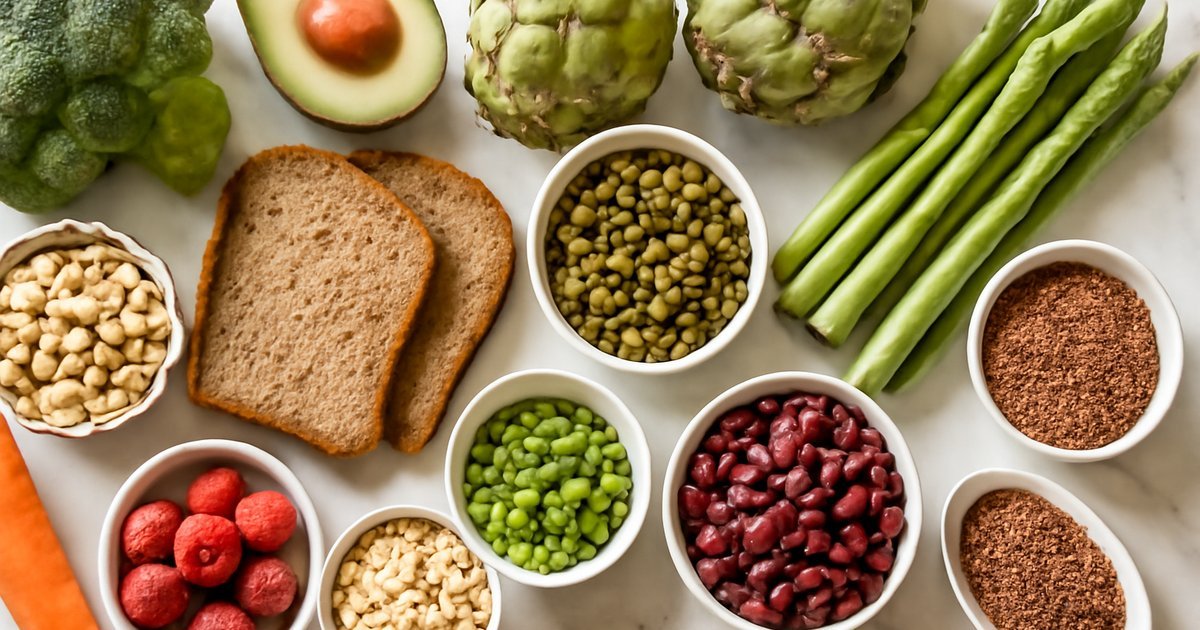
    Here’s a practical breakdown of some of the best fiber sources, organized by category. These align with USDA Dietary Guidelines and Academy of Nutrition and Dietetics recommendations.

    Legumes (highest fiber density per serving):

    • Cooked lentils — 1 cup: ~16g fiber
    • Cooked black beans — 1 cup: ~15g fiber
    • Cooked chickpeas — 1 cup: ~12g fiber
    • Edamame (shelled) — 1 cup: ~8g fiber

    Whole Grains:

    • Cooked barley — 1 cup: ~6g fiber
    • Oats (dry, rolled) — ½ cup: ~4g fiber
    • Whole wheat pasta — 1 cup cooked: ~6g fiber
    • Popcorn (air-popped) — 3 cups: ~3.6g fiber

    Vegetables:

    • Artichoke (cooked) — 1 medium: ~10g fiber
    • Peas (cooked) — 1 cup: ~9g fiber
    • Broccoli (cooked) — 1 cup: ~5g fiber
    • Brussels sprouts — 1 cup: ~4g fiber

    Fruits:

    • Avocado — ½ fruit: ~5g fiber
    • Raspberries — 1 cup: ~8g fiber
    • Pear (with skin) — 1 medium: ~5.5g fiber
    • Apple (with skin) — 1 medium: ~4.4g fiber

    Seeds & Nuts:

    • Chia seeds — 1 oz (2 tbsp): ~10g fiber
    • Ground flaxseed — 2 tbsp: ~4g fiber
    • Almonds — 1 oz (23 nuts): ~3.5g fiber

    Building your meals around these categories — rather than tracking grams obsessively — is a practical and sustainable approach for most people.

    For a deeper look at how diet intersects with energy and cellular function, check out our article on Mitochondrial Health: The Real Key to Aging Well. The connection between a well-fed microbiome and cellular energy production is more direct than most people realize.

    How Long Until You See Results — and What to Track

    This is where expectations matter. Gut health improvements from fiber happen on a spectrum — some changes are noticeable within days, while others take weeks or months.

    Within 1–2 weeks: Most people notice changes in bowel regularity and consistency. Bloating may temporarily increase as your microbiome adjusts — this is normal and usually subsides.

    Within 3–4 weeks: Energy levels, post-meal heaviness, and general digestive comfort typically begin to improve. Research from the NIH suggests that meaningful shifts in microbiome composition can begin within two to four weeks of consistent dietary changes.

    Within 8–12 weeks: More sustained benefits — including improvements in blood sugar regulation, cholesterol levels, and inflammatory markers — are more likely to become measurable over this timeframe, according to data referenced by Harvard Health Publishing.

    What to track:

    • Bowel consistency (the Bristol Stool Chart is a clinically used reference tool — types 3 and 4 are considered ideal)
    • Frequency of bloating and gas episodes — note patterns, not just presence
    • Energy levels and post-meal fatigue
    • Skin clarity — the gut-skin axis means microbiome changes sometimes show up on your face first
    • Sleep quality — emerging research links microbiome diversity with sleep regulation

    When to seek professional guidance: If you’ve been consistently eating adequate fiber for 6–8 weeks and still experience persistent bloating, pain, alternating constipation and diarrhea, or unexplained weight changes, consult a gastroenterologist or registered dietitian. These symptoms may point to conditions that require individualized management beyond dietary changes alone.

    Frequently Asked Questions

    Can eating more fiber help me lose weight?
    Fiber can support weight management by increasing satiety, slowing digestion, and reducing post-meal blood sugar spikes — which may help curb cravings. A 2015 study published in the Annals of Internal Medicine found that simply adding more fiber to your diet (without other changes) led to meaningful weight loss over 12 months. However, fiber is a tool, not a solution — and results vary significantly depending on overall diet and lifestyle.

    Is psyllium husk a good fiber supplement?
    Psyllium husk is one of the most well-researched fiber supplements and is often recommended by the Mayo Clinic and other institutions for both constipation and cholesterol management. It’s predominantly soluble fiber and generally well-tolerated when taken with plenty of water. That said, it’s best used to complement a food-based fiber strategy, not replace it.

    Does cooking destroy fiber?
    Not significantly. Cooking can soften fiber and slightly reduce some types, but the overall fiber content of most vegetables, legumes, and grains remains largely intact after cooking. In fact, cooked legumes are often easier on the digestive system than raw ones, making them a better starting point if your gut is sensitive.

    Can I eat too much fiber?
    Yes — though for most Americans, it’s a rare problem. Extremely high fiber intake (above 70g per day) can interfere with the absorption of certain minerals like calcium, zinc, and iron. It can also cause significant GI distress. Stick to the recommended range of 25–38 grams per day unless otherwise directed by a healthcare provider.

    What about fiber and the gut-brain connection?
    This is an active and fascinating area of research. SCFAs produced from fiber fermentation can influence the vagus nerve and impact neurotransmitter production, including serotonin — about 90% of which is produced in the gut. While the research is still evolving, adequate fiber intake appears to be one pillar of supporting the gut-brain axis.

    Conclusion

    Here’s the honest truth: you don’t need a radical overhaul to transform your gut health through fiber. You need consistency, patience, and a willingness to diversify what’s on your plate.

    Start with one simple change today — add half a cup of lentils to your lunch, swap your white bread for whole grain, or throw a tablespoon of chia seeds into your morning routine. Small, repeatable shifts compound over time in ways that dramatic 30-day challenges rarely do.

    Your gut bacteria are ready to respond. The science is clear. And now you have the roadmap.

    Take one step. Build on it. And trust the process.


    This article is for informational and educational purposes only. The content is not intended to replace professional medical, nutritional, or fitness advice. Always consult a qualified healthcare provider, registered dietitian, or certified fitness professional before starting a new health program or making significant changes to your lifestyle.

    Content reviewed by our wellness editorial team, with references to peer-reviewed research and guidelines from leading health organizations.
  • Probiotics for Gut Health: What Really Works

    Probiotics for Gut Health: What Really Works

    Probiotics for Gut Health: What Really Works

    You’ve seen the yogurt commercials, stared at rows of supplements at the pharmacy, and maybe even tried a few — but do probiotics actually do anything meaningful for your gut?

    Here’s a number that might surprise you: according to the National Institutes of Health, the human gut houses an estimated 38 trillion microbial cells — more than the total number of human cells in your entire body. That community of bacteria, fungi, and other microorganisms is called your gut microbiota, and keeping it balanced is one of the most powerful things you can do for your overall health.

    Probiotics — live microorganisms that, when consumed in adequate amounts, provide a health benefit — have gone from a niche wellness topic to a multi-billion-dollar industry. But with so many products, strains, and claims flooding the market, it’s genuinely hard to know what’s real and what’s just clever marketing.

    This guide cuts through the noise. You’ll learn exactly what probiotics are, which strains have the strongest research behind them, how to use them effectively, and what common mistakes people make that cancel out any potential benefit. No hype — just what the science actually says.

    Why Gut Health Matters More Than You Think

    Most people connect the gut to digestion — and that’s fair. But the gut’s influence extends far beyond breaking down food. Research now links the state of your gut microbiome to immune function, mood regulation, skin health, metabolism, and even cardiovascular outcomes.

    A 2019 review published in the journal Cell found that gut microbial diversity is one of the strongest predictors of long-term health across multiple body systems. When diversity drops — due to poor diet, antibiotics, chronic stress, or lack of sleep — the gut becomes more vulnerable to inflammation, permeability issues, and opportunistic pathogens.

    According to the American Gastroenterological Association, an estimated 60 to 70 million Americans are affected by digestive diseases annually. And that doesn’t account for the millions more who deal with subclinical symptoms: bloating, irregular bowel habits, low energy after meals, or a general sense of not feeling well in their gut.

    The gut is also your largest immune organ — roughly 70 percent of your immune system resides there, according to Harvard Health Publishing. When your gut microbiota is out of balance, your immune response can become dysregulated, contributing to chronic inflammation that quietly affects the whole body.

    For a deeper look at how your gut communicates with your brain and stress response, this breakdown on Chronic Stress and Cortisol is worth reading — because the two systems are more intertwined than most people realize.

    The Science Behind Probiotics: How They Actually Work

    Probiotics aren’t magic pills. They work by competing with harmful bacteria for space and resources in the gut lining, producing short-chain fatty acids and other compounds that support the intestinal barrier, and modulating immune signaling. The key word in the clinical definition is adequate amounts — not all probiotic products contain enough live organisms to make a difference.

    The most well-researched probiotic genera are Lactobacillus and Bifidobacterium. Within these genera, specific strains — identified by a full name like Lactobacillus acidophilus NCFM or Bifidobacterium longum 35624 — have been studied for targeted benefits. This is where many people go wrong: assuming that any probiotic will do any job.

    One common myth is that more is always better. A product with 100 billion CFUs (colony-forming units) isn’t automatically superior to one with 10 billion. What matters is whether those CFUs are the right strain for your goal, whether they survive the acidic environment of the stomach, and whether they reach the colon alive.

    A landmark meta-analysis published in JAMA found significant strain-specific differences in outcomes. Lactobacillus rhamnosus GG, for example, showed consistent evidence for reducing antibiotic-associated diarrhea, while Bifidobacterium infantis 35624 showed more meaningful results for IBS-related bloating and discomfort. These are not interchangeable.

    If you’ve explored topics like Leaky Gut Syndrome, you already know how the integrity of the intestinal lining plays a central role in gut health — and certain probiotic strains directly support that barrier function.

    How to Get Started With Probiotics: Practical Steps

    Whether you’re brand new to probiotics or you’ve dabbled without clear results, here’s a strategic approach based on what the research actually supports.

    Step 1: Identify your goal. Probiotics aren’t one-size-fits-all. Are you dealing with post-antibiotic gut disruption? Chronic bloating? Irregular digestion? General maintenance? Your goal determines which strain or combination makes sense.

    Step 2: Choose strain-specific products. Look for labels that list the full strain name (genus, species, and alphanumeric strain code). If a label just says "Lactobacillus blend," it’s harder to verify what research, if any, applies to that product.

    Step 3: Check CFU count and delivery method. Aim for products with 5 to 30 billion CFUs for general gut support — within ranges studied in clinical trials. Look for enteric-coated capsules or verified shelf-stable formulations, which better protect live bacteria from stomach acid.

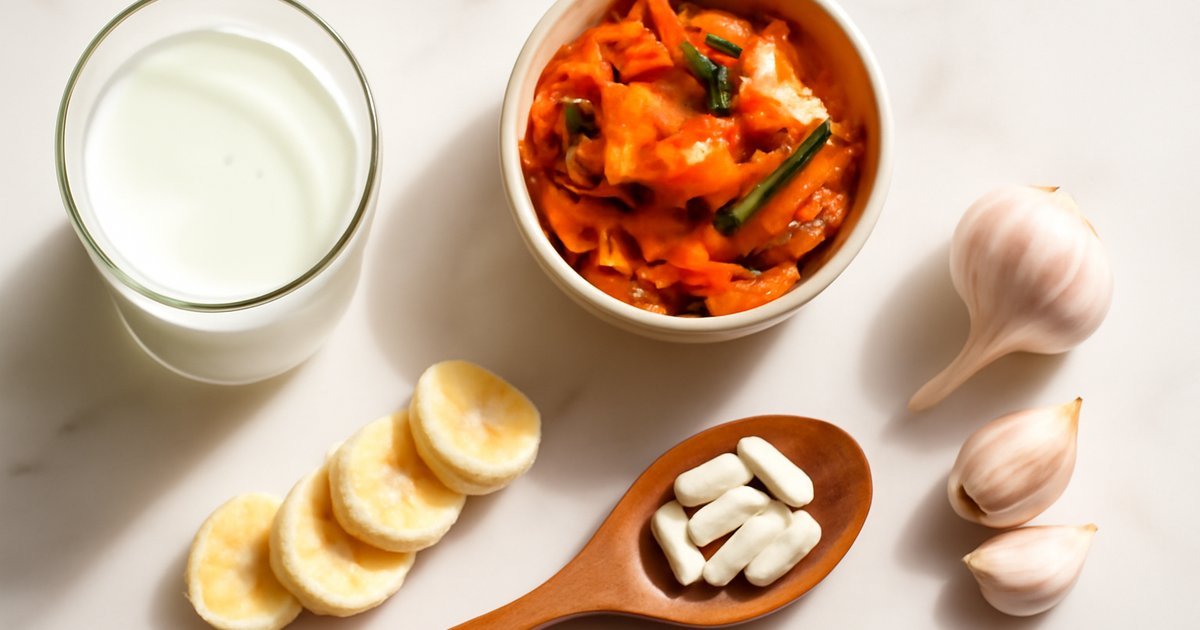
    Step 4: Add fermented foods alongside supplements. Whole food sources of probiotics — plain yogurt with live cultures, kefir, kimchi, sauerkraut, miso, tempeh — provide live organisms alongside fiber and nutrients that support microbial diversity in ways that supplements alone don’t replicate. The Academy of Nutrition and Dietetics recommends including fermented foods as part of a balanced dietary pattern.

    Beginner option: Start with one serving of plain kefir or yogurt daily and a basic single-strain supplement like Lactobacillus acidophilus. Give it four to six weeks before evaluating.

    Intermediate option: Add two to three fermented food servings per week alongside a multi-strain supplement (look for both Lactobacillus and Bifidobacterium strains). Track digestive symptoms in a simple journal.

    Advanced option: Work with a registered dietitian to identify specific strains based on your symptom profile. Some practitioners now use microbiome testing to personalize probiotic choices, though the clinical utility of consumer-grade tests is still evolving.

    Common Mistakes That Sabotage Probiotic Results

    It’s easy to spend money on probiotics and feel like nothing happened — often because of avoidable errors in how they’re selected or used.

    Mistake 1: Choosing the wrong strain for your goal. This is the most common and most costly error. Someone buying a probiotic marketed for "immune support" when they actually struggle with bloating and IBS may be using a strain with little to no evidence for their specific concern. Research your strain, not just the brand.

    Mistake 2: Expecting results in a few days. Most research on probiotic efficacy measures outcomes at four to eight weeks of consistent use. If you try a product for a week, feel no dramatic change, and quit, you’ve likely not given it enough time to colonize and produce measurable effects. Consistency is non-negotiable.

    Mistake 3: Ignoring prebiotic support. Probiotics are live organisms — they need to eat. Prebiotics (non-digestible fibers found in foods like garlic, onions, leeks, asparagus, oats, and bananas) feed beneficial bacteria and dramatically improve probiotic survival and function. Taking a probiotic while eating a low-fiber diet is like planting seeds in dry concrete.

    Mistake 4: Storing probiotics incorrectly. Many probiotic strains are sensitive to heat and moisture. Leaving a refrigerated probiotic on a warm counter for weeks can significantly reduce viable CFU counts. Always follow storage instructions — and check that the CFU count listed is guaranteed at the expiration date, not just at manufacturing.

    Mistake 5: Expecting probiotics to compensate for a poor diet. No supplement overrides a diet high in ultra-processed foods, refined sugar, and low fiber. The USDA Dietary Guidelines consistently emphasize dietary patterns as the foundation — probiotics work best as a complement to whole food choices, not a substitute.

    What to Eat to Support Probiotic Effectiveness

    Probiotics thrive in a gut environment that’s rich in diverse fiber and low in the compounds that disrupt microbial balance. Here’s what to prioritize — and what to pull back on.

    Eat more of:

    • Fermented foods: Plain yogurt (look for "live and active cultures" on the label), kefir (8–12 oz daily is a common studied intake), kimchi, sauerkraut, miso, and tempeh. Aim for at least one serving per day.
    • Prebiotic-rich vegetables and fruits: Garlic, onions, leeks, asparagus, artichokes, green bananas, and oats. Even half a cup of cooked oats provides meaningful beta-glucan fiber.
    • Diverse plant foods: Research from the American Gut Project (published in mSystems) found that people who consumed 30 or more different plant foods per week had significantly higher gut microbial diversity than those eating 10 or fewer.
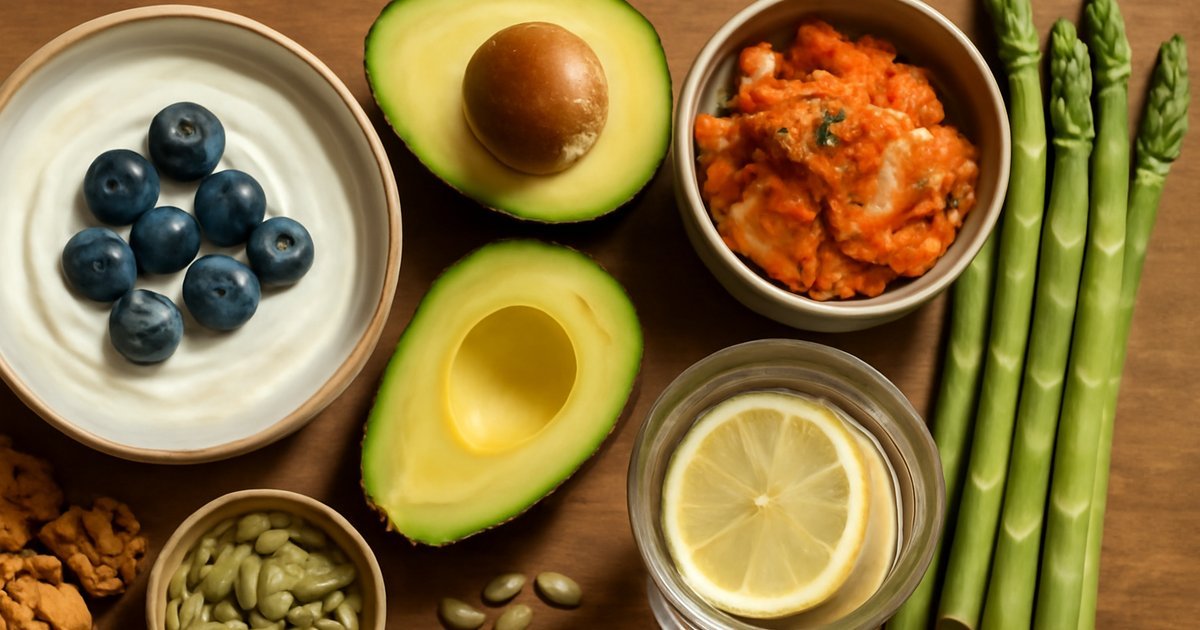
    • Polyphenol-rich foods: Blueberries, dark chocolate (70 percent cacao or higher), green tea, and extra-virgin olive oil feed beneficial bacteria and have anti-inflammatory effects in the gut.

    Reduce or minimize:

    • Ultra-processed foods: Emulsifiers like carboxymethylcellulose and polysorbate-80 (common in packaged snacks and dressings) have been shown in animal studies to disrupt the mucosal layer of the gut.
    • Excessive alcohol: Even moderate chronic alcohol intake alters microbial composition and increases intestinal permeability, according to research published in Alcohol Research: Current Reviews.
    • High added sugar intake: Feeds pathogenic bacteria and yeasts while suppressing beneficial strains. The American Heart Association recommends no more than 25 grams of added sugar per day for women and 36 grams for men.

    How Long Until You See Results — and What to Track

    Realistic timelines matter. If you go in expecting overnight changes, you’ll quit too early — and miss real improvements that develop gradually.

    Weeks 1–2: Some people notice initial GI changes — either an improvement in regularity or, temporarily, some extra gas as the gut microbiome adjusts. This is generally normal and settles down. A 2021 review in Nutrients noted that early digestive adjustments are common within the first two weeks of starting probiotics.

    Weeks 3–6: This is typically when more consistent improvements in bloating, bowel regularity, and general digestive comfort become noticeable. If you’re using probiotics for antibiotic recovery, most studies show meaningful restoration of microbial populations within four to six weeks post-antibiotic course.

    Weeks 8–12: For goals like immune support, mood stabilization via the gut-brain axis, or managing IBS symptoms, the most robust clinical studies run for eight to twelve weeks before measuring primary outcomes. Results vary significantly based on your baseline microbiome, diet, sleep quality, and stress levels.

    What to track: Keep a simple daily log noting bloating frequency and intensity (rate 1–5), bowel movement consistency (the Bristol Stool Chart is a useful clinical reference), energy after meals, and any digestive discomfort. Patterns over weeks are more meaningful than day-to-day fluctuations.

    When to reassess: If you’ve been consistent for eight weeks with no noticeable change, consult a registered dietitian or gastroenterologist. There may be an underlying issue — like SIBO (small intestinal bacterial overgrowth) — where certain probiotics can actually worsen symptoms and a different clinical approach is needed.

    Frequently Asked Questions

    Can I take probiotics every day long-term?
    For most healthy adults, daily probiotic use from food or supplements appears safe with no known long-term risks. However, individuals with compromised immune systems, serious illness, or recent surgery should consult a physician before starting any probiotic regimen. The Mayo Clinic notes that probiotics are generally well-tolerated in healthy populations over extended periods.

    Should I take probiotics with food or on an empty stomach?
    This depends on the strain. Some strains, including Lactobacillus species, survive better when taken with a meal containing some fat, which buffers stomach acid. Others are formulated to be taken on an empty stomach. Always follow the product’s specific guidance and look for enteric-coated capsules for better acid resistance regardless of timing.

    Do probiotics help with weight loss?
    The evidence here is preliminary and far from conclusive. Some studies suggest certain strains — particularly Lactobacillus gasseri — may modestly reduce belly fat in specific populations, but the effect sizes are small and highly variable. Probiotics are not a weight management strategy on their own. Results vary significantly depending on diet, activity level, and individual metabolic factors.

    Are expensive probiotics always better?
    Not necessarily. Price reflects brand, marketing, and sometimes refrigeration logistics — not always clinical efficacy. What matters is strain specificity, CFU viability at expiration, and third-party testing. Look for products verified by NSF International, USP, or ConsumerLab for quality assurance, regardless of price point.

    Can probiotics help with anxiety or mood?
    Emerging research on the gut-brain axis is genuinely exciting here. A 2019 study published in Frontiers in Psychiatry found that multi-strain probiotic supplementation over eight weeks was associated with modest reductions in self-reported anxiety and depressive symptoms in healthy adults. However, this is a developing field — probiotics should not replace evidence-based mental health treatment, but may serve as a supportive adjunct. Always work with a qualified provider if anxiety or mood is a primary concern.

    Start Simple, Stay Consistent

    You don’t need a 50-strain supplement or a refrigerator full of expensive kefir to meaningfully support your gut. The research is clear on one thing above all else: consistency with a few well-chosen strategies beats sporadic attempts at the perfect protocol.

    Start with one fermented food daily. Choose a probiotic with a named strain matched to your specific concern. Add more plant diversity to your plate and reduce the ultra-processed foods that work against your gut. And give it time — because a healthier gut microbiome is built over weeks and months, not days.

    Your gut is one of the most dynamic and responsive systems in your body. Small, consistent inputs produce real, measurable shifts — and those shifts ripple outward into energy, immunity, mood, and beyond. Today is a good day to start.


    This article is for informational and educational purposes only. The content is not intended to replace professional medical, nutritional, or fitness advice. Always consult a qualified healthcare provider, registered dietitian, or certified fitness professional before starting a new health program or making significant changes to your lifestyle.

    Content reviewed by our wellness editorial team, with references to peer-reviewed research and guidelines from leading health organizations.
  • Leaky Gut Syndrome: What It Is and How to Heal It

    Leaky Gut Syndrome: What It Is and How to Heal It

    Leaky Gut Syndrome: What It Is and How to Heal It

    You eat well, exercise regularly, and still feel bloated, foggy, and exhausted — your gut lining might be the missing piece.

    The Gut Wall Nobody Talks About

    You’ve probably heard the phrase "you are what you eat," but the more accurate version might be "you are what your gut actually absorbs." And if that gut lining is compromised, you could be eating all the right foods and still not getting the benefit — while quietly letting things in that your body was never meant to process.

    That’s the core idea behind leaky gut syndrome, a topic that has moved from fringe wellness circles into legitimate clinical conversations over the past decade. And yet there’s still enormous confusion about what it actually is, what causes it, and whether it can truly be reversed.

    According to research published in Frontiers in Immunology, increased intestinal permeability — the clinical term for leaky gut — is associated with a wide range of conditions, from inflammatory bowel disease to metabolic syndrome. But even if you don’t have a diagnosed condition, a compromised gut barrier can quietly affect your energy, immunity, skin, and mood.

    In this guide, you’ll get a clear, evidence-based breakdown of what leaky gut is, how it develops, and — most importantly — what you can actually do about it starting today.

    Why Gut Permeability Matters More Than You Think

    Your intestinal lining is only one cell thick. That’s it — a single layer of epithelial cells standing between your bloodstream and everything you consume. These cells are held together by tight junction proteins that act like microscopic gatekeepers, deciding what gets in and what stays out.

    When those tight junctions weaken or break down, the gut becomes "leaky" — allowing partially digested food particles, bacterial byproducts, and other substances to slip into the bloodstream. The immune system, sensing foreign invaders, launches an inflammatory response. When that process becomes chronic, the effects ripple throughout the entire body.

    Research published in the Journal of Clinical Gastroenterology found that increased gut permeability is closely linked to systemic inflammation, which in turn is a driver of conditions ranging from type 2 diabetes to autoimmune disorders. Meanwhile, Harvard Health Publishing has noted that scientists are increasingly connecting gut barrier health to mental health outcomes — including anxiety and depression.

    For everyday adults, this means that symptoms like persistent bloating, skin flare-ups, brain fog, fatigue, and frequent illness may have a gut-lining connection that’s worth investigating — even when standard lab tests come back normal.

    The Science Behind Leaky Gut: How It Actually Works

    Let’s clear up a common myth first: leaky gut is not a made-up wellness buzzword. The term "intestinal hyperpermeability" is used in peer-reviewed gastroenterology research, and the mechanisms behind it are well-documented.

    The gut lining is reinforced by a mucus layer, beneficial bacteria, and immune cells — all working in concert to protect the barrier. When that ecosystem is disrupted, tight junction proteins like occludin and claudin begin to degrade. This is not a sudden event; it happens gradually under the pressure of chronic stressors.

    A landmark study in the journal Gut identified several primary drivers of tight junction dysfunction: chronic psychological stress, prolonged use of nonsteroidal anti-inflammatory drugs (NSAIDs), high sugar and ultra-processed food diets, alcohol consumption, and dysbiosis — an imbalance in the gut microbiome.

    It’s worth noting that leaky gut exists on a spectrum. A mildly permeable gut barrier may cause subtle, non-specific symptoms. A significantly compromised one can contribute to more serious inflammatory or autoimmune conditions. Results and severity vary significantly depending on your baseline health, genetics, and lifestyle factors.

    One important distinction: leaky gut is more accurately described as a mechanism — a physiological state — rather than a standalone diagnosis. It frequently co-occurs with other gut conditions, and addressing gut barrier health is increasingly seen as part of a comprehensive approach to digestive wellness.

    For a deeper look at how your gut and brain are constantly communicating through this barrier, The Gut-Brain Connection: Fueling Your Mood & Mind offers an excellent companion read.

    How to Start Healing Your Gut Lining: Practical Steps

    The encouraging news is that the gut lining regenerates. Intestinal epithelial cells turn over every three to five days, which means the body is always in repair mode — you just need to give it the right conditions to do so effectively.

    Step 1: Remove the primary triggers
    Before adding anything, reduce what’s causing damage. The biggest offenders, according to the Academy of Nutrition and Dietetics, include ultra-processed foods high in refined sugar and industrial seed oils, excessive alcohol, and frequent NSAID use (always consult your doctor before changing any medication).

    Step 2: Feed your gut bacteria intentionally
    A diverse, plant-rich diet supports the beneficial bacteria that protect your gut lining. The USDA Dietary Guidelines recommend 25-38 grams of dietary fiber per day — yet most American adults consume fewer than 15 grams. Closing that gap is one of the most impactful moves you can make.

    Step 3: Add fermented foods
    Plain yogurt with live cultures, kefir, sauerkraut, kimchi, and miso introduce beneficial bacteria directly to your gut. A 2021 study published in Cell (Stanford Medicine) found that a high-fermented-food diet significantly increased microbiome diversity and reduced markers of immune activation — both relevant to gut barrier health.

    Intermediate step: Targeted gut-supportive nutrients
    L-glutamine, an amino acid, is one of the primary fuel sources for intestinal cells and has been studied for its role in maintaining tight junction integrity. Zinc is another nutrient that supports mucosal repair, with the NIH noting its involvement in epithelial cell function. Discuss supplementation with a healthcare provider before starting.

    Advanced step: Consider working with a registered dietitian
    If symptoms persist despite dietary changes, a registered dietitian (RD) specializing in gut health can run a comprehensive assessment, including stool testing and elimination protocols tailored to your specific profile.

    Common Mistakes That Sabotage Gut Healing

    Most people who try to address leaky gut hit the same roadblocks. These are easy traps to fall into — knowing them in advance puts you miles ahead.

    Mistake 1: Jumping straight to supplements without fixing the diet
    Gut-support supplements like probiotics and L-glutamine can be helpful, but if you’re still consuming a high-sugar, low-fiber diet with frequent alcohol, you’re essentially bailing water from a sinking boat. The foundation always starts with food. Supplements are supportive tools, not substitutes.

    Mistake 2: Ignoring chronic stress
    This one is consistently underestimated. The American Psychological Association has documented that chronic psychological stress directly affects gut motility, microbiome composition, and intestinal permeability. If you’re eating perfectly but running on cortisol all day, your gut lining will reflect that. Stress management isn’t optional — it’s part of the gut healing protocol. Practices like breathwork and mindfulness have shown measurable effects on gut function; Mindfulness for Stress: Practical Steps That Actually Work is a great place to start.

    Mistake 3: Expecting results in days
    Gut lining repair is a gradual process. People often make dietary changes for one or two weeks, feel a mild improvement, and then revert to old habits — or abandon the effort entirely when they don’t see dramatic results. Research suggests meaningful improvements in gut permeability and microbiome diversity typically take 8 to 12 weeks of consistent effort.

    Mistake 4: Overdoing fiber too fast
    Dramatically increasing fiber intake overnight can cause gas, bloating, and discomfort — which often leads people to abandon the effort. Instead, increase fiber intake by 3-5 grams per week, and drink more water alongside it. Proper hydration is essential for fiber to do its job effectively; if you’re unsure about your water intake, How Much Water Should You Really Drink Each Day? has you covered.

    What to Eat (and What to Avoid) for Gut Barrier Health

    Your daily food choices have a direct, measurable impact on gut barrier integrity. This isn’t about restriction — it’s about building a plate that supports repair and diversity.

    Prioritize these foods:

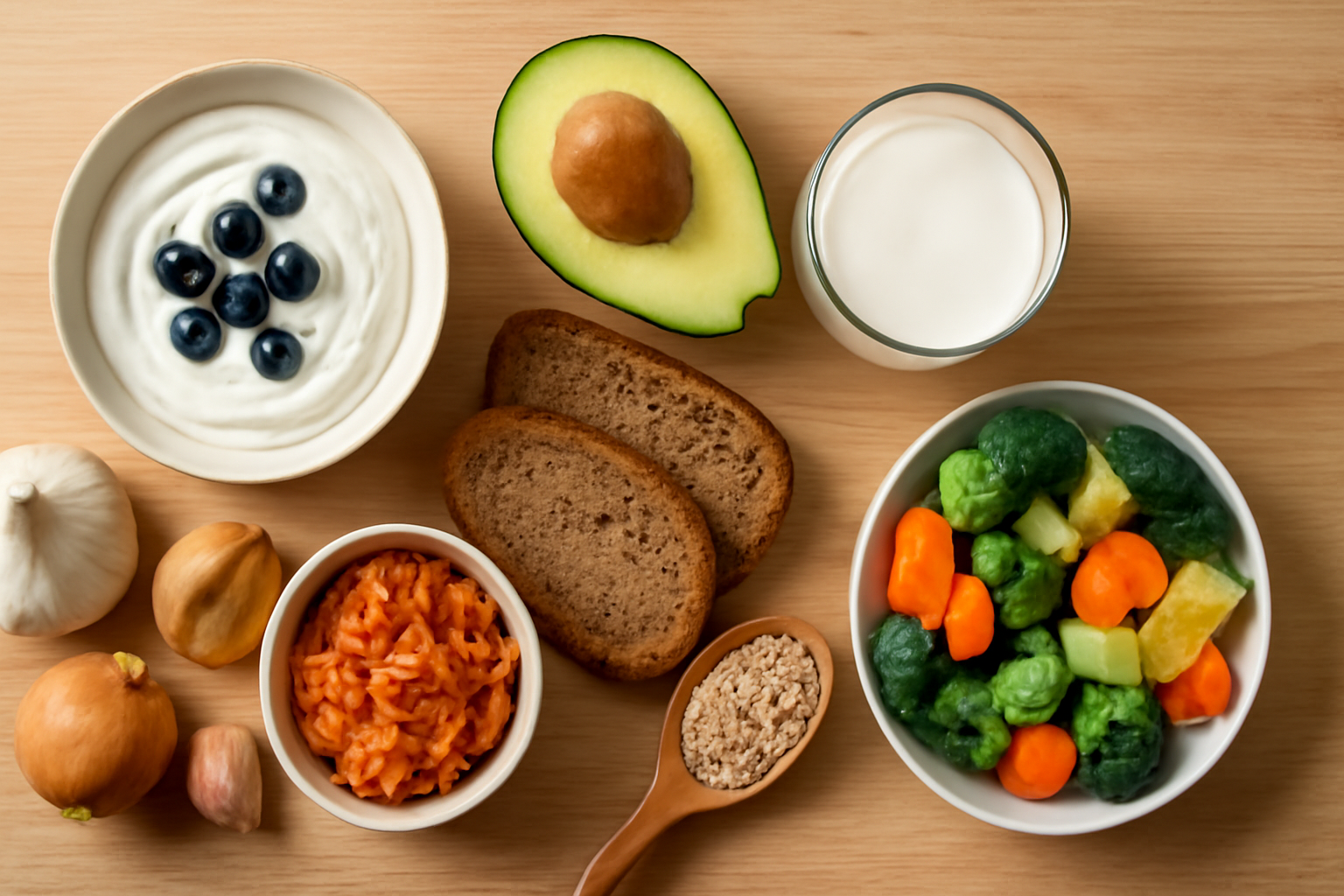
    • Prebiotic-rich vegetables: garlic, onions, leeks, asparagus, and Jerusalem artichokes feed beneficial bacteria. Aim for at least 2-3 servings daily.
    • Colorful produce: polyphenols in berries, dark leafy greens, and red cabbage have been shown to reduce intestinal inflammation. Target 5+ servings per day across colors.
    • Fermented foods: 1-2 servings daily of plain kefir, yogurt with live cultures, kimchi, or sauerkraut — without added sugar.
    • Omega-3 fatty acids: wild-caught salmon, sardines, walnuts, and flaxseed support anti-inflammatory pathways in the gut. The Academy of Nutrition and Dietetics recommends at least 2 servings of fatty fish per week.
    • Bone broth: contains collagen and glutamine, which may support mucosal repair — though clinical evidence is still emerging.
    • Zinc-rich foods: pumpkin seeds, legumes, grass-fed beef, and oysters support epithelial cell turnover.

    Minimize or avoid:

    • Refined sugar and high-fructose corn syrup (feeds pathogenic bacteria, promotes dysbiosis)
    • Ultra-processed snack foods and fast food (high in emulsifiers that have been shown to disrupt the mucus layer)
    • Alcohol (directly toxic to intestinal epithelial cells and shown to raise zonulin, a protein linked to tight junction loosening)
    • Artificial sweeteners in excess — early research suggests some may negatively alter microbiome composition, though findings are still developing

    How Long Until You See Results — and What to Track

    Gut healing is not a weekend project, and setting realistic expectations is critical to staying consistent.

    Based on available research, here’s a general timeline:

    • Weeks 1-2: Bloating and gas often begin to shift as you reduce processed foods and increase fiber gradually. Energy fluctuations are common as the microbiome adjusts.
    • Weeks 3-6: Bowel regularity tends to improve. Some people notice clearer skin, improved sleep quality, and reduced afternoon energy crashes.
    • Weeks 8-12: More meaningful changes in systemic inflammation markers, immune response, and mood stability may become apparent — especially when dietary changes are paired with stress reduction and adequate sleep.

    What to track:

    • Digestive symptom frequency: bloating, gas, irregularity (track in a simple daily journal)
    • Energy levels — note patterns across the day
    • Skin clarity and any inflammatory skin conditions
    • Frequency of illness or immune reactions
    • Mood and mental clarity (these are often early responders to gut changes)

    If you’ve made consistent dietary and lifestyle changes for 12 weeks with minimal improvement, consult a gastroenterologist or registered dietitian. Some cases of increased gut permeability are connected to underlying conditions — including celiac disease, Crohn’s disease, or SIBO — that require targeted clinical intervention.

    Frequently Asked Questions

    Is leaky gut a real medical diagnosis?
    Increased intestinal permeability is a real, measurable physiological state studied extensively in gastroenterology research. However, "leaky gut syndrome" as a standalone diagnosis is not currently recognized in standard clinical practice. Most conventional physicians address it in the context of an underlying condition. That said, the mechanisms involved are scientifically valid and increasingly taken seriously in integrative and functional medicine settings.

    What are the most common symptoms of a leaky gut?
    Symptoms vary widely, which makes leaky gut tricky to identify without professional evaluation. Common indicators include chronic bloating, irregular bowel movements, food sensitivities, fatigue, brain fog, frequent colds, skin issues like eczema, and joint discomfort. None of these are exclusive to gut permeability issues — which is why professional assessment matters.

    Can probiotics alone heal a leaky gut?
    Probiotics can support gut microbiome diversity and help modulate immune responses, but they are unlikely to reverse leaky gut on their own. Research in the Journal of Nutrition suggests that probiotics work best when paired with a high-fiber diet that feeds those beneficial bacteria. Think of probiotics as one tool in a broader strategy — not a standalone fix.

    Does gluten cause leaky gut?
    In people with celiac disease, gluten triggers a confirmed immune-mediated response that damages the intestinal lining. For non-celiac individuals, the evidence is more nuanced. Some research suggests gliadin (a gluten protein) can trigger zonulin release — temporarily increasing gut permeability — even in people without celiac disease. However, the clinical significance of this in otherwise healthy adults is still being debated. If you suspect gluten sensitivity, work with a doctor rather than self-diagnosing.

    Should I take L-glutamine for gut healing?
    L-glutamine has legitimate research behind it as a fuel source for intestinal cells and has been studied in clinical settings for gut mucosal repair — particularly in patients with inflammatory bowel conditions. For otherwise healthy adults, the evidence is promising but not definitive. The typical range studied is 5-10 grams per day, but dosing should be discussed with a qualified healthcare provider, especially if you have any underlying health conditions.

    Start Small, Stay Consistent

    Healing your gut lining doesn’t require an extreme protocol or an expensive supplement stack. It requires consistency, patience, and a willingness to make gradual, sustainable shifts in your daily habits.

    The most impactful thing you can do today is simple: add one prebiotic food and one fermented food to your meals, and start reducing your refined sugar intake by half. That’s it. Build from there, week by week.

    Your gut is remarkably resilient — it’s rebuilding itself around the clock. Give it the environment it needs, and the results compound in ways that go far beyond digestion — better energy, sharper focus, stronger immunity, and a more stable mood.

    Small, consistent steps don’t just beat perfection — they’re the only thing that actually lasts.


    Wellness Disclaimer: This article is for informational and educational purposes only. The content is not intended to replace professional medical, nutritional, or fitness advice. Always consult a qualified healthcare provider, registered dietitian, or certified fitness professional before starting a new health program or making significant changes to your lifestyle.

    Content reviewed by our wellness editorial team, with references to peer-reviewed research and guidelines from leading health organizations.

  • How to Balance Your Gut Microbiome for Better Health

    How to Balance Your Gut Microbiome for Better Health

    How to Balance Your Gut Microbiome for Better Health

    Your digestion, energy, mood, and immunity are all quietly shaped by trillions of microorganisms living inside you — and most people have no idea how to keep them working in their favor.

    Have you ever finished a meal and felt inexplicably exhausted, bloated, or mentally foggy — even though you ate something you thought was healthy? Or noticed that your mood tanks when your digestion is off? You’re not imagining things. There’s a direct connection between what’s happening in your gut and how you feel from head to toe.

    Your gut microbiome — a vast ecosystem of bacteria, fungi, and other microorganisms living in your digestive tract — plays a role in nearly every major system in your body. When it’s balanced, you tend to feel energized, clear-headed, and resilient. When it’s disrupted, everything from your immune response to your sleep quality can suffer.

    The good news: you don’t need expensive treatments or complicated protocols to support gut microbiome balance. In this guide, you’ll learn what the science actually says, what’s disrupting your gut without you realizing it, and the practical, everyday steps that make a real difference — starting today.

    Why Your Gut Microbiome Matters More Than You Think

    Most people think of gut health as just about digestion — avoiding bloating, staying regular, not having stomach cramps. But research over the last two decades has revealed something far more significant: your gut microbiome is deeply connected to your immune system, brain function, hormone regulation, and even your risk for chronic disease.

    According to the National Institutes of Health, the human gut hosts an estimated 38 trillion microbial cells — roughly equal to the number of human cells in the entire body. These microorganisms help digest food, produce vitamins (including B12 and K), train your immune system, and synthesize neurotransmitters like serotonin. In fact, research estimates that approximately 90% of your body’s serotonin is produced in the gut, which helps explain the powerful gut-brain connection many people experience firsthand.

    A landmark study published in Nature found that individuals with more diverse gut microbiomes tended to have better metabolic health, stronger immune responses, and lower levels of systemic inflammation. Diversity — meaning a wide variety of different microbial species — appears to be one of the key markers of a healthy gut.

    The takeaway: gut microbiome balance isn’t a niche wellness trend. It’s a foundational pillar of whole-body health that deserves real attention.

    The Science Behind How Your Gut Microbiome Works

    Your gut microbiome begins forming at birth and continues to change throughout your life based on diet, lifestyle, medications, stress, and environment. By adulthood, your microbial profile is largely unique to you — shaped by years of exposures, habits, and choices.

    Inside your gut, different bacterial species compete and cooperate in a complex balancing act. Beneficial bacteria (like Lactobacillus and Bifidobacterium strains) help maintain the gut lining, crowd out harmful pathogens, and keep inflammation in check. When beneficial species decline and harmful ones overgrow, a state called dysbiosis can occur — and that’s when symptoms start to appear.

    Common myth busted: Many people assume that taking a probiotic supplement alone is enough to fix an imbalanced gut. But according to a review published in Cell, probiotics may not colonize the gut long-term in many individuals. Their benefits are real but often temporary unless paired with dietary changes that feed and sustain beneficial bacteria. In other words, what you feed your microbiome matters just as much as — if not more than — what you add to it.

    Short-chain fatty acids (SCFAs) like butyrate, acetate, and propionate are produced when gut bacteria ferment dietary fiber. These compounds are critical: they nourish the cells lining your colon, regulate immune function, and have been linked to reduced risk of colorectal cancer, according to research published in the Journal of Nutrition. Without adequate fiber, SCFA production drops — and the downstream effects can be significant.

    How to Start Rebalancing Your Gut: Practical Steps

    Getting your gut microbiome into better balance doesn’t require a dramatic overhaul. Consistent, moderate changes in diet and lifestyle tend to produce more sustainable results than short-term extreme interventions. Here’s where to begin:

    1. Increase dietary fiber — gradually
    Aim for 25–38 grams of fiber per day, as recommended by the Academy of Nutrition and Dietetics. If you’re currently eating far less, increase slowly to avoid gas and bloating. Focus on variety: legumes, oats, vegetables, fruits, and whole grains each feed different bacterial species.

    2. Add fermented foods to your daily routine
    Foods like plain yogurt, kefir, sauerkraut, kimchi, miso, and tempeh introduce live bacteria into your gut. A 2021 study published in Cell by researchers at Stanford found that a diet high in fermented foods significantly increased microbiome diversity and reduced inflammatory markers over 10 weeks.

    3. Prioritize prebiotic-rich foods
    Prebiotics are the fibers that feed beneficial bacteria. Top sources include garlic, onions, leeks, asparagus, bananas (especially slightly unripe ones), oats, and Jerusalem artichokes. Aim to include at least one prebiotic food in most of your meals.

    Intermediate step: Track your "plant points" — the number of different plant foods you eat per week. Research featured in the American Gut Project suggests that eating 30 or more different plant foods per week is associated with significantly higher microbial diversity.

    Advanced step: Consider working with a registered dietitian trained in gut health to identify specific dietary patterns that may be contributing to your symptoms, especially if you deal with IBS, food sensitivities, or chronic digestive issues.

    Common Mistakes That Sabotage Gut Microbiome Balance

    Even well-intentioned people make these gut health mistakes regularly. Recognizing them is the first step to avoiding them.

    Mistake 1: Overusing antibiotics or relying on them unnecessarily
    Antibiotics save lives — but they also wipe out beneficial gut bacteria alongside harmful ones. According to the Mayo Clinic, it can take the gut microbiome months to recover from a single course of antibiotics. If you’ve had multiple rounds in recent years, your microbiome may be more depleted than you realize. Always use antibiotics only when medically necessary, and consider pairing them with probiotics (take them a few hours apart) after discussing with your doctor.

    Mistake 2: Eating too little fiber — consistently
    Most American adults eat only about 15 grams of fiber per day — less than half the recommended amount, according to the USDA Dietary Guidelines. Beneficial gut bacteria literally starve without adequate fiber. The fix is straightforward: add one high-fiber food to each meal. A handful of berries at breakfast, lentils at lunch, roasted vegetables at dinner.

    Mistake 3: Chronic stress without management strategies
    The gut-brain axis is bidirectional — stress doesn’t just affect your mind, it directly alters gut bacteria composition. Research published in Psychosomatic Medicine has shown that chronic psychological stress can reduce populations of beneficial bacteria and increase gut permeability. If stress is constant and unmanaged, no amount of dietary changes will fully compensate. Exploring daily habits that reduce stress can be a meaningful complement to any gut health strategy.

    Mistake 4: Skipping sleep consistently
    Your gut microbiome follows a circadian rhythm, just like you do. The National Sleep Foundation notes that disrupted sleep patterns can alter gut bacterial composition within days. Irregular sleep schedules — including frequent late nights and inconsistent wake times — may impair microbial diversity over time.

    Mistake 5: Relying on ultra-processed foods as dietary staples
    Emulsifiers, artificial sweeteners, and preservatives commonly found in ultra-processed foods have been shown in animal and emerging human studies to disrupt the gut lining and alter microbial populations. These foods aren’t inherently forbidden, but making them the backbone of your diet creates a consistently unfavorable environment for beneficial bacteria.

    What to Eat — and What to Cut Back On — for a Healthier Microbiome

    Eat more of:

    • Legumes (lentils, chickpeas, black beans): ½ cup cooked provides 6–8g of fiber plus resistant starch
    • Fermented dairy (kefir, plain yogurt with live cultures): 1 serving daily
    • Vegetables of varied colors: aim for 3–5 different types per day
    • Whole grains (oats, barley, farro): choose minimally processed versions
    • Nuts and seeds (walnuts, flaxseeds, chia): 1–2 tablespoons of seeds or a small handful of nuts daily
    • Polyphenol-rich foods (blueberries, dark chocolate with 70%+ cocoa, green tea, extra-virgin olive oil): polyphenols act as fuel for beneficial bacteria

    For a more comprehensive breakdown of the best foods for your gut, check out this guide on the best gut health foods to eat every day.

    Cut back on:

    • Alcohol in excess: more than 1–2 drinks per day has been linked to microbial imbalance and increased intestinal permeability
    • Added sugars: high sugar intake feeds less beneficial bacterial strains
    • Highly processed red and deli meats as daily staples: associated with less favorable microbiome profiles in large population studies
    • Artificial sweeteners: emerging research suggests some (like saccharin and sucralose) may negatively alter gut bacteria — results are still evolving, so moderation is reasonable

    It’s also worth noting that gut health and systemic inflammation are closely linked. If you’re curious about how diet affects inflammation more broadly, the anti-inflammatory diet guide offers practical complementary strategies.

    How Long Until You Notice a Difference — and What to Track

    This is one of the most common questions — and the honest answer is: it depends. Results vary significantly based on your current microbiome state, how much you change, and individual biology.

    That said, research offers some useful benchmarks. The Stanford fermented foods study mentioned earlier showed measurable changes in microbiome diversity within 10 weeks of consistent dietary changes. Some people report improvements in bloating, regularity, and energy within 2–4 weeks of adding more fiber and fermented foods. Mood-related changes, if they occur, often take longer — sometimes 6–12 weeks.

    Practical signals to track:

    • Stool consistency and frequency (Bristol Stool Scale is a useful reference)
    • Bloating patterns — when it occurs, how severe, what seems to trigger it
    • Energy levels throughout the day, especially post-meal
    • Sleep quality and mental clarity
    • How quickly you feel full and how satisfied you feel after eating

    If you experience persistent symptoms — including severe bloating, chronic diarrhea or constipation, unexplained weight changes, or blood in stool — these warrant a conversation with your healthcare provider. Gut microbiome imbalance can sometimes be a symptom of an underlying condition that needs proper diagnosis.

    Frequently Asked Questions

    Do I need to take a probiotic supplement to improve my gut microbiome?
    Not necessarily. Whole food sources of probiotics (yogurt, kefir, kimchi, sauerkraut) are well-supported and accessible. Probiotic supplements can be helpful — particularly after antibiotic use or for specific conditions — but the evidence varies by strain and health goal. Consult a registered dietitian or your doctor for personalized guidance.

    Can stress really damage my gut health?
    Yes, and significantly. The gut-brain axis is a well-documented two-way communication system. Chronic stress elevates cortisol, which can increase gut permeability, reduce beneficial bacteria, and trigger or worsen digestive symptoms. Managing stress isn’t optional if you’re serious about gut health.

    Is it normal to feel worse (more bloated) when I first increase fiber?
    Very common, especially if you increase fiber quickly. Your gut bacteria need time to adapt to increased fermentation activity. Increase fiber gradually over 2–3 weeks and stay well hydrated. The initial bloating typically subsides as your microbiome adjusts.

    Are gut microbiome tests worth it?
    At-home microbiome testing kits can be interesting, but their clinical utility is currently limited. The science of translating microbiome data into specific health recommendations is still evolving. They may provide useful insights but should not replace professional medical evaluation for digestive concerns.

    How does gut health relate to hormones?
    There’s a meaningful connection. The gut microbiome plays a role in metabolizing and recycling estrogen through a collection of bacteria sometimes called the "estrobolome." Dysbiosis may contribute to hormonal imbalances in some individuals. If you’re exploring the broader hormone connection, the article on hormonal balance for women offers relevant context.

    Start Small, Stay Consistent

    Balancing your gut microbiome isn’t about following a perfect protocol or taking a dozen supplements. It’s about making consistent, intentional choices that create a better environment for the trillions of microorganisms that quietly run so much of your health behind the scenes.

    Start with one change this week: add a fermented food to one meal each day, or swap a processed snack for something fiber-rich. Small wins compound over time. Your gut microbiome responds to what you do consistently — not what you do perfectly once in a while.

    The best time to start supporting your gut health was years ago. The second best time is today.


    This article is for informational and educational purposes only. The content is not intended to replace professional medical, nutritional, or fitness advice. Always consult a qualified healthcare provider, registered dietitian, or certified fitness professional before starting a new health program or making significant changes to your lifestyle.

    Content reviewed by our wellness editorial team, with references to peer-reviewed research and guidelines from leading health organizations.