Tag: digestive health

  • How Sugar Destroys Your Gut Health (And How to Fix It)

    How Sugar Destroys Your Gut Health (And How to Fix It)

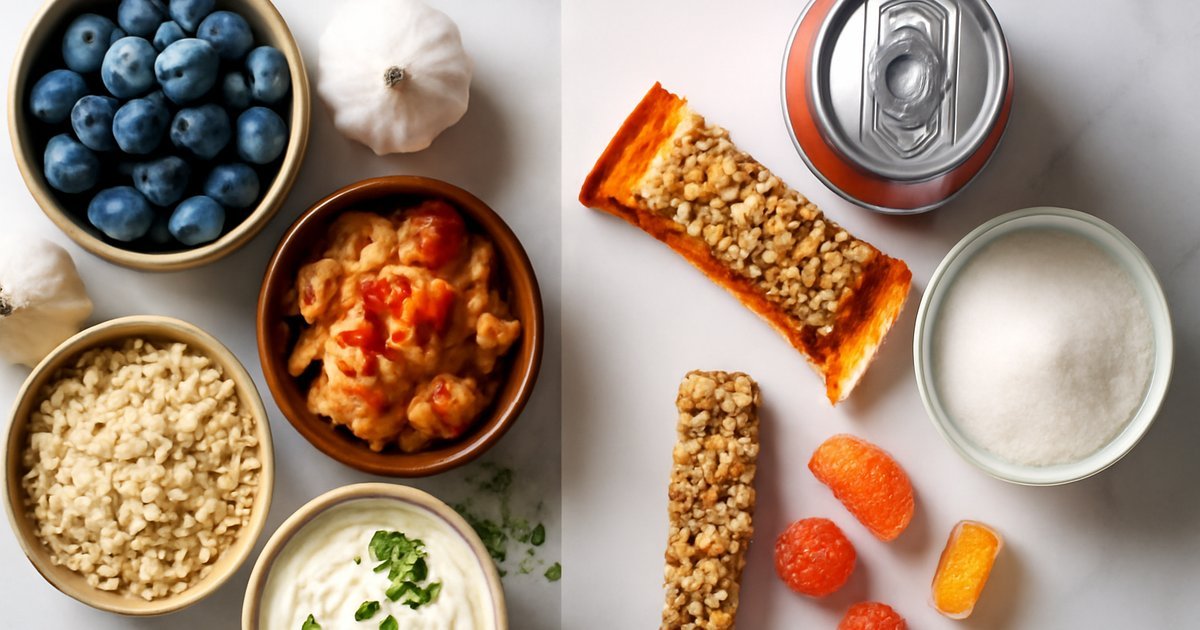
    You’ve been eating "pretty healthy" — but that afternoon soda, the flavored yogurt, the granola bar — they might be quietly wrecking your digestive system.

    Here’s a number that might stop you mid-snack: the average American consumes about 77 grams of added sugar per day — that’s nearly three times the American Heart Association’s recommended limit for women and almost double the limit for men. And while most people connect excess sugar to weight gain or energy crashes, fewer realize what it’s doing deep inside their gut.

    Your gut is home to trillions of microorganisms — bacteria, fungi, and other microbes — that play a direct role in your digestion, immunity, mood, and even metabolism. When sugar intake tips into excess territory, this microbial community doesn’t just get a little out of balance. It can shift in ways that fuel inflammation, digestive discomfort, and long-term health consequences.

    This guide breaks down exactly how sugar disrupts your gut health, what the research says, and — most importantly — practical steps you can take to start restoring balance without going to extremes. You don’t have to live on kale and sparkling water to protect your microbiome. You just need to understand what’s actually happening inside.

    Why Your Gut Microbiome Is More Vulnerable to Sugar Than You Think

    Your gut microbiome isn’t just a passive bystander in digestion — it’s an active ecosystem that directly influences your immune system, brain chemistry, and inflammatory responses. According to the National Institutes of Health, the human gut harbors over 1,000 species of bacteria, and the balance between beneficial and harmful strains is fragile.

    Added sugars — particularly fructose, sucrose, and high-fructose corn syrup — are rapidly fermented by certain bacterial strains in the colon. The problem isn’t fermentation itself; it’s that sugar selectively feeds harmful bacteria and yeasts, particularly Candida albicans and gram-negative bacteria like Proteobacteria, while starving the beneficial strains like Lactobacillus and Bifidobacterium.

    A 2021 study published in Cell found that diets high in sugar and processed foods significantly reduced microbiome diversity within just two weeks — faster than researchers expected. Low diversity is now one of the strongest predictors of digestive dysfunction, systemic inflammation, and even metabolic conditions.

    What makes this particularly relevant to your daily life: it’s not just candy bars and soda doing the damage. Hidden sugars in salad dressings, flavored oatmeal, protein bars, and "healthy" cereals add up quickly — often without any obvious sweet taste to tip you off.

    What Excess Sugar Actually Does to Your Gut — The Science

    Understanding the mechanism helps you take this seriously — and make smarter choices. When you consume high amounts of added sugar consistently, a cascade of events unfolds in your digestive tract.

    Dysbiosis sets in. Dysbiosis is the clinical term for an imbalance in the gut microbiome — too many harmful microbes, not enough beneficial ones. Research published in Nutrients (2020) links chronic high-sugar diets to measurable dysbiosis, characterized by overgrowth of Firmicutes relative to Bacteroidetes — a ratio that has been associated with increased intestinal permeability and low-grade inflammation.

    Intestinal permeability increases. This is often called "leaky gut" in popular health media, but the clinical reality is that excess sugar can weaken the tight junctions between intestinal cells. When that barrier is compromised, bacterial byproducts like lipopolysaccharides (LPS) can enter the bloodstream and trigger systemic inflammation. Harvard Health Publishing notes that this inflammatory process has been linked to a range of conditions beyond gut discomfort, including mood disorders and insulin resistance.

    Beneficial bacteria get crowded out. Strains like Bifidobacterium thrive on fiber — specifically prebiotic fiber — not sugar. When sugar dominates your diet at the expense of fiber-rich foods, these protective strains decline. The Academy of Nutrition and Dietetics has consistently emphasized that dietary diversity — especially adequate fiber intake — is one of the most evidence-supported ways to maintain a healthy microbiome.

    One myth worth busting here: "natural sugars are totally fine in any amount." While whole fruits contain fiber that moderates how their sugars are absorbed, consuming large quantities of fruit juice, agave syrup, or honey still delivers significant fructose loads that can disrupt microbial balance in excess. Context and quantity always matter.

    How to Start Reducing Sugar Without Feeling Deprived

    The goal here isn’t perfection — it’s progress. Drastic elimination rarely sticks, and the stress of rigid dietary rules can itself affect your gut-brain axis negatively. Instead, use a phased approach.

    Step 1 — Audit your hidden sugar intake. Before cutting anything, spend 3 days reading nutrition labels on everything you eat. Look specifically for added sugars (not total sugars, which include naturally occurring ones). The USDA Dietary Guidelines recommend no more than 10% of daily calories from added sugars — about 50 grams on a 2,000-calorie diet. The American Heart Association sets it even lower: 25 grams for women, 36 grams for men.

    Step 2 — Swap strategically, not drastically. Replace flavored yogurts with plain Greek yogurt and add fresh berries. Switch from sweetened granola to rolled oats with cinnamon. Swap bottled salad dressings (often loaded with sugar) for olive oil and vinegar. These small swaps compound quickly.

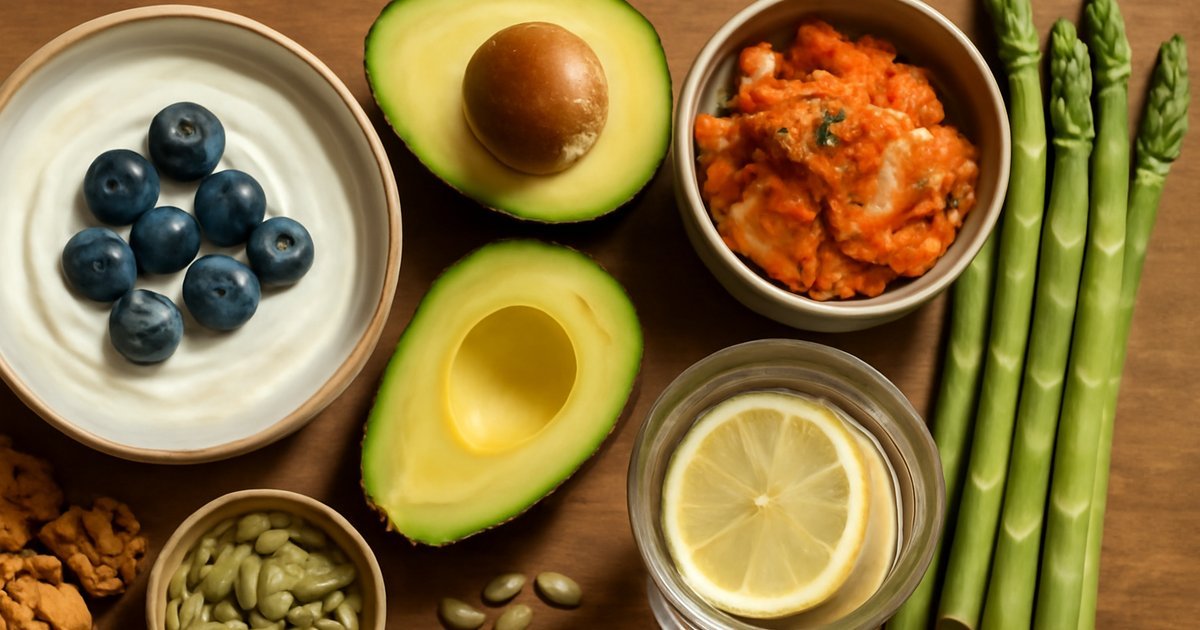
    Step 3 (Intermediate) — Build your prebiotic foundation. As you reduce sugar, actively replace it with prebiotic-rich foods: garlic, onions, leeks, asparagus, green bananas, and oats. These feed the beneficial bacteria that sugar starves. Aim for 25-38 grams of total dietary fiber daily, per USDA guidelines.

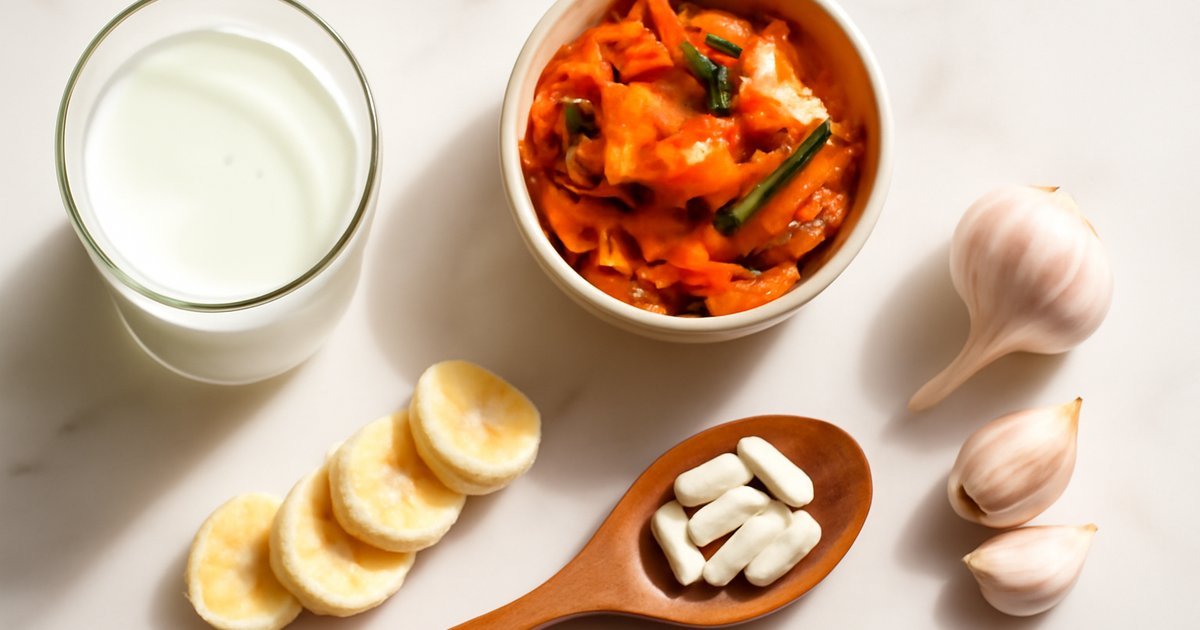
    Step 4 (Advanced) — Incorporate fermented foods. Once your sugar intake is more controlled, add fermented foods like kimchi, sauerkraut, plain kefir, and miso. A landmark 2021 study from Stanford University found that a diet rich in fermented foods increased microbiome diversity and decreased markers of inflammation more significantly than a high-fiber diet alone in short-term trials.

    Common Mistakes That Sabotage Your Gut Recovery

    Even well-intentioned gut health efforts get derailed by a few predictable errors. Here’s what to watch for:

    Mistake 1: Replacing sugar with artificial sweeteners. Many people swap sugar for sucralose, aspartame, or saccharin thinking it’s a neutral trade. It’s not necessarily. A 2022 study in Cell found that certain artificial sweeteners — particularly sucralose and saccharin — altered gut microbiome composition and glucose tolerance in some participants. This doesn’t mean all sweeteners are equally harmful, but assuming they’re gut-neutral is a mistake. Monk fruit and small amounts of stevia appear to be lower-risk options, though research is still evolving.

    Mistake 2: Going too low on carbs to compensate. Eliminating all carbohydrates in an attempt to cut sugar can deprive your gut bacteria of the prebiotic fibers they need. Beneficial bacteria don’t live on protein and fat — they ferment complex carbohydrates. A balanced approach that removes added sugars but preserves whole food carbohydrates is more effective for microbiome health than extreme restriction.

    Mistake 3: Ignoring alcohol’s role. Alcohol is metabolized into sugars and has well-documented disruptive effects on gut bacteria. Research published in the American Journal of Physiology shows that even moderate regular alcohol consumption can reduce Lactobacillus populations and increase intestinal permeability. If you’re actively working to restore gut health, this is a variable worth addressing honestly.

    Mistake 4: Expecting overnight results. Microbiome changes take time. Reducing sugar for one week won’t undo months of imbalance — but it does start moving the needle. Impatience leads people to abandon the effort before meaningful shifts occur.

    What to Eat to Help Your Gut Recover from Sugar Damage

    Rebuilding a healthier microbiome after a high-sugar period requires intentional nutritional support — not just cutting the bad stuff, but adding the right fuel.

    Prioritize prebiotic fiber: Aim for at least one prebiotic-rich food per day. Garlic (1-2 cloves), half a cup of cooked lentils, one medium onion, or a cup of oats are all practical servings. These feed Bifidobacterium and Lactobacillus strains directly.

    Add fermented foods consistently: Half a cup of plain kefir daily, 2-3 tablespoons of sauerkraut, or a small serving of kimchi with meals. According to the Academy of Nutrition and Dietetics, fermented foods deliver live cultures that can help re-establish microbial diversity when consumed regularly.

    Focus on polyphenol-rich foods: Blueberries, dark chocolate (70%+), green tea, and extra-virgin olive oil contain polyphenols that act as prebiotics for beneficial bacteria. A review in Gut Microbes found that polyphenol consumption was associated with increased Bifidobacterium and Lactobacillus counts.

    Don’t underestimate water: Adequate hydration supports the mucosal lining of your intestines and helps beneficial bacteria thrive. The National Academies recommends roughly 3.7 liters (men) and 2.7 liters (women) of total water daily from all sources. For more on hydration and gut function, see our guide on Digestive Enzymes: Do You Really Need Them?

    Reduce ultra-processed foods broadly: Sugar rarely travels alone — it’s typically packaged with refined flours, seed oils, and additives that further stress the gut lining. Targeting ultra-processed foods as a category addresses multiple disruptors at once.

    How Long Until You See Results — and What to Track

    This is where realistic expectations matter. Microbiome changes are measurable but not instantaneous, and results vary significantly based on your baseline diet, stress levels, sleep quality, and medication use (particularly antibiotics).

    1-2 weeks: Many people notice reduced bloating and more regular digestion as sugar fermentation in the colon decreases and fiber intake improves. Energy levels may stabilize as blood sugar fluctuations even out.

    3-4 weeks: Cravings for sweet foods typically decrease as your gut bacteria begin to shift. Research suggests that the gut microbiome influences hunger hormones and neurotransmitters, meaning a healthier gut can actually make it easier to maintain lower-sugar eating over time.

    2-3 months: More substantial shifts in microbiome diversity and inflammatory markers can occur at this timescale, based on dietary intervention studies. Sleep quality and mood may also improve, given the gut-brain connection. If you’re curious about how the gut influences mental well-being, our article on Sleep and Energy: The Healthy Living Guide You Need covers related ground.

    What to track: Bowel regularity, bloating frequency, energy consistency throughout the day, and sugar cravings. You don’t need expensive microbiome testing to notice meaningful improvements — your symptoms are informative signals.

    When to seek help: If digestive symptoms (significant bloating, pain, irregular bowel habits) persist after 4-6 weeks of dietary changes, consult a gastroenterologist or registered dietitian. Persistent symptoms may signal an underlying condition that dietary changes alone won’t resolve. You may also find useful context in our detailed guide on Sustainable Weight Loss: Habits That Actually Stick, which addresses the dietary overlap between metabolic health and gut health.

    Frequently Asked Questions

    Does fruit damage the gut microbiome the way added sugar does?
    Whole fruit is generally not the problem. The fiber in whole fruit slows absorption and feeds beneficial bacteria. The concern is with added sugars, fruit juices (which strip fiber), and high-fructose sweeteners. Two to three servings of whole fruit daily falls well within ranges supported by USDA guidelines and doesn’t pose the same microbiome risks as processed sugar.

    Can I rebuild my gut microbiome after years of high sugar intake?
    Yes — the microbiome is remarkably adaptable. Research consistently shows that dietary changes produce measurable microbial shifts within days to weeks. The longer the imbalance has persisted, the more patient and consistent you’ll need to be, but recovery is genuinely possible at any age.

    Are sugar cravings actually driven by gut bacteria?
    There is growing evidence for this. Certain gut bacteria influence the production of neurotransmitters and hunger-regulating hormones like ghrelin and leptin. A 2017 review in BioEssays proposed that microbes may manipulate host food preferences to favor their own growth. While the science is still developing, it’s a compelling reason to address cravings at the gut level, not just through willpower.

    Is honey better for the gut than refined sugar?
    Honey contains trace polyphenols and some antimicrobial properties, but it still delivers significant fructose and glucose. In small amounts, raw honey may have modest prebiotic effects, but it is not a gut-friendly substitute for large amounts of sugar. Quantity still matters.

    Should I take a probiotic supplement if I’m reducing sugar?
    Probiotic supplements can be helpful as a complement to dietary changes, but they work best when paired with prebiotic-rich foods that support bacterial survival in the gut. Supplements alone, without dietary change, have limited lasting impact. Strain selection also matters — consult a registered dietitian for guidance specific to your situation.

    Small Shifts, Real Results

    Here’s what’s worth holding onto: you don’t have to overhaul everything overnight. The research is clear that even moderate reductions in added sugar — paired with intentional increases in fiber and fermented foods — produce measurable improvements in gut microbial balance and digestive health within weeks.

    Start with one swap today. Read one more label this week. Add one prebiotic food to dinner. These aren’t dramatic gestures — but done consistently, they add up to a fundamentally healthier gut environment that supports everything from digestion to immunity to how you feel on a Tuesday afternoon.

    Your microbiome is listening to every meal. Make the next one count.


    This article is for informational and educational purposes only. The content is not intended to replace professional medical, nutritional, or fitness advice. Always consult a qualified healthcare provider, registered dietitian, or certified fitness professional before starting a new health program or making significant changes to your lifestyle.

    Content reviewed by our wellness editorial team, with references to peer-reviewed research and guidelines from leading health organizations.
  • Digestive Enzymes: Do You Really Need Them?

    Digestive Enzymes: Do You Really Need Them?

    You eat well, you exercise, you drink your water — yet bloating, gas, and that uncomfortable heavy feeling after meals still show up uninvited. Sound familiar?

    Millions of American adults deal with digestive discomfort every single day, and a growing number are turning to digestive enzyme supplements as a potential solution. But here’s the honest truth: most people don’t fully understand what digestive enzymes actually are, what they do, and whether taking them in supplement form makes any real difference.

    This isn’t another vague wellness article that tells you to “support your gut.” This is a practical, science-backed breakdown of digestive enzymes — how they work, who genuinely benefits from them, what the research says, and how to figure out if they’re worth adding to your routine.

    Whether you’re dealing with post-meal bloat, trying to optimize your gut health, or just curious about the supplement aisle buzz, this guide gives you what you actually need to make an informed decision.

    Why Digestive Enzymes Matter More Than You Think

    Your digestive system does something remarkable every time you eat: it breaks down complex food into microscopic nutrients your cells can actually use. Proteins become amino acids. Carbohydrates become simple sugars. Fats become fatty acids. None of this happens automatically — it requires a precise chemical process driven largely by digestive enzymes.

    These enzymes are proteins produced mainly by the pancreas, small intestine, and salivary glands. Without them, even the healthiest meal on the planet would pass through your body largely undigested and unused.

    According to the National Institute of Diabetes and Digestive and Kidney Diseases (NIDDK), digestive enzyme insufficiency is more common than many people realize — and it’s not just a problem for people with diagnosed conditions. Natural enzyme production can decline with age, shift with chronic stress, and be impaired by various health conditions and medications.

    Research published in the journal Gut has shown that even subclinical reductions in enzyme activity — meaning levels that aren’t low enough for a formal diagnosis — can contribute to symptoms like bloating, gas, loose stools, and nutrient malabsorption. These are symptoms millions of people are chalking up to “just how I am” when there may be a more specific underlying reason.

    The connection between digestive enzyme function and overall gut health is also significant. A compromised enzyme environment can alter the gut microbiome by changing which nutrients reach the large intestine — and that, in turn, affects everything from immune function to mood. If you’ve read our guide on dietary fiber and gut health, you already know how tightly interconnected these systems are.

    How Digestive Enzymes Actually Work

    Let’s clear up one of the biggest misconceptions right away: digestive enzymes are not the same as probiotics. Probiotics are live bacteria that support your gut microbiome. Digestive enzymes are proteins that catalyze chemical reactions to break down food. They work in completely different ways, at different stages of digestion.

    Here’s a quick breakdown of the main players:

    • Amylase — Produced in saliva and the pancreas; breaks down carbohydrates and starches into sugars
    • Lipase — Produced mainly by the pancreas; breaks down dietary fats into fatty acids and glycerol
    • Protease (also called proteolytic enzymes) — Produced by the pancreas and stomach; breaks down proteins into amino acids
    • Lactase — Produced in the small intestine; breaks down lactose (the sugar in dairy)
    • Cellulase — Breaks down plant cellulose; humans don’t produce this naturally, which is why gut bacteria play a role in processing plant fiber
    • Alpha-galactosidase — Helps break down oligosaccharides found in beans and cruciferous vegetables — the main culprits behind gas and bloating after those foods

    A common myth is that you can significantly “train” your body to produce more enzymes by eating certain foods. While raw foods do contain trace enzymes, the evidence that they meaningfully supplement your body’s own enzyme output is weak. Cooking does reduce enzyme content in food, but your body compensates through its own production — in healthy individuals.

    A 2022 review in Nutrients found that in individuals with verified enzyme insufficiency, targeted supplementation significantly improved nutrient absorption and reduced GI symptoms. The key phrase there is “verified insufficiency” — results vary considerably depending on baseline enzyme function.

    Who Actually Benefits From Digestive Enzyme Supplements

    This is where practical guidance gets important — because not everyone needs to supplement, and buying a broad-spectrum enzyme product doesn’t guarantee relief.

    You may genuinely benefit from digestive enzyme support if:

    1. You have a diagnosed condition that impairs enzyme production — This includes exocrine pancreatic insufficiency (EPI), Crohn’s disease, cystic fibrosis, or chronic pancreatitis. People with these conditions often require prescription enzyme replacement therapy (PERT), not just OTC supplements.
    2. You’re lactose intolerant — This is one of the clearest, most well-researched use cases. Supplementing with lactase before consuming dairy has strong clinical support. The Academy of Nutrition and Dietetics acknowledges lactase supplements as an effective tool for managing lactose intolerance symptoms.
    3. You experience consistent bloating and gas after eating beans, lentils, or cruciferous vegetables — Alpha-galactosidase (the enzyme in products like Beano) has solid evidence behind it. A clinical trial published in the journal Digestive Diseases and Sciences confirmed it reduces gas production after legume consumption.
    4. You’re over 50 — Research suggests that pancreatic enzyme output tends to decline with age, which may contribute to subtle but cumulative malabsorption over time. Harvard Health Publishing has noted that digestive efficiency generally decreases as we age.
    5. You’ve recently had GI surgery or a serious illness — Any procedure or condition affecting the pancreas, gallbladder, or small intestine can significantly alter enzyme availability.

    Where enzyme supplements are less likely to help:

    If your digestion is otherwise healthy and your discomfort is primarily driven by stress, food sensitivities, gut dysbiosis, or an overly processed diet, enzyme supplements are unlikely to solve the root problem. They work on what’s already entering your gut — not on why your gut is reactive in the first place.

    Common Mistakes That Sabotage Results

    Even people who genuinely need enzyme support often don’t get results because of how they’re using the supplements. These mistakes are extremely common and easy to make.

    Mistake 1: Taking enzymes at the wrong time. Digestive enzymes need to be present in your stomach when food arrives. Taking them 30 minutes before a meal or an hour after means they’re not there when they’re needed. The correct timing is right before or at the very start of your meal — always with food, never on an empty stomach.

    Mistake 2: Choosing a product without matching it to your actual symptoms. Broad-spectrum enzyme blends sound impressive, but if your main issue is lactose intolerance, you need lactase specifically. If beans are your problem, you need alpha-galactosidase. Matching the enzyme to the substrate (the food causing the issue) is fundamental. Using a mismatched product often leads people to conclude that “enzymes don’t work” when the product just wasn’t right for their situation.

    Mistake 3: Expecting enzymes to compensate for a poor diet. If your diet is high in ultra-processed foods, low in fiber, and inconsistent, enzymes won’t fix the underlying disruption to your gut environment. They are a tool, not a solution. Pair any enzyme support with a genuinely gut-supportive diet — more on that below.

    Mistake 4: Ignoring potential interactions with medications. Certain enzyme supplements, particularly bromelain (from pineapple) and papain (from papaya), can interact with blood thinners. If you’re on any medication, check with your healthcare provider before adding digestive enzymes to your routine.

    Mistake 5: Skipping the conversation with your doctor. Persistent digestive symptoms aren’t just uncomfortable — they can be signals of conditions that deserve proper evaluation. Starting supplements before ruling out celiac disease, SIBO (small intestinal bacterial overgrowth), or other treatable conditions is a mistake that can delay real solutions.

    Foods That Support Natural Enzyme Production

    Before reaching for a supplement, it’s worth knowing that several whole foods contain naturally occurring enzymes that can support digestion — and the evidence here is actually reasonable, particularly when these foods are consumed raw or minimally processed.

    Top food sources of digestive enzymes:

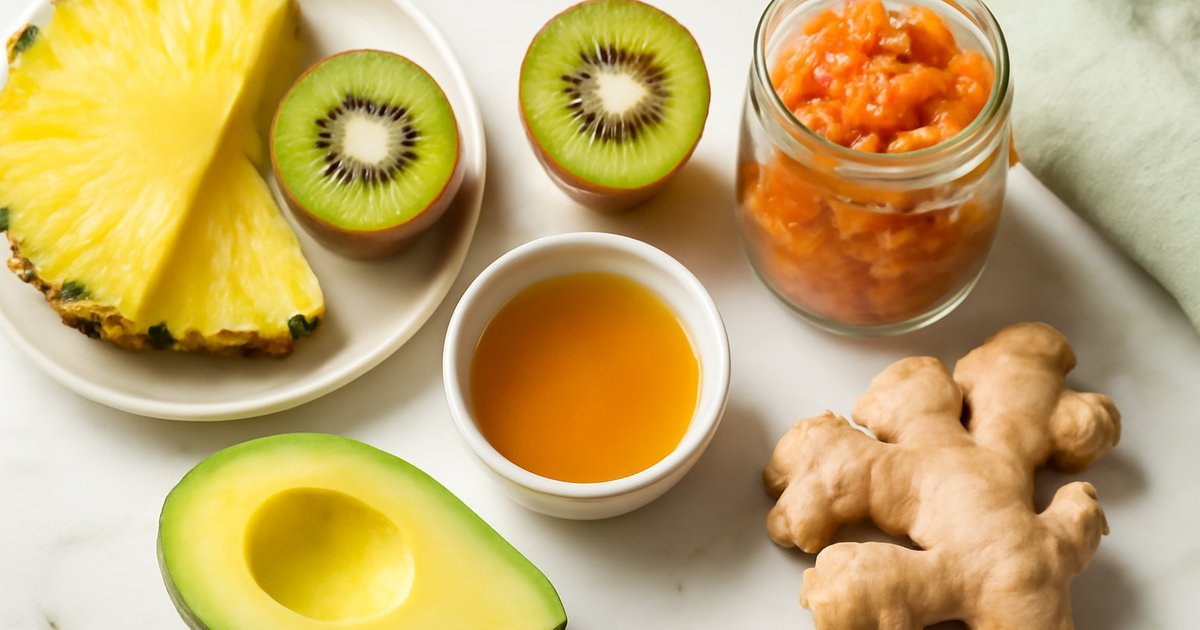
    • Pineapple — Contains bromelain, a protease that helps break down protein. Most effective when eaten fresh, not canned (heat destroys bromelain). A serving of about ½ cup of fresh pineapple provides a meaningful amount.
    • Papaya — Contains papain, another powerful protease. Raw papaya is significantly more potent than ripe, and supplements derived from it are among the more researched options.
    • Kiwifruit — Contains actinidin, a cysteine protease shown in research published in Advances in Food and Nutrition Research to improve protein digestion, particularly for red meat and dairy.
    • Raw honey — Contains amylase and protease, though quantities vary widely. More useful as a general whole-food choice than a therapeutic enzyme source.
    • Fermented foods — Kimchi, sauerkraut, miso, and kefir contain active cultures that produce enzymes as a byproduct of fermentation. These also support the gut microbiome simultaneously — a two-for-one benefit that’s well-supported by the research community.
    • Avocado — Contains lipase, which aids in fat digestion. The USDA Dietary Guidelines already recommend avocados as a healthy fat source, and their enzyme content is a bonus.
    • Ginger — Contains zingibain, a protease. Research from the Journal of Ethnopharmacology has noted ginger’s role in stimulating digestive enzyme activity more broadly.

    Incorporating 2–3 of these foods regularly — especially pairing them with heavier meals — can make a noticeable difference for people with mild enzyme-related discomfort, without the cost or complexity of supplementation.

    How Long Until You Notice a Difference

    If you’re addressing a specific, well-matched enzyme deficiency — like using lactase for lactose intolerance — results can be nearly immediate, within the same meal or the next day. That’s one of the clearest indicators that you’ve found the right solution.

    For broader digestive improvement through dietary changes and general enzyme support, realistic timelines look more like this:

    • 2–4 weeks: Reduction in post-meal bloating and gas frequency, especially if dietary changes are made simultaneously
    • 4–8 weeks: Improvements in bowel regularity and reduced heaviness after meals
    • 8–12 weeks: Potential improvements in energy levels and general well-being, if malabsorption was a contributing factor

    Track these specific signals: bloating frequency and severity (use a simple 1–10 scale in a notes app), bathroom regularity, post-meal energy, and any changes in skin clarity — since gut health and skin health are more connected than most people realize.

    If you’ve made dietary improvements, are consistent with a targeted supplement for 4–6 weeks, and still have significant symptoms, that’s your signal to consult a gastroenterologist. Persistent symptoms deserve proper workup — stool enzyme testing and a full GI evaluation can identify what’s actually going on. Also, if stress is a major factor in your life, know that chronic stress suppresses digestive function significantly, as we covered in our dietary fiber and gut health guide. Managing your nervous system is part of managing your gut.

    Frequently Asked Questions

    Are digestive enzyme supplements safe for long-term use?
    For most healthy adults, OTC digestive enzyme supplements are considered safe for regular use. However, high-dose or long-term use of certain enzymes — particularly proteases — hasn’t been extensively studied in healthy populations. If you’re using them daily for more than a few months, it’s worth checking in with your healthcare provider to make sure you’re addressing root causes rather than managing symptoms indefinitely.

    Can I take digestive enzymes if I have IBS?
    This depends on your IBS subtype and triggers. Some people with IBS-D (diarrhea-predominant) or IBS-C (constipation-predominant) do report relief from specific enzyme combinations, but the research is still limited. A registered dietitian who specializes in GI health can help you identify whether enzyme support makes sense for your specific pattern.

    Is there a difference between plant-based and animal-derived enzyme supplements?
    Yes. Animal-derived enzymes (like pancreatin, derived from porcine or bovine pancreas) tend to be more potent and are often used in prescription formulas for serious conditions. Plant-based enzymes — derived from fungi, papaya, pineapple, and similar sources — are milder and more appropriate for general digestive support. If you follow a plant-based diet, look specifically for vegan-certified enzyme products.

    Do digestive enzymes help with weight management?
    Indirectly, possibly. If enzyme insufficiency is causing malabsorption, improved digestion might help your body more efficiently use the nutrients from food — which can support energy, reduce cravings driven by nutrient gaps, and improve satiety. However, digestive enzymes are not a weight loss tool on their own, and any claims suggesting they directly cause fat loss are not supported by strong clinical evidence.

    What’s the difference between digestive enzymes and stomach acid?
    They work together but aren’t the same thing. Stomach acid (hydrochloric acid) creates the acidic environment needed to activate certain enzymes and kill pathogens. Digestive enzymes do the actual chemical work of breaking down food molecules. Low stomach acid (hypochlorhydria) can actually impair enzyme function — so if you’ve been taking antacids long-term, that’s worth discussing with your doctor.

    The Bottom Line on Digestive Enzymes

    Digestive enzymes are not magic pills — but for the right person with the right match, they can be genuinely helpful tools for improving comfort, nutrient absorption, and overall gut function. The science is clearest for specific enzyme deficiencies: lactase for lactose intolerance, alpha-galactosidase for bean-related bloating, and pancreatic enzymes for diagnosed insufficiency.

    If you’re dealing with general bloating and discomfort, start with what you eat before jumping to supplements. Add pineapple, kiwi, fermented foods, and ginger to your regular rotation. Cut back on ultra-processed foods. Eat slowly and chew thoroughly — that’s not just old advice, it actually activates salivary amylase and signals the rest of your digestive cascade.

    Small, consistent actions compound over time. Your gut doesn’t need a dramatic overhaul — it needs steady, thoughtful support. Take one step today: pick one enzyme-rich food to add to your next meal, and pay attention to how you feel afterward. That simple experiment might tell you more than you expect.


    Wellness Disclaimer: This article is for informational and educational purposes only. The content is not intended to replace professional medical, nutritional, or fitness advice. Always consult a qualified healthcare provider, registered dietitian, or certified fitness professional before starting a new health program or making significant changes to your lifestyle.

    Content reviewed by our wellness editorial team, with references to peer-reviewed research and guidelines from leading health organizations.
  • Dietary Fiber and Gut Health: Your Complete Guide

    Dietary Fiber and Gut Health: Your Complete Guide

    Dietary Fiber and Gut Health: Your Complete Guide

    Most Americans eat less than half the fiber they need every day — and their gut health is quietly paying the price.

    Introduction

    Picture this: you eat what feels like a reasonably healthy diet, you exercise, you drink your water — but you still feel bloated, sluggish, and oddly tired after meals. Sound familiar? If so, you’re not alone. And the culprit might be something most people barely think about: dietary fiber.

    Fiber isn’t exactly a glamorous topic. It doesn’t have the buzz of collagen, the mystique of adaptogens, or the cult following of intermittent fasting. But when it comes to gut health, dietary fiber might be the single most impactful tool available to everyday adults — and most of us are dramatically under-consuming it.

    According to the USDA Dietary Guidelines for Americans, the average US adult consumes only about 15 grams of fiber per day, which is less than half of the recommended 25–38 grams. That gap has real consequences — for your digestion, your microbiome, your immune function, and even your mood.

    In this guide, you’ll learn exactly what dietary fiber does in your gut, why different types matter, how to start eating more of it without feeling miserable, and what realistic results look like. No gimmicks. Just the science, made practical.

    Why Dietary Fiber Matters More Than You Think

    Fiber is often reduced to "the thing that keeps you regular." While that’s true, it massively undersells what fiber actually does inside your body.

    Your gut is home to trillions of bacteria, fungi, and other microorganisms collectively known as the gut microbiome. These microbes don’t just help digest food — they produce compounds that regulate inflammation, communicate with your brain, influence your immune system, and even affect how efficiently your body stores fat.

    Here’s the critical connection: many of your beneficial gut bacteria survive by fermenting dietary fiber. Without enough fiber, those bacteria literally starve — and research shows they may begin feeding on the protective mucus lining of your gut instead. A 2016 study published in the journal Cell Host & Microbe demonstrated exactly this phenomenon in animal models, raising important questions about the consequences of low-fiber diets on gut barrier integrity in humans.

    The Academy of Nutrition and Dietetics notes that adequate fiber intake is associated with reduced risk of cardiovascular disease, type 2 diabetes, colorectal cancer, and obesity. That’s not a small list — it’s essentially a checklist of the most common chronic health concerns facing US adults today.

    Your daily fiber intake isn’t just a digestive issue. It’s a foundation of long-term wellness.

    The Science Behind Fiber: How It Actually Works

    Not all fiber is the same, and understanding the difference helps you make smarter choices.

    Soluble fiber dissolves in water and forms a gel-like substance in your digestive tract. It slows digestion, helps regulate blood sugar, and feeds beneficial bacteria like Bifidobacterium and Lactobacillus species. Good sources include oats, beans, apples, and flaxseeds.

    Insoluble fiber doesn’t dissolve — it adds bulk to stool and speeds transit through the colon. This is the type most directly responsible for bowel regularity. You’ll find it in whole grains, nuts, and the skins of vegetables.

    There’s also a third category gaining scientific attention: prebiotic fiber. This refers to specific types of soluble fiber — like inulin and fructooligosaccharides (FOS) — that selectively feed beneficial bacteria. Foods rich in prebiotic fiber include garlic, onions, leeks, asparagus, and bananas.

    A common myth is that fiber supplements are just as effective as food-based fiber. The reality is more nuanced. Research published in The Lancet in 2019 — which analyzed 185 prospective studies and 58 clinical trials — found that people who ate naturally high-fiber diets had significantly better health outcomes than those taking fiber in supplement form. Whole food sources come packaged with phytonutrients, vitamins, and compounds that work synergistically.

    That said, supplements can be useful tools for specific people in specific situations — more on that shortly.

    One more key mechanism: when gut bacteria ferment fiber, they produce short-chain fatty acids (SCFAs), particularly butyrate, acetate, and propionate. Butyrate is the primary fuel source for colon cells, helps maintain the gut lining, and has been shown to have anti-inflammatory properties. A healthy fiber intake directly supports SCFA production — and your gut’s structural integrity depends on it.

    How to Get Started: Practical Steps for Every Level

    The most important rule about increasing fiber: go slow. Adding too much too fast is the number-one reason people give up on high-fiber eating — and it’s completely avoidable.

    For Beginners (currently eating under 15g/day):

    • Add one high-fiber food to each meal rather than overhauling your entire diet at once.
    • Start with cooked vegetables rather than raw — they’re easier to digest.
    • Swap refined grains for whole grains in one meal per day (white rice → brown rice, white bread → 100% whole wheat).
    • Add a tablespoon of chia seeds or ground flaxseed to your morning yogurt or smoothie. One tablespoon of chia seeds provides about 5 grams of fiber.
    • Increase water intake simultaneously — fiber needs hydration to work properly.

    For Intermediate Eaters (currently at 15–25g/day):

    • Add half a cup of legumes (black beans, lentils, chickpeas) to one meal per day. Half a cup of cooked lentils delivers about 8 grams of fiber.
    • Incorporate prebiotic-rich foods: add raw garlic or onion to sauces, sauté asparagus as a side dish, or slice a slightly unripe banana into your oatmeal.
    • Eat the skins of fruits and vegetables where safe to do so — the skin of an apple contains more fiber than the flesh.
    • Try a weekly "grain bowl" day using farro, quinoa, or barley as your base.

    For Advanced Fiber Eaters (aiming for 35g+ per day):

    • Focus on fiber diversity, not just quantity. Research suggests that eating 30 or more different plant foods per week correlates with a more diverse microbiome, according to findings from the American Gut Project.
    • Rotate your legumes, grains, seeds, and vegetables weekly.
    • Consider tracking fiber intake with a food diary app for a week to identify gaps — most people are surprised by where their blind spots are.

    If you’re interested in how probiotics complement a high-fiber diet, our guide on Probiotics for Gut Health: What Really Works walks through exactly which strains and sources make the biggest difference.

    Common Mistakes That Sabotage Your Fiber Efforts

    These errors are incredibly easy to make — and understanding them is half the battle.

    Mistake 1: Ramping Up Too Quickly
    Going from 10 grams to 35 grams of fiber in a week is a recipe for bloating, gas, cramping, and giving up. Your microbiome needs time to adapt, and your digestive enzymes need time to adjust. Increase your intake by 3–5 grams per week, and be patient. Discomfort is not failure — it’s transition.

    Mistake 2: Not Drinking Enough Water
    Fiber absorbs water as it moves through your digestive tract. Without adequate hydration, fiber can actually worsen constipation rather than relieve it. The Mayo Clinic recommends drinking at least 8 cups of water daily — more if you’re significantly increasing your fiber intake or exercising regularly.

    Mistake 3: Relying on One or Two Sources
    Eating the same fiber sources every day — say, oatmeal every morning and broccoli every night — limits microbial diversity. Different bacteria thrive on different types of fiber. Aim to vary your sources across the week: legumes, whole grains, seeds, fruits, and vegetables each feed different microbial communities.

    Mistake 4: Overlooking Processed "High-Fiber" Foods
    Many processed foods advertise added fiber (usually inulin or chicory root extract), but these isolated fibers aren’t equivalent to whole food fiber and can cause significant GI distress in large amounts. Check labels and prioritize real food sources first, supplements second.

    Mistake 5: Ignoring Digestive Signals
    If you experience persistent bloating, pain, or changes in bowel habits regardless of how slowly you increase fiber, that’s a signal worth discussing with a healthcare provider. Conditions like irritable bowel syndrome (IBS) can make high-fiber eating complicated — and some people with IBS do better with low-FODMAP approaches, which limit certain fermentable fibers. Results vary significantly depending on your baseline gut health.

    What to Eat: Your Fiber-Rich Food Blueprint

    Here’s a practical breakdown of some of the best fiber sources, organized by category. These align with USDA Dietary Guidelines and Academy of Nutrition and Dietetics recommendations.

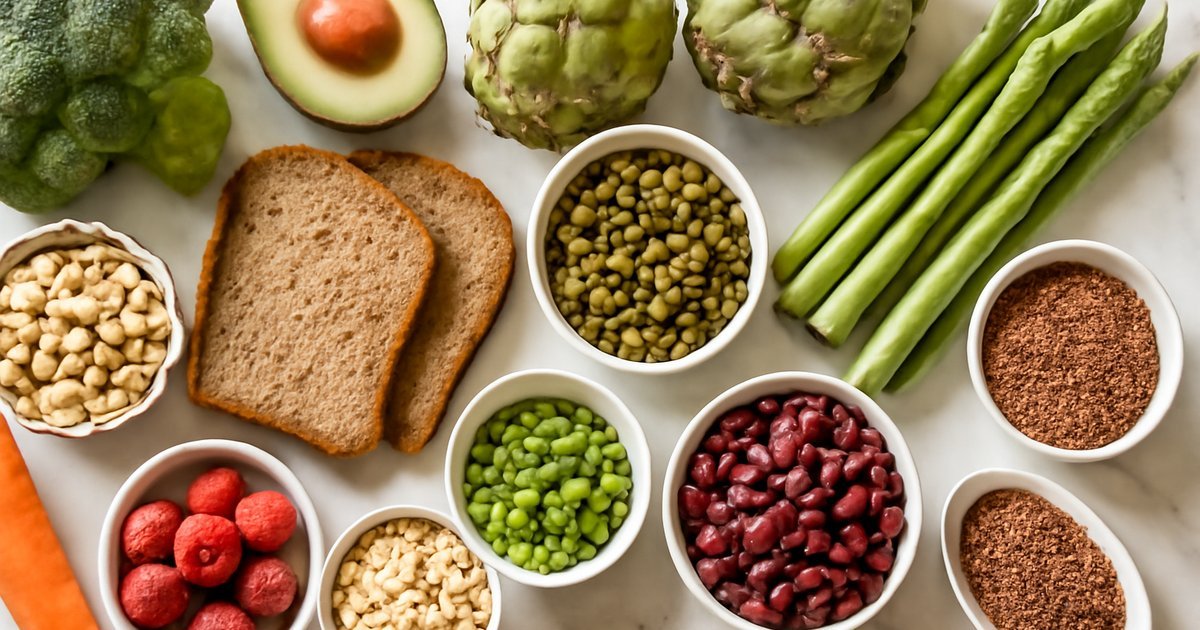
    Legumes (highest fiber density per serving):

    • Cooked lentils — 1 cup: ~16g fiber
    • Cooked black beans — 1 cup: ~15g fiber
    • Cooked chickpeas — 1 cup: ~12g fiber
    • Edamame (shelled) — 1 cup: ~8g fiber

    Whole Grains:

    • Cooked barley — 1 cup: ~6g fiber
    • Oats (dry, rolled) — ½ cup: ~4g fiber
    • Whole wheat pasta — 1 cup cooked: ~6g fiber
    • Popcorn (air-popped) — 3 cups: ~3.6g fiber

    Vegetables:

    • Artichoke (cooked) — 1 medium: ~10g fiber
    • Peas (cooked) — 1 cup: ~9g fiber
    • Broccoli (cooked) — 1 cup: ~5g fiber
    • Brussels sprouts — 1 cup: ~4g fiber

    Fruits:

    • Avocado — ½ fruit: ~5g fiber
    • Raspberries — 1 cup: ~8g fiber
    • Pear (with skin) — 1 medium: ~5.5g fiber
    • Apple (with skin) — 1 medium: ~4.4g fiber

    Seeds & Nuts:

    • Chia seeds — 1 oz (2 tbsp): ~10g fiber
    • Ground flaxseed — 2 tbsp: ~4g fiber
    • Almonds — 1 oz (23 nuts): ~3.5g fiber

    Building your meals around these categories — rather than tracking grams obsessively — is a practical and sustainable approach for most people.

    For a deeper look at how diet intersects with energy and cellular function, check out our article on Mitochondrial Health: The Real Key to Aging Well. The connection between a well-fed microbiome and cellular energy production is more direct than most people realize.

    How Long Until You See Results — and What to Track

    This is where expectations matter. Gut health improvements from fiber happen on a spectrum — some changes are noticeable within days, while others take weeks or months.

    Within 1–2 weeks: Most people notice changes in bowel regularity and consistency. Bloating may temporarily increase as your microbiome adjusts — this is normal and usually subsides.

    Within 3–4 weeks: Energy levels, post-meal heaviness, and general digestive comfort typically begin to improve. Research from the NIH suggests that meaningful shifts in microbiome composition can begin within two to four weeks of consistent dietary changes.

    Within 8–12 weeks: More sustained benefits — including improvements in blood sugar regulation, cholesterol levels, and inflammatory markers — are more likely to become measurable over this timeframe, according to data referenced by Harvard Health Publishing.

    What to track:

    • Bowel consistency (the Bristol Stool Chart is a clinically used reference tool — types 3 and 4 are considered ideal)
    • Frequency of bloating and gas episodes — note patterns, not just presence
    • Energy levels and post-meal fatigue
    • Skin clarity — the gut-skin axis means microbiome changes sometimes show up on your face first
    • Sleep quality — emerging research links microbiome diversity with sleep regulation

    When to seek professional guidance: If you’ve been consistently eating adequate fiber for 6–8 weeks and still experience persistent bloating, pain, alternating constipation and diarrhea, or unexplained weight changes, consult a gastroenterologist or registered dietitian. These symptoms may point to conditions that require individualized management beyond dietary changes alone.

    Frequently Asked Questions

    Can eating more fiber help me lose weight?
    Fiber can support weight management by increasing satiety, slowing digestion, and reducing post-meal blood sugar spikes — which may help curb cravings. A 2015 study published in the Annals of Internal Medicine found that simply adding more fiber to your diet (without other changes) led to meaningful weight loss over 12 months. However, fiber is a tool, not a solution — and results vary significantly depending on overall diet and lifestyle.

    Is psyllium husk a good fiber supplement?
    Psyllium husk is one of the most well-researched fiber supplements and is often recommended by the Mayo Clinic and other institutions for both constipation and cholesterol management. It’s predominantly soluble fiber and generally well-tolerated when taken with plenty of water. That said, it’s best used to complement a food-based fiber strategy, not replace it.

    Does cooking destroy fiber?
    Not significantly. Cooking can soften fiber and slightly reduce some types, but the overall fiber content of most vegetables, legumes, and grains remains largely intact after cooking. In fact, cooked legumes are often easier on the digestive system than raw ones, making them a better starting point if your gut is sensitive.

    Can I eat too much fiber?
    Yes — though for most Americans, it’s a rare problem. Extremely high fiber intake (above 70g per day) can interfere with the absorption of certain minerals like calcium, zinc, and iron. It can also cause significant GI distress. Stick to the recommended range of 25–38 grams per day unless otherwise directed by a healthcare provider.

    What about fiber and the gut-brain connection?
    This is an active and fascinating area of research. SCFAs produced from fiber fermentation can influence the vagus nerve and impact neurotransmitter production, including serotonin — about 90% of which is produced in the gut. While the research is still evolving, adequate fiber intake appears to be one pillar of supporting the gut-brain axis.

    Conclusion

    Here’s the honest truth: you don’t need a radical overhaul to transform your gut health through fiber. You need consistency, patience, and a willingness to diversify what’s on your plate.

    Start with one simple change today — add half a cup of lentils to your lunch, swap your white bread for whole grain, or throw a tablespoon of chia seeds into your morning routine. Small, repeatable shifts compound over time in ways that dramatic 30-day challenges rarely do.

    Your gut bacteria are ready to respond. The science is clear. And now you have the roadmap.

    Take one step. Build on it. And trust the process.


    This article is for informational and educational purposes only. The content is not intended to replace professional medical, nutritional, or fitness advice. Always consult a qualified healthcare provider, registered dietitian, or certified fitness professional before starting a new health program or making significant changes to your lifestyle.

    Content reviewed by our wellness editorial team, with references to peer-reviewed research and guidelines from leading health organizations.
  • Probiotics for Gut Health: What Really Works

    Probiotics for Gut Health: What Really Works

    Probiotics for Gut Health: What Really Works

    You’ve seen the yogurt commercials, stared at rows of supplements at the pharmacy, and maybe even tried a few — but do probiotics actually do anything meaningful for your gut?

    Here’s a number that might surprise you: according to the National Institutes of Health, the human gut houses an estimated 38 trillion microbial cells — more than the total number of human cells in your entire body. That community of bacteria, fungi, and other microorganisms is called your gut microbiota, and keeping it balanced is one of the most powerful things you can do for your overall health.

    Probiotics — live microorganisms that, when consumed in adequate amounts, provide a health benefit — have gone from a niche wellness topic to a multi-billion-dollar industry. But with so many products, strains, and claims flooding the market, it’s genuinely hard to know what’s real and what’s just clever marketing.

    This guide cuts through the noise. You’ll learn exactly what probiotics are, which strains have the strongest research behind them, how to use them effectively, and what common mistakes people make that cancel out any potential benefit. No hype — just what the science actually says.

    Why Gut Health Matters More Than You Think

    Most people connect the gut to digestion — and that’s fair. But the gut’s influence extends far beyond breaking down food. Research now links the state of your gut microbiome to immune function, mood regulation, skin health, metabolism, and even cardiovascular outcomes.

    A 2019 review published in the journal Cell found that gut microbial diversity is one of the strongest predictors of long-term health across multiple body systems. When diversity drops — due to poor diet, antibiotics, chronic stress, or lack of sleep — the gut becomes more vulnerable to inflammation, permeability issues, and opportunistic pathogens.

    According to the American Gastroenterological Association, an estimated 60 to 70 million Americans are affected by digestive diseases annually. And that doesn’t account for the millions more who deal with subclinical symptoms: bloating, irregular bowel habits, low energy after meals, or a general sense of not feeling well in their gut.

    The gut is also your largest immune organ — roughly 70 percent of your immune system resides there, according to Harvard Health Publishing. When your gut microbiota is out of balance, your immune response can become dysregulated, contributing to chronic inflammation that quietly affects the whole body.

    For a deeper look at how your gut communicates with your brain and stress response, this breakdown on Chronic Stress and Cortisol is worth reading — because the two systems are more intertwined than most people realize.

    The Science Behind Probiotics: How They Actually Work

    Probiotics aren’t magic pills. They work by competing with harmful bacteria for space and resources in the gut lining, producing short-chain fatty acids and other compounds that support the intestinal barrier, and modulating immune signaling. The key word in the clinical definition is adequate amounts — not all probiotic products contain enough live organisms to make a difference.

    The most well-researched probiotic genera are Lactobacillus and Bifidobacterium. Within these genera, specific strains — identified by a full name like Lactobacillus acidophilus NCFM or Bifidobacterium longum 35624 — have been studied for targeted benefits. This is where many people go wrong: assuming that any probiotic will do any job.

    One common myth is that more is always better. A product with 100 billion CFUs (colony-forming units) isn’t automatically superior to one with 10 billion. What matters is whether those CFUs are the right strain for your goal, whether they survive the acidic environment of the stomach, and whether they reach the colon alive.

    A landmark meta-analysis published in JAMA found significant strain-specific differences in outcomes. Lactobacillus rhamnosus GG, for example, showed consistent evidence for reducing antibiotic-associated diarrhea, while Bifidobacterium infantis 35624 showed more meaningful results for IBS-related bloating and discomfort. These are not interchangeable.

    If you’ve explored topics like Leaky Gut Syndrome, you already know how the integrity of the intestinal lining plays a central role in gut health — and certain probiotic strains directly support that barrier function.

    How to Get Started With Probiotics: Practical Steps

    Whether you’re brand new to probiotics or you’ve dabbled without clear results, here’s a strategic approach based on what the research actually supports.

    Step 1: Identify your goal. Probiotics aren’t one-size-fits-all. Are you dealing with post-antibiotic gut disruption? Chronic bloating? Irregular digestion? General maintenance? Your goal determines which strain or combination makes sense.

    Step 2: Choose strain-specific products. Look for labels that list the full strain name (genus, species, and alphanumeric strain code). If a label just says "Lactobacillus blend," it’s harder to verify what research, if any, applies to that product.

    Step 3: Check CFU count and delivery method. Aim for products with 5 to 30 billion CFUs for general gut support — within ranges studied in clinical trials. Look for enteric-coated capsules or verified shelf-stable formulations, which better protect live bacteria from stomach acid.

    Step 4: Add fermented foods alongside supplements. Whole food sources of probiotics — plain yogurt with live cultures, kefir, kimchi, sauerkraut, miso, tempeh — provide live organisms alongside fiber and nutrients that support microbial diversity in ways that supplements alone don’t replicate. The Academy of Nutrition and Dietetics recommends including fermented foods as part of a balanced dietary pattern.

    Beginner option: Start with one serving of plain kefir or yogurt daily and a basic single-strain supplement like Lactobacillus acidophilus. Give it four to six weeks before evaluating.

    Intermediate option: Add two to three fermented food servings per week alongside a multi-strain supplement (look for both Lactobacillus and Bifidobacterium strains). Track digestive symptoms in a simple journal.

    Advanced option: Work with a registered dietitian to identify specific strains based on your symptom profile. Some practitioners now use microbiome testing to personalize probiotic choices, though the clinical utility of consumer-grade tests is still evolving.

    Common Mistakes That Sabotage Probiotic Results

    It’s easy to spend money on probiotics and feel like nothing happened — often because of avoidable errors in how they’re selected or used.

    Mistake 1: Choosing the wrong strain for your goal. This is the most common and most costly error. Someone buying a probiotic marketed for "immune support" when they actually struggle with bloating and IBS may be using a strain with little to no evidence for their specific concern. Research your strain, not just the brand.

    Mistake 2: Expecting results in a few days. Most research on probiotic efficacy measures outcomes at four to eight weeks of consistent use. If you try a product for a week, feel no dramatic change, and quit, you’ve likely not given it enough time to colonize and produce measurable effects. Consistency is non-negotiable.

    Mistake 3: Ignoring prebiotic support. Probiotics are live organisms — they need to eat. Prebiotics (non-digestible fibers found in foods like garlic, onions, leeks, asparagus, oats, and bananas) feed beneficial bacteria and dramatically improve probiotic survival and function. Taking a probiotic while eating a low-fiber diet is like planting seeds in dry concrete.

    Mistake 4: Storing probiotics incorrectly. Many probiotic strains are sensitive to heat and moisture. Leaving a refrigerated probiotic on a warm counter for weeks can significantly reduce viable CFU counts. Always follow storage instructions — and check that the CFU count listed is guaranteed at the expiration date, not just at manufacturing.

    Mistake 5: Expecting probiotics to compensate for a poor diet. No supplement overrides a diet high in ultra-processed foods, refined sugar, and low fiber. The USDA Dietary Guidelines consistently emphasize dietary patterns as the foundation — probiotics work best as a complement to whole food choices, not a substitute.

    What to Eat to Support Probiotic Effectiveness

    Probiotics thrive in a gut environment that’s rich in diverse fiber and low in the compounds that disrupt microbial balance. Here’s what to prioritize — and what to pull back on.

    Eat more of:

    • Fermented foods: Plain yogurt (look for "live and active cultures" on the label), kefir (8–12 oz daily is a common studied intake), kimchi, sauerkraut, miso, and tempeh. Aim for at least one serving per day.
    • Prebiotic-rich vegetables and fruits: Garlic, onions, leeks, asparagus, artichokes, green bananas, and oats. Even half a cup of cooked oats provides meaningful beta-glucan fiber.
    • Diverse plant foods: Research from the American Gut Project (published in mSystems) found that people who consumed 30 or more different plant foods per week had significantly higher gut microbial diversity than those eating 10 or fewer.
    • Polyphenol-rich foods: Blueberries, dark chocolate (70 percent cacao or higher), green tea, and extra-virgin olive oil feed beneficial bacteria and have anti-inflammatory effects in the gut.

    Reduce or minimize:

    • Ultra-processed foods: Emulsifiers like carboxymethylcellulose and polysorbate-80 (common in packaged snacks and dressings) have been shown in animal studies to disrupt the mucosal layer of the gut.
    • Excessive alcohol: Even moderate chronic alcohol intake alters microbial composition and increases intestinal permeability, according to research published in Alcohol Research: Current Reviews.
    • High added sugar intake: Feeds pathogenic bacteria and yeasts while suppressing beneficial strains. The American Heart Association recommends no more than 25 grams of added sugar per day for women and 36 grams for men.

    How Long Until You See Results — and What to Track

    Realistic timelines matter. If you go in expecting overnight changes, you’ll quit too early — and miss real improvements that develop gradually.

    Weeks 1–2: Some people notice initial GI changes — either an improvement in regularity or, temporarily, some extra gas as the gut microbiome adjusts. This is generally normal and settles down. A 2021 review in Nutrients noted that early digestive adjustments are common within the first two weeks of starting probiotics.

    Weeks 3–6: This is typically when more consistent improvements in bloating, bowel regularity, and general digestive comfort become noticeable. If you’re using probiotics for antibiotic recovery, most studies show meaningful restoration of microbial populations within four to six weeks post-antibiotic course.

    Weeks 8–12: For goals like immune support, mood stabilization via the gut-brain axis, or managing IBS symptoms, the most robust clinical studies run for eight to twelve weeks before measuring primary outcomes. Results vary significantly based on your baseline microbiome, diet, sleep quality, and stress levels.

    What to track: Keep a simple daily log noting bloating frequency and intensity (rate 1–5), bowel movement consistency (the Bristol Stool Chart is a useful clinical reference), energy after meals, and any digestive discomfort. Patterns over weeks are more meaningful than day-to-day fluctuations.

    When to reassess: If you’ve been consistent for eight weeks with no noticeable change, consult a registered dietitian or gastroenterologist. There may be an underlying issue — like SIBO (small intestinal bacterial overgrowth) — where certain probiotics can actually worsen symptoms and a different clinical approach is needed.

    Frequently Asked Questions

    Can I take probiotics every day long-term?
    For most healthy adults, daily probiotic use from food or supplements appears safe with no known long-term risks. However, individuals with compromised immune systems, serious illness, or recent surgery should consult a physician before starting any probiotic regimen. The Mayo Clinic notes that probiotics are generally well-tolerated in healthy populations over extended periods.

    Should I take probiotics with food or on an empty stomach?
    This depends on the strain. Some strains, including Lactobacillus species, survive better when taken with a meal containing some fat, which buffers stomach acid. Others are formulated to be taken on an empty stomach. Always follow the product’s specific guidance and look for enteric-coated capsules for better acid resistance regardless of timing.

    Do probiotics help with weight loss?
    The evidence here is preliminary and far from conclusive. Some studies suggest certain strains — particularly Lactobacillus gasseri — may modestly reduce belly fat in specific populations, but the effect sizes are small and highly variable. Probiotics are not a weight management strategy on their own. Results vary significantly depending on diet, activity level, and individual metabolic factors.

    Are expensive probiotics always better?
    Not necessarily. Price reflects brand, marketing, and sometimes refrigeration logistics — not always clinical efficacy. What matters is strain specificity, CFU viability at expiration, and third-party testing. Look for products verified by NSF International, USP, or ConsumerLab for quality assurance, regardless of price point.

    Can probiotics help with anxiety or mood?
    Emerging research on the gut-brain axis is genuinely exciting here. A 2019 study published in Frontiers in Psychiatry found that multi-strain probiotic supplementation over eight weeks was associated with modest reductions in self-reported anxiety and depressive symptoms in healthy adults. However, this is a developing field — probiotics should not replace evidence-based mental health treatment, but may serve as a supportive adjunct. Always work with a qualified provider if anxiety or mood is a primary concern.

    Start Simple, Stay Consistent

    You don’t need a 50-strain supplement or a refrigerator full of expensive kefir to meaningfully support your gut. The research is clear on one thing above all else: consistency with a few well-chosen strategies beats sporadic attempts at the perfect protocol.

    Start with one fermented food daily. Choose a probiotic with a named strain matched to your specific concern. Add more plant diversity to your plate and reduce the ultra-processed foods that work against your gut. And give it time — because a healthier gut microbiome is built over weeks and months, not days.

    Your gut is one of the most dynamic and responsive systems in your body. Small, consistent inputs produce real, measurable shifts — and those shifts ripple outward into energy, immunity, mood, and beyond. Today is a good day to start.


    This article is for informational and educational purposes only. The content is not intended to replace professional medical, nutritional, or fitness advice. Always consult a qualified healthcare provider, registered dietitian, or certified fitness professional before starting a new health program or making significant changes to your lifestyle.

    Content reviewed by our wellness editorial team, with references to peer-reviewed research and guidelines from leading health organizations.
  • Leaky Gut Syndrome: What It Is and How to Heal It

    Leaky Gut Syndrome: What It Is and How to Heal It

    Leaky Gut Syndrome: What It Is and How to Heal It

    You eat well, exercise regularly, and still feel bloated, foggy, and exhausted — your gut lining might be the missing piece.

    The Gut Wall Nobody Talks About

    You’ve probably heard the phrase "you are what you eat," but the more accurate version might be "you are what your gut actually absorbs." And if that gut lining is compromised, you could be eating all the right foods and still not getting the benefit — while quietly letting things in that your body was never meant to process.

    That’s the core idea behind leaky gut syndrome, a topic that has moved from fringe wellness circles into legitimate clinical conversations over the past decade. And yet there’s still enormous confusion about what it actually is, what causes it, and whether it can truly be reversed.

    According to research published in Frontiers in Immunology, increased intestinal permeability — the clinical term for leaky gut — is associated with a wide range of conditions, from inflammatory bowel disease to metabolic syndrome. But even if you don’t have a diagnosed condition, a compromised gut barrier can quietly affect your energy, immunity, skin, and mood.

    In this guide, you’ll get a clear, evidence-based breakdown of what leaky gut is, how it develops, and — most importantly — what you can actually do about it starting today.

    Why Gut Permeability Matters More Than You Think

    Your intestinal lining is only one cell thick. That’s it — a single layer of epithelial cells standing between your bloodstream and everything you consume. These cells are held together by tight junction proteins that act like microscopic gatekeepers, deciding what gets in and what stays out.

    When those tight junctions weaken or break down, the gut becomes "leaky" — allowing partially digested food particles, bacterial byproducts, and other substances to slip into the bloodstream. The immune system, sensing foreign invaders, launches an inflammatory response. When that process becomes chronic, the effects ripple throughout the entire body.

    Research published in the Journal of Clinical Gastroenterology found that increased gut permeability is closely linked to systemic inflammation, which in turn is a driver of conditions ranging from type 2 diabetes to autoimmune disorders. Meanwhile, Harvard Health Publishing has noted that scientists are increasingly connecting gut barrier health to mental health outcomes — including anxiety and depression.

    For everyday adults, this means that symptoms like persistent bloating, skin flare-ups, brain fog, fatigue, and frequent illness may have a gut-lining connection that’s worth investigating — even when standard lab tests come back normal.

    The Science Behind Leaky Gut: How It Actually Works

    Let’s clear up a common myth first: leaky gut is not a made-up wellness buzzword. The term "intestinal hyperpermeability" is used in peer-reviewed gastroenterology research, and the mechanisms behind it are well-documented.

    The gut lining is reinforced by a mucus layer, beneficial bacteria, and immune cells — all working in concert to protect the barrier. When that ecosystem is disrupted, tight junction proteins like occludin and claudin begin to degrade. This is not a sudden event; it happens gradually under the pressure of chronic stressors.

    A landmark study in the journal Gut identified several primary drivers of tight junction dysfunction: chronic psychological stress, prolonged use of nonsteroidal anti-inflammatory drugs (NSAIDs), high sugar and ultra-processed food diets, alcohol consumption, and dysbiosis — an imbalance in the gut microbiome.

    It’s worth noting that leaky gut exists on a spectrum. A mildly permeable gut barrier may cause subtle, non-specific symptoms. A significantly compromised one can contribute to more serious inflammatory or autoimmune conditions. Results and severity vary significantly depending on your baseline health, genetics, and lifestyle factors.

    One important distinction: leaky gut is more accurately described as a mechanism — a physiological state — rather than a standalone diagnosis. It frequently co-occurs with other gut conditions, and addressing gut barrier health is increasingly seen as part of a comprehensive approach to digestive wellness.

    For a deeper look at how your gut and brain are constantly communicating through this barrier, The Gut-Brain Connection: Fueling Your Mood & Mind offers an excellent companion read.

    How to Start Healing Your Gut Lining: Practical Steps

    The encouraging news is that the gut lining regenerates. Intestinal epithelial cells turn over every three to five days, which means the body is always in repair mode — you just need to give it the right conditions to do so effectively.

    Step 1: Remove the primary triggers
    Before adding anything, reduce what’s causing damage. The biggest offenders, according to the Academy of Nutrition and Dietetics, include ultra-processed foods high in refined sugar and industrial seed oils, excessive alcohol, and frequent NSAID use (always consult your doctor before changing any medication).

    Step 2: Feed your gut bacteria intentionally
    A diverse, plant-rich diet supports the beneficial bacteria that protect your gut lining. The USDA Dietary Guidelines recommend 25-38 grams of dietary fiber per day — yet most American adults consume fewer than 15 grams. Closing that gap is one of the most impactful moves you can make.

    Step 3: Add fermented foods
    Plain yogurt with live cultures, kefir, sauerkraut, kimchi, and miso introduce beneficial bacteria directly to your gut. A 2021 study published in Cell (Stanford Medicine) found that a high-fermented-food diet significantly increased microbiome diversity and reduced markers of immune activation — both relevant to gut barrier health.

    Intermediate step: Targeted gut-supportive nutrients
    L-glutamine, an amino acid, is one of the primary fuel sources for intestinal cells and has been studied for its role in maintaining tight junction integrity. Zinc is another nutrient that supports mucosal repair, with the NIH noting its involvement in epithelial cell function. Discuss supplementation with a healthcare provider before starting.

    Advanced step: Consider working with a registered dietitian
    If symptoms persist despite dietary changes, a registered dietitian (RD) specializing in gut health can run a comprehensive assessment, including stool testing and elimination protocols tailored to your specific profile.

    Common Mistakes That Sabotage Gut Healing

    Most people who try to address leaky gut hit the same roadblocks. These are easy traps to fall into — knowing them in advance puts you miles ahead.

    Mistake 1: Jumping straight to supplements without fixing the diet
    Gut-support supplements like probiotics and L-glutamine can be helpful, but if you’re still consuming a high-sugar, low-fiber diet with frequent alcohol, you’re essentially bailing water from a sinking boat. The foundation always starts with food. Supplements are supportive tools, not substitutes.

    Mistake 2: Ignoring chronic stress
    This one is consistently underestimated. The American Psychological Association has documented that chronic psychological stress directly affects gut motility, microbiome composition, and intestinal permeability. If you’re eating perfectly but running on cortisol all day, your gut lining will reflect that. Stress management isn’t optional — it’s part of the gut healing protocol. Practices like breathwork and mindfulness have shown measurable effects on gut function; Mindfulness for Stress: Practical Steps That Actually Work is a great place to start.

    Mistake 3: Expecting results in days
    Gut lining repair is a gradual process. People often make dietary changes for one or two weeks, feel a mild improvement, and then revert to old habits — or abandon the effort entirely when they don’t see dramatic results. Research suggests meaningful improvements in gut permeability and microbiome diversity typically take 8 to 12 weeks of consistent effort.

    Mistake 4: Overdoing fiber too fast
    Dramatically increasing fiber intake overnight can cause gas, bloating, and discomfort — which often leads people to abandon the effort. Instead, increase fiber intake by 3-5 grams per week, and drink more water alongside it. Proper hydration is essential for fiber to do its job effectively; if you’re unsure about your water intake, How Much Water Should You Really Drink Each Day? has you covered.

    What to Eat (and What to Avoid) for Gut Barrier Health

    Your daily food choices have a direct, measurable impact on gut barrier integrity. This isn’t about restriction — it’s about building a plate that supports repair and diversity.

    Prioritize these foods:

    • Prebiotic-rich vegetables: garlic, onions, leeks, asparagus, and Jerusalem artichokes feed beneficial bacteria. Aim for at least 2-3 servings daily.
    • Colorful produce: polyphenols in berries, dark leafy greens, and red cabbage have been shown to reduce intestinal inflammation. Target 5+ servings per day across colors.
    • Fermented foods: 1-2 servings daily of plain kefir, yogurt with live cultures, kimchi, or sauerkraut — without added sugar.
    • Omega-3 fatty acids: wild-caught salmon, sardines, walnuts, and flaxseed support anti-inflammatory pathways in the gut. The Academy of Nutrition and Dietetics recommends at least 2 servings of fatty fish per week.
    • Bone broth: contains collagen and glutamine, which may support mucosal repair — though clinical evidence is still emerging.
    • Zinc-rich foods: pumpkin seeds, legumes, grass-fed beef, and oysters support epithelial cell turnover.

    Minimize or avoid:

    • Refined sugar and high-fructose corn syrup (feeds pathogenic bacteria, promotes dysbiosis)
    • Ultra-processed snack foods and fast food (high in emulsifiers that have been shown to disrupt the mucus layer)
    • Alcohol (directly toxic to intestinal epithelial cells and shown to raise zonulin, a protein linked to tight junction loosening)
    • Artificial sweeteners in excess — early research suggests some may negatively alter microbiome composition, though findings are still developing

    How Long Until You See Results — and What to Track

    Gut healing is not a weekend project, and setting realistic expectations is critical to staying consistent.

    Based on available research, here’s a general timeline:

    • Weeks 1-2: Bloating and gas often begin to shift as you reduce processed foods and increase fiber gradually. Energy fluctuations are common as the microbiome adjusts.
    • Weeks 3-6: Bowel regularity tends to improve. Some people notice clearer skin, improved sleep quality, and reduced afternoon energy crashes.
    • Weeks 8-12: More meaningful changes in systemic inflammation markers, immune response, and mood stability may become apparent — especially when dietary changes are paired with stress reduction and adequate sleep.

    What to track:

    • Digestive symptom frequency: bloating, gas, irregularity (track in a simple daily journal)
    • Energy levels — note patterns across the day
    • Skin clarity and any inflammatory skin conditions
    • Frequency of illness or immune reactions
    • Mood and mental clarity (these are often early responders to gut changes)

    If you’ve made consistent dietary and lifestyle changes for 12 weeks with minimal improvement, consult a gastroenterologist or registered dietitian. Some cases of increased gut permeability are connected to underlying conditions — including celiac disease, Crohn’s disease, or SIBO — that require targeted clinical intervention.

    Frequently Asked Questions

    Is leaky gut a real medical diagnosis?
    Increased intestinal permeability is a real, measurable physiological state studied extensively in gastroenterology research. However, "leaky gut syndrome" as a standalone diagnosis is not currently recognized in standard clinical practice. Most conventional physicians address it in the context of an underlying condition. That said, the mechanisms involved are scientifically valid and increasingly taken seriously in integrative and functional medicine settings.

    What are the most common symptoms of a leaky gut?
    Symptoms vary widely, which makes leaky gut tricky to identify without professional evaluation. Common indicators include chronic bloating, irregular bowel movements, food sensitivities, fatigue, brain fog, frequent colds, skin issues like eczema, and joint discomfort. None of these are exclusive to gut permeability issues — which is why professional assessment matters.

    Can probiotics alone heal a leaky gut?
    Probiotics can support gut microbiome diversity and help modulate immune responses, but they are unlikely to reverse leaky gut on their own. Research in the Journal of Nutrition suggests that probiotics work best when paired with a high-fiber diet that feeds those beneficial bacteria. Think of probiotics as one tool in a broader strategy — not a standalone fix.

    Does gluten cause leaky gut?
    In people with celiac disease, gluten triggers a confirmed immune-mediated response that damages the intestinal lining. For non-celiac individuals, the evidence is more nuanced. Some research suggests gliadin (a gluten protein) can trigger zonulin release — temporarily increasing gut permeability — even in people without celiac disease. However, the clinical significance of this in otherwise healthy adults is still being debated. If you suspect gluten sensitivity, work with a doctor rather than self-diagnosing.

    Should I take L-glutamine for gut healing?
    L-glutamine has legitimate research behind it as a fuel source for intestinal cells and has been studied in clinical settings for gut mucosal repair — particularly in patients with inflammatory bowel conditions. For otherwise healthy adults, the evidence is promising but not definitive. The typical range studied is 5-10 grams per day, but dosing should be discussed with a qualified healthcare provider, especially if you have any underlying health conditions.

    Start Small, Stay Consistent

    Healing your gut lining doesn’t require an extreme protocol or an expensive supplement stack. It requires consistency, patience, and a willingness to make gradual, sustainable shifts in your daily habits.

    The most impactful thing you can do today is simple: add one prebiotic food and one fermented food to your meals, and start reducing your refined sugar intake by half. That’s it. Build from there, week by week.

    Your gut is remarkably resilient — it’s rebuilding itself around the clock. Give it the environment it needs, and the results compound in ways that go far beyond digestion — better energy, sharper focus, stronger immunity, and a more stable mood.

    Small, consistent steps don’t just beat perfection — they’re the only thing that actually lasts.


    Wellness Disclaimer: This article is for informational and educational purposes only. The content is not intended to replace professional medical, nutritional, or fitness advice. Always consult a qualified healthcare provider, registered dietitian, or certified fitness professional before starting a new health program or making significant changes to your lifestyle.

    Content reviewed by our wellness editorial team, with references to peer-reviewed research and guidelines from leading health organizations.
  • The Gut-Brain Connection: Fueling Your Mood & Mind

    The Gut-Brain Connection: Fueling Your Mood & Mind

    Ever felt "gut feelings" about important decisions, or noticed stress ties your stomach in knots? It’s not just a figure of speech; your gut and brain are in constant, complex communication.

    In our fast-paced world, it’s easy to overlook the subtle yet profound links between different systems in our body. We often treat our physical and mental health as separate entities, but increasingly, science reveals they are deeply intertwined. One of the most fascinating examples of this holistic connection is the gut-brain axis — a sophisticated communication network that links your digestive system directly to your central nervous system.

    Many of us experience digestive discomfort when stressed, or find our mood dips when our stomach feels off. These aren’t coincidences. The gut-brain connection explains why your diet can influence your mental clarity, and why managing stress can ease digestive woes. Understanding this link isn’t about dissecting complex biology; it’s about empowering you with practical, science-backed strategies to feel better, think clearer, and live with more vitality.

    This article will demystify the incredible relationship between your gut and your brain. You’ll learn how this two-way street operates, discover actionable steps to support its health, and identify common pitfalls to avoid. By the end, you’ll have a clearer roadmap to nourish both your body and your mind, translating into improved mood, enhanced focus, and overall well-being.

    Why the Gut-Brain Connection Matters More Than You Think

    For decades, the gut was primarily seen as a digestive organ — a place where food breaks down and nutrients are absorbed. While this role is crucial, modern science reveals a far more expansive function. Your gut is home to trillions of microorganisms, collectively known as the gut microbiome, which act as a bustling inner ecosystem influencing everything from immunity to mood.

    This intricate ecosystem constantly interacts with your brain through the gut-brain axis, a bidirectional communication superhighway. This isn’t a one-way street where the brain dictates everything; rather, it’s a dynamic conversation where your gut, and its microbial residents, significantly impact your brain’s function and your emotional state.

    One of the key players in this dialogue is the vagus nerve, a major cranial nerve that directly connects your brainstem to your gut. It acts like a telephone line, relaying messages about satiety, discomfort, and even emotional states. Beyond the vagus nerve, the gut also produces a remarkable array of neuroactive compounds.

    Consider this: approximately 90% of your body’s serotonin, a neurotransmitter strongly associated with feelings of well-being and happiness, is produced in the gut, not the brain. Research published in the Journal of Physiology and Pharmacology, when this understanding was first emerging, highlighted the gut’s profound capacity to synthesize these crucial chemical messengers, underlining its critical role in mood regulation.

    This means a healthy gut isn’t just about comfortable digestion; it’s fundamental to maintaining a balanced mood, reducing anxiety, and even enhancing cognitive function. When this connection is compromised, you might experience not only digestive issues but also brain fog, irritability, or increased stress.

    The Science Behind the Gut-Brain Axis: A Two-Way Street

    To truly appreciate the gut-brain axis, let&#8217s dive a bit deeper into its mechanisms. It’s far more than just a nerve pathway; it involves a complex interplay of neural, hormonal, and immunological signaling.

    At the heart of this connection is the Enteric Nervous System (ENS), often dubbed the "second brain." This extensive network of neurons embedded in the walls of your gastrointestinal tract can operate independently of the brain, overseeing digestive processes. Yet, it also communicates extensively with your central nervous system. When this scientific understanding first became widespread, it challenged the long-held myth that the brain was the sole command center for such intricate bodily functions.

    The gut microbiome plays a pivotal role in this axis. These trillions of bacteria, fungi, and viruses produce a variety of compounds, including short-chain fatty acids (SCFAs) like butyrate, and neurotransmitters like GABA and dopamine precursors. These compounds can cross the blood-brain barrier or signal via the vagus nerve, directly influencing brain chemistry and function.

    For instance, an animal study published in Cell at the time showed how specific gut microbes could influence anxiety-like behavior and even alter brain development, providing compelling evidence of the microbiome’s neuroactive potential. While human research is more complex, observational studies consistently link microbiome diversity and composition to various mental health outcomes.

    Furthermore, the gut barrier, a single layer of cells lining your intestines, is critical. When healthy, it acts as a selective filter, allowing nutrients in while keeping harmful substances out. If this barrier becomes compromised (often referred to as "leaky gut" by some wellness communities), inflammatory molecules can enter the bloodstream and potentially trigger systemic inflammation, which is increasingly linked to mood disorders and cognitive decline.

    How to Nurture Your Gut-Brain Axis: Practical Steps

    Understanding the science is one thing, but applying it to your daily life is where the real change happens. Here’s how you can proactively support a healthy gut-brain connection:

    Beginner-Friendly Entry Points:

    1. Prioritize Dietary Diversity: Don’t just eat one type of fruit or vegetable. Aim for a wide array of plant-based foods — different colors, textures, and types. Each plant food feeds a different set of beneficial gut bacteria. Start by adding one new fruit, vegetable, or legume to your meals each week.
    2. Embrace Fermented Foods: Incorporate small amounts of fermented foods like plain yogurt (with live active cultures), kefir, sauerkraut, kimchi, or tempeh into your diet a few times a week. These are natural sources of probiotics that can introduce beneficial bacteria to your gut.
    3. Stay Hydrated: Water is essential for every bodily function, including digestion and nutrient absorption. Make a conscious effort to drink plenty of water throughout the day. Keep a water bottle handy as a visual reminder.
    4. Mindful Eating: Slow down during meals. Chew your food thoroughly and pay attention to your body’s hunger and fullness cues. This simple practice can improve digestion and reduce stress around eating.

    Intermediate and Advanced Options:

    1. Targeted Fiber Intake: Once comfortable with dietary diversity, focus on specific types of fiber — soluble, insoluble, and resistant starch. Foods like oats, flax seeds, psyllium, and cooked and cooled potatoes or rice (for resistant starch) are excellent. Aim to meet the USDA Dietary Guidelines for fiber (25g for women, 38g for men) consistently.
    2. Strategic Stress Management: Chronic stress is a significant disruptor of the gut-brain axis. Develop a consistent stress-management routine. This could involve daily meditation, deep breathing exercises, spending time in nature, or engaging in hobbies you enjoy. For more ideas, explore "10 Daily Habits That Actually Reduce Stress Long-Term."
    3. Optimize Sleep: Poor sleep profoundly impacts both gut health and cognitive function. Establish a consistent sleep schedule, create a relaxing bedtime routine, and ensure your sleep environment is conducive to rest. You can find practical guidance in "Sleep Hygiene Habits: Your Blueprint for Restful Nights."
    4. Consider a Probiotic Supplement (Wisely): While food sources are ideal, a high-quality, multi-strain probiotic supplement may be beneficial, especially after antibiotic use or during periods of digestive distress. However, always consult a healthcare professional to ensure it’s appropriate for your specific needs. The effects of probiotics can vary significantly between individuals.

    Common Mistakes That Sabotage Results

    Even with the best intentions, it’s easy to fall into traps that hinder your progress in supporting your gut-brain axis. Acknowledging these common errors is the first step toward correcting them.

    1. Ignoring Chronic Stress: Stress is perhaps the most potent saboteur of the gut-brain connection. Many people focus solely on diet but neglect the overwhelming impact of unmanaged, persistent stress on digestion, gut permeability, and microbial balance.
      • Why it happens: We often normalize stress or feel we lack control over it.
      • How to fix it: Integrate daily, non-negotiable stress-reduction practices. Even 5-10 minutes of deep breathing, walking, or meditation can make a difference.
    2. Over-reliance on Processed Foods and Sugar: A diet high in ultra-processed foods, refined sugars, and artificial additives can deplete beneficial gut bacteria and promote the growth of less desirable strains. This imbalance, known as dysbiosis, directly impacts the gut’s ability to produce beneficial compounds for the brain.
      • Why it happens: Convenience, taste, and ingrained habits make these foods appealing.
      • How to fix it: Gradually reduce your intake. Focus on adding more whole, unprocessed foods rather than strictly eliminating. Small swaps, like fruit instead of candy or whole grains instead of white bread, accumulate over time.
    3. Lack of Consistency and Impatience: Optimizing gut health and its impact on the brain is a journey, not a quick fix. Expecting immediate, dramatic results from a few days of eating yogurt or taking a probiotic can lead to discouragement.
      • Why it happens: We live in a world of instant gratification.
      • How to fix it: Focus on sustainable, long-term habits. Track your changes in mood, energy, and digestion over weeks and months, not days. Celebrate small victories and be patient with your body’s adaptive processes.
    4. Over-Sanitizing Your Environment: While hygiene is important, an overly sterile environment can limit exposure to diverse microbes, potentially hindering the development of a robust and resilient gut microbiome.
      • Why it happens: A focus on germ prevention.
      • How to fix it: Engage with nature — garden, spend time outdoors, walk barefoot on grass. Don’t fear healthy dirt and a little microbial exposure.

    What to Eat (and Limit) for a Harmonious Gut-Brain Link

    Your plate is a powerful tool for shaping your gut-brain axis. Focusing on nutrient-dense, whole foods provides the building blocks and fuel for both your microbiome and your brain.

    Foods to Embrace:

    • Fiber-Rich Plant Foods (Prebiotics): These are the non-digestible fibers that feed your beneficial gut bacteria. Think of them as fertilizer for your microbiome. Include a variety of:
      • Legumes: Lentils, chickpeas, black beans (aim for ½ cup cooked daily if tolerated).
      • Whole Grains: Oats, barley, quinoa, brown rice (1-2 servings daily).
      • Vegetables: Broccoli, asparagus, garlic, onions, leeks, artichokes, leafy greens (aim for 3-5 servings daily).
      • Fruits: Berries, apples, bananas (1-2 servings daily).
    • Fermented Foods (Probiotics): These foods contain live, beneficial bacteria that can colonize your gut. Introduce them gradually.
      • Yogurt/Kefir: Look for "live and active cultures" (1 cup daily).
      • Sauerkraut/Kimchi: Unpasteurized varieties (¼ to ½ cup daily).
      • Tempeh/Miso: Fermented soy products.
    • Omega-3 Fatty Acids: Essential for brain health and reducing inflammation, which can impact the gut. The American Heart Association recommends eating fatty fish twice a week.
      • Fatty Fish: Salmon, mackerel, sardines, tuna (2 servings per week).
      • Plant Sources: Chia seeds, flax seeds, walnuts.
    • Polyphenol-Rich Foods: Polyphenols are plant compounds with antioxidant properties that can promote beneficial gut bacteria.
      • Berries: Blueberries, raspberries.
      • Dark Chocolate: High cocoa content (enjoy in moderation).
      • Green Tea, Coffee: Also contain beneficial polyphenols.

    Foods/Habits to Limit:

    • Ultra-Processed Foods: These are typically high in unhealthy fats, added sugars, and artificial ingredients that can negatively alter the gut microbiome and promote inflammation.
    • Excessive Added Sugar: A primary culprit for gut dysbiosis and inflammation. Check labels for hidden sugars.
    • Artificial Sweeteners: Some research suggests they can negatively impact gut bacteria, though results vary.
    • Excessive Alcohol: Can disrupt the gut barrier and alter microbial balance.

    How Long Until You Feel a Difference? What to Track

    When you start making changes to support your gut-brain axis, patience is key. Your body needs time to adapt, and your microbiome needs time to shift. This is not an overnight transformation.

    Realistic Timelines:

    • Initial Changes (Days to 2 Weeks): You might notice subtle improvements in digestive comfort (less bloating, more regular bowel movements) or slight shifts in energy levels. Some individuals report feeling a bit "lighter" or less sluggish.
    • Noticeable Differences (2 Weeks to 2 Months): This is typically when people start to experience more significant benefits. You might observe a more stable mood, fewer instances of brain fog, improved sleep quality, and a general sense of enhanced well-being. The Harvard Health Publishing has emphasized that dietary changes impacting mental health are often gradual, requiring sustained effort.
    • Long-Term Benefits (3 Months and Beyond): Consistent adherence to gut-friendly habits will yield the most profound and lasting results. At this stage, your gut microbiome becomes more resilient, and the communication with your brain is more efficient, contributing to sustained mental clarity, emotional balance, and robust overall health.

    Results vary significantly from person to person based on your baseline gut health, dietary history, stress levels, and genetics. Be kind to yourself and celebrate small, consistent improvements.

    Specific Metrics or Signals to Monitor:

    • Mood Journaling: Keep a simple journal to track your daily mood, energy levels, and any instances of anxiety or irritability. This provides objective data on how changes are impacting your emotional state.
    • Digestive Comfort: Pay attention to bloating, gas, stomach pain, and bowel regularity. Notice if these improve or worsen with specific dietary or lifestyle changes.
    • Sleep Quality: Track how easily you fall asleep, how often you wake up, and how refreshed you feel upon waking.
    • Cognitive Clarity: Note any improvements in focus, concentration, memory, or reduction in "brain fog."
    • Energy Levels: Monitor your overall energy throughout the day, looking for fewer dips and more sustained vitality.

    If you experience persistent digestive issues, mood disturbances, or other concerning symptoms, do not hesitate to seek professional guidance. A qualified healthcare provider, registered dietitian, or gut health specialist can help identify underlying issues and create a personalized plan.

    Frequently Asked Questions

    Here are some common questions people have about the gut-brain connection:

    Can stress really cause digestive issues?

    Absolutely. The gut-brain axis means stress signals from your brain can directly impact gut motility, permeability, and even alter your gut microbiome. This can manifest as indigestion, bloating, diarrhea, or constipation.

    Are probiotics helpful for mood?

    Some research suggests certain probiotic strains, often called "psychobiotics," may have a positive effect on mood and anxiety by influencing neurotransmitter production and reducing inflammation. However, results vary, and more research is needed to identify optimal strains and dosages.

    How quickly can diet impact my gut-brain axis?

    While profound, lasting changes take time, your gut microbiome can begin to shift within days of significant dietary changes. You might start to feel subtle digestive improvements within a week or two, with mood and energy changes becoming more noticeable over several weeks to months.

    What are prebiotics and why are they important?

    Prebiotics are non-digestible fibers that selectively stimulate the growth and activity of beneficial bacteria in your gut. They are essentially food for your probiotics. Consuming a variety of prebiotic-rich foods, such as garlic, onions, asparagus, bananas, and oats, is crucial for nurturing a healthy microbiome.

    Is fermented food always good for everyone?

    While generally beneficial, some individuals, especially those with certain gut conditions like SIBO (Small Intestinal Bacterial Overgrowth) or histamine intolerance, might initially experience discomfort from fermented foods. It’s best to introduce them slowly and in small quantities, or consult a professional if you have underlying digestive issues.

    Conclusion

    The gut-brain connection is a testament to the incredible interconnectedness of your body. Far from being separate entities, your digestive system and your brain are constantly communicating, influencing each other’s health and function in profound ways. By prioritizing the well-being of your gut, you’re making a direct investment in your mental clarity, emotional resilience, and overall vitality.

    Remember that optimizing your gut-brain axis isn’t about perfection; it’s about consistent, small steps that add up over time. Start today by choosing one simple change — perhaps adding a new fiber-rich vegetable to your plate, taking a few minutes for mindful breathing, or ensuring you drink enough water. Embrace the journey of nourishing your inner ecosystem, and you’ll unlock a powerful pathway to feeling your best, both inside and out.

    WELLNESS DISCLAIMER:

    This article is for informational and educational purposes only. The content is not intended to replace professional medical, nutritional, or fitness advice. Always consult a qualified healthcare provider, registered dietitian, or certified fitness professional before starting a new health program or making significant changes to your lifestyle.

    Content reviewed by our wellness editorial team, with references to peer-reviewed research and guidelines from leading health organizations.
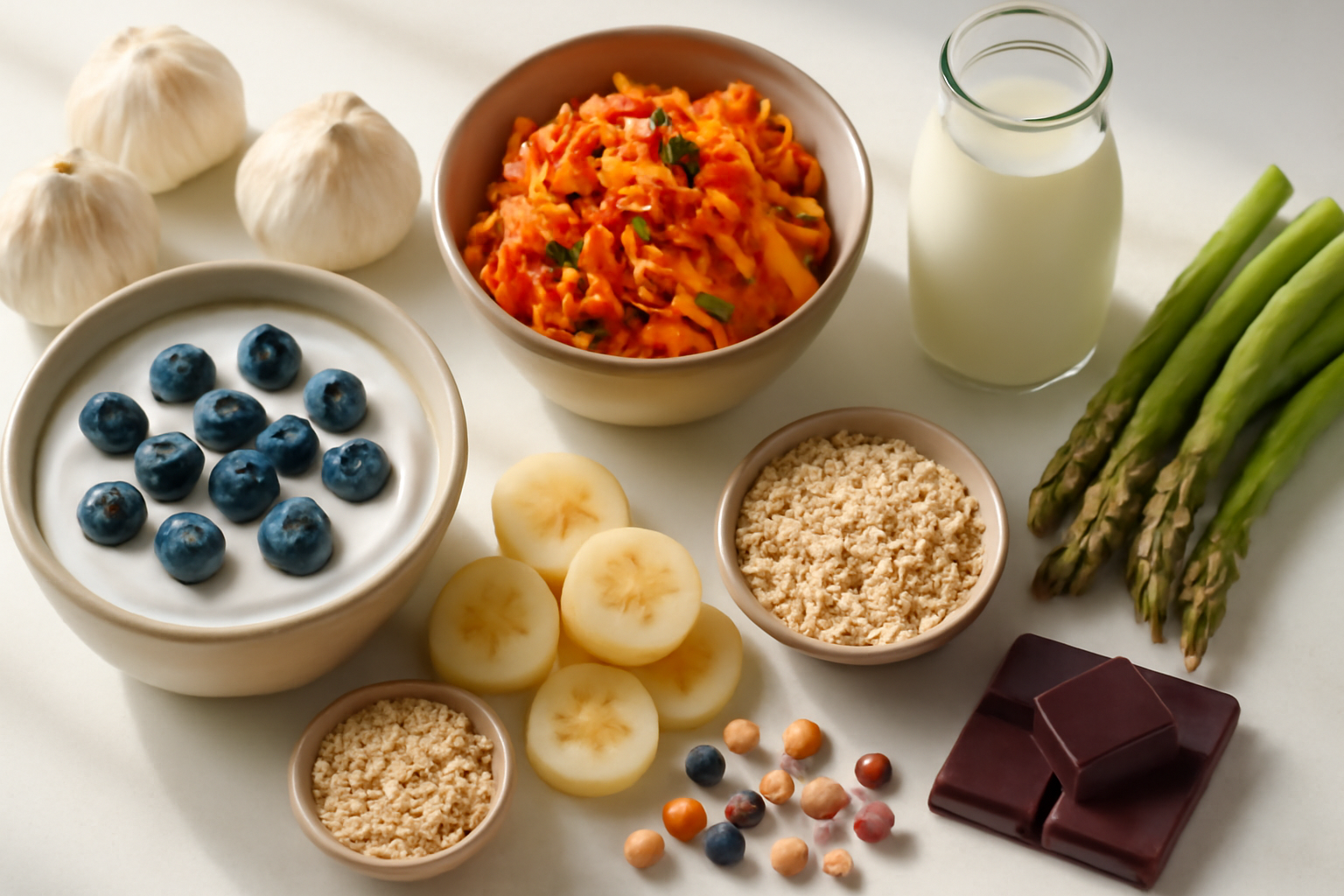
  • How to Balance Your Gut Microbiome for Better Health

    How to Balance Your Gut Microbiome for Better Health

    How to Balance Your Gut Microbiome for Better Health

    Your digestion, energy, mood, and immunity are all quietly shaped by trillions of microorganisms living inside you — and most people have no idea how to keep them working in their favor.

    Have you ever finished a meal and felt inexplicably exhausted, bloated, or mentally foggy — even though you ate something you thought was healthy? Or noticed that your mood tanks when your digestion is off? You’re not imagining things. There’s a direct connection between what’s happening in your gut and how you feel from head to toe.

    Your gut microbiome — a vast ecosystem of bacteria, fungi, and other microorganisms living in your digestive tract — plays a role in nearly every major system in your body. When it’s balanced, you tend to feel energized, clear-headed, and resilient. When it’s disrupted, everything from your immune response to your sleep quality can suffer.

    The good news: you don’t need expensive treatments or complicated protocols to support gut microbiome balance. In this guide, you’ll learn what the science actually says, what’s disrupting your gut without you realizing it, and the practical, everyday steps that make a real difference — starting today.

    Why Your Gut Microbiome Matters More Than You Think

    Most people think of gut health as just about digestion — avoiding bloating, staying regular, not having stomach cramps. But research over the last two decades has revealed something far more significant: your gut microbiome is deeply connected to your immune system, brain function, hormone regulation, and even your risk for chronic disease.

    According to the National Institutes of Health, the human gut hosts an estimated 38 trillion microbial cells — roughly equal to the number of human cells in the entire body. These microorganisms help digest food, produce vitamins (including B12 and K), train your immune system, and synthesize neurotransmitters like serotonin. In fact, research estimates that approximately 90% of your body’s serotonin is produced in the gut, which helps explain the powerful gut-brain connection many people experience firsthand.

    A landmark study published in Nature found that individuals with more diverse gut microbiomes tended to have better metabolic health, stronger immune responses, and lower levels of systemic inflammation. Diversity — meaning a wide variety of different microbial species — appears to be one of the key markers of a healthy gut.

    The takeaway: gut microbiome balance isn’t a niche wellness trend. It’s a foundational pillar of whole-body health that deserves real attention.

    The Science Behind How Your Gut Microbiome Works

    Your gut microbiome begins forming at birth and continues to change throughout your life based on diet, lifestyle, medications, stress, and environment. By adulthood, your microbial profile is largely unique to you — shaped by years of exposures, habits, and choices.

    Inside your gut, different bacterial species compete and cooperate in a complex balancing act. Beneficial bacteria (like Lactobacillus and Bifidobacterium strains) help maintain the gut lining, crowd out harmful pathogens, and keep inflammation in check. When beneficial species decline and harmful ones overgrow, a state called dysbiosis can occur — and that’s when symptoms start to appear.

    Common myth busted: Many people assume that taking a probiotic supplement alone is enough to fix an imbalanced gut. But according to a review published in Cell, probiotics may not colonize the gut long-term in many individuals. Their benefits are real but often temporary unless paired with dietary changes that feed and sustain beneficial bacteria. In other words, what you feed your microbiome matters just as much as — if not more than — what you add to it.

    Short-chain fatty acids (SCFAs) like butyrate, acetate, and propionate are produced when gut bacteria ferment dietary fiber. These compounds are critical: they nourish the cells lining your colon, regulate immune function, and have been linked to reduced risk of colorectal cancer, according to research published in the Journal of Nutrition. Without adequate fiber, SCFA production drops — and the downstream effects can be significant.

    How to Start Rebalancing Your Gut: Practical Steps

    Getting your gut microbiome into better balance doesn’t require a dramatic overhaul. Consistent, moderate changes in diet and lifestyle tend to produce more sustainable results than short-term extreme interventions. Here’s where to begin:

    1. Increase dietary fiber — gradually
    Aim for 25–38 grams of fiber per day, as recommended by the Academy of Nutrition and Dietetics. If you’re currently eating far less, increase slowly to avoid gas and bloating. Focus on variety: legumes, oats, vegetables, fruits, and whole grains each feed different bacterial species.

    2. Add fermented foods to your daily routine
    Foods like plain yogurt, kefir, sauerkraut, kimchi, miso, and tempeh introduce live bacteria into your gut. A 2021 study published in Cell by researchers at Stanford found that a diet high in fermented foods significantly increased microbiome diversity and reduced inflammatory markers over 10 weeks.

    3. Prioritize prebiotic-rich foods
    Prebiotics are the fibers that feed beneficial bacteria. Top sources include garlic, onions, leeks, asparagus, bananas (especially slightly unripe ones), oats, and Jerusalem artichokes. Aim to include at least one prebiotic food in most of your meals.

    Intermediate step: Track your "plant points" — the number of different plant foods you eat per week. Research featured in the American Gut Project suggests that eating 30 or more different plant foods per week is associated with significantly higher microbial diversity.

    Advanced step: Consider working with a registered dietitian trained in gut health to identify specific dietary patterns that may be contributing to your symptoms, especially if you deal with IBS, food sensitivities, or chronic digestive issues.

    Common Mistakes That Sabotage Gut Microbiome Balance

    Even well-intentioned people make these gut health mistakes regularly. Recognizing them is the first step to avoiding them.

    Mistake 1: Overusing antibiotics or relying on them unnecessarily
    Antibiotics save lives — but they also wipe out beneficial gut bacteria alongside harmful ones. According to the Mayo Clinic, it can take the gut microbiome months to recover from a single course of antibiotics. If you’ve had multiple rounds in recent years, your microbiome may be more depleted than you realize. Always use antibiotics only when medically necessary, and consider pairing them with probiotics (take them a few hours apart) after discussing with your doctor.

    Mistake 2: Eating too little fiber — consistently
    Most American adults eat only about 15 grams of fiber per day — less than half the recommended amount, according to the USDA Dietary Guidelines. Beneficial gut bacteria literally starve without adequate fiber. The fix is straightforward: add one high-fiber food to each meal. A handful of berries at breakfast, lentils at lunch, roasted vegetables at dinner.

    Mistake 3: Chronic stress without management strategies
    The gut-brain axis is bidirectional — stress doesn’t just affect your mind, it directly alters gut bacteria composition. Research published in Psychosomatic Medicine has shown that chronic psychological stress can reduce populations of beneficial bacteria and increase gut permeability. If stress is constant and unmanaged, no amount of dietary changes will fully compensate. Exploring daily habits that reduce stress can be a meaningful complement to any gut health strategy.

    Mistake 4: Skipping sleep consistently
    Your gut microbiome follows a circadian rhythm, just like you do. The National Sleep Foundation notes that disrupted sleep patterns can alter gut bacterial composition within days. Irregular sleep schedules — including frequent late nights and inconsistent wake times — may impair microbial diversity over time.

    Mistake 5: Relying on ultra-processed foods as dietary staples
    Emulsifiers, artificial sweeteners, and preservatives commonly found in ultra-processed foods have been shown in animal and emerging human studies to disrupt the gut lining and alter microbial populations. These foods aren’t inherently forbidden, but making them the backbone of your diet creates a consistently unfavorable environment for beneficial bacteria.

    What to Eat — and What to Cut Back On — for a Healthier Microbiome

    Eat more of:

    • Legumes (lentils, chickpeas, black beans): ½ cup cooked provides 6–8g of fiber plus resistant starch
    • Fermented dairy (kefir, plain yogurt with live cultures): 1 serving daily
    • Vegetables of varied colors: aim for 3–5 different types per day
    • Whole grains (oats, barley, farro): choose minimally processed versions
    • Nuts and seeds (walnuts, flaxseeds, chia): 1–2 tablespoons of seeds or a small handful of nuts daily
    • Polyphenol-rich foods (blueberries, dark chocolate with 70%+ cocoa, green tea, extra-virgin olive oil): polyphenols act as fuel for beneficial bacteria

    For a more comprehensive breakdown of the best foods for your gut, check out this guide on the best gut health foods to eat every day.

    Cut back on:

    • Alcohol in excess: more than 1–2 drinks per day has been linked to microbial imbalance and increased intestinal permeability
    • Added sugars: high sugar intake feeds less beneficial bacterial strains
    • Highly processed red and deli meats as daily staples: associated with less favorable microbiome profiles in large population studies
    • Artificial sweeteners: emerging research suggests some (like saccharin and sucralose) may negatively alter gut bacteria — results are still evolving, so moderation is reasonable

    It’s also worth noting that gut health and systemic inflammation are closely linked. If you’re curious about how diet affects inflammation more broadly, the anti-inflammatory diet guide offers practical complementary strategies.

    How Long Until You Notice a Difference — and What to Track

    This is one of the most common questions — and the honest answer is: it depends. Results vary significantly based on your current microbiome state, how much you change, and individual biology.

    That said, research offers some useful benchmarks. The Stanford fermented foods study mentioned earlier showed measurable changes in microbiome diversity within 10 weeks of consistent dietary changes. Some people report improvements in bloating, regularity, and energy within 2–4 weeks of adding more fiber and fermented foods. Mood-related changes, if they occur, often take longer — sometimes 6–12 weeks.

    Practical signals to track:

    • Stool consistency and frequency (Bristol Stool Scale is a useful reference)
    • Bloating patterns — when it occurs, how severe, what seems to trigger it
    • Energy levels throughout the day, especially post-meal
    • Sleep quality and mental clarity
    • How quickly you feel full and how satisfied you feel after eating

    If you experience persistent symptoms — including severe bloating, chronic diarrhea or constipation, unexplained weight changes, or blood in stool — these warrant a conversation with your healthcare provider. Gut microbiome imbalance can sometimes be a symptom of an underlying condition that needs proper diagnosis.

    Frequently Asked Questions

    Do I need to take a probiotic supplement to improve my gut microbiome?
    Not necessarily. Whole food sources of probiotics (yogurt, kefir, kimchi, sauerkraut) are well-supported and accessible. Probiotic supplements can be helpful — particularly after antibiotic use or for specific conditions — but the evidence varies by strain and health goal. Consult a registered dietitian or your doctor for personalized guidance.

    Can stress really damage my gut health?
    Yes, and significantly. The gut-brain axis is a well-documented two-way communication system. Chronic stress elevates cortisol, which can increase gut permeability, reduce beneficial bacteria, and trigger or worsen digestive symptoms. Managing stress isn’t optional if you’re serious about gut health.

    Is it normal to feel worse (more bloated) when I first increase fiber?
    Very common, especially if you increase fiber quickly. Your gut bacteria need time to adapt to increased fermentation activity. Increase fiber gradually over 2–3 weeks and stay well hydrated. The initial bloating typically subsides as your microbiome adjusts.

    Are gut microbiome tests worth it?
    At-home microbiome testing kits can be interesting, but their clinical utility is currently limited. The science of translating microbiome data into specific health recommendations is still evolving. They may provide useful insights but should not replace professional medical evaluation for digestive concerns.

    How does gut health relate to hormones?
    There’s a meaningful connection. The gut microbiome plays a role in metabolizing and recycling estrogen through a collection of bacteria sometimes called the "estrobolome." Dysbiosis may contribute to hormonal imbalances in some individuals. If you’re exploring the broader hormone connection, the article on hormonal balance for women offers relevant context.

    Start Small, Stay Consistent

    Balancing your gut microbiome isn’t about following a perfect protocol or taking a dozen supplements. It’s about making consistent, intentional choices that create a better environment for the trillions of microorganisms that quietly run so much of your health behind the scenes.

    Start with one change this week: add a fermented food to one meal each day, or swap a processed snack for something fiber-rich. Small wins compound over time. Your gut microbiome responds to what you do consistently — not what you do perfectly once in a while.

    The best time to start supporting your gut health was years ago. The second best time is today.


    This article is for informational and educational purposes only. The content is not intended to replace professional medical, nutritional, or fitness advice. Always consult a qualified healthcare provider, registered dietitian, or certified fitness professional before starting a new health program or making significant changes to your lifestyle.

    Content reviewed by our wellness editorial team, with references to peer-reviewed research and guidelines from leading health organizations.

  • Best Gut Health Foods to Eat Every Day for a Healthier You

    Best Gut Health Foods to Eat Every Day for a Healthier You

    You’ve been eating well, sleeping enough, and even exercising — so why do you still feel bloated, sluggish, or just off? The answer might be living in your gut.

    Here’s a surprising reality: roughly 70% of your immune system is housed in your gut. According to research published in Nature Reviews Immunology, the gut microbiome — the trillions of bacteria, fungi, and microorganisms living in your digestive tract — plays a central role not just in digestion, but in immunity, mental health, energy levels, and even how well you sleep.

    And yet, most people still think gut health is only about avoiding stomach cramps or managing IBS. The truth is far bigger than that.

    In this article, you’ll discover the best gut health foods that science actually supports, how they work inside your body, common mistakes that undermine your microbiome, and a realistic timeline for what to expect when you start making changes. No gimmicks, no extreme protocols — just practical, evidence-based nutrition you can start today.

    Why Gut Health Matters More Than You Think

    Your gut is often called your "second brain" — and for good reason. The enteric nervous system, a network of over 100 million nerve cells lining your gastrointestinal tract, communicates directly with your brain through what’s known as the gut-brain axis.

    This bidirectional connection means that what happens in your gut doesn’t stay in your gut. Research published in JAMA Psychiatry found associations between gut microbiome diversity and reduced rates of depression and anxiety. When your gut flora is imbalanced — a state called dysbiosis — it can trigger systemic inflammation, disrupt hormone production, and even impair cognitive function.

    Beyond mental health, the Academy of Nutrition and Dietetics notes that a well-nourished gut microbiome supports better nutrient absorption, strengthens the intestinal lining, regulates blood sugar, and may reduce the risk of chronic diseases including type 2 diabetes and cardiovascular disease.

    The foods you eat are the single most powerful lever you have to shape your gut microbiome — and the good news is, meaningful changes can begin within days of shifting your diet.

    How Your Gut Microbiome Actually Works

    Think of your gut microbiome like a complex ecosystem — similar to a rainforest. The more diverse the species, the more resilient and functional the system. When diversity drops, harmful bacteria can take over, inflammation rises, and the gut lining becomes more permeable (sometimes called "leaky gut," though the clinical picture is still being studied).

    Here’s the key mechanism: beneficial gut bacteria thrive on prebiotics — specific types of dietary fiber that humans can’t digest but bacteria can ferment. This fermentation process produces short-chain fatty acids (SCFAs) like butyrate, propionate, and acetate. SCFAs are critical — they fuel the cells lining your colon, reduce intestinal inflammation, and regulate appetite hormones.

    A landmark study published in Cell by researchers at Stanford University found that a high-fiber diet increased microbiome diversity, while a high-fermented food diet reduced inflammatory markers more acutely. Both approaches showed meaningful benefits — suggesting that combining fiber-rich and fermented foods is a powerful strategy.

    Common myth to bust: More probiotics (from supplements) always equals a healthier gut. Not true. The research on probiotic supplements is promising but mixed. According to the NIH, strain specificity matters enormously — a probiotic that works for one condition may have no effect on another. Whole food sources of probiotics tend to deliver a broader range of strains alongside other beneficial compounds.

    The Best Gut Health Foods to Add to Your Plate

    This is where the science meets your kitchen. The following foods are backed by clinical research and consistently recommended by the Academy of Nutrition and Dietetics and gut health researchers worldwide.

    1. Fermented Foods (Natural Probiotics)

    Fermented foods deliver live beneficial bacteria directly to your digestive tract. The most research-supported options include:

    • Plain, unsweetened yogurt with live and active cultures — aim for at least 1 cup daily
    • Kefir — a fermented milk drink shown in a Journal of Nutrition study to significantly improve lactose digestion and increase gut bacteria diversity
    • Sauerkraut and kimchi — fermented cabbage dishes rich in Lactobacillus strains; go for unpasteurized versions found in the refrigerated section
    • Miso and tempeh — fermented soy products that also deliver plant-based protein
    • Kombucha — fermented tea with beneficial acids and modest probiotic content; choose low-sugar versions

    2. High-Fiber Prebiotic Foods

    Without prebiotic fiber, even the best probiotic bacteria won’t survive long in your gut. These foods feed your microbiome:

    • Garlic and onions — among the richest sources of inulin, a powerful prebiotic fiber
    • Leeks, asparagus, and Jerusalem artichokes — all high in fructooligosaccharides (FOS)
    • Bananas (slightly underripe) — contain resistant starch, which feeds beneficial bacteria
    • Oats — rich in beta-glucan, a soluble fiber linked to improved microbiome balance and reduced LDL cholesterol (per the USDA Dietary Guidelines)
    • Legumes — beans, lentils, and chickpeas are among the most potent prebiotic foods available; aim for ½ cup cooked servings, 3–5 times per week

    3. Polyphenol-Rich Foods

    Polyphenols are plant compounds that act as fuel for beneficial gut bacteria. Harvard Health Publishing highlights that people who consume diets rich in polyphenols show greater microbiome diversity. Key sources include:

    • Blueberries, raspberries, and blackberries
    • Dark chocolate (70% cacao or higher, 1 oz serving)
    • Extra virgin olive oil
    • Green and black tea
    • Red grapes and pomegranate

    Common Mistakes That Sabotage Your Gut Health

    Even well-intentioned eaters make these errors. Recognizing them is the first step to correcting course.

    Mistake #1: Eating too little fiber, too inconsistently. The USDA Dietary Guidelines recommend 25–38 grams of fiber per day for adults, but the average American consumes only about 15 grams. Sporadic fiber intake doesn’t give gut bacteria enough consistent fuel to thrive. Fix: Build fiber in gradually — sudden large increases can cause gas and bloating. Add one fiber-rich food per meal over two to three weeks.

    Mistake #2: Over-relying on probiotic supplements while ignoring diet. Taking a daily probiotic pill while eating a diet high in ultra-processed foods, refined sugar, and low fiber is like planting seeds in concrete. Research in Cell Host & Microbe showed that post-antibiotic microbiome recovery was actually slower in people who took standard probiotic supplements compared to those who allowed natural recovery with a diverse diet. Fix: Prioritize food-first probiotics and pair them with prebiotic-rich meals.

    Mistake #3: Too much added sugar and ultra-processed food. Sugar feeds harmful bacterial strains and promotes dysbiosis. A diet high in ultra-processed foods — even ones marketed as "healthy" — has been linked in a BMJ study to reduced microbiome diversity. Fix: Read ingredient labels and aim to minimize foods with added sugars above 5g per serving as a daily habit.

    Mistake #4: Chronic stress without a management strategy. This one surprises people. The gut-brain axis runs both ways — chronic psychological stress directly alters gut bacteria composition and increases intestinal permeability. The American Psychological Association confirms that stress hormones like cortisol can disrupt microbial balance. Fix: Incorporate even 10 minutes of daily breathwork, walking, or mindfulness to buffer stress effects on the gut.

    Mistake #5: Not drinking enough water. Fiber needs water to do its job. Without adequate hydration, increased fiber intake can worsen constipation rather than improve it. The Mayo Clinic recommends approximately 3.7 liters (about 125 oz) of total daily water intake for men and 2.7 liters (about 91 oz) for women from all sources.

    What to Eat (and What to Scale Back) for a Healthier Gut

    Think of this less as a strict diet and more as a daily framework.

    Prioritize daily:

    • At least 2–3 servings of vegetables, especially non-starchy varieties like broccoli, spinach, and artichokes
    • 1 serving of fermented food (yogurt, kefir, sauerkraut, or kimchi)
    • 1–2 servings of legumes or whole grains per day
    • A variety of colorful fruits — diversity matters more than quantity

    Scale back significantly:

    • Processed meats (deli meats, sausages) — associated with lower microbiome diversity in multiple cohort studies
    • Artificial sweeteners — particularly sucralose and saccharin, which a study in Nature found to alter gut bacteria composition in some individuals
    • Excessive alcohol — even moderate drinking consistently disrupts gut flora balance according to research from the NIH
    • Refined carbohydrates and packaged snack foods with long ingredient lists

    The USDA Dietary Guidelines and the Academy of Nutrition and Dietetics both emphasize that there’s no single gut health diet — what matters is overall pattern: high variety, high fiber, minimally processed, and rich in plant diversity.

    How Long Until You Notice a Difference?

    Here’s the honest answer: it depends on your starting point, and results vary significantly from person to person.

    That said, research offers some helpful benchmarks. The Stanford Cell study mentioned earlier found that measurable changes in microbiome composition began appearing within just one to two weeks of dietary changes. Improvements in bloating, stool consistency, and energy are often the first things people notice.

    For more systemic changes — reduced inflammatory markers, better immune response, improved mood regulation — expect a timeline of four to twelve weeks of consistent dietary shifts. The key word is consistent. The gut microbiome is highly responsive but also highly reactive to backsliding.

    What to track:

    • Stool regularity and consistency (a basic but reliable gut health signal)
    • Bloating frequency and severity after meals
    • Energy levels in the afternoon (a gut-energy connection is well documented)
    • Sleep quality — gut bacteria produce precursors to serotonin and melatonin
    • Mood and mental clarity over a 4-week window

    When to see a professional: If you experience persistent bloating, unexplained weight changes, chronic diarrhea or constipation, or pain that doesn’t resolve after four to six weeks of dietary changes, consult a registered dietitian or gastroenterologist. These symptoms can signal conditions like SIBO, IBS, or IBD that require targeted clinical intervention.

    Frequently Asked Questions About Gut Health Foods

    Q: Do I need to take a probiotic supplement if I eat fermented foods?
    A: Not necessarily. For most healthy adults, a varied diet rich in fermented foods and prebiotic fiber provides meaningful probiotic support. Supplements can be useful in specific situations — after antibiotic use, for example — but the NIH notes that supplement benefits are highly strain-specific. Talk to a registered dietitian before adding one.

    Q: Is Greek yogurt really good for gut health?
    A: Yes — with one caveat. Plain, unsweetened Greek yogurt with live and active cultures is one of the most accessible and well-studied sources of gut-friendly bacteria, particularly Lactobacillus and Bifidobacterium strains. Flavored yogurts with high added sugar largely offset these benefits.

    Q: Can gut health affect my weight?
    A: Research strongly suggests a connection. A 2022 study in Nature Metabolism found that specific gut microbiome profiles were associated with more efficient calorie extraction from food and increased fat storage. Improving microbiome diversity may support healthier weight management — though it’s one factor among many, not a standalone solution.

    Q: How many different plants should I eat per week?
    A: The American Gut Project, one of the largest microbiome studies to date, found that people who ate 30 or more different plant foods per week had significantly more diverse gut microbiomes than those who ate fewer than 10. This doesn’t mean 30 servings — just 30 different plant types, including herbs, spices, nuts, seeds, grains, and vegetables.

    Q: Is gluten bad for gut health in people without celiac disease?
    A: For the vast majority of people, gluten does not damage the gut. Celiac disease and non-celiac gluten sensitivity are specific medical conditions affecting a minority of the population. Unnecessarily eliminating gluten can actually reduce fiber intake and microbiome diversity by cutting out whole grains. Always consult a healthcare provider before removing major food groups.

    Start Small, Stay Consistent, and Trust the Process

    You don’t need a dramatic overhaul to transform your gut health. Adding one fermented food, increasing your plant variety by just five new types per week, and drinking enough water are genuinely meaningful starting points — not consolation prizes.

    The science is clear: a diverse, fiber-rich, whole food diet is the most powerful tool you have for building a resilient microbiome. And a healthier gut tends to make everything else — energy, mood, immunity, digestion — work a little better too.

    Your one action for today: swap your usual afternoon snack for a cup of plain yogurt with berries and a sprinkle of flaxseed. It’s small, it’s delicious, and your gut bacteria will genuinely thank you.


    This article is for informational and educational purposes only. The content is not intended to replace professional medical, nutritional, or fitness advice. Always consult a qualified healthcare provider, registered dietitian, or certified fitness professional before starting a new health program or making significant changes to your lifestyle.

    Content reviewed by our wellness editorial team, with references to peer-reviewed research and guidelines from leading health organizations including the Academy of Nutrition and Dietetics, NIH, Harvard Health Publishing, the USDA Dietary Guidelines, the American Psychological Association, and the Mayo Clinic.