
Blog

  • How to Naturally Support Healthy Testosterone Levels

    How to Naturally Support Healthy Testosterone Levels

    How to Naturally Support Healthy Testosterone Levels

    You’re doing everything right — eating decently, hitting the gym when you can — but something still feels off. Less drive, more fatigue, harder to build muscle. Sound familiar? You’re not imagining it.

    Why Testosterone Matters More Than You Think

    Testosterone is often talked about in the context of gym gains and libido — but its role goes far deeper than that. This hormone is central to your energy levels, mental clarity, bone density, mood regulation, cardiovascular health, and even sleep quality.

    According to the American Urological Association, low testosterone — defined as levels below 300 nanograms per deciliter — affects roughly 2.4 million American men between the ages of 40 and 69. But here’s the part most people don’t hear: declining testosterone trends have been documented in younger men too, with researchers noting average levels in men aged 25 to 35 are measurably lower today than in previous generations.

    A large epidemiological study published in the Journal of Clinical Endocrinology & Metabolism tracked testosterone levels across male populations over several decades and found a consistent downward trend — even after adjusting for age and body mass index. That means lifestyle and environmental factors are playing a significant role.

    The good news? Your daily habits have a real, measurable impact on your hormonal health — and that’s exactly what this guide covers. You’ll learn what actually moves the needle on testosterone, what common mistakes are quietly working against you, and how to track meaningful progress without obsessing over lab numbers.

    The Science Behind Testosterone: How It Actually Works

    Testosterone is produced primarily in the testes (and in smaller amounts by the adrenal glands) through a signaling chain that starts in the brain. The hypothalamus releases gonadotropin-releasing hormone (GnRH), which triggers the pituitary gland to release luteinizing hormone (LH), which then signals the testes to produce testosterone. It’s a finely tuned feedback loop — and it’s sensitive to disruption.

    One of the most pervasive myths around testosterone is that it only starts declining significantly in your 50s or 60s. In reality, levels begin dropping at roughly 1% per year after age 30 for most men — and lifestyle factors can accelerate or slow that decline considerably.

    Chronic psychological stress, for example, elevates cortisol — and cortisol and testosterone have a direct inverse relationship. Research published in Hormones and Behavior confirmed that sustained cortisol elevation suppresses GnRH signaling, effectively putting the brakes on testosterone production at the source.

    Poor sleep, excess body fat (especially visceral fat), sedentary behavior, alcohol overuse, and nutritional deficiencies can all independently disrupt this hormonal cascade. Importantly, many men experience suboptimal testosterone not because of a medical condition but because of fixable lifestyle patterns.

    This is not about chasing the highest number possible — it’s about supporting your body’s natural hormonal rhythm so it can function at its best. Results vary significantly depending on baseline levels, age, and individual biology.

    How to Get Started: Practical Steps to Support Testosterone Naturally

    You don’t need a complicated protocol. You need consistent, strategic habits that work with your body’s biology — not against it.

    Beginner Level: Build the Foundation

    1. Prioritize sleep above everything else. The majority of testosterone is produced during deep sleep stages. Research from the University of Chicago found that men who slept only 5 hours per night for one week had testosterone levels 10–15% lower than when they slept a full 8 hours. Aim for 7 to 9 hours of consistent, high-quality sleep.
    2. Start resistance training — even 2 days a week. Compound movements like squats, deadlifts, bench presses, and rows trigger acute testosterone release and support long-term hormonal health. The American College of Sports Medicine recommends at least two strength training sessions per week for general health benefits. If you’re new to lifting, check out our complete guide to strength training for healthy aging for a beginner-friendly starting point.
    3. Reduce alcohol consumption. Alcohol directly impairs testosterone production at the cellular level and disrupts sleep architecture, compounding the hormonal hit. Keeping intake under 1–2 drinks per day is the floor — less is better.
    4. Spend time outdoors daily. Sun exposure supports vitamin D synthesis, which functions more like a hormone than a vitamin in the body and plays a direct role in testosterone production. Even 20–30 minutes of midday sun exposure can make a difference.

    Intermediate Level: Refine Your Approach

    1. Optimize your training intensity. High-intensity training has a stronger acute testosterone response than moderate steady-state cardio. Consider adding HIIT sessions 1–2 times per week if your recovery allows.
    2. Focus on body composition. Visceral fat (the fat stored deep in the abdomen) produces aromatase, an enzyme that converts testosterone into estrogen. Reducing excess body fat — particularly around the midsection — supports a healthier hormonal environment. This doesn’t require extreme dieting, just a modest, sustainable calorie approach paired with consistent movement.
    3. Build a stress-management practice. Chronic stress is one of the most underestimated testosterone disruptors. Daily mindfulness, breathwork, journaling, or even structured downtime can meaningfully reduce cortisol over time.

    Advanced Level: Fine-Tune and Monitor

    1. Get a comprehensive hormone panel. Work with your physician to test total testosterone, free testosterone, SHBG (sex hormone-binding globulin), estradiol, LH, and FSH for a full hormonal picture. A number in isolation tells an incomplete story.
    2. Consider targeted supplementation under medical guidance. Vitamin D, zinc, and magnesium are the most evidence-supported nutrients for testosterone support — but supplementing them only makes sense if you’re actually deficient. More on this below.

    Common Mistakes That Sabotage Your Testosterone

    These are easy to make — and most men don’t even realize they’re doing them.

    1. Doing too much cardio without enough recovery. Excessive endurance training, especially at high volumes without adequate rest, can suppress testosterone and elevate cortisol. The error isn’t cardio itself — it’s not balancing it with strength work and recovery. Aim to include at least 2 strength sessions per week alongside your cardio.

    2. Eating too little fat. Testosterone is a steroid hormone synthesized from cholesterol. Diets chronically low in healthy dietary fat have been associated with lower testosterone levels in research published in the Journal of Steroid Biochemistry. This doesn’t mean eating recklessly — it means not fearing foods like eggs, olive oil, nuts, avocado, and fatty fish.

    3. Skipping rest days and running on empty. Overtraining without adequate recovery creates a sustained cortisol spike that works directly against testosterone production. More training is not always better. Strategic rest is part of the program.

    4. Ignoring sleep quality in favor of quantity. Eight hours of fragmented, poor-quality sleep does not deliver the same hormonal benefits as 7.5 hours of deep, consolidated sleep. Alcohol before bed, inconsistent sleep schedules, and screen exposure at night are the most common culprits undermining sleep quality.

    5. Relying on testosterone-boosting supplements with weak evidence. The supplement market is flooded with products making aggressive hormonal claims. Most have minimal clinical backing. Zinc, vitamin D, and magnesium are reasonable exceptions when you have confirmed deficiencies — but no supplement replaces sleep, training, nutrition, and stress management.

    What to Eat to Support Healthy Testosterone

    Nutrition doesn’t directly "produce" testosterone, but it provides the raw materials and metabolic environment your body needs to do so effectively.

    Prioritize these:

    • Zinc-rich foods: Oysters, beef, pumpkin seeds, lentils. Zinc is essential for testosterone synthesis and is depleted rapidly through sweat. The Recommended Dietary Allowance for adult men is 11 mg/day. Athletes may need more.
    • Healthy fats: Fatty fish (salmon, sardines, mackerel), olive oil, avocados, whole eggs, nuts. Research consistently supports fat intake as a positive predictor of testosterone levels in men.
    • Magnesium-rich foods: Spinach, dark chocolate (70% or higher cacao), almonds, black beans. A 2011 study published in Biological Trace Element Research found that magnesium supplementation significantly increased testosterone levels in both athletes and sedentary men.
    • Cruciferous vegetables: Broccoli, cauliflower, Brussels sprouts, kale. These contain indole-3-carbinol, a compound that helps the body metabolize excess estrogen — supporting a healthier testosterone-to-estrogen ratio.
    • Adequate protein: The Academy of Nutrition and Dietetics recommends 0.8 grams per kilogram of body weight as a baseline, but active men generally benefit from 1.2 to 1.6 grams per kilogram. Protein supports muscle mass, which in turn supports hormonal health.

    Be mindful of:

    • Excess sugar and refined carbohydrates: These drive insulin spikes and contribute to visceral fat accumulation — both of which create a suboptimal hormonal environment over time.
    • Ultra-processed foods: Many contain trans fats and industrial seed oils that may interfere with hormonal signaling. The USDA Dietary Guidelines recommend minimizing these across the board.
    • Alcohol: Even moderate regular intake suppresses testosterone, impairs sleep architecture, and adds empty calories that contribute to body fat. This doesn’t mean total abstinence — but awareness matters.

    For a broader nutritional framework that supports overall hormonal and inflammatory health, our practical guide to the anti-inflammatory diet is a strong complement to the strategies here.

    Don’t overlook gut health, either — emerging research suggests the gut microbiome plays a role in hormone metabolism. Our guide to the best gut health foods covers practical daily choices that support this system.

    How Long Until You See Results — and What to Track

    Realistic timelines matter. If you go in expecting dramatic changes in two weeks, you’ll likely give up before the real progress begins.

    Within 2–4 weeks: Improved sleep quality, slightly better mood and mental clarity, and a modest increase in energy are often the first changes men notice when lifestyle habits shift meaningfully. These are early indicators that the system is responding.

    Within 6–12 weeks: Measurable changes in body composition, workout performance, and libido are more likely to emerge with consistent effort. This is the window where habit changes start compounding.

    At 3–6 months: If you’ve maintained the core habits — quality sleep, consistent strength training, clean nutrition, managed stress — you may see measurable changes in lab values. This is the appropriate time to retest testosterone levels with your physician.

    What to track (without obsessing):

    • Sleep duration and quality (a wearable or sleep journal works fine)
    • Weekly training sessions completed
    • Subjective energy and mood on a simple 1–10 scale
    • Waist circumference as a proxy for visceral fat changes
    • Lab values (total and free testosterone, SHBG) at baseline and again at 3–6 months

    If you’ve made consistent lifestyle changes for 3+ months and still feel significant symptoms of low testosterone — persistent fatigue, low libido, mood changes, difficulty building muscle — it’s time to work with an endocrinologist or urologist. Some men have medical conditions (hypogonadism, pituitary issues) that require clinical intervention beyond lifestyle optimization.

    Frequently Asked Questions

    Do testosterone-boosting supplements actually work?
    Most products marketed as "testosterone boosters" have very limited clinical evidence. The exceptions are zinc, magnesium, and vitamin D — when you’re genuinely deficient. Before adding any supplement, get your levels tested. Supplementing nutrients you don’t actually need rarely produces meaningful results.

    Can stress really lower testosterone that much?
    Yes — and research backs this up clearly. Chronic stress elevates cortisol, which directly suppresses the hormonal signaling chain that produces testosterone. Managing stress isn’t optional if hormonal health is a priority. Even consistent, simple practices like daily walks or a 10-minute breathing routine can make a measurable difference over time.

    Is testosterone replacement therapy (TRT) the right move?
    TRT is a legitimate medical treatment for men with clinically confirmed hypogonadism — but it’s not a shortcut or a lifestyle upgrade. It comes with real trade-offs: potential impacts on fertility, dependency on external hormone supply, and cardiovascular considerations. This is a decision to make carefully with a qualified physician after fully exploring lifestyle optimization first.

    At what age does testosterone decline become significant?
    Decline begins around age 30 at a rate of roughly 1% per year for most men. Significant symptoms are more common in the 40s and 50s, but lifestyle factors can accelerate or slow this meaningfully. Age is not the only variable — and it’s not the one you have the most control over.

    Does masturbation or sexual activity affect testosterone?
    This is one of the most commonly searched questions — and the answer is: the effect is minimal and temporary at most. Short-term fluctuations in testosterone occur after sexual activity, but there is no credible clinical evidence that frequency of sexual activity significantly impacts baseline testosterone levels in healthy adult men.

    The Bottom Line

    You don’t need a complicated protocol or an expensive supplement stack to support healthy testosterone levels. What you need — and what the research consistently points to — is a set of foundational habits done consistently over time: quality sleep, regular strength training, smart nutrition, controlled stress, and honest attention to your body’s signals.

    Start with the one habit that’s furthest from where it should be. For most men, that’s sleep or resistance training. Get those dialed in first, then build from there.

    Small, consistent steps done over months will outperform any crash protocol every time. Your hormonal health is not fixed — and that’s actually great news.


    This article is for informational and educational purposes only. The content is not intended to replace professional medical, nutritional, or fitness advice. Always consult a qualified healthcare provider, registered dietitian, or certified fitness professional before starting a new health program or making significant changes to your lifestyle.

    Content reviewed by our wellness editorial team, with references to peer-reviewed research and guidelines from leading health organizations.
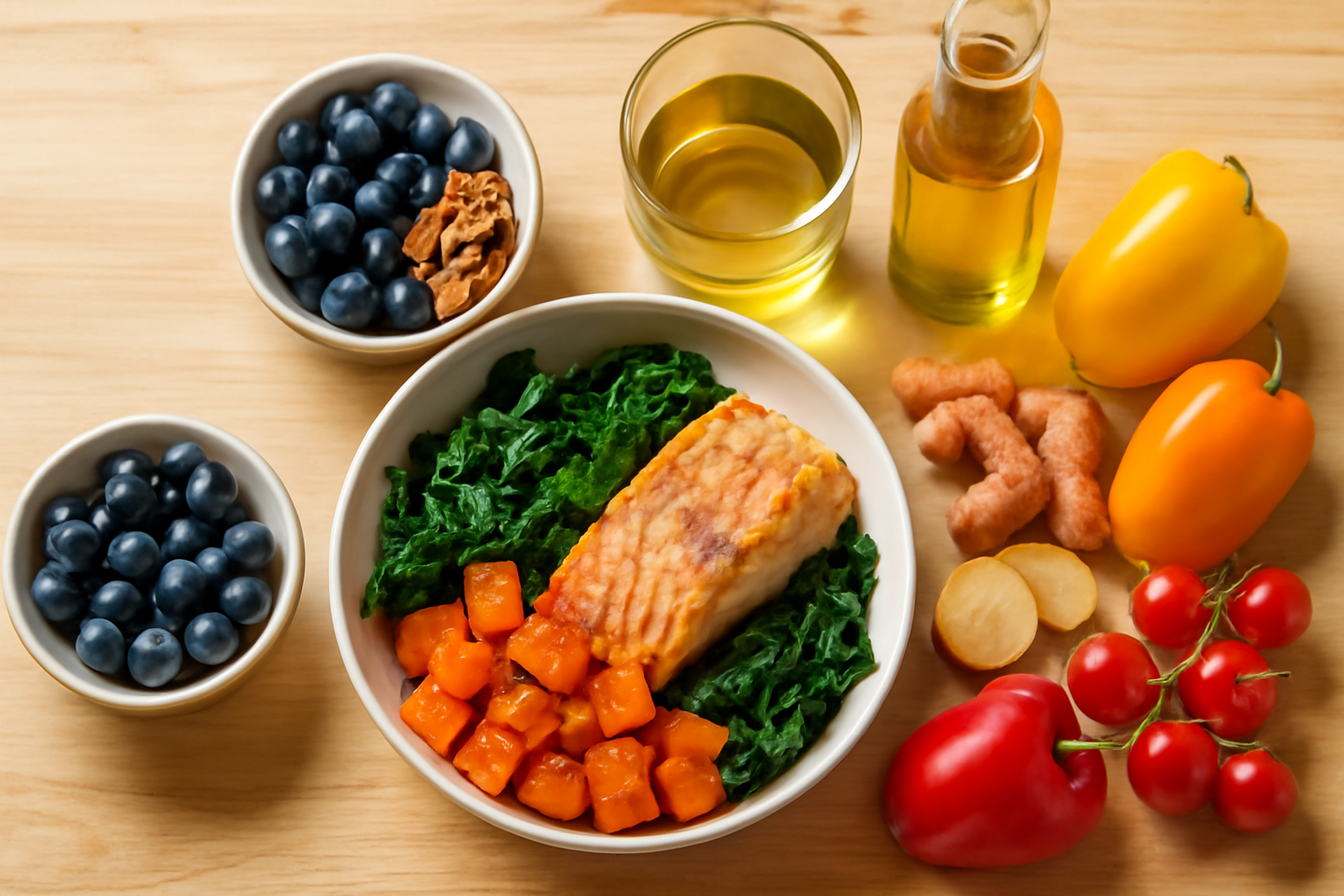

  • Anti-Inflammatory Diet: Your Practical Guide to Eating for Wellness

    Anti-Inflammatory Diet: Your Practical Guide to Eating for Wellness

    You don’t have to be sick to feel the drag of chronic inflammation — millions of Americans feel it every day as fatigue, joint stiffness, brain fog, and stubborn weight they can’t seem to shake.

    If you’ve ever woken up feeling puffy, achey, and mentally sluggish despite getting enough sleep, there’s a good chance your diet is quietly working against you. The foods you eat every single day have a direct line of communication with your immune system — and when that line gets noisy, your body pays the price.

    The anti-inflammatory diet isn’t a 30-day challenge or a trendy elimination protocol. It’s a sustainable, evidence-backed eating pattern that helps calm your body’s internal fire — not by cutting out entire food groups, but by shifting the balance toward whole, nutrient-dense foods your biology actually recognizes.

    In this guide, you’ll learn exactly what chronic inflammation is, which foods fan the flames and which ones help cool them down, how to build a realistic anti-inflammatory plate, and what timeline to realistically expect. No gimmicks. No restriction spirals. Just practical, doable steps rooted in real science.

    Why Inflammation Matters More Than You Think

    Inflammation gets a bad reputation — but it’s not inherently the enemy. Acute inflammation is your immune system doing its job: when you cut your finger or fight off a cold, inflammation rushes blood and immune cells to the scene to handle the threat. That’s normal and necessary.

    The problem is chronic, low-grade inflammation — the kind that smolders silently for months or years without an obvious trigger. This is where the damage accumulates.

    According to the National Institutes of Health (NIH), chronic inflammation is now recognized as a contributing factor in many of the most common health conditions affecting American adults, including cardiovascular disease, type 2 diabetes, obesity, depression, and certain cancers. Research published in Nature Medicine described chronic inflammation as "the most significant cause of death in the world," linked to more than 50% of all deaths globally.

    In your daily life, chronic inflammation shows up as:

    • Persistent fatigue that doesn’t resolve with rest
    • Joint stiffness or unexplained aches
    • Skin issues like acne, eczema, or redness
    • Digestive discomfort, bloating, or irregularity
    • Brain fog, poor concentration, or mood swings

    The encouraging news? Diet is one of the most modifiable factors influencing your inflammatory status — and you can start making meaningful shifts today.

    The Science Behind How Food Affects Inflammation

    Your gut is home to trillions of microbes that directly regulate immune function. When you eat ultra-processed foods high in refined sugar, trans fats, and artificial additives, you disrupt the gut microbiome — and a disrupted microbiome produces pro-inflammatory compounds that enter the bloodstream and activate immune responses throughout the body.

    On the flip side, whole foods rich in fiber, antioxidants, and omega-3 fatty acids provide raw materials for anti-inflammatory pathways. Polyphenols found in berries and dark leafy greens, for example, inhibit the activity of NF-κB — a molecular switch that controls the production of inflammatory cytokines.

    One key myth to bust here: Many people think that eating healthy means going low-fat. But research tells a more nuanced story. A landmark study published in The New England Journal of Medicine on the PREDIMED trial — involving over 7,400 participants — found that a Mediterranean-style diet rich in healthy fats (extra-virgin olive oil, nuts, fatty fish) significantly reduced cardiovascular events compared to a low-fat diet. The fats themselves weren’t inflammatory — the types of fats made all the difference.

    Harvard Health Publishing also notes that the glycemic index of your meals matters significantly: high-glycemic foods spike blood sugar rapidly, triggering an insulin response that promotes inflammatory signaling. Low-glycemic foods — legumes, non-starchy vegetables, whole grains — keep blood sugar stable and inflammation lower.

    How to Build an Anti-Inflammatory Plate: Practical Steps

    You don’t need to overhaul your entire kitchen overnight. Start by shifting the ratio of what’s already on your plate.

    Beginner Level — The 80/20 Shift:

    1. Fill half your plate with vegetables. Aim for color variety — dark leafy greens (spinach, kale), red bell peppers, purple cabbage, orange sweet potatoes. Each color signals different phytonutrients with distinct anti-inflammatory actions.
    2. Add a palm-sized portion of quality protein. Wild-caught salmon, sardines, chicken thighs, eggs, or legumes like lentils and chickpeas. Protein supports tissue repair and keeps blood sugar stable.
    3. Include a healthy fat source. A drizzle of extra-virgin olive oil, a quarter of an avocado, or a small handful of walnuts or almonds. These fats help you absorb fat-soluble antioxidants from your vegetables.
    4. Choose whole grains over refined ones. Swap white rice for quinoa or farro, white bread for 100% whole grain. The fiber feeds beneficial gut bacteria and blunts blood sugar spikes.

    Intermediate Level — Targeted Anti-Inflammatory Upgrades:

    • Add turmeric and black pepper to soups, scrambled eggs, or roasted vegetables. Curcumin (turmeric’s active compound) has documented anti-inflammatory properties, and piperine from black pepper increases its absorption by up to 2,000%, according to research published in Planta Medica.
    • Incorporate fermented foods — plain Greek yogurt, kefir, kimchi, or sauerkraut — 3-5 times per week to support gut microbiome diversity.
    • Drink green tea instead of a second cup of coffee. Green tea contains EGCG (epigallocatechin gallate), a potent antioxidant with significant anti-inflammatory properties documented by the Academy of Nutrition and Dietetics.

    Advanced Level — Tracking Inflammatory Load:

    • Use the Dietary Inflammatory Index (DII) as a framework — it scores foods based on their documented pro- or anti-inflammatory effects in clinical research. Focus on consistently increasing anti-inflammatory scores over weeks, not perfecting every meal.
    • Track omega-6 to omega-3 ratio. The ideal ratio is closer to 4:1; the typical American diet runs closer to 20:1. Reduce processed seed oils (soybean, corn, sunflower) and increase fatty fish, flaxseed, and walnuts.

    Common Mistakes That Sabotage Anti-Inflammatory Eating

    Most people who try an anti-inflammatory approach don’t fail because of willpower — they fail because of a few very common, very fixable errors.

    Mistake 1: Focusing only on what to cut out.
    The most effective anti-inflammatory diets are defined by what you add, not just what you remove. When people hyper-focus on elimination, they often feel deprived and eventually overcorrect. Instead, crowd out inflammatory foods by first adding more vegetables, quality proteins, and healthy fats. The processed foods naturally take up less space.

    Mistake 2: Consuming "healthy" foods that are still highly processed.
    Plant-based cookies, protein bars with 20+ ingredients, fruit juices, and flavored yogurts with added sugar can all undermine your anti-inflammatory efforts. The Academy of Nutrition and Dietetics emphasizes reading ingredient lists — if sugar, refined flour, or seed oils appear in the first three ingredients, reconsider the portion or frequency.

    Mistake 3: Ignoring liquid calories and inflammatory beverages.
    Sugary sodas, sweetened coffee drinks, alcohol (especially in excess), and even some "healthy" sports drinks deliver significant inflammatory sugar loads without the compensating fiber or nutrients. Swap toward water, herbal teas, or sparkling water with a squeeze of citrus.

    Mistake 4: All-or-nothing thinking.
    One pizza night doesn’t undo weeks of consistent anti-inflammatory eating. Chronic inflammation is driven by patterns, not individual meals. The Mayo Clinic consistently notes that sustainable dietary change is built on flexibility, not perfection. Give yourself room to enjoy food socially — just anchor your everyday habits to the anti-inflammatory framework.

    What to Eat and What to Limit

    Prioritize these anti-inflammatory foods:

    • Fatty fish: Salmon, mackerel, sardines, anchovies — aim for 2-3 servings per week (3-4 oz per serving). Rich in EPA and DHA omega-3 fatty acids, the most potent anti-inflammatory fats in the human diet.
    • Berries: Blueberries, strawberries, blackberries — ½ cup daily. Packed with anthocyanins that suppress inflammatory markers including CRP (C-reactive protein).
    • Leafy greens: Spinach, arugula, Swiss chard, kale — 2+ cups per day. High in vitamin K, which modulates inflammatory pathways.
    • Extra-virgin olive oil: 1-2 tablespoons daily. Contains oleocanthal, a compound with ibuprofen-like anti-inflammatory effects, according to research from the NIH.
    • Legumes: Lentils, chickpeas, black beans — ½ cup cooked, 4-5 times per week. High-fiber, low-glycemic, and rich in plant-based polyphenols.
    • Nuts and seeds: Walnuts, almonds, flaxseed, chia seeds — 1 oz daily. Provide alpha-linolenic acid (ALA), a plant-based omega-3.
    • Whole spices: Turmeric, ginger, cinnamon, garlic — use liberally in cooking. Each has documented anti-inflammatory compounds at typical culinary doses.

    Limit or reduce these pro-inflammatory foods:

    • Ultra-processed snack foods: Chips, crackers, packaged pastries — high in refined carbohydrates and seed oils that drive oxidative stress.
    • Sugary beverages: Regular soda, sweetened juices, energy drinks — promote blood sugar spikes and increase circulating inflammatory markers.
    • Refined carbohydrates: White bread, white pasta, instant rice — these digest rapidly, spiking blood glucose and triggering inflammatory responses. The USDA Dietary Guidelines recommend making at least half your grains whole grains.
    • Processed meats: Hot dogs, deli meats, sausage with preservatives — linked to elevated inflammatory markers in multiple population studies. Limit to occasional rather than daily consumption.
    • Excess alcohol: More than 1 drink/day for women or 2/day for men promotes gut permeability and systemic inflammation, per the American Heart Association.

    For those following this as part of a broader wellness strategy, pairing an anti-inflammatory diet with consistent movement can further amplify results. You can explore how strength training for healthy aging works alongside dietary habits, or learn more about how gut health foods complement this approach daily.

    How Long Until You See Results — and What to Track

    Results vary significantly based on your baseline inflammatory load, gut health, stress levels, and sleep quality. This is important to acknowledge: diet is one powerful lever, but it’s not the only one.

    Typical timelines based on available research:

    • 1-2 weeks: Many people report improved digestion, reduced bloating, and slightly more stable energy levels once inflammatory foods are reduced and fiber intake increases.
    • 4-6 weeks: Measurable changes in inflammatory markers like CRP and IL-6 have been documented in clinical trials following Mediterranean-style eating patterns for 4-8 weeks.
    • 3-6 months: More significant shifts in body composition, skin clarity, joint comfort, and cognitive clarity tend to emerge with consistent adherence over months — not days.

    What to track:

    • Energy levels — rate them daily on a simple 1-10 scale
    • Sleep quality and morning readiness
    • Digestive comfort (bloating, frequency, consistency)
    • Joint stiffness or muscle soreness patterns
    • Mood and mental clarity at mid-afternoon (often one of the first markers to improve)

    If you have access to a primary care physician, ask about baseline labs including CRP (C-reactive protein), HbA1c, and a lipid panel. Retesting after 3-6 months of consistent dietary changes can give you objective data on your progress.

    When to seek professional guidance: If you experience persistent digestive symptoms, significant unexplained fatigue, or suspect an autoimmune condition, consult a registered dietitian or your healthcare provider before making major dietary changes independently.

    Frequently Asked Questions

    Is the anti-inflammatory diet the same as the Mediterranean diet?
    They overlap significantly — the Mediterranean diet is one of the most studied anti-inflammatory dietary patterns in the world. However, the anti-inflammatory diet is a broader framework that can also incorporate elements of other evidence-backed eating styles, such as the MIND diet for brain health. Think of the Mediterranean diet as one of the best-documented versions of anti-inflammatory eating.

    Do I need to cut out gluten or dairy to reduce inflammation?
    Not necessarily — and not for most people. Unless you have celiac disease, non-celiac gluten sensitivity, or a documented dairy intolerance, there is no strong clinical evidence that gluten or dairy are universally inflammatory. For some individuals, dairy can be pro-inflammatory; for others, fermented dairy like yogurt may actually be beneficial for gut health. Results depend on your individual response and baseline health status.

    Can supplements replace an anti-inflammatory diet?
    No supplement can replicate the synergistic effects of whole-food nutrients eaten in combination. Fish oil, curcumin, and vitamin D supplements may offer supportive benefits for certain individuals — but the Academy of Nutrition and Dietetics consistently emphasizes food-first approaches. Supplements work best as additions to an already solid dietary foundation, not substitutes for one.

    Is coffee inflammatory or anti-inflammatory?
    For most healthy adults, moderate coffee consumption (2-4 cups per day) appears to be associated with lower inflammatory markers, according to research published in The American Journal of Clinical Nutrition. Coffee contains polyphenols with antioxidant activity. However, adding excessive sugar, flavored syrups, or drinking coffee on an empty stomach can offset those benefits for some people.

    What if I can’t afford to eat organic or wild-caught fish consistently?
    You don’t need to. Canned sardines and salmon are affordable, accessible, and just as rich in omega-3s as fresh wild-caught options. Frozen vegetables retain most of their anti-inflammatory nutrients and cost significantly less than fresh. Legumes — dried or canned — are among the most affordable anti-inflammatory foods available. The anti-inflammatory diet works on any budget when you prioritize whole foods over processed convenience items.

    Start Simple, Stay Consistent

    Changing the way you eat doesn’t require a dramatic overhaul. It requires a shift in direction — and then showing up for that direction most days.

    The anti-inflammatory diet isn’t about being perfect at every meal. It’s about building a pattern over time that sends your body a consistent signal: we are safe, we are nourished, we don’t need to stay on high alert.

    Start with one meal today. Add a handful of spinach. Swap the soda for sparkling water with lemon. Cook with olive oil instead of vegetable oil. These aren’t small steps — they’re the foundation of real, lasting change.

    Your body is remarkably responsive. Give it the raw materials it needs, and it will do the rest.


    Wellness Disclaimer: This article is for informational and educational purposes only. The content is not intended to replace professional medical, nutritional, or fitness advice. Always consult a qualified healthcare provider, registered dietitian, or certified fitness professional before starting a new health program or making significant changes to your lifestyle.

    Content reviewed by our wellness editorial team, with references to peer-reviewed research and guidelines from leading health organizations.
  • Strength Training for Healthy Aging: Your Complete Guide

    Strength Training for Healthy Aging: Your Complete Guide

    Most people think losing muscle as they get older is just a fact of life — but science says otherwise, and the fix is simpler than you’d expect.

    Picture this: you bend down to pick up a bag of groceries and feel a familiar twinge in your lower back. Or you climb a flight of stairs and notice your legs feel heavier than they used to. Or maybe you’ve just noticed your body composition slowly shifting, even though your diet hasn’t changed much. Sound familiar?

    These aren’t just signs of "getting older." They’re often signs of declining muscle mass — a process called sarcopenia that begins as early as your 30s and accelerates if left unchecked. The good news? strength training for healthy aging is one of the most well-researched, high-impact habits you can build at any stage of life.

    In this guide, you’ll learn exactly why muscle matters more than most people realize, how resistance training works at a physiological level, how to get started safely, and what realistic results look like. Whether you’ve never lifted a weight in your life or you used to train regularly and fell off track, this is the roadmap you need.

    Why Strength Training Matters More Than You Think

    Most conversations about aging focus on cardio — walking, swimming, cycling. And yes, cardiovascular health is critical. But there’s a silent factor that dramatically affects your quality of life as the decades pass: how much functional muscle you have.

    According to the American College of Sports Medicine (ACSM), adults lose between 3% and 5% of their muscle mass per decade after age 30, with the rate accelerating significantly after 60. This isn’t just an aesthetic concern. Muscle loss is directly linked to reduced metabolic rate, increased fall risk, insulin resistance, joint instability, and a measurable decline in daily independence.

    A landmark study published in the Journal of Bone and Mineral Research found that adults who engaged in regular resistance training had significantly higher bone mineral density than sedentary peers — a finding with major implications for fracture prevention and mobility in later decades.

    Strength training also improves your body’s ability to regulate blood sugar. The Mayo Clinic notes that muscle tissue is one of the primary sites for glucose uptake, meaning more muscle mass contributes to better insulin sensitivity — a key factor in long-term metabolic health.

    The bottom line: building and maintaining muscle isn’t about vanity. It’s one of the most powerful tools you have for protecting your independence, energy, and overall health as you age.

    The Science Behind How Resistance Training Fights Aging

    Here’s what actually happens inside your body when you strength train — and why the process is more fascinating than most people realize.

    When you place a muscle under mechanical stress (lifting a weight, pushing against resistance), tiny micro-tears form in the muscle fibers. Your body responds to this by sending satellite cells — a type of muscle stem cell — to repair and rebuild those fibers stronger and slightly larger than before. This is called muscle protein synthesis, and it’s the core mechanism behind every strength gain you’ll ever make.

    One common myth worth busting here: many people over 40 believe that their bodies can no longer build muscle effectively. Research published in the Journal of Strength and Conditioning Research consistently shows that older adults retain a robust capacity for muscle hypertrophy and strength gain when training stimulus and protein intake are adequate. Adaptation may be slightly slower, but it absolutely still happens.

    Resistance training also triggers the release of beneficial hormones and growth factors, including insulin-like growth factor 1 (IGF-1) and brain-derived neurotrophic factor (BDNF). Harvard Health Publishing has highlighted BDNF in particular for its role in cognitive health — essentially, lifting weights may help protect your brain alongside your body.

    Additionally, strength training reduces systemic inflammation markers, including C-reactive protein (CRP), which the National Institutes of Health (NIH) has linked to chronic disease risk. This positions resistance exercise not just as a fitness tool, but as a genuine anti-aging intervention.

    How to Get Started: Practical Steps for Every Level

    Getting into strength training doesn’t require a gym membership, an expensive coach, or hours of free time. What it does require is consistency, progressive challenge, and a basic understanding of where to begin.

    Beginner (0-3 months of consistent training):

    • Start with bodyweight exercises. Squats, push-ups, glute bridges, and rows using a resistance band give your joints and connective tissue time to adapt before adding external load.
    • Train 2-3 days per week with at least one rest day between sessions. The ACSM recommends this frequency as the minimum effective dose for beginners.
    • Focus on form over load. Slow, controlled movement with a full range of motion builds the neuromuscular connections that make strength gains sustainable.
    • Aim for 2-3 sets of 10-15 reps per exercise. Rest 60-90 seconds between sets.

    Intermediate (3-12 months of consistent training):

    • Introduce free weights or machines. Dumbbells, kettlebells, and cable machines allow for greater progressive overload.
    • Follow a structured program like upper/lower splits or push/pull/legs to ensure balanced development.
    • Increase weight or reps by 5-10% every 2-3 weeks as exercises feel manageable.

    Advanced or returning after a break:

    • Consider periodization — alternating blocks of higher volume (more sets and reps) with higher intensity (heavier weight, fewer reps) every 4-6 weeks.
    • Add compound lifts: deadlifts, barbell squats, bench press, and overhead press for maximum muscle recruitment.
    • Track weekly training volume (total sets × reps × weight) to ensure progressive overload over time.

    No matter your level, prioritize a 5-10 minute warm-up (light movement, dynamic stretches) and a 5-minute cool-down. This isn’t optional — especially as you age.

    Common Mistakes That Sabotage Your Strength Training Progress

    Even motivated, health-conscious people make these errors — and they’re surprisingly easy to fall into.

    1. Skipping progressive overload. Doing the same weights, reps, and sets week after week is one of the most common reasons people plateau. Your muscles adapt quickly, and without increasing the challenge over time, growth stalls. Fix this by tracking your workouts in a simple notebook or app and adding a small challenge every 2-3 weeks — even one extra rep counts.

    2. Not eating enough protein. Resistance training creates a demand for muscle protein synthesis that many people don’t meet through diet alone. The Academy of Nutrition and Dietetics recommends that active older adults aim for 1.2 to 1.6 grams of protein per kilogram of body weight per day. If you’re under-eating protein, you’re undermining your recovery regardless of how well you train.

    3. Avoiding rest days out of guilt. More is not always better with strength training. Muscles grow during recovery, not during the workout itself. Training the same muscle group with insufficient recovery (less than 48 hours) increases injury risk and limits gains. Two to three full-body sessions per week with rest between is more effective than daily training with no structure.

    4. Neglecting lower body training. Many beginners (especially women) focus heavily on upper body exercises and skip leg days. Lower body strength — particularly glutes, quads, and hamstrings — is directly tied to fall prevention, joint health, and metabolic output. Squats and hip hinges should anchor every program.

    5. Letting pain stop you permanently instead of temporarily. Soreness after a workout (delayed onset muscle soreness, or DOMS) is normal and usually peaks 24-48 hours post-session. Sharp, joint-based, or persistent pain is different and deserves professional evaluation. Don’t confuse the two — and don’t let fear of soreness derail long-term consistency.

    What to Eat to Support Strength Training as You Age

    Your nutrition directly shapes whether your training produces results or simply leaves you tired and sore. Here’s what the evidence actually supports:

    Protein — the non-negotiable: As mentioned, aim for 1.2-1.6g per kilogram of body weight daily. Prioritize high-quality sources: chicken breast, eggs, Greek yogurt, cottage cheese, salmon, legumes, and tofu. Research from the Journal of Nutrition suggests that distributing protein across 3-4 meals (rather than eating most of it at dinner) optimizes muscle protein synthesis throughout the day.

    Carbohydrates for fuel: Strength training is glycolytic — it burns carbohydrates as its primary fuel. The USDA Dietary Guidelines support complex carbohydrates like oats, brown rice, sweet potatoes, and whole grain bread as quality energy sources. Eating a moderate portion of carbs 1-2 hours before training can improve performance and reduce fatigue.

    Healthy fats for hormone support: Omega-3 fatty acids in particular (found in fatty fish, flaxseed, and walnuts) have been shown by the NIH to reduce exercise-induced muscle inflammation and support joint health — both critical for aging athletes. Aim for at least two servings of fatty fish per week or discuss supplementation with your healthcare provider.

    Hydration: Even mild dehydration (1-2% of body weight) impairs muscle performance and recovery. The American College of Sports Medicine recommends drinking fluids consistently throughout the day, not just during workouts. A simple benchmark: urine should be pale yellow.

    What to moderate: Excessive alcohol consumption blunts muscle protein synthesis and disrupts sleep quality — both of which matter enormously for strength training outcomes. This doesn’t mean total elimination, but the American Heart Association’s guidance of no more than one drink per day for women and two for men is a reasonable framework.

    How Long Until You See Results — and What to Track

    One of the most common frustrations with strength training is expecting fast visible changes and giving up when the mirror doesn’t cooperate in week two. Here’s what the research actually shows:

    Weeks 1-4: Neural adaptations dominate. You’ll feel stronger and more coordinated, but visible muscle changes are minimal. Your nervous system is learning how to recruit muscle fibers more efficiently — this is real, measurable progress even if you can’t see it yet.

    Weeks 4-8: Strength gains become more noticeable. You’ll be lifting heavier, moving with more confidence, and likely sleeping better. Some people notice changes in body composition — clothes fitting differently, feeling firmer — in this window.

    Months 3-6: Visible muscle development becomes more apparent, especially with consistent training and adequate protein. Energy levels typically improve, and functional tasks (carrying groceries, climbing stairs) feel noticeably easier.

    What to track:

    • Workout log: weights used, sets, reps per session
    • Monthly progress photos (same lighting, same time of day)
    • Performance markers: can you do more reps, lift more weight, recover faster?
    • How you feel: energy, sleep quality, joint comfort, and mood

    If you’ve been training consistently for 8-12 weeks with no measurable improvement, it’s worth reviewing your program, nutrition, and recovery — and potentially consulting a certified personal trainer or registered dietitian for a fresh assessment.

    Frequently Asked Questions About Strength Training and Aging

    Is it safe to start strength training after 50?
    Yes — and the research strongly supports it. The ACSM includes resistance training as a core component of its physical activity recommendations for adults of all ages. If you have joint issues, osteoporosis, or cardiovascular concerns, get clearance from your doctor first and consider starting with a certified trainer who specializes in older adults.

    Will strength training make me look bulky?
    This is one of the most persistent myths in fitness. Significant muscle hypertrophy requires years of consistent training, high caloric intake, and in many cases, hormonal conditions that most adults — especially women — don’t have. Most people who lift weights consistently look leaner and more toned, not bulky.

    How many days per week do I need to train?
    Two to three days per week is the minimum effective dose for building and maintaining muscle, according to the ACSM. More is possible, but only if your program is structured to allow adequate recovery between sessions targeting the same muscle groups. Results vary based on training history, diet, and overall lifestyle.

    Can I strength train with arthritis or joint pain?
    In many cases, yes — but this depends heavily on the type and severity of your condition. Research published in Arthritis Care & Research found that appropriate resistance training can actually reduce joint pain and improve function in people with osteoarthritis. Always consult your physician or a physical therapist before beginning if joint issues are present.

    What if I don’t have access to a gym or equipment?
    Bodyweight training at home is a legitimate starting point. Exercises like squats, lunges, push-up variations, single-leg deadlifts, and plank progressions challenge the same muscle groups as weighted exercises. As you progress, resistance bands (affordable and versatile) are an excellent next step before investing in weights.

    Start Small, Stay Consistent, and Let the Compound Effect Work

    Building strength as you age isn’t about turning back the clock — it’s about making the years ahead stronger, more functional, and more vibrant. Two or three sessions a week. A little more protein on your plate. A workout log you actually use. These aren’t dramatic overhauls. They’re small, doable shifts that compound into something remarkable over months and years.

    You don’t need to be perfect. You need to be consistent. The best strength training program is the one you’ll actually stick with — even if it starts with nothing more than a resistance band and 20 minutes on a Tuesday evening.

    Your next step? Pick two exercises from the beginner list above and commit to three sessions this week. That’s it. The rest will follow.


    This article is for informational and educational purposes only. The content is not intended to replace professional medical, nutritional, or fitness advice. Always consult a qualified healthcare provider, registered dietitian, or certified fitness professional before starting a new health program or making significant changes to your lifestyle.

    Content reviewed by our wellness editorial team, with references to peer-reviewed research and guidelines from leading health organizations including the American College of Sports Medicine, National Institutes of Health, Academy of Nutrition and Dietetics, Mayo Clinic, Harvard Health Publishing, and the USDA Dietary Guidelines.

  • Best Gut Health Foods to Eat Every Day for a Healthier You

    Best Gut Health Foods to Eat Every Day for a Healthier You

    You’ve been eating well, sleeping enough, and even exercising — so why do you still feel bloated, sluggish, or just off? The answer might be living in your gut.

    Here’s a surprising reality: roughly 70% of your immune system is housed in your gut. According to research published in Nature Reviews Immunology, the gut microbiome — the trillions of bacteria, fungi, and microorganisms living in your digestive tract — plays a central role not just in digestion, but in immunity, mental health, energy levels, and even how well you sleep.

    And yet, most people still think gut health is only about avoiding stomach cramps or managing IBS. The truth is far bigger than that.

    In this article, you’ll discover the best gut health foods that science actually supports, how they work inside your body, common mistakes that undermine your microbiome, and a realistic timeline for what to expect when you start making changes. No gimmicks, no extreme protocols — just practical, evidence-based nutrition you can start today.

    Why Gut Health Matters More Than You Think

    Your gut is often called your "second brain" — and for good reason. The enteric nervous system, a network of over 100 million nerve cells lining your gastrointestinal tract, communicates directly with your brain through what’s known as the gut-brain axis.

    This bidirectional connection means that what happens in your gut doesn’t stay in your gut. Research published in JAMA Psychiatry found associations between gut microbiome diversity and reduced rates of depression and anxiety. When your gut flora is imbalanced — a state called dysbiosis — it can trigger systemic inflammation, disrupt hormone production, and even impair cognitive function.

    Beyond mental health, the Academy of Nutrition and Dietetics notes that a well-nourished gut microbiome supports better nutrient absorption, strengthens the intestinal lining, regulates blood sugar, and may reduce the risk of chronic diseases including type 2 diabetes and cardiovascular disease.

    The foods you eat are the single most powerful lever you have to shape your gut microbiome — and the good news is, meaningful changes can begin within days of shifting your diet.

    How Your Gut Microbiome Actually Works

    Think of your gut microbiome like a complex ecosystem — similar to a rainforest. The more diverse the species, the more resilient and functional the system. When diversity drops, harmful bacteria can take over, inflammation rises, and the gut lining becomes more permeable (sometimes called "leaky gut," though the clinical picture is still being studied).

    Here’s the key mechanism: beneficial gut bacteria thrive on prebiotics — specific types of dietary fiber that humans can’t digest but bacteria can ferment. This fermentation process produces short-chain fatty acids (SCFAs) like butyrate, propionate, and acetate. SCFAs are critical — they fuel the cells lining your colon, reduce intestinal inflammation, and regulate appetite hormones.

    A landmark study published in Cell by researchers at Stanford University found that a high-fiber diet increased microbiome diversity, while a high-fermented food diet reduced inflammatory markers more acutely. Both approaches showed meaningful benefits — suggesting that combining fiber-rich and fermented foods is a powerful strategy.

    Common myth to bust: More probiotics (from supplements) always equals a healthier gut. Not true. The research on probiotic supplements is promising but mixed. According to the NIH, strain specificity matters enormously — a probiotic that works for one condition may have no effect on another. Whole food sources of probiotics tend to deliver a broader range of strains alongside other beneficial compounds.

    The Best Gut Health Foods to Add to Your Plate

    This is where the science meets your kitchen. The following foods are backed by clinical research and consistently recommended by the Academy of Nutrition and Dietetics and gut health researchers worldwide.

    1. Fermented Foods (Natural Probiotics)

    Fermented foods deliver live beneficial bacteria directly to your digestive tract. The most research-supported options include:

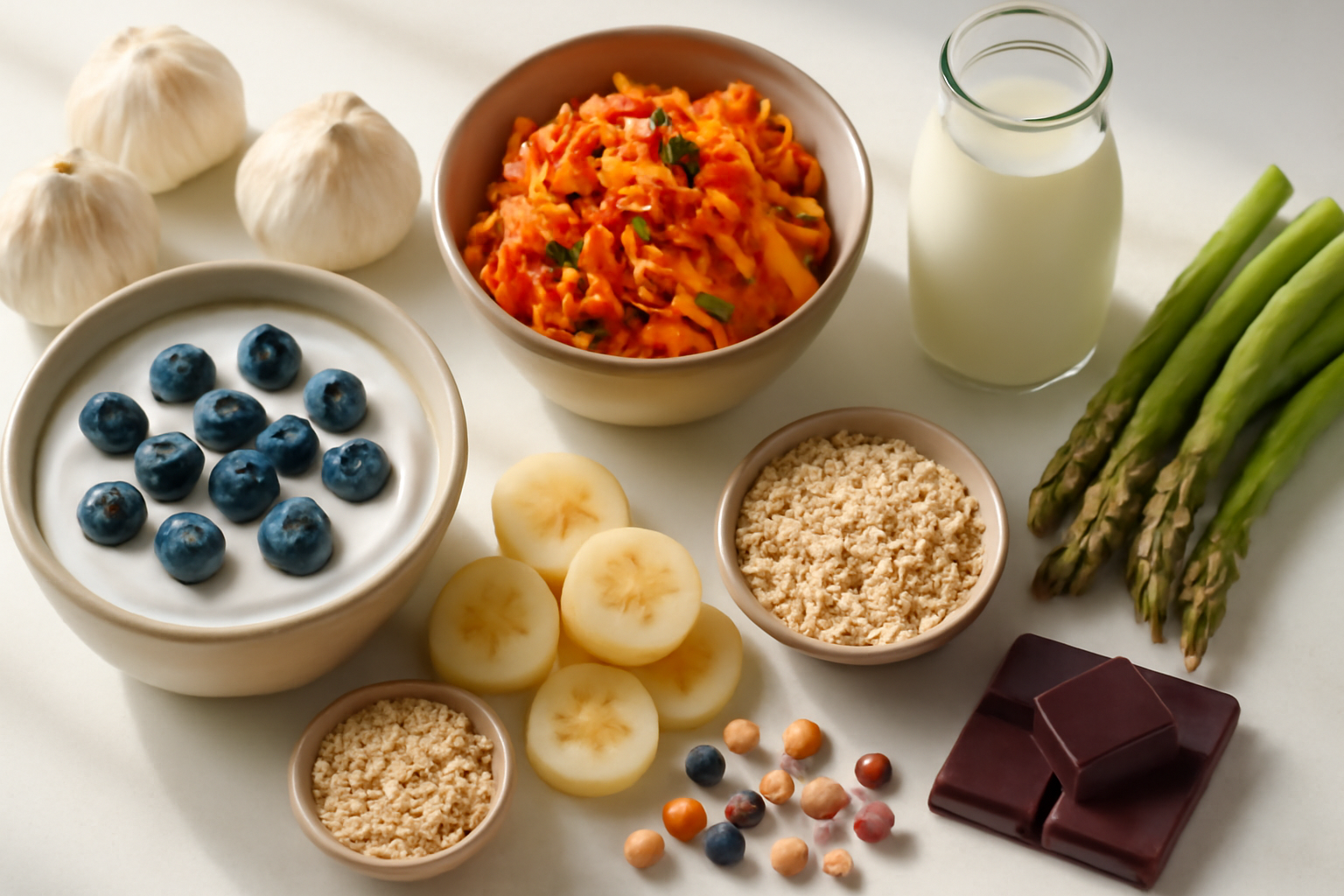
    • Plain, unsweetened yogurt with live and active cultures — aim for at least 1 cup daily
    • Kefir — a fermented milk drink shown in a Journal of Nutrition study to significantly improve lactose digestion and increase gut bacteria diversity
    • Sauerkraut and kimchi — fermented cabbage dishes rich in Lactobacillus strains; go for unpasteurized versions found in the refrigerated section
    • Miso and tempeh — fermented soy products that also deliver plant-based protein
    • Kombucha — fermented tea with beneficial acids and modest probiotic content; choose low-sugar versions

    2. High-Fiber Prebiotic Foods

    Without prebiotic fiber, even the best probiotic bacteria won’t survive long in your gut. These foods feed your microbiome:

    • Garlic and onions — among the richest sources of inulin, a powerful prebiotic fiber
    • Leeks, asparagus, and Jerusalem artichokes — all high in fructooligosaccharides (FOS)
    • Bananas (slightly underripe) — contain resistant starch, which feeds beneficial bacteria
    • Oats — rich in beta-glucan, a soluble fiber linked to improved microbiome balance and reduced LDL cholesterol (per the USDA Dietary Guidelines)
    • Legumes — beans, lentils, and chickpeas are among the most potent prebiotic foods available; aim for ½ cup cooked servings, 3–5 times per week

    3. Polyphenol-Rich Foods

    Polyphenols are plant compounds that act as fuel for beneficial gut bacteria. Harvard Health Publishing highlights that people who consume diets rich in polyphenols show greater microbiome diversity. Key sources include:

    • Blueberries, raspberries, and blackberries
    • Dark chocolate (70% cacao or higher, 1 oz serving)
    • Extra virgin olive oil
    • Green and black tea
    • Red grapes and pomegranate

    Common Mistakes That Sabotage Your Gut Health

    Even well-intentioned eaters make these errors. Recognizing them is the first step to correcting course.

    Mistake #1: Eating too little fiber, too inconsistently. The USDA Dietary Guidelines recommend 25–38 grams of fiber per day for adults, but the average American consumes only about 15 grams. Sporadic fiber intake doesn’t give gut bacteria enough consistent fuel to thrive. Fix: Build fiber in gradually — sudden large increases can cause gas and bloating. Add one fiber-rich food per meal over two to three weeks.

    Mistake #2: Over-relying on probiotic supplements while ignoring diet. Taking a daily probiotic pill while eating a diet high in ultra-processed foods, refined sugar, and low fiber is like planting seeds in concrete. Research in Cell Host & Microbe showed that post-antibiotic microbiome recovery was actually slower in people who took standard probiotic supplements compared to those who allowed natural recovery with a diverse diet. Fix: Prioritize food-first probiotics and pair them with prebiotic-rich meals.

    Mistake #3: Too much added sugar and ultra-processed food. Sugar feeds harmful bacterial strains and promotes dysbiosis. A diet high in ultra-processed foods — even ones marketed as "healthy" — has been linked in a BMJ study to reduced microbiome diversity. Fix: Read ingredient labels and aim to minimize foods with added sugars above 5g per serving as a daily habit.

    Mistake #4: Chronic stress without a management strategy. This one surprises people. The gut-brain axis runs both ways — chronic psychological stress directly alters gut bacteria composition and increases intestinal permeability. The American Psychological Association confirms that stress hormones like cortisol can disrupt microbial balance. Fix: Incorporate even 10 minutes of daily breathwork, walking, or mindfulness to buffer stress effects on the gut.

    Mistake #5: Not drinking enough water. Fiber needs water to do its job. Without adequate hydration, increased fiber intake can worsen constipation rather than improve it. The Mayo Clinic recommends approximately 3.7 liters (about 125 oz) of total daily water intake for men and 2.7 liters (about 91 oz) for women from all sources.

    What to Eat (and What to Scale Back) for a Healthier Gut

    Think of this less as a strict diet and more as a daily framework.

    Prioritize daily:

    • At least 2–3 servings of vegetables, especially non-starchy varieties like broccoli, spinach, and artichokes
    • 1 serving of fermented food (yogurt, kefir, sauerkraut, or kimchi)
    • 1–2 servings of legumes or whole grains per day
    • A variety of colorful fruits — diversity matters more than quantity

    Scale back significantly:

    • Processed meats (deli meats, sausages) — associated with lower microbiome diversity in multiple cohort studies
    • Artificial sweeteners — particularly sucralose and saccharin, which a study in Nature found to alter gut bacteria composition in some individuals
    • Excessive alcohol — even moderate drinking consistently disrupts gut flora balance according to research from the NIH
    • Refined carbohydrates and packaged snack foods with long ingredient lists

    The USDA Dietary Guidelines and the Academy of Nutrition and Dietetics both emphasize that there’s no single gut health diet — what matters is overall pattern: high variety, high fiber, minimally processed, and rich in plant diversity.

    How Long Until You Notice a Difference?

    Here’s the honest answer: it depends on your starting point, and results vary significantly from person to person.

    That said, research offers some helpful benchmarks. The Stanford Cell study mentioned earlier found that measurable changes in microbiome composition began appearing within just one to two weeks of dietary changes. Improvements in bloating, stool consistency, and energy are often the first things people notice.

    For more systemic changes — reduced inflammatory markers, better immune response, improved mood regulation — expect a timeline of four to twelve weeks of consistent dietary shifts. The key word is consistent. The gut microbiome is highly responsive but also highly reactive to backsliding.

    What to track:

    • Stool regularity and consistency (a basic but reliable gut health signal)
    • Bloating frequency and severity after meals
    • Energy levels in the afternoon (a gut-energy connection is well documented)
    • Sleep quality — gut bacteria produce precursors to serotonin and melatonin
    • Mood and mental clarity over a 4-week window

    When to see a professional: If you experience persistent bloating, unexplained weight changes, chronic diarrhea or constipation, or pain that doesn’t resolve after four to six weeks of dietary changes, consult a registered dietitian or gastroenterologist. These symptoms can signal conditions like SIBO, IBS, or IBD that require targeted clinical intervention.

    Frequently Asked Questions About Gut Health Foods

    Q: Do I need to take a probiotic supplement if I eat fermented foods?
    A: Not necessarily. For most healthy adults, a varied diet rich in fermented foods and prebiotic fiber provides meaningful probiotic support. Supplements can be useful in specific situations — after antibiotic use, for example — but the NIH notes that supplement benefits are highly strain-specific. Talk to a registered dietitian before adding one.

    Q: Is Greek yogurt really good for gut health?
    A: Yes — with one caveat. Plain, unsweetened Greek yogurt with live and active cultures is one of the most accessible and well-studied sources of gut-friendly bacteria, particularly Lactobacillus and Bifidobacterium strains. Flavored yogurts with high added sugar largely offset these benefits.

    Q: Can gut health affect my weight?
    A: Research strongly suggests a connection. A 2022 study in Nature Metabolism found that specific gut microbiome profiles were associated with more efficient calorie extraction from food and increased fat storage. Improving microbiome diversity may support healthier weight management — though it’s one factor among many, not a standalone solution.

    Q: How many different plants should I eat per week?
    A: The American Gut Project, one of the largest microbiome studies to date, found that people who ate 30 or more different plant foods per week had significantly more diverse gut microbiomes than those who ate fewer than 10. This doesn’t mean 30 servings — just 30 different plant types, including herbs, spices, nuts, seeds, grains, and vegetables.

    Q: Is gluten bad for gut health in people without celiac disease?
    A: For the vast majority of people, gluten does not damage the gut. Celiac disease and non-celiac gluten sensitivity are specific medical conditions affecting a minority of the population. Unnecessarily eliminating gluten can actually reduce fiber intake and microbiome diversity by cutting out whole grains. Always consult a healthcare provider before removing major food groups.

    Start Small, Stay Consistent, and Trust the Process

    You don’t need a dramatic overhaul to transform your gut health. Adding one fermented food, increasing your plant variety by just five new types per week, and drinking enough water are genuinely meaningful starting points — not consolation prizes.

    The science is clear: a diverse, fiber-rich, whole food diet is the most powerful tool you have for building a resilient microbiome. And a healthier gut tends to make everything else — energy, mood, immunity, digestion — work a little better too.

    Your one action for today: swap your usual afternoon snack for a cup of plain yogurt with berries and a sprinkle of flaxseed. It’s small, it’s delicious, and your gut bacteria will genuinely thank you.


    This article is for informational and educational purposes only. The content is not intended to replace professional medical, nutritional, or fitness advice. Always consult a qualified healthcare provider, registered dietitian, or certified fitness professional before starting a new health program or making significant changes to your lifestyle.

    Content reviewed by our wellness editorial team, with references to peer-reviewed research and guidelines from leading health organizations including the Academy of Nutrition and Dietetics, NIH, Harvard Health Publishing, the USDA Dietary Guidelines, the American Psychological Association, and the Mayo Clinic.