Blog

  • Dietary Fiber and Gut Health: Your Complete Guide

    Dietary Fiber and Gut Health: Your Complete Guide

    Dietary Fiber and Gut Health: Your Complete Guide

    Most Americans eat less than half the fiber they need every day — and their gut health is quietly paying the price.

    Introduction

    Picture this: you eat what feels like a reasonably healthy diet, you exercise, you drink your water — but you still feel bloated, sluggish, and oddly tired after meals. Sound familiar? If so, you’re not alone. And the culprit might be something most people barely think about: dietary fiber.

    Fiber isn’t exactly a glamorous topic. It doesn’t have the buzz of collagen, the mystique of adaptogens, or the cult following of intermittent fasting. But when it comes to gut health, dietary fiber might be the single most impactful tool available to everyday adults — and most of us are dramatically under-consuming it.

    According to the USDA Dietary Guidelines for Americans, the average US adult consumes only about 15 grams of fiber per day, which is less than half of the recommended 25–38 grams. That gap has real consequences — for your digestion, your microbiome, your immune function, and even your mood.

    In this guide, you’ll learn exactly what dietary fiber does in your gut, why different types matter, how to start eating more of it without feeling miserable, and what realistic results look like. No gimmicks. Just the science, made practical.

    Why Dietary Fiber Matters More Than You Think

    Fiber is often reduced to "the thing that keeps you regular." While that’s true, it massively undersells what fiber actually does inside your body.

    Your gut is home to trillions of bacteria, fungi, and other microorganisms collectively known as the gut microbiome. These microbes don’t just help digest food — they produce compounds that regulate inflammation, communicate with your brain, influence your immune system, and even affect how efficiently your body stores fat.

    Here’s the critical connection: many of your beneficial gut bacteria survive by fermenting dietary fiber. Without enough fiber, those bacteria literally starve — and research shows they may begin feeding on the protective mucus lining of your gut instead. A 2016 study published in the journal Cell Host & Microbe demonstrated exactly this phenomenon in animal models, raising important questions about the consequences of low-fiber diets on gut barrier integrity in humans.

    The Academy of Nutrition and Dietetics notes that adequate fiber intake is associated with reduced risk of cardiovascular disease, type 2 diabetes, colorectal cancer, and obesity. That’s not a small list — it’s essentially a checklist of the most common chronic health concerns facing US adults today.

    Your daily fiber intake isn’t just a digestive issue. It’s a foundation of long-term wellness.

    The Science Behind Fiber: How It Actually Works

    Not all fiber is the same, and understanding the difference helps you make smarter choices.

    Soluble fiber dissolves in water and forms a gel-like substance in your digestive tract. It slows digestion, helps regulate blood sugar, and feeds beneficial bacteria like Bifidobacterium and Lactobacillus species. Good sources include oats, beans, apples, and flaxseeds.

    Insoluble fiber doesn’t dissolve — it adds bulk to stool and speeds transit through the colon. This is the type most directly responsible for bowel regularity. You’ll find it in whole grains, nuts, and the skins of vegetables.

    There’s also a third category gaining scientific attention: prebiotic fiber. This refers to specific types of soluble fiber — like inulin and fructooligosaccharides (FOS) — that selectively feed beneficial bacteria. Foods rich in prebiotic fiber include garlic, onions, leeks, asparagus, and bananas.

    A common myth is that fiber supplements are just as effective as food-based fiber. The reality is more nuanced. Research published in The Lancet in 2019 — which analyzed 185 prospective studies and 58 clinical trials — found that people who ate naturally high-fiber diets had significantly better health outcomes than those taking fiber in supplement form. Whole food sources come packaged with phytonutrients, vitamins, and compounds that work synergistically.

    That said, supplements can be useful tools for specific people in specific situations — more on that shortly.

    One more key mechanism: when gut bacteria ferment fiber, they produce short-chain fatty acids (SCFAs), particularly butyrate, acetate, and propionate. Butyrate is the primary fuel source for colon cells, helps maintain the gut lining, and has been shown to have anti-inflammatory properties. A healthy fiber intake directly supports SCFA production — and your gut’s structural integrity depends on it.

    How to Get Started: Practical Steps for Every Level

    The most important rule about increasing fiber: go slow. Adding too much too fast is the number-one reason people give up on high-fiber eating — and it’s completely avoidable.

    For Beginners (currently eating under 15g/day):

    • Add one high-fiber food to each meal rather than overhauling your entire diet at once.
    • Start with cooked vegetables rather than raw — they’re easier to digest.
    • Swap refined grains for whole grains in one meal per day (white rice → brown rice, white bread → 100% whole wheat).
    • Add a tablespoon of chia seeds or ground flaxseed to your morning yogurt or smoothie. One tablespoon of chia seeds provides about 5 grams of fiber.
    • Increase water intake simultaneously — fiber needs hydration to work properly.

    For Intermediate Eaters (currently at 15–25g/day):

    • Add half a cup of legumes (black beans, lentils, chickpeas) to one meal per day. Half a cup of cooked lentils delivers about 8 grams of fiber.
    • Incorporate prebiotic-rich foods: add raw garlic or onion to sauces, sauté asparagus as a side dish, or slice a slightly unripe banana into your oatmeal.
    • Eat the skins of fruits and vegetables where safe to do so — the skin of an apple contains more fiber than the flesh.
    • Try a weekly "grain bowl" day using farro, quinoa, or barley as your base.

    For Advanced Fiber Eaters (aiming for 35g+ per day):

    • Focus on fiber diversity, not just quantity. Research suggests that eating 30 or more different plant foods per week correlates with a more diverse microbiome, according to findings from the American Gut Project.
    • Rotate your legumes, grains, seeds, and vegetables weekly.
    • Consider tracking fiber intake with a food diary app for a week to identify gaps — most people are surprised by where their blind spots are.

    If you’re interested in how probiotics complement a high-fiber diet, our guide on Probiotics for Gut Health: What Really Works walks through exactly which strains and sources make the biggest difference.

    Common Mistakes That Sabotage Your Fiber Efforts

    These errors are incredibly easy to make — and understanding them is half the battle.

    Mistake 1: Ramping Up Too Quickly
    Going from 10 grams to 35 grams of fiber in a week is a recipe for bloating, gas, cramping, and giving up. Your microbiome needs time to adapt, and your digestive enzymes need time to adjust. Increase your intake by 3–5 grams per week, and be patient. Discomfort is not failure — it’s transition.

    Mistake 2: Not Drinking Enough Water
    Fiber absorbs water as it moves through your digestive tract. Without adequate hydration, fiber can actually worsen constipation rather than relieve it. The Mayo Clinic recommends drinking at least 8 cups of water daily — more if you’re significantly increasing your fiber intake or exercising regularly.

    Mistake 3: Relying on One or Two Sources
    Eating the same fiber sources every day — say, oatmeal every morning and broccoli every night — limits microbial diversity. Different bacteria thrive on different types of fiber. Aim to vary your sources across the week: legumes, whole grains, seeds, fruits, and vegetables each feed different microbial communities.

    Mistake 4: Overlooking Processed "High-Fiber" Foods
    Many processed foods advertise added fiber (usually inulin or chicory root extract), but these isolated fibers aren’t equivalent to whole food fiber and can cause significant GI distress in large amounts. Check labels and prioritize real food sources first, supplements second.

    Mistake 5: Ignoring Digestive Signals
    If you experience persistent bloating, pain, or changes in bowel habits regardless of how slowly you increase fiber, that’s a signal worth discussing with a healthcare provider. Conditions like irritable bowel syndrome (IBS) can make high-fiber eating complicated — and some people with IBS do better with low-FODMAP approaches, which limit certain fermentable fibers. Results vary significantly depending on your baseline gut health.

    What to Eat: Your Fiber-Rich Food Blueprint

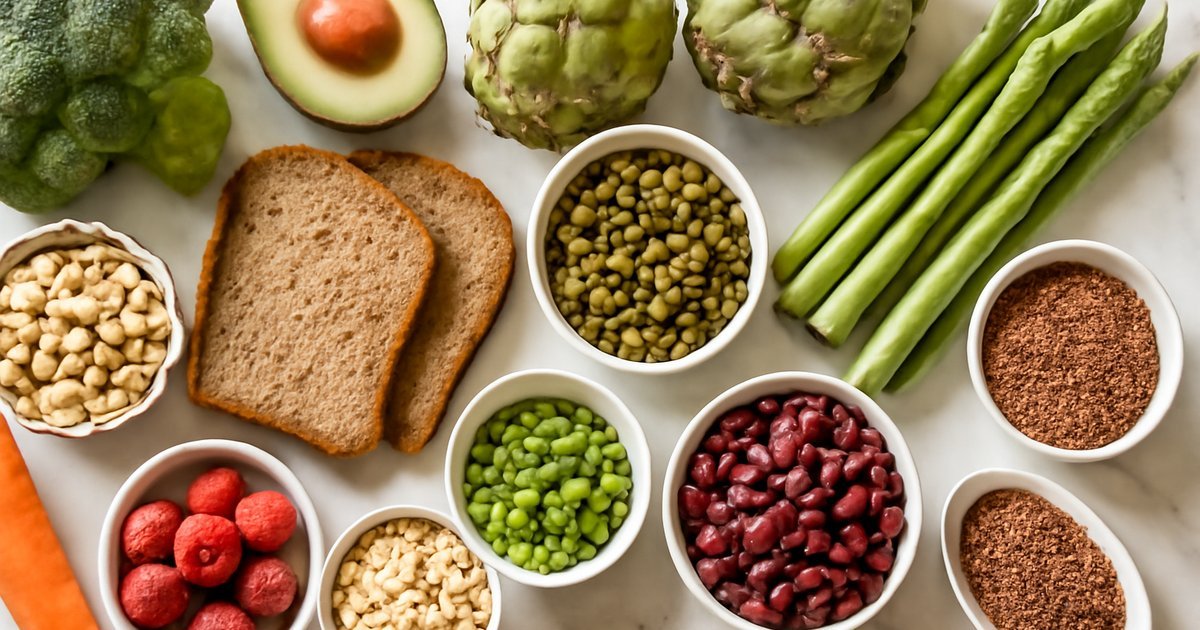
    Here’s a practical breakdown of some of the best fiber sources, organized by category. These align with USDA Dietary Guidelines and Academy of Nutrition and Dietetics recommendations.

    Legumes (highest fiber density per serving):

    • Cooked lentils — 1 cup: ~16g fiber
    • Cooked black beans — 1 cup: ~15g fiber
    • Cooked chickpeas — 1 cup: ~12g fiber
    • Edamame (shelled) — 1 cup: ~8g fiber

    Whole Grains:

    • Cooked barley — 1 cup: ~6g fiber
    • Oats (dry, rolled) — ½ cup: ~4g fiber
    • Whole wheat pasta — 1 cup cooked: ~6g fiber
    • Popcorn (air-popped) — 3 cups: ~3.6g fiber

    Vegetables:

    • Artichoke (cooked) — 1 medium: ~10g fiber
    • Peas (cooked) — 1 cup: ~9g fiber
    • Broccoli (cooked) — 1 cup: ~5g fiber
    • Brussels sprouts — 1 cup: ~4g fiber

    Fruits:

    • Avocado — ½ fruit: ~5g fiber
    • Raspberries — 1 cup: ~8g fiber
    • Pear (with skin) — 1 medium: ~5.5g fiber
    • Apple (with skin) — 1 medium: ~4.4g fiber

    Seeds & Nuts:

    • Chia seeds — 1 oz (2 tbsp): ~10g fiber
    • Ground flaxseed — 2 tbsp: ~4g fiber
    • Almonds — 1 oz (23 nuts): ~3.5g fiber

    Building your meals around these categories — rather than tracking grams obsessively — is a practical and sustainable approach for most people.

    For a deeper look at how diet intersects with energy and cellular function, check out our article on Mitochondrial Health: The Real Key to Aging Well. The connection between a well-fed microbiome and cellular energy production is more direct than most people realize.

    How Long Until You See Results — and What to Track

    This is where expectations matter. Gut health improvements from fiber happen on a spectrum — some changes are noticeable within days, while others take weeks or months.

    Within 1–2 weeks: Most people notice changes in bowel regularity and consistency. Bloating may temporarily increase as your microbiome adjusts — this is normal and usually subsides.

    Within 3–4 weeks: Energy levels, post-meal heaviness, and general digestive comfort typically begin to improve. Research from the NIH suggests that meaningful shifts in microbiome composition can begin within two to four weeks of consistent dietary changes.

    Within 8–12 weeks: More sustained benefits — including improvements in blood sugar regulation, cholesterol levels, and inflammatory markers — are more likely to become measurable over this timeframe, according to data referenced by Harvard Health Publishing.

    What to track:

    • Bowel consistency (the Bristol Stool Chart is a clinically used reference tool — types 3 and 4 are considered ideal)
    • Frequency of bloating and gas episodes — note patterns, not just presence
    • Energy levels and post-meal fatigue
    • Skin clarity — the gut-skin axis means microbiome changes sometimes show up on your face first
    • Sleep quality — emerging research links microbiome diversity with sleep regulation

    When to seek professional guidance: If you’ve been consistently eating adequate fiber for 6–8 weeks and still experience persistent bloating, pain, alternating constipation and diarrhea, or unexplained weight changes, consult a gastroenterologist or registered dietitian. These symptoms may point to conditions that require individualized management beyond dietary changes alone.

    Frequently Asked Questions

    Can eating more fiber help me lose weight?
    Fiber can support weight management by increasing satiety, slowing digestion, and reducing post-meal blood sugar spikes — which may help curb cravings. A 2015 study published in the Annals of Internal Medicine found that simply adding more fiber to your diet (without other changes) led to meaningful weight loss over 12 months. However, fiber is a tool, not a solution — and results vary significantly depending on overall diet and lifestyle.

    Is psyllium husk a good fiber supplement?
    Psyllium husk is one of the most well-researched fiber supplements and is often recommended by the Mayo Clinic and other institutions for both constipation and cholesterol management. It’s predominantly soluble fiber and generally well-tolerated when taken with plenty of water. That said, it’s best used to complement a food-based fiber strategy, not replace it.

    Does cooking destroy fiber?
    Not significantly. Cooking can soften fiber and slightly reduce some types, but the overall fiber content of most vegetables, legumes, and grains remains largely intact after cooking. In fact, cooked legumes are often easier on the digestive system than raw ones, making them a better starting point if your gut is sensitive.

    Can I eat too much fiber?
    Yes — though for most Americans, it’s a rare problem. Extremely high fiber intake (above 70g per day) can interfere with the absorption of certain minerals like calcium, zinc, and iron. It can also cause significant GI distress. Stick to the recommended range of 25–38 grams per day unless otherwise directed by a healthcare provider.

    What about fiber and the gut-brain connection?
    This is an active and fascinating area of research. SCFAs produced from fiber fermentation can influence the vagus nerve and impact neurotransmitter production, including serotonin — about 90% of which is produced in the gut. While the research is still evolving, adequate fiber intake appears to be one pillar of supporting the gut-brain axis.

    Conclusion

    Here’s the honest truth: you don’t need a radical overhaul to transform your gut health through fiber. You need consistency, patience, and a willingness to diversify what’s on your plate.

    Start with one simple change today — add half a cup of lentils to your lunch, swap your white bread for whole grain, or throw a tablespoon of chia seeds into your morning routine. Small, repeatable shifts compound over time in ways that dramatic 30-day challenges rarely do.

    Your gut bacteria are ready to respond. The science is clear. And now you have the roadmap.

    Take one step. Build on it. And trust the process.


    This article is for informational and educational purposes only. The content is not intended to replace professional medical, nutritional, or fitness advice. Always consult a qualified healthcare provider, registered dietitian, or certified fitness professional before starting a new health program or making significant changes to your lifestyle.

    Content reviewed by our wellness editorial team, with references to peer-reviewed research and guidelines from leading health organizations.


  • Perimenopause Symptoms: What’s Normal and What to Do

    Perimenopause Symptoms: What’s Normal and What to Do

    Perimenopause Symptoms: What’s Normal and What to Do

    You’re not losing your mind — your hormones are shifting, and there’s a lot you can actually do about it.

    You’re in your early 40s, sleeping fine for years, and then suddenly you’re wide awake at 3 a.m., heart pounding, drenched in sweat. Or maybe your periods have gone from clockwork to completely unpredictable. Or you feel irritable in a way that doesn’t quite match your stress levels. Sound familiar?

    This is perimenopause — the transition phase leading up to menopause — and it affects millions of American women, often starting a full decade before their last period. Yet many women are caught completely off guard, either because no one told them what to expect or because their symptoms were brushed off as "just stress."

    The truth is, perimenopause is one of the most significant hormonal shifts in a woman’s life. And while it’s completely normal, it doesn’t mean you have to white-knuckle your way through it. This guide breaks down what’s actually happening in your body, which symptoms are common, which ones deserve medical attention, and — most importantly — what you can do to feel like yourself again.


    Why Perimenopause Matters More Than You Think

    Most women associate "the change" with menopause itself — the day your periods stop for good. But perimenopause, the transition phase leading up to that point, can last anywhere from 4 to 10 years. According to the North American Menopause Society (NAMS), the average woman enters perimenopause in her mid-to-late 40s, though some women begin experiencing hormonal shifts as early as their late 30s.

    During this time, estrogen and progesterone levels don’t decline gradually in a straight line. They fluctuate wildly — spiking and dropping in unpredictable patterns. That hormonal volatility is what drives many of the most disruptive symptoms.

    A 2019 study published in JAMA Internal Medicine found that more than 70% of women experience moderate to severe perimenopausal symptoms, yet fewer than 30% seek medical guidance. The gap between what women are experiencing and the support they’re receiving is enormous.

    And the impact goes beyond hot flashes. Hormonal changes during perimenopause are linked to shifts in bone density, cardiovascular risk, mood, cognitive function, and metabolic health. Understanding this phase isn’t just about managing discomfort — it’s about protecting your long-term well-being.


    How Perimenopause Actually Works

    Here’s the simplified version of a genuinely complex process: your ovaries gradually begin producing less estrogen and progesterone. But unlike a slow, steady decline, hormone levels during perimenopause look more like a roller coaster — particularly estrogen, which can surge higher than normal before eventually falling.

    These fluctuations affect nearly every system in your body because estrogen receptors exist in your brain, heart, bones, skin, gut, and bladder. When estrogen levels are erratic, you feel it everywhere.

    One common myth to bust: Many women believe hot flashes are the defining symptom of perimenopause and assume that if they’re not having them, nothing is changing hormonally. In reality, research from the Study of Women’s Health Across the Nation (SWAN) — one of the largest longitudinal studies on menopause in the U.S. — found that sleep disturbances, mood changes, and irregular periods often appear years before hot flashes begin. Your body sends early signals long before the dramatic ones arrive.

    Progesterone tends to decline first, which is why irregular periods and sleep disruptions are often among the earliest signs. As estrogen becomes increasingly erratic, hot flashes, vaginal dryness, and cognitive symptoms like brain fog become more common.


    The Most Common Symptoms — and What’s Normal

    Let’s get specific. These are the symptoms most commonly associated with perimenopause, along with what’s generally considered typical versus what warrants a closer look with your healthcare provider.

    Irregular Periods

    One of the earliest and most reliable signs. Your cycle may get shorter, longer, heavier, lighter, or simply skip months. This is normal during perimenopause. However, very heavy bleeding (soaking through a pad or tampon every hour for several hours), bleeding between periods, or bleeding after sex should always be evaluated by a gynecologist.

    Hot Flashes and Night Sweats

    Affecting up to 80% of perimenopausal women according to the American College of Obstetricians and Gynecologists (ACOG), hot flashes are sudden waves of heat — often in the face, neck, and chest — followed by sweating and sometimes chills. Night sweats are the nighttime version. They can last anywhere from 30 seconds to several minutes and may occur multiple times a day or week.

    Sleep Disruption

    Both night sweats and independent hormonal changes can severely fragment sleep. Research from the National Sleep Foundation links perimenopausal hormonal shifts to reductions in slow-wave (deep) sleep, leaving women feeling unrefreshed even after a full night in bed.

    Mood Changes and Anxiety

    Irritability, low mood, heightened anxiety, and increased emotional reactivity are all common. Estrogen plays a role in serotonin regulation, so its fluctuations can genuinely affect how you feel emotionally. Women with a history of PMS or postpartum mood changes tend to be more sensitive to perimenopausal mood shifts. This is not "just stress" — it has a biological basis.

    Brain Fog

    Trouble concentrating, forgetting words mid-sentence, or feeling mentally sluggish are reported by many perimenopausal women. A study from the University of Rochester found that women in early perimenopause showed measurable declines in memory and processing speed — but importantly, these effects were largely reversible as women moved through the transition.

    Vaginal Dryness and Changes in Libido

    Lower estrogen reduces vaginal lubrication and tissue elasticity, which can cause discomfort during sex. This is underreported but very common and very treatable. Changes in libido are also typical and may be driven by both hormonal and psychological factors.

    Weight Changes

    Many women notice weight gain — particularly around the abdomen — during perimenopause even without changes to diet or exercise. Estrogen influences where the body stores fat, and its decline shifts storage patterns toward visceral (belly) fat. This also increases cardiovascular risk, which is why women’s heart health deserves close attention during this stage.


    Practical Steps: What You Can Do Right Now

    You don’t have to wait for symptoms to become severe before taking action. Here’s a tiered approach based on where you are in your experience:

    Beginner Level: Build Your Foundation

    1. Track your cycle and symptoms. Use a simple app or a notebook to log your period dates, hot flash frequency, sleep quality, and mood. This data is invaluable when you talk to your doctor.
    2. Prioritize sleep hygiene. Keep your bedroom cool (around 65-68°F), reduce alcohol in the evening (even moderate amounts worsen night sweats), and establish a consistent wind-down routine.
    3. Move your body daily. Even a 30-minute walk has documented benefits for mood, sleep, and metabolic health during perimenopause. The ACSM recommends at least 150 minutes of moderate aerobic activity per week for perimenopausal women.
    4. Reduce added sugar and refined carbs. These accelerate insulin resistance, which is already more likely during perimenopause due to estrogen changes.

    Intermediate Level: Go Deeper

    1. Add strength training. According to ACOG, resistance training at least twice per week helps preserve bone density and muscle mass — both of which decline with estrogen loss. It also improves body composition and insulin sensitivity.
    2. Increase phytoestrogen-rich foods. Foods like edamame, tofu, tempeh, flaxseeds, and chickpeas contain plant compounds that may mildly support estrogen activity. The Academy of Nutrition and Dietetics notes that evidence is moderate but generally safe for most women.
    3. Manage stress deliberately. Cortisol competes with progesterone and can worsen hormonal imbalance. Practices like breathwork, yoga, or even daily journaling can meaningfully shift your stress response. Our guide on chronic stress and cortisol offers a science-backed starting point.

    Advanced: Work With Your Healthcare Team

    1. Ask about hormone therapy (HT). Hormone therapy — once dismissed — has been significantly rehabilitated by updated research. ACOG and NAMS now state that for healthy women under 60 who are within 10 years of menopause onset, the benefits often outweigh the risks. This is a highly individual decision that requires a thorough conversation with your OB-GYN.
    2. Explore non-hormonal prescription options. Medications like low-dose SSRIs, SNRIs, or gabapentin have shown effectiveness for hot flashes in women who can’t or don’t want hormone therapy.
    3. Get a baseline bone density scan. The U.S. Preventive Services Task Force recommends screening for osteoporosis starting at 65, but women with early perimenopause or known risk factors may benefit from earlier evaluation.

    Common Mistakes That Sabotage Your Comfort and Health

    Mistake 1: Dismissing symptoms as "just getting older."
    Perimenopause symptoms have specific physiological causes and many have effective treatments. Accepting severe sleep disruption, mood swings, or painful intercourse as unavoidable is a disservice to yourself. Bring a detailed symptom log to your next appointment and advocate for a real conversation.

    Mistake 2: Relying heavily on alcohol to wind down.
    Alcohol is a common coping mechanism for the stress and sleep disruption of perimenopause — but it’s counterproductive. Research published in Menopause (the journal of NAMS) found that alcohol consumption significantly increases the frequency and severity of hot flashes and fragments sleep architecture. Even one or two drinks in the evening can have a measurable negative effect.

    Mistake 3: Abandoning exercise because energy is low.
    Fatigue during perimenopause is real and frustrating. But cutting out physical activity creates a feedback loop that makes fatigue, weight gain, and mood changes worse. The solution isn’t more rest — it’s gentler, consistent movement. Restorative yoga, walking, or swimming can be excellent bridges when high-intensity workouts feel like too much.

    Mistake 4: Assuming nothing can be done about cognitive symptoms.
    Brain fog during perimenopause is genuinely distressing and often leads women to fear something more serious. Most cognitive changes during this phase are temporary and hormone-driven. Strategies like sleep optimization, omega-3 intake, and stress management can support brain function. Explore how omega-3 fatty acids support cognitive health as a practical starting point.


    What to Eat to Support Hormonal Balance

    No diet will stop perimenopause — but what you eat absolutely influences how you feel through it. Here’s what the evidence supports:

    Increase protein intake. Aim for 1.2 to 1.6 grams of protein per kilogram of body weight daily. This is above the standard RDA and is supported by research from the American Journal of Clinical Nutrition as a strategy to preserve muscle mass and support satiety during hormonal transitions. Good sources: eggs, chicken, salmon, Greek yogurt, lentils, and tofu.

    Prioritize calcium and vitamin D. With declining estrogen accelerating bone loss, the USDA Dietary Guidelines recommend 1,000 to 1,200 mg of calcium daily for women in this age group, alongside at least 600-800 IU of vitamin D. Dairy, fortified plant milks, sardines, and leafy greens are strong dietary sources.

    Load up on fiber. Fiber supports gut health, moderates blood sugar, and helps the body process and eliminate excess estrogen through the digestive system. The Academy of Nutrition and Dietetics recommends 25 grams per day for adult women. Berries, legumes, oats, and vegetables are excellent sources.

    Reduce ultra-processed foods. These tend to be high in added sugar and refined carbohydrates, which worsen insulin resistance — a growing concern during perimenopause. They also promote inflammation, which can amplify hot flash frequency according to research from the Women’s Health Initiative.

    Watch caffeine timing. Caffeine doesn’t necessarily cause hot flashes, but it can exacerbate sleep disruption and anxiety. Cutting off caffeine by early afternoon is a low-effort, high-impact adjustment for many women.


    How Long Until You Feel Better — and What to Track

    Perimenopause is not a sprint. The full transition can take 4 to 10 years, and symptoms fluctuate throughout. But that doesn’t mean you’ll feel bad the entire time. Many women find that targeted lifestyle changes produce noticeable improvements within 4 to 8 weeks.

    Here’s what to track and how long results typically take:

    • Sleep quality: Improvements from sleep hygiene adjustments and alcohol reduction are often noticeable within 2-4 weeks.
    • Mood stability: Regular exercise and stress management practices tend to show meaningful mood benefits within 6-8 weeks.
    • Hot flash frequency: Dietary changes (reducing alcohol, caffeine, spicy foods) may reduce frequency within a few weeks. Hormone therapy, when indicated, typically shows results within 4-12 weeks.
    • Body composition: Strength training and dietary protein increases may take 3-6 months to show visible changes in muscle mass and fat distribution.

    If symptoms are severely affecting your quality of life — particularly sleep, mood, or sexual health — don’t wait months to seek professional guidance. The threshold for consulting your OB-GYN or a menopause specialist is lower than most women think. NAMS maintains a directory of certified menopause practitioners across the U.S.


    Frequently Asked Questions

    How do I know if I’m in perimenopause or if something else is causing my symptoms?
    The most reliable first step is a conversation with your healthcare provider along with bloodwork. FSH (follicle-stimulating hormone) levels and estradiol can help confirm hormonal changes, though levels fluctuate significantly. Thyroid dysfunction and iron deficiency can mimic perimenopausal symptoms, so ruling those out is important.

    Can perimenopause start in your late 30s?
    Yes. While the average onset is in the mid-to-late 40s, some women begin noticing hormonal shifts — particularly cycle irregularities and sleep disruptions — in their late 30s. Early perimenopause (before age 40) is less common and may warrant additional evaluation, but it does occur.

    Is hormone therapy safe?
    For most healthy women under 60 who are within 10 years of menopause onset and without specific contraindications (like certain hormone-sensitive cancers or a history of blood clots), current evidence from ACOG and NAMS suggests the benefits of hormone therapy often outweigh the risks. This is a deeply personal decision that should be made in partnership with a qualified healthcare provider based on your full health history.

    Will I gain weight no matter what I do during perimenopause?
    Not necessarily. Weight gain during perimenopause is common but not inevitable. Research suggests the hormonal shift changes fat distribution (more toward the abdomen) even without total weight gain. Strength training, adequate protein, and managing insulin resistance through diet can meaningfully limit changes in body composition — though results vary by individual.

    Can stress make perimenopausal symptoms worse?
    Absolutely, and this is well-supported by research. Elevated cortisol from chronic stress can disrupt the already-volatile hormonal environment of perimenopause, intensifying symptoms like hot flashes, sleep disruption, and mood instability. Stress reduction isn’t a luxury during this phase — it’s a clinical priority.


    The Bottom Line

    Perimenopause is not a medical problem to be fixed — it’s a natural transition that deserves real information and real support. The symptoms are valid, the science is clear, and the options for feeling better are more plentiful than most women realize.

    You don’t have to power through hot flashes, accept broken sleep as your new normal, or dismiss mood changes as weakness. Small, consistent actions — tracking your symptoms, adjusting your diet, adding strength training, having an honest conversation with your doctor — can make a meaningful difference.

    Start with one thing today. Log how you’ve been feeling this week. That single act of paying attention is the first step toward feeling like yourself again.


    This article is for informational and educational purposes only. The content is not intended to replace professional medical, nutritional, or fitness advice. Always consult a qualified healthcare provider, registered dietitian, or certified fitness professional before starting a new health program or making significant changes to your lifestyle.

    Content reviewed by our wellness editorial team, with references to peer-reviewed research and guidelines from leading health organizations including ACOG, NAMS, the American College of Sports Medicine, and the Academy of Nutrition and Dietetics.

  • Work-Life Balance: How to Reduce Stress and Reclaim Your Life

    Work-Life Balance: How to Reduce Stress and Reclaim Your Life

    Work-Life Balance: How to Reduce Stress and Reclaim Your Life

    If you finished your last “day off” feeling more exhausted than when you started, you’re not alone — and you’re definitely not lazy.

    Here’s a number that’s hard to ignore: according to the American Psychological Association, 77% of Americans regularly experience physical symptoms caused by stress — and work is consistently ranked as one of the top contributors. Yet most of the advice out there sounds like “just set better boundaries” or “learn to say no.” Easy to say. Much harder to actually do when your inbox never stops and your responsibilities don’t pause.

    Work-life balance isn’t about splitting your day into perfect halves. It’s about creating enough space in your daily rhythm so that stress doesn’t silently chip away at your health, your relationships, and your sense of self.

    In this guide, you’ll get evidence-backed strategies — not just motivational fluff — for reducing stress through smarter daily habits, boundary-setting, recovery rituals, and mindset shifts that actually hold up in a real, messy schedule.

    Why Work-Life Balance Matters More Than You Think

    Most people treat burnout like a productivity problem. They think if they could just get more organized or efficient, the stress would ease. But burnout is a physiological response — and your body doesn’t care how good your to-do list app is.

    Chronic work-related stress triggers the release of cortisol, your body’s primary stress hormone. When cortisol stays elevated over weeks or months, the downstream effects are significant: disrupted sleep, weakened immune response, elevated blood pressure, and increased risk of anxiety and depression. Harvard Health Publishing notes that prolonged stress is directly linked to cardiovascular disease, metabolic dysfunction, and accelerated cognitive decline.

    A landmark study published in JAMA Internal Medicine found that people who worked more than 55 hours per week had a 13% higher risk of heart attack and a 33% higher risk of stroke compared to those working 35 to 40 hours. That’s not a lifestyle problem — that’s a public health issue.

    The good news? Even modest, consistent improvements in how you manage work stress can produce measurable biological changes. You don’t need to overhaul your career to protect your health — you need smarter strategies applied consistently.

    For a deeper look at how chronic stress affects your cortisol levels and hormonal health, check out Chronic Stress and Cortisol: How to Break the Cycle.

    The Science Behind Stress and Recovery

    Here’s a myth worth busting right now: rest is not the same as recovery. Sitting on your couch while scrolling through emails — even if you’re technically “off the clock” — keeps your nervous system in a state of low-grade alert. That’s not recovery. That’s just slower stress.

    True recovery happens when your autonomic nervous system shifts from sympathetic dominance (the “fight or flight” state) to parasympathetic dominance (the “rest and digest” state). Activities that trigger this shift include deep breathing, light physical movement, genuine social connection, and engaging in hobbies that require presence without performance pressure.

    Research published in the Journal of Occupational Health Psychology found that psychological detachment from work during non-work hours is one of the strongest predictors of long-term stress resilience. In other words, the quality of your “off” time matters as much as what you do during work hours.

    The Mayo Clinic also emphasizes that the brain’s prefrontal cortex — responsible for decision-making, emotional regulation, and focus — is the first region to show functional decline under sustained stress. Protecting your recovery time isn’t self-indulgence. It’s neurological maintenance.

    One more thing: this works differently for everyone. Introverts tend to recover best through solitude and low-stimulation activities. Extroverts often restore energy through social engagement. Knowing your recovery style matters just as much as the strategy itself.

    How to Build a Better Work-Life Balance: Practical Steps

    These strategies are organized by what you can start immediately versus what takes a bit more planning. No radical overhauls required.

    Step 1: Define your “hard stop” time — and protect it
    Choose a consistent time when work ends each day. Put it in your calendar as a non-negotiable appointment. Research from the National Sleep Foundation confirms that eliminating screen-based work at least 60 minutes before bed meaningfully improves sleep onset and sleep quality — both of which are directly tied to next-day stress regulation.

    Step 2: Use the “shutdown ritual”
    End each workday with a brief 5-minute ritual: write tomorrow’s top three priorities, close all browser tabs, and say (out loud or in writing) “Work is done for today.” This sounds trivial but it functions as a cognitive “closing signal” that helps the brain transition out of problem-solving mode. Georgetown University neuroscientist Cal Newport has written extensively about this approach in the context of sustainable deep work.

    Step 3: Schedule recovery like a meeting
    If it’s not on your calendar, it won’t happen. Block 20 to 30 minutes of true recovery time into your day — a walk, a meal without screens, or a quiet reading session. These aren’t rewards for being productive. They’re maintenance for your system.

    Step 4 (Intermediate): Audit your energy, not just your time
    For one week, rate your energy level on a 1-5 scale at three points each day: morning, midday, and evening. Track what precedes your lowest energy periods — certain meetings, specific tasks, screen exposure, poor sleep? This data tells you where stress is leaking in so you can address it structurally, not just reactively.

    Step 5 (Advanced): Redesign one hour
    Identify the one hour in your current schedule that is most consistently draining but lowest in actual value. What can be delegated, declined, or restructured? Even small changes to your most depleting hour can have outsized effects on overall stress levels.

    Common Mistakes That Sabotage Work-Life Balance

    These are easy mistakes to make — not signs of personal failure. Recognizing them is the first step.

    Mistake 1: Treating weekends as “catch-up” time
    Using Saturday to finally answer all the emails you missed during the week means your nervous system never gets a true reset. Over time, this eliminates the recovery buffer that makes the next week sustainable. The fix: designate at least one full day per week as a complete work blackout. Even if you feel guilty at first, the performance and mood improvements will show up within two to three weeks.

    Mistake 2: Confusing busyness with productivity
    Being “always on” feels productive but often isn’t. Research from the American Psychological Association shows that cognitive performance declines significantly after 50 consecutive minutes of focused work without a break. Staying logged in for ten hours straight doesn’t equal ten hours of output — it often means four hours of real work buried inside ten hours of stress.

    Mistake 3: Skipping physical movement during high-stress periods
    When stress peaks, exercise is usually the first thing to go. But the APA’s research consistently shows that even 20 to 30 minutes of moderate aerobic activity reduces cortisol levels and improves mood for up to several hours afterward. Cutting movement during stress is like removing the one pressure valve your body has.

    Mistake 4: Relying on alcohol or caffeine to manage stress rhythms
    A glass of wine to “decompress” and an extra coffee to “push through” are extremely common coping patterns. Both disrupt your sleep architecture and keep cortisol dysregulated, making the underlying stress load harder to manage over time. This doesn’t mean eliminating them entirely — it means being honest about whether they’re helping or just masking.

    What to Eat (and Avoid) to Support Stress Resilience

    Your nutrition directly affects how your nervous system handles stress. The Academy of Nutrition and Dietetics emphasizes that what you eat influences neurotransmitter production, inflammation levels, and adrenal function — all of which shape how resilient your stress response is.

    Prioritize these:

    • Magnesium-rich foods: Spinach, pumpkin seeds, black beans, and almonds. Magnesium plays a direct role in regulating the HPA axis — the system that controls cortisol release. Many American adults are low in magnesium without knowing it.
    • Complex carbohydrates: Oats, sweet potatoes, quinoa, and legumes support steady serotonin production. The USDA Dietary Guidelines recommend making at least half of your grains whole grain, not just during stress but as a baseline habit.
    • Omega-3 fatty acids: Fatty fish (salmon, sardines, mackerel), walnuts, and flaxseeds. NIH-supported research shows omega-3s reduce inflammatory markers associated with chronic stress. For more detail, see Omega-3 Benefits: What the Science Really Says.
    • B vitamins: Eggs, leafy greens, lentils, and lean meats support adrenal health and neurotransmitter synthesis. B12 and B6 are particularly relevant for energy regulation under stress.

    Limit these during high-stress periods:

    • Ultra-processed foods and refined sugars: These spike blood glucose, which triggers additional cortisol release and creates energy crashes.
    • Excess caffeine (more than 400mg daily, per NIH guidelines): Amplifies the sympathetic nervous system response and disrupts sleep quality.
    • Skipped meals: Irregular eating patterns destabilize blood sugar, increasing perceived stress and emotional reactivity.

    Keep servings practical: aim for one palm-sized portion of lean protein, one fist of complex carbs, and one thumb of healthy fat per main meal. Simple, repeatable, and stress-compatible.

    How Long Until You See Results — and What to Track

    Managing work-life balance isn’t a sprint. But you’ll notice signals of improvement faster than most people expect — if you know what to watch for.

    Week 1-2: Most people report improved sleep onset and slightly better morning energy after implementing consistent shutdown rituals and reducing evening screen time. These are early nervous system signals, not placebo.

    Week 3-4: With consistent recovery habits, expect to notice reduced emotional reactivity during stressful moments at work, more mental clarity during peak hours, and improved mood stability. Research published in the Journal of Occupational Health Psychology found measurable improvements in perceived stress and engagement within 30 days of consistent boundary-setting practices.

    Month 2-3: Physical markers begin to shift — resting heart rate, blood pressure readings, and sleep quality (if you’re tracking with a wearable) typically improve. Some people also notice reduced sick days, improved digestion, and more stable weight, all of which are downstream effects of lower chronic cortisol.

    What to track:

    • Sleep duration and quality (even subjectively rated 1-5 each morning)
    • Daily energy level at three points: morning, midday, end of day
    • Frequency of stress headaches, digestive issues, or muscle tension
    • How often you feel genuinely “off” during non-work hours

    If you’ve made consistent changes for 6 to 8 weeks and still feel overwhelmed most days, that’s a signal to consult a licensed therapist or healthcare provider. Some stress responses have deeper roots that lifestyle changes alone won’t fully address — and that’s completely normal.

    For additional strategies on supporting mental well-being alongside stress management, Men’s Mental Health: Practical Steps to Feel Better offers evidence-backed guidance that applies to anyone navigating emotional load.

    Frequently Asked Questions

    Is work-life balance actually achievable in a demanding career?
    Yes — but the definition matters. Work-life balance doesn’t mean equal hours. It means enough recovery time to prevent physiological depletion. Even in demanding careers, implementing consistent boundaries around a few key time windows (mornings, evenings, one full weekend day) produces significant stress reduction without requiring a career change.

    How do I set boundaries at work without damaging my reputation?
    Start small and internal. Begin with boundaries you control directly — like not checking email after 8pm — rather than immediately confronting your manager. Over time, consistent, calm communication about your working hours builds professional trust rather than eroding it. The APA notes that employees who demonstrate clear work rhythms are often perceived as more reliable, not less committed.

    Can exercise really reduce stress, or is that overstated?
    It’s well-supported by research, not overstated. The American College of Sports Medicine confirms that moderate aerobic exercise reduces cortisol acutely and improves HPA axis regulation over time with consistent practice. Even a 20-minute brisk walk produces measurable mood improvement. Results vary based on fitness baseline and exercise type, but the effect is real and accessible.

    What if my stress comes from outside work — family, finances, health?
    The strategies in this guide apply to all forms of chronic stress, not just occupational stress. Boundary-setting, recovery rituals, nutrition support, and movement are effective regardless of the stress source. That said, if stress is rooted in specific life circumstances like caregiver burnout, financial anxiety, or health challenges, working with a licensed counselor or therapist will produce much better outcomes than solo habit changes alone.

    Is it possible to be too relaxed — does some stress actually help?
    Yes. Acute, short-term stress — called eustress — is actually beneficial. It sharpens focus, motivates action, and supports performance. The problem isn’t stress itself; it’s chronic, unrelenting stress without adequate recovery. The goal of work-life balance isn’t to eliminate stress but to give your nervous system enough breathing room to reset between demands.

    Conclusion

    Work-life balance isn’t a luxury reserved for people with easier jobs or fewer responsibilities. It’s a biological necessity — and the research is unambiguous on that point.

    You don’t need to transform your entire career or become a minimalist to reclaim your well-being. Start with one thing: pick a shutdown time tonight, and stick to it. That single act, repeated consistently, begins to rewire your nervous system’s relationship with rest.

    Small, consistent steps outperform dramatic overhauls every time. Your health doesn’t need you to be perfect. It needs you to be persistent. And that’s something you can start right now — today, at the end of this article.


    Wellness Disclaimer: This article is for informational and educational purposes only. The content is not intended to replace professional medical, nutritional, or fitness advice. Always consult a qualified healthcare provider, registered dietitian, or certified fitness professional before starting a new health program or making significant changes to your lifestyle.

    Content reviewed by our wellness editorial team, with references to peer-reviewed research and guidelines from leading health organizations.

  • Men’s Mental Health: Practical Steps to Feel Better

    Men’s Mental Health: Practical Steps to Feel Better

    Most men are taught to push through — but pushing through without support has a real cost that shows up in your body, your relationships, and your performance.

    The Mental Health Gap That’s Costing Men Years of Their Lives

    Here’s a number that stops most people cold: men are nearly four times more likely than women to die by suicide in the United States, according to data from the National Institute of Mental Health. Yet men are significantly less likely to seek mental health treatment, attend therapy, or even acknowledge emotional distress.

    That’s not a coincidence. It’s a pattern — one that starts early, gets reinforced culturally, and shows up in doctor’s offices, workplaces, and relationships every single day.

    If you’ve ever told yourself to "just deal with it," felt irritable or exhausted without a clear reason, or noticed that your sleep, focus, or motivation has quietly slipped over the past year — this article was written for you.

    Men’s mental health isn’t about becoming more emotional or "opening up" in ways that feel uncomfortable. It’s about understanding what’s actually happening in your brain and body, and finding practical, evidence-backed strategies that fit real life. No therapy couch required to get started.

    In this guide, you’ll learn why men’s mental health presents differently than most resources describe, what the science says about what actually helps, and how to build a simple daily framework that supports your emotional well-being — without overhauling your life.

    Why Men’s Mental Health Matters More Than You Think

    The statistics are hard to ignore, but they don’t tell the full story. Beyond suicide rates, men experience disproportionately high rates of alcohol use disorder, substance dependence, and what clinicians increasingly call "masked depression" — a pattern where emotional pain shows up as anger, aggression, risk-taking, or physical complaints rather than sadness.

    According to the American Psychological Association, men are significantly more likely to report physical symptoms of stress — chest tightness, headaches, fatigue — without connecting those symptoms to psychological distress. The body is keeping score even when the mind says everything is fine.

    A large-scale study published in JAMA Psychiatry found that untreated depression and anxiety in men increases the risk of cardiovascular disease, immune dysfunction, and all-cause mortality. In other words, ignoring your mental health isn’t just emotionally costly — it’s physically dangerous over time.

    The good news? The same study found that early intervention — even basic behavioral strategies — significantly reduced those risks. You don’t have to wait until things fall apart to make meaningful progress.

    How Men Experience Mental Health Differently — And Why It Gets Missed

    One of the most important things to understand is that depression, anxiety, and chronic stress don’t always look the same in men as they do in clinical textbooks. This is why so many men go undiagnosed — and why they sometimes dismiss their own symptoms.

    Classic descriptions of depression focus on sadness, crying, and withdrawal. But in men, the American Psychological Association notes that the most common presentations include:

    • Irritability, anger, or emotional numbness
    • Increased alcohol or substance use
    • Throwing yourself into work or physical activity to avoid feeling
    • Risk-taking behavior — driving fast, gambling, starting arguments
    • Chronic physical symptoms: back pain, headaches, fatigue, digestive issues
    • Losing interest in hobbies, sex, or activities you used to enjoy

    A common myth is that men simply don’t experience as much emotional distress as women. Research consistently disproves this — men experience comparable rates of psychological distress, but express and report it differently. The result is a massive diagnostic gap that leaves millions of men without support.

    Understanding your own warning signs — rather than waiting for textbook symptoms — is the first act of mental health self-care.

    How to Get Started: A Practical Daily Mental Health Framework

    You don’t need to redesign your life to start supporting your mental well-being. Research consistently shows that small, consistent habits have a compounding effect on mood, stress resilience, and cognitive performance. Here’s a practical entry point:

    Step 1: Anchor Your Sleep
    Poor sleep is one of the strongest predictors of poor mental health outcomes in men. The National Sleep Foundation recommends 7–9 hours per night for adults. But it’s not just quantity — sleep regularity matters. Going to bed and waking at consistent times, even on weekends, stabilizes cortisol and supports emotional regulation. Start here before anything else.

    Step 2: Move Your Body Daily (Even a Little)
    You don’t need to train for a marathon. A landmark meta-analysis published in the British Journal of Sports Medicine found that 150 minutes of moderate-intensity movement per week — about 20–22 minutes per day — produced clinically significant improvements in depression and anxiety symptoms. Walking counts. Lifting counts. Even active yard work counts.

    Step 3: Name What You’re Feeling (Even Just to Yourself)
    Research from Harvard Health Publishing shows that labeling emotions — a practice called "affect labeling" — reduces the intensity of emotional reactivity by engaging the prefrontal cortex. You don’t have to talk to anyone. Simply pausing and identifying "I’m frustrated" or "I feel overwhelmed" is a genuine neurological intervention. Write it in your phone notes if that’s easier.

    Step 4: Limit Alcohol as a Coping Tool
    Men are twice as likely as women to develop alcohol use disorder, according to the NIH. If your default stress response is a drink at the end of the day, it’s worth examining — not eliminating necessarily, but understanding. Alcohol disrupts REM sleep, elevates cortisol the next morning, and blunts emotional processing over time.

    Step 5: Build One Low-Pressure Social Connection Weekly
    Male loneliness has reached what researchers at Brigham Young University called epidemic levels. Social isolation increases mortality risk comparable to smoking 15 cigarettes per day. One meaningful interaction per week — a phone call, a workout with a friend, even a regular coffee — provides measurable benefit. It doesn’t need to involve deep conversation.

    Intermediate step: Consider a mindfulness or breathwork practice — even 5 minutes of focused breathing daily has been shown to reduce cortisol response. For evidence-backed stress management tools, see our guide on Chronic Stress and Cortisol: How to Break the Cycle.

    Advanced step: Work with a licensed therapist or counselor who uses Cognitive Behavioral Therapy (CBT) or Acceptance and Commitment Therapy (ACT). Both have strong evidence bases for men specifically, particularly when the therapist is trained to work with male communication styles.

    Common Mistakes That Sabotage Men’s Mental Health Progress

    Mistake 1: Waiting Until You Hit a Crisis
    Most men seek mental health support only after a major breakdown — a divorce, job loss, or health scare. This reactive approach means they’re starting from a much harder place. Mental health maintenance, like physical health maintenance, works best before things deteriorate. Small, proactive habits now prevent large interventions later.

    Mistake 2: Treating Exercise as a Complete Solution
    Exercise is powerful — genuinely one of the most effective evidence-backed mental health tools available. But it’s not sufficient on its own for moderate-to-severe depression or anxiety. Many men replace therapy or professional support entirely with "just working out more." The two work better together than either does alone.

    Mistake 3: Isolating When Things Get Hard
    It feels counterintuitive, but the instinct to withdraw — to "not burden people" or "figure it out alone" — is one of the strongest predictors of worsening mental health outcomes in men. Connection isn’t weakness. It’s biology. Your nervous system literally requires social interaction to regulate effectively, according to research in interpersonal neurobiology.

    Mistake 4: Dismissing Therapy Because of What It Looks Like on TV
    Many men avoid therapy because they imagine lying on a couch being analyzed. Modern evidence-based therapy is often structured, skills-focused, and practical — more like coaching than passive reflection. CBT, for instance, involves identifying thought patterns and replacing them with more effective ones. It’s problem-solving with a trained guide.

    Nutrition, Gut Health, and Mental Well-Being in Men

    The connection between what you eat and how you feel is more direct than most people realize — and it’s especially relevant to men’s mental health.

    Research published in the journal Nutritional Neuroscience found that diets high in ultra-processed foods, refined sugars, and saturated fats are associated with significantly elevated rates of depression and anxiety in adult men. Conversely, dietary patterns rich in whole foods, lean proteins, and healthy fats correlate with lower psychological distress scores.

    Key nutrients with documented roles in men’s mental health include:

    • Omega-3 fatty acids (found in fatty fish, walnuts, flaxseed): associated with reduced inflammation and improved mood regulation. See our detailed breakdown in Omega-3 Benefits: What the Science Really Says.
    • Magnesium (found in dark leafy greens, pumpkin seeds, legumes): low magnesium levels are consistently linked to elevated anxiety and poor sleep quality in men, according to research from the NIH.
    • Vitamin D: deficiency — extremely common in adult American men — has been associated with higher rates of depression. Mayo Clinic recommends testing vitamin D levels, particularly in northern states or if you work indoors.
    • Protein: adequate protein provides amino acids like tryptophan and tyrosine, precursors to serotonin and dopamine — two neurotransmitters central to mood. The USDA Dietary Guidelines recommend 0.8g per kilogram of body weight at minimum, though active men often benefit from more.

    The gut-brain axis also plays a role — and gut health directly influences neurotransmitter production. Supporting your microbiome through fiber-rich foods and fermented options (yogurt, kefir, kimchi) is increasingly recognized as a mental health strategy, not just a digestive one. For more on this, explore our guide on Probiotics for Gut Health: What Really Works.

    How Long Until You See Results — and What to Track

    One of the biggest reasons men abandon mental health habits early is expecting too much too fast. Here’s a realistic, evidence-grounded timeline:

    Days 1–14: Sleep improvements and mood stabilization from exercise are often the first things men notice. Energy levels and irritability tend to shift before deeper emotional symptoms do.

    Weeks 2–6: Consistent sleep, movement, and social connection start producing measurable changes in baseline mood and stress reactivity. A study in the Journal of Psychiatric Research found that behavioral interventions showed significant improvement in depression scores at the 4–6 week mark when practiced consistently.

    Weeks 6–12: With therapy or more structured practice, men typically report meaningful shifts in cognitive patterns — less rumination, better emotional regulation, improved relationships. This is also when physiological markers like cortisol and inflammatory markers begin to shift.

    What to track:

    • Sleep quality and duration (a basic sleep tracker or app works fine)
    • Mood on a simple 1–10 scale each morning — just 3 seconds, big data over time
    • Alcohol consumption weekly
    • Days with meaningful social interaction
    • Days with at least 20 minutes of physical activity

    If you’re not seeing any improvement after 6–8 weeks of consistent effort, or if symptoms feel severe — persistent hopelessness, inability to function, thoughts of self-harm — please reach out to a licensed mental health professional. The 988 Suicide and Crisis Lifeline (call or text 988) is available 24/7 in the United States.

    Frequently Asked Questions

    Is it normal for men to feel emotionally numb even when life looks fine from the outside?
    Yes, and it’s more common than most men realize. Emotional numbness can be a symptom of chronic stress, burnout, or masked depression — not a character flaw. According to the American Psychological Association, men often experience emotional blunting before more recognizable symptoms appear. If this resonates, it’s worth taking seriously rather than dismissing.

    Can exercise replace therapy for mental health?
    Exercise is one of the most powerful evidence-based mental health tools available — multiple meta-analyses confirm its effectiveness for mild-to-moderate depression and anxiety. However, it works best as part of a broader approach. For moderate-to-severe symptoms, professional support significantly improves outcomes compared to exercise alone.

    How do I find a therapist who’s a good fit for men specifically?
    Look for therapists trained in CBT, ACT, or Solution-Focused Therapy, and specifically ask during an initial call whether they have experience working with men. The Psychology Today therapist directory allows you to filter by specialty, insurance, and location. Don’t settle for the first option if the fit isn’t right — the therapeutic relationship matters enormously for outcomes.

    Does talking about feelings actually help, or is it just cultural pressure?
    The neuroscience is clear: affect labeling — simply naming emotions — reduces amygdala activity and emotional reactivity, according to research from UCLA. You don’t have to process feelings verbally with others. Journaling, talking to a therapist in a structured way, or even internally narrating your emotional state produces measurable neurological benefits.

    What’s the fastest single thing I can do today to support my mental health?
    Get outside and walk for 20 minutes. The combination of natural light exposure, moderate movement, and a break from screens reliably reduces cortisol, improves mood, and supports circadian rhythm. It’s not glamorous — but the research behind it is rock solid.

    Your Mental Health Is Worth Maintaining, Not Just Treating

    Here’s the truth: most men don’t get support until something breaks — a relationship, a career, their health. But mental well-being isn’t a crisis response. It’s daily maintenance, just like the gym or eating reasonably well.

    You don’t have to overhaul your life. Start with sleep. Add 20 minutes of movement. Track your mood for a week. Text someone you’ve been meaning to connect with. These aren’t small things — they’re the foundation that everything else gets built on.

    Progress in mental health rarely feels dramatic. It usually looks like a slightly better week followed by another slightly better week. That compounding is real, and it’s worth showing up for.

    Your one action today: pick one item from this guide and commit to it for the next seven days. Just one. That’s enough to start.


    This article is for informational and educational purposes only. The content is not intended to replace professional medical, nutritional, or fitness advice. Always consult a qualified healthcare provider, registered dietitian, or certified fitness professional before starting a new health program or making significant changes to your lifestyle.

    Content reviewed by our wellness editorial team, with references to peer-reviewed research and guidelines from leading health organizations.
  • Omega-3 Benefits: What the Science Really Says

    Omega-3 Benefits: What the Science Really Says

    You’ve probably been told to eat more fish or take fish oil — but do you actually know why it matters, and whether you’re doing it right?

    Walk into any health food store and you’ll find an entire wall dedicated to omega-3 supplements. Fish oil, krill oil, algae-based capsules — the options are overwhelming. And yet, despite all the marketing noise, most adults in the United States are still not getting enough of these essential fatty acids through their daily diets.

    According to data from the National Institutes of Health (NIH), a significant portion of the U.S. population falls short of adequate omega-3 intake, particularly the two most researched forms: EPA (eicosapentaenoic acid) and DHA (docosahexaenoic acid). The gap between what people know about omega-3 and what they actually do about it is striking.

    This guide cuts through the confusion. You’ll learn what omega-3 fatty acids actually do inside your body, which sources are worth your money, how to figure out the right amount for your lifestyle, and what mistakes are quietly undermining your results. Whether you’re eating the right foods or reaching for a supplement, the goal is to make this genuinely work for you — not just sit on your shelf collecting dust.

    Why Omega-3 Fatty Acids Matter More Than You Think

    Omega-3 fatty acids aren’t just another wellness trend. They are essential fats — meaning your body cannot produce them on its own. You have to get them from food or supplements, full stop. And when you don’t get enough, the downstream effects touch nearly every system in your body.

    The most widely studied benefits center on cardiovascular health. The American Heart Association (AHA) has long recognized omega-3s as beneficial for heart health, particularly for individuals with elevated triglycerides or existing cardiovascular risk factors. Research published in the New England Journal of Medicine found that supplementation with high-dose EPA significantly reduced major cardiovascular events in people with elevated triglycerides, even when they were already taking statins.

    But the heart is just the beginning. Omega-3s play a critical structural role in the brain — DHA alone makes up about 30% of the fatty acids in the brain’s gray matter, according to Harvard Health Publishing. They’re also key players in inflammation regulation, joint health, eye function, and even mood stability.

    For busy adults in their 30s, 40s, and 50s, getting adequate omega-3s can quietly support energy, mental clarity, and long-term resilience — without requiring a dramatic lifestyle overhaul. That’s the kind of simple, foundational habit that tends to compound over time.

    The Science Behind How Omega-3s Actually Work

    Here’s where things get interesting — and where most wellness articles miss the nuance. Not all omega-3s are created equal. There are three main types you need to know: ALA, EPA, and DHA.

    ALA (alpha-linolenic acid) is found mostly in plant foods like flaxseed, chia seeds, and walnuts. It’s technically an omega-3, but your body can only convert a small percentage of it into the more active EPA and DHA — typically less than 10%, according to the NIH. So while ALA has its value, relying on it alone won’t give you the full spectrum of benefits most studies are measuring.

    EPA and DHA are found primarily in fatty fish, seafood, and algae. These are the forms that directly influence inflammation pathways, brain cell membranes, and cardiovascular markers. When researchers talk about omega-3 benefits in clinical studies, they’re almost always measuring EPA and DHA specifically.

    One common myth worth busting: "I eat a healthy diet, so I don’t need to worry about omega-3s." Unless that healthy diet regularly includes fatty fish like salmon, mackerel, sardines, or anchovies, there’s a good chance your EPA and DHA intake is lower than optimal. A 2021 analysis published in the journal Nutrients found that average EPA and DHA consumption among U.S. adults remains well below the commonly recommended 250–500 mg per day for general health maintenance.

    The mechanism is worth understanding too. Omega-3s compete with omega-6 fatty acids for the same metabolic pathways. The modern American diet tends to be heavily skewed toward omega-6s (found in vegetable oils, processed snacks, and fast food), which can promote inflammatory signaling when the balance tips too far. Increasing omega-3 intake helps recalibrate that ratio — not by eliminating omega-6s, but by giving your body the counterbalance it needs.

    How to Start Getting More Omega-3s: Practical Steps

    The good news: you don’t need to make dramatic changes to meaningfully increase your omega-3 intake. Here’s a practical roadmap based on where you’re starting from.

    Beginner Level — Food First:

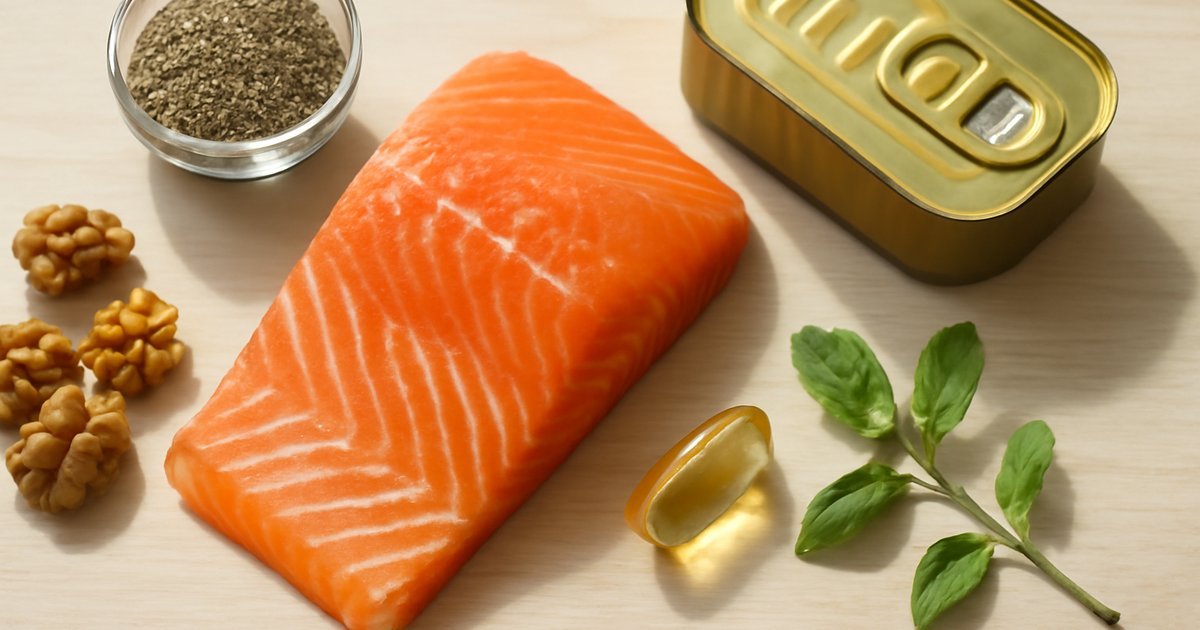
    • Aim for two servings of fatty fish per week. A 3.5-ounce serving of Atlantic salmon provides roughly 2,000–2,500 mg of combined EPA and DHA — covering multiple days of needs in one meal.
    • Add ground flaxseed or chia seeds to smoothies, oatmeal, or yogurt. These won’t replace EPA/DHA, but they do contribute ALA and come with fiber and other benefits.
    • Swap out refined oils for olive oil in cooking, and try snacking on walnuts instead of processed crackers.

    Intermediate Level — Adding a Supplement:

    • If you don’t eat fish regularly (due to preference, cost, or dietary restrictions), a standard fish oil or algae-based omega-3 supplement offering 500–1,000 mg of combined EPA and DHA per day is a reasonable starting point for general health.
    • Look for supplements that have been third-party tested (NSF International, USP, or IFOS certification) to verify purity and actual EPA/DHA content.
    • Algae-based omega-3 supplements are a well-validated option for vegetarians and vegans — they deliver DHA and EPA directly, bypassing the low-conversion issue of plant-based ALA.

    Advanced Level — Targeted Intake:

    • For individuals with elevated triglycerides, specific cardiovascular risk, or joint inflammation concerns, higher doses (2,000–4,000 mg EPA/DHA per day) are sometimes used clinically — but this range warrants guidance from a physician or registered dietitian, as high doses can have blood-thinning effects.
    • Consider tracking your intake for two weeks using a free food diary app to get a realistic baseline before deciding on supplementation.

    Common Mistakes That Quietly Undermine Your Omega-3 Results

    Even people who are genuinely trying to optimize their omega-3 intake often make avoidable errors. Here are the most common ones:

    Mistake 1: Relying solely on flaxseed or chia seeds as your omega-3 source.
    These are great foods with real health value, but as noted above, the conversion of ALA to active EPA and DHA is highly inefficient. If your goal is brain support, heart health, or anti-inflammatory effects, you need a direct source of EPA and DHA — from fish, seafood, or algae-based supplements.

    Mistake 2: Buying a low-quality supplement and assuming all fish oil is the same.
    The omega-3 supplement market is notoriously inconsistent. A 2022 review found that many commercially available fish oil products contain significantly less EPA and DHA than their labels claim — and some show signs of oxidation, which may reduce their effectiveness. Always check for third-party certification and look at the actual EPA/DHA content on the label, not just the "fish oil" total.

    Mistake 3: Taking your omega-3 supplement on an empty stomach.
    Fish oil capsules taken without food are a common cause of the dreaded "fish burp" — and they’re also absorbed less efficiently. Take omega-3 supplements with a meal that contains some fat to improve absorption and reduce GI discomfort. This one simple fix makes a noticeable difference for most people.

    Mistake 4: Ignoring the omega-6 to omega-3 ratio in your overall diet.
    Adding omega-3s while continuing to eat a diet high in refined vegetable oils and ultra-processed food is like trying to bail water out of a leaky boat. A meaningful improvement in omega-3 status often requires some reduction in omega-6-heavy oils like corn, soybean, and sunflower oil — alongside increasing omega-3 intake.

    The Best Food Sources of Omega-3 Fatty Acids

    The Academy of Nutrition and Dietetics recommends prioritizing whole food sources of omega-3s when possible, with supplementation used to fill genuine gaps. Here’s where to focus your attention:

    Top EPA and DHA sources (per 3.5 oz / 100g serving):

    • Mackerel: ~5,000 mg — one of the highest natural sources available
    • Atlantic salmon (wild-caught): ~2,200 mg — widely accessible and versatile
    • Sardines (canned in water): ~1,500 mg — affordable, shelf-stable, and underrated
    • Anchovies: ~2,000 mg — small but nutrient-dense, great in sauces and dressings
    • Rainbow trout: ~1,000 mg — a milder option that’s widely available
    • Oysters: ~500 mg — bonus: they’re also rich in zinc and vitamin B12

    Top ALA sources (plant-based, per tablespoon or ounce):

    • Ground flaxseed (1 tbsp): ~1,600 mg ALA
    • Chia seeds (1 oz): ~5,000 mg ALA
    • Walnuts (1 oz): ~2,500 mg ALA
    • Hemp seeds (1 tbsp): ~1,000 mg ALA

    A note on farmed vs. wild-caught fish: while wild-caught varieties tend to have slightly higher omega-3 content and a better omega-6 to omega-3 ratio, the difference is modest for most people. Eating farmed salmon twice a week still delivers meaningful EPA and DHA — don’t let perfect be the enemy of good here.

    For practical meal ideas, pairing any of the fatty fish options above with vegetables sautéed in olive oil, alongside a side of leafy greens, creates a genuinely anti-inflammatory meal without requiring any exotic ingredients. If you’re looking to pair this habit with other anti-inflammatory lifestyle strategies, the piece on the connection between chronic stress and inflammation is worth reading alongside this one.

    How Long Until You Notice a Difference — and What to Track

    One of the most realistic things you can hear about omega-3 supplementation: results are often gradual and internal. You won’t feel an omega-3 "kick" the next morning the way you might with caffeine. But that doesn’t mean nothing is happening.

    According to research from the journal PLEFA (Prostaglandins, Leukotrienes and Essential Fatty Acids), meaningful changes in blood omega-3 index — a measure of EPA and DHA as a percentage of red blood cell fatty acids — typically occur within 4 to 8 weeks of consistent supplementation or dietary change. The recommended omega-3 index for cardiovascular risk reduction is above 8%, while most Americans sit around 4–5%.

    What to track and notice over 4–12 weeks:

    • Subjective changes in joint stiffness or morning soreness, particularly if you exercise regularly
    • Mood stability and general sense of mental clarity — DHA’s role in brain membrane function can have subtle effects on cognitive ease over time
    • Triglyceride levels, if your doctor monitors them during routine bloodwork — omega-3s are one of the most consistently effective dietary tools for lowering elevated triglycerides
    • Skin hydration and appearance — omega-3s support the skin’s lipid barrier, and some people notice improvements in dryness or texture within 6–8 weeks

    If you’re managing a cardiovascular condition, working with a physician to test your omega-3 index before and after 3–6 months of intervention gives you objective data. For most healthy adults, consistency is the most important variable — two to four servings of fatty fish per week, or a quality supplement taken daily with meals, is the practical target.

    If you’re also working on overall cellular health and energy, consider reading about mitochondrial health — omega-3s and mitochondrial function are closely interrelated in the research on healthy aging.

    Frequently Asked Questions

    Is it better to get omega-3s from food or supplements?
    Whole food sources are generally preferred because they come packaged with other nutrients — protein, vitamins, minerals — that supplements can’t replicate. That said, if you genuinely don’t eat fish, a high-quality algae-based or fish oil supplement is a well-supported alternative. The Academy of Nutrition and Dietetics recognizes both as valid approaches depending on individual circumstances.

    Can you take too much omega-3?
    Yes, though it takes fairly high doses. The FDA considers up to 3,000 mg of EPA and DHA per day from supplements to be generally safe for most adults, with caution advised above 5,000 mg due to potential blood-thinning effects and the risk of bleeding complications. At typical doses (500–1,000 mg/day), side effects are minimal and usually limited to GI discomfort if taken on an empty stomach.

    Are omega-3s useful for mental health?
    Research suggests a modest benefit for mood and depression symptoms, particularly with higher EPA content. A meta-analysis published in JAMA Network Open found that omega-3 supplementation was associated with improved depressive symptoms in adults. This is an area of active research and the effect sizes vary, but the risk-to-benefit ratio for most adults is favorable. This doesn’t replace clinical mental health treatment, but it can be a meaningful supportive habit.

    What about mercury and contaminants in fish?
    This is a legitimate concern for certain populations, particularly pregnant women and young children. The FDA advises those groups to limit high-mercury fish (like swordfish, tilefish, and king mackerel) while encouraging low-mercury choices like salmon, sardines, and trout. For most healthy adults eating two servings of fatty fish per week, the benefits significantly outweigh the mercury exposure risk. Quality fish oil supplements are typically purified to remove mercury and PCBs — look for IFOS-certified products for verified safety.

    Do omega-3s help with weight management?
    Evidence here is mixed. Omega-3s don’t directly cause fat loss, but research from the Journal of Nutritional Biochemistry suggests they may support insulin sensitivity and lean muscle preservation when combined with exercise and a balanced diet. They’re not a weight loss intervention on their own, but they fit well within a broader healthy lifestyle strategy. For foundational approaches to weight management, pairing omega-3 intake with sustainable dietary habits — like those explored in the guide to intermittent fasting — may offer complementary benefits.

    The Bottom Line on Omega-3 Fatty Acids

    Omega-3 fatty acids aren’t a miracle supplement — and they don’t need to be. What they are is one of the most consistently supported dietary interventions in modern health research, with benefits that range from cardiovascular and brain health to inflammation management and mood stability.

    You don’t need a complicated plan. Start with two servings of fatty fish per week. Add a quality supplement if needed. Take it with food. Be consistent for at least eight weeks before evaluating how it’s working for you.

    The goal isn’t perfection — it’s building a reliable baseline of nutrients your body genuinely needs. Small, consistent actions compound into meaningful health outcomes over months and years. Omega-3s, done simply and consistently, are one of the most rewarding places to start.

    This article is for informational and educational purposes only. The content is not intended to replace professional medical, nutritional, or fitness advice. Always consult a qualified healthcare provider, registered dietitian, or certified fitness professional before starting a new health program or making significant changes to your lifestyle.

    Content reviewed by our wellness editorial team, with references to peer-reviewed research and guidelines from leading health organizations.
  • Mitochondrial Health: The Real Key to Aging Well

    Mitochondrial Health: The Real Key to Aging Well

    You eat well, sleep enough, and still feel like your energy mysteriously disappeared somewhere around your late thirties — turns out, the answer might be happening at a cellular level.

    Why Your Cells Are the Starting Point of How You Age

    Most conversations about healthy aging focus on the obvious stuff — eat more vegetables, move your body, get enough sleep. All good advice. But very few people talk about what’s actually happening inside your cells that determines how gracefully you age, how much energy you have, and how resilient your body stays over the decades.

    The answer, increasingly, points to your mitochondria.

    Mitochondria are the tiny energy-producing structures inside nearly every cell in your body. You probably remember them from biology class as the "powerhouse of the cell" — and that’s not just a meme. They’re responsible for producing ATP (adenosine triphosphate), the molecule your body runs on. Every time you climb stairs, think a thought, or digest a meal, ATP is being burned.

    Here’s the problem: mitochondrial function declines with age. Research published in the Journal of Physiology has shown that mitochondrial efficiency and quantity both decrease significantly after age 40 — and this decline is closely linked to fatigue, slower recovery, metabolic issues, cognitive fog, and even cardiovascular risk. In other words, what’s happening in your cells is shaping your lived experience of aging.

    The good news? Mitochondrial health is not fixed. You can meaningfully support it — and the habits that do so overlap directly with everything we know about longevity, energy, and disease prevention. This guide breaks it all down in a practical, science-backed way.


    Why Mitochondrial Health Matters More Than You Think

    Most people attribute age-related fatigue to just "getting older" — as if it’s an inevitable, fixed process. But researchers studying aging have increasingly focused on mitochondrial dysfunction as one of the key upstream drivers of how we age, not just a symptom of it.

    Your body has trillions of mitochondria, with the highest concentrations in your heart, brain, liver, and skeletal muscles — the organs that demand the most energy. When mitochondria work well, they produce energy efficiently and with minimal cellular waste. When they start to decline, they produce more reactive oxygen species (free radicals), less ATP, and more oxidative stress — a process that accelerates cellular aging.

    According to the National Institutes of Health (NIH), oxidative stress and mitochondrial dysfunction are central mechanisms behind age-related conditions including type 2 diabetes, neurodegenerative disease, heart disease, and sarcopenia (muscle loss). A landmark 2019 review in Nature Reviews Molecular Cell Biology identified mitochondrial dysfunction as one of the nine hallmarks of aging.

    This connects directly to your daily life. That mid-afternoon crash, the longer recovery time after a workout, the brain fog that didn’t used to be there — these aren’t just lifestyle inconveniences. They’re often signs that your cellular energy system needs attention.

    The encouraging truth is that lifestyle choices have a measurable impact on mitochondrial function at any age. You’re not just "managing symptoms" — you’re potentially changing how your cells age.


    The Science Behind Mitochondrial Decline and What Actually Reverses It

    One of the most persistent myths about aging is that it’s almost entirely genetic — that your trajectory is written in your DNA and lifestyle changes only make a marginal difference. The science tells a different story.

    A powerful process called mitochondrial biogenesis — the creation of new, healthy mitochondria — can be triggered by specific lifestyle behaviors. The key molecular switch is a protein called PGC-1α (peroxisome proliferator-activated receptor gamma coactivator 1-alpha). Think of PGC-1α as the master regulator: when it’s activated, your body responds by building more efficient mitochondria and improving how existing ones perform.

    What activates PGC-1α? According to research from Harvard Health Publishing and multiple peer-reviewed studies in journals including Cell Metabolism: exercise (especially endurance and high-intensity intervals), cold exposure, caloric modulation, certain nutrients, and quality sleep.

    Busting a common myth: Many people assume that taking antioxidant supplements is the best way to fight mitochondrial aging. But the evidence is more nuanced. Research published in the Journal of Physiology found that high-dose antioxidant supplementation can actually blunt the adaptive response to exercise — essentially interfering with the natural cellular stress signal that triggers mitochondria to strengthen. The body’s own antioxidant system (triggered by moderate exercise and certain foods) tends to outperform megadose supplements.

    Another key mechanism is mitophagy — your body’s process of clearing out damaged mitochondria and recycling their components. Think of it as cellular housekeeping. When mitophagy works well, your cells stay efficient. When it breaks down (as it tends to with age, sedentary behavior, and poor diet), damaged mitochondria accumulate and contribute to inflammation and dysfunction.

    The bottom line from the science: your mitochondria are plastic — meaning they respond to your environment and habits. This is among the most empowering findings in modern aging research.


    How to Support Mitochondrial Health: Practical Steps by Level

    You don’t need a biohacking lab or an expensive supplement stack to start supporting your mitochondria. The fundamentals are both accessible and well-supported by research.

    Beginner Level

    • Move every day — any way you can. Even a 20-30 minute brisk walk activates mitochondrial signaling. The American College of Sports Medicine (ACSM) recommends at least 150 minutes of moderate aerobic activity per week for general health, and research shows this level of activity meaningfully improves mitochondrial density in muscle cells.
    • Prioritize sleep consistency. Mitochondria repair and replicate during deep sleep. Going to bed and waking at the same time each day — even on weekends — supports circadian-aligned cellular repair. The National Sleep Foundation recommends 7-9 hours for adults.
    • Eat more colorful plants. Polyphenols found in blueberries, dark leafy greens, green tea, and red grapes activate pathways (including SIRT1 and AMPK) that support mitochondrial function. Aim for at least 5 varied servings of vegetables and fruits daily, per USDA Dietary Guidelines.
    • Reduce ultra-processed food. A diet high in refined sugars and seed oils has been linked to increased mitochondrial oxidative stress. This doesn’t require perfection — reducing frequency matters.

    Intermediate Level

    • Add interval training 2x per week. High-intensity interval training (HIIT) is one of the most potent stimulators of mitochondrial biogenesis. A 2017 study published in Cell Metabolism found that HIIT increased mitochondrial capacity by up to 49% in older adults. Even 20 minutes of intervals twice weekly can produce measurable results.
    • Experiment with time-restricted eating. Compressing your eating window to 8-10 hours (without extreme restriction) can promote mitophagy — the cellular cleanup process — and reduce oxidative stress. For a detailed look at how this works, see Intermittent Fasting: A Beginner’s Complete Guide.
    • Strength train at least twice a week. Skeletal muscle is mitochondria-rich tissue. Resistance training both preserves and builds this tissue, slowing the mitochondrial decline that comes with age-related muscle loss.

    Advanced Level

    • Cold exposure (with caution). Brief cold showers or cold water immersion can activate brown adipose tissue and stimulate mitochondrial uncoupling — a process that generates heat and promotes mitochondrial efficiency. Start with 30-60 seconds of cold water at the end of a regular shower. This is not for everyone, particularly those with cardiovascular conditions.
    • Track HRV (Heart Rate Variability). HRV is an indirect marker of mitochondrial and autonomic nervous system health. Many wearables now track this metric — declining HRV over time may signal cellular stress worth addressing.

    Common Mistakes That Undermine Cellular Energy and Aging Well

    Even health-conscious people make these errors — and they’re completely understandable given how much conflicting information is out there.

    1. Over-relying on supplements while under-delivering on basics.
    Mitochondrial supplements (CoQ10, NAD+ precursors like NMN or NR, PQQ) are widely marketed and have some research support — but they work best as additions to, not substitutes for, exercise, diet, and sleep. Taking a CoQ10 capsule while skipping workouts and sleeping 5 hours is not a winning strategy. The foundation matters first.

    2. Chronic over-training without recovery.
    Exercise stress is healthy — but only when followed by adequate recovery. Without proper rest, the oxidative load from training exceeds the body’s repair capacity. This is especially relevant as you age: recovery windows lengthen. Prioritize at least one or two full rest days per week, and monitor energy levels as a guide.

    3. Skimping on dietary fat while chasing low-calorie perfection.
    Mitochondria require healthy fats to function properly. The inner membrane of each mitochondrion is made largely of lipids, and essential fatty acids — particularly omega-3s — influence membrane fluidity and function. Chronically low-fat diets can inadvertently impair mitochondrial membrane integrity. Sources like fatty fish, avocado, olive oil, and walnuts support this structure.

    4. Ignoring chronic stress as a mitochondrial threat.
    Elevated cortisol — the hallmark of chronic stress — has been shown to impair mitochondrial function and reduce energy output at the cellular level. If stress is unmanaged, even perfect nutrition and exercise have diminished returns. For more on this, read Chronic Stress and Cortisol: How to Break the Cycle.

    5. Assuming this is only relevant after 60.
    Mitochondrial decline can begin as early as your mid-30s in people with sedentary lifestyles and poor sleep. Starting mitochondrial-supportive habits in your 30s or 40s is significantly more effective than trying to course-correct at 65. Early investment in cellular health compounds over time.


    What to Eat to Support Your Mitochondria

    You don’t need an exotic diet. What research supports is a dietary pattern rich in specific nutrients that directly feed mitochondrial function and reduce the oxidative stress that damages them.

    Prioritize these nutrients and their sources:

    • CoQ10 (Coenzyme Q10): Found in organ meats (especially heart and liver), fatty fish (salmon, sardines), and beef. CoQ10 is a direct electron carrier in the mitochondrial energy chain. The Academy of Nutrition and Dietetics notes that food sources provide modest but meaningful amounts.
    • B vitamins (B1, B2, B3, B5, B7): These vitamins are essential cofactors for the mitochondrial energy cycle (Krebs cycle). Good sources include eggs, whole grains, legumes, dark leafy greens, and nutritional yeast. Deficiencies in B vitamins are directly linked to impaired energy metabolism.
    • Magnesium: Required for ATP synthesis — ATP only becomes biologically active when bound to magnesium. Yet studies suggest nearly half of American adults don’t meet the daily recommended intake. Sources: pumpkin seeds, spinach, black beans, almonds, and dark chocolate (70%+). Aim for 310-420 mg/day per NIH guidelines.
    • Polyphenols: Resveratrol (red grapes, peanuts), quercetin (apples, onions, capers), and EGCG (green tea) activate SIRT1 and AMPK — signaling pathways that stimulate mitochondrial biogenesis.
    • Omega-3 fatty acids: EPA and DHA from fatty fish (2-3 servings per week per AHA guidelines) support mitochondrial membrane integrity and reduce inflammatory signaling that impairs function.
    • Iron and copper: Critical for the electron transport chain in mitochondria. Found in shellfish, red meat, lentils, and dark leafy greens. Deficiency in either nutrient directly impairs ATP production.

    What to reduce: Ultra-processed foods, high-fructose corn syrup, trans fats, and excessive alcohol — all have been shown to increase mitochondrial oxidative stress and impair function in research reviewed by the NIH.

    For more on how gut health interacts with nutrient absorption and cellular wellbeing, see Probiotics for Gut Health: What Really Works.


    How Long Until You Notice a Difference?

    This is where honesty matters. Mitochondrial improvements aren’t like weight loss — you won’t step on a scale and see a number change. The results show up differently, and timelines vary considerably based on your starting point, age, and consistency.

    2-4 weeks: Many people report improved energy levels and reduced afternoon fatigue within the first few weeks of consistent aerobic exercise and dietary changes. This may reflect early improvements in mitochondrial efficiency and reduced oxidative burden.

    6-12 weeks: Measurable improvements in mitochondrial density and function in muscle tissue have been observed in exercise intervention studies within this window. The Cell Metabolism HIIT study mentioned earlier showed significant changes after 12 weeks. You may notice better workout recovery and improved mental clarity.

    6+ months: Sustained habits over this period are where more meaningful changes in cellular aging markers, inflammatory biomarkers (like CRP), and metabolic function tend to become measurable in clinical research.

    What to track:

    • Subjective energy levels (morning and afternoon, on a 1-10 scale)
    • Sleep quality and recovery
    • Workout performance and recovery time
    • Cognitive sharpness and mood stability
    • HRV, if you use a wearable device

    When to consult a professional: If you’re experiencing persistent fatigue, significant cognitive changes, or muscle weakness despite lifestyle efforts, speak with your primary care physician. Some mitochondrial conditions require clinical evaluation, and fatigue can have many causes beyond lifestyle factors.


    Frequently Asked Questions

    Q: Do I need to take NMN or NAD+ supplements for mitochondrial health?
    NAD+ precursors like NMN and NR have growing research support, particularly from animal studies and some early human trials. However, the evidence is still emerging, and these supplements are not necessary for most people who are exercising regularly, sleeping well, and eating a nutrient-rich diet. If you’re interested, consult a healthcare provider — dosing and quality vary widely across products.

    Q: Is CoQ10 supplementation worth it?
    CoQ10 supplementation shows the most consistent benefit in people over 40, those on statin medications (which deplete CoQ10), and those with cardiovascular conditions. For generally healthy younger adults, dietary sources and exercise-induced CoQ10 production may be sufficient. Results vary significantly based on individual baseline levels.

    Q: Can poor gut health affect mitochondrial function?
    Yes — and this is an active area of research. The gut microbiome influences systemic inflammation, nutrient absorption, and short-chain fatty acid production, all of which interact with mitochondrial function. Supporting gut health through fiber-rich foods and fermented foods is a reasonable complementary approach.

    Q: Does mitochondrial decline explain why I recover slower from workouts now?
    It’s one contributing factor. Slower post-exercise recovery with age reflects changes in mitochondrial repair capacity, reduced satellite cell activity (muscle repair cells), and altered hormonal signaling. This is normal — but it’s also a strong argument for consistent training, adequate protein (0.7-1g per pound of bodyweight), and prioritized sleep.

    Q: Is this relevant for women going through perimenopause or menopause?
    Absolutely. Estrogen plays a protective role in mitochondrial function — it supports antioxidant defenses and mitochondrial biogenesis. Research published in Menopause (the journal of The Menopause Society) has shown that the hormonal shifts of perimenopause and menopause accelerate mitochondrial aging in some tissues. This makes exercise, nutrient-dense eating, and stress management especially important during this life stage.


    The Takeaway: Small, Consistent Habits Build Healthier Cells

    Aging well isn’t about finding a single breakthrough habit or the perfect supplement. It’s about consistently giving your cells — your mitochondria — what they need to keep up with the life you want to live.

    Move regularly. Sleep like it matters (because it does). Eat food that feeds your body at the cellular level. Manage stress not as a luxury but as a health fundamental. These aren’t glamorous prescriptions, but they’re the ones that show up in the research, decade after decade.

    Pick one change from this guide and start today. Not next Monday, not after the holidays — today. Your cells are always responding. What you do consistently, starting now, shapes how you feel and function for years to come.


    Wellness Disclaimer: This article is for informational and educational purposes only. The content is not intended to replace professional medical, nutritional, or fitness advice. Always consult a qualified healthcare provider, registered dietitian, or certified fitness professional before starting a new health program or making significant changes to your lifestyle.

    Content reviewed by our wellness editorial team, with references to peer-reviewed research and guidelines from leading health organizations including the NIH, ACSM, Academy of Nutrition and Dietetics, National Sleep Foundation, and Harvard Health Publishing.

  • Probiotics for Gut Health: What Really Works

    Probiotics for Gut Health: What Really Works

    Probiotics for Gut Health: What Really Works

    You’ve seen the yogurt commercials, stared at rows of supplements at the pharmacy, and maybe even tried a few — but do probiotics actually do anything meaningful for your gut?

    Here’s a number that might surprise you: according to the National Institutes of Health, the human gut houses an estimated 38 trillion microbial cells — more than the total number of human cells in your entire body. That community of bacteria, fungi, and other microorganisms is called your gut microbiota, and keeping it balanced is one of the most powerful things you can do for your overall health.

    Probiotics — live microorganisms that, when consumed in adequate amounts, provide a health benefit — have gone from a niche wellness topic to a multi-billion-dollar industry. But with so many products, strains, and claims flooding the market, it’s genuinely hard to know what’s real and what’s just clever marketing.

    This guide cuts through the noise. You’ll learn exactly what probiotics are, which strains have the strongest research behind them, how to use them effectively, and what common mistakes people make that cancel out any potential benefit. No hype — just what the science actually says.

    Why Gut Health Matters More Than You Think

    Most people connect the gut to digestion — and that’s fair. But the gut’s influence extends far beyond breaking down food. Research now links the state of your gut microbiome to immune function, mood regulation, skin health, metabolism, and even cardiovascular outcomes.

    A 2019 review published in the journal Cell found that gut microbial diversity is one of the strongest predictors of long-term health across multiple body systems. When diversity drops — due to poor diet, antibiotics, chronic stress, or lack of sleep — the gut becomes more vulnerable to inflammation, permeability issues, and opportunistic pathogens.

    According to the American Gastroenterological Association, an estimated 60 to 70 million Americans are affected by digestive diseases annually. And that doesn’t account for the millions more who deal with subclinical symptoms: bloating, irregular bowel habits, low energy after meals, or a general sense of not feeling well in their gut.

    The gut is also your largest immune organ — roughly 70 percent of your immune system resides there, according to Harvard Health Publishing. When your gut microbiota is out of balance, your immune response can become dysregulated, contributing to chronic inflammation that quietly affects the whole body.

    For a deeper look at how your gut communicates with your brain and stress response, this breakdown on Chronic Stress and Cortisol is worth reading — because the two systems are more intertwined than most people realize.

    The Science Behind Probiotics: How They Actually Work

    Probiotics aren’t magic pills. They work by competing with harmful bacteria for space and resources in the gut lining, producing short-chain fatty acids and other compounds that support the intestinal barrier, and modulating immune signaling. The key word in the clinical definition is adequate amounts — not all probiotic products contain enough live organisms to make a difference.

    The most well-researched probiotic genera are Lactobacillus and Bifidobacterium. Within these genera, specific strains — identified by a full name like Lactobacillus acidophilus NCFM or Bifidobacterium longum 35624 — have been studied for targeted benefits. This is where many people go wrong: assuming that any probiotic will do any job.

    One common myth is that more is always better. A product with 100 billion CFUs (colony-forming units) isn’t automatically superior to one with 10 billion. What matters is whether those CFUs are the right strain for your goal, whether they survive the acidic environment of the stomach, and whether they reach the colon alive.

    A landmark meta-analysis published in JAMA found significant strain-specific differences in outcomes. Lactobacillus rhamnosus GG, for example, showed consistent evidence for reducing antibiotic-associated diarrhea, while Bifidobacterium infantis 35624 showed more meaningful results for IBS-related bloating and discomfort. These are not interchangeable.

    If you’ve explored topics like Leaky Gut Syndrome, you already know how the integrity of the intestinal lining plays a central role in gut health — and certain probiotic strains directly support that barrier function.

    How to Get Started With Probiotics: Practical Steps

    Whether you’re brand new to probiotics or you’ve dabbled without clear results, here’s a strategic approach based on what the research actually supports.

    Step 1: Identify your goal. Probiotics aren’t one-size-fits-all. Are you dealing with post-antibiotic gut disruption? Chronic bloating? Irregular digestion? General maintenance? Your goal determines which strain or combination makes sense.

    Step 2: Choose strain-specific products. Look for labels that list the full strain name (genus, species, and alphanumeric strain code). If a label just says "Lactobacillus blend," it’s harder to verify what research, if any, applies to that product.

    Step 3: Check CFU count and delivery method. Aim for products with 5 to 30 billion CFUs for general gut support — within ranges studied in clinical trials. Look for enteric-coated capsules or verified shelf-stable formulations, which better protect live bacteria from stomach acid.

    Step 4: Add fermented foods alongside supplements. Whole food sources of probiotics — plain yogurt with live cultures, kefir, kimchi, sauerkraut, miso, tempeh — provide live organisms alongside fiber and nutrients that support microbial diversity in ways that supplements alone don’t replicate. The Academy of Nutrition and Dietetics recommends including fermented foods as part of a balanced dietary pattern.

    Beginner option: Start with one serving of plain kefir or yogurt daily and a basic single-strain supplement like Lactobacillus acidophilus. Give it four to six weeks before evaluating.

    Intermediate option: Add two to three fermented food servings per week alongside a multi-strain supplement (look for both Lactobacillus and Bifidobacterium strains). Track digestive symptoms in a simple journal.

    Advanced option: Work with a registered dietitian to identify specific strains based on your symptom profile. Some practitioners now use microbiome testing to personalize probiotic choices, though the clinical utility of consumer-grade tests is still evolving.

    Common Mistakes That Sabotage Probiotic Results

    It’s easy to spend money on probiotics and feel like nothing happened — often because of avoidable errors in how they’re selected or used.

    Mistake 1: Choosing the wrong strain for your goal. This is the most common and most costly error. Someone buying a probiotic marketed for "immune support" when they actually struggle with bloating and IBS may be using a strain with little to no evidence for their specific concern. Research your strain, not just the brand.

    Mistake 2: Expecting results in a few days. Most research on probiotic efficacy measures outcomes at four to eight weeks of consistent use. If you try a product for a week, feel no dramatic change, and quit, you’ve likely not given it enough time to colonize and produce measurable effects. Consistency is non-negotiable.

    Mistake 3: Ignoring prebiotic support. Probiotics are live organisms — they need to eat. Prebiotics (non-digestible fibers found in foods like garlic, onions, leeks, asparagus, oats, and bananas) feed beneficial bacteria and dramatically improve probiotic survival and function. Taking a probiotic while eating a low-fiber diet is like planting seeds in dry concrete.

    Mistake 4: Storing probiotics incorrectly. Many probiotic strains are sensitive to heat and moisture. Leaving a refrigerated probiotic on a warm counter for weeks can significantly reduce viable CFU counts. Always follow storage instructions — and check that the CFU count listed is guaranteed at the expiration date, not just at manufacturing.

    Mistake 5: Expecting probiotics to compensate for a poor diet. No supplement overrides a diet high in ultra-processed foods, refined sugar, and low fiber. The USDA Dietary Guidelines consistently emphasize dietary patterns as the foundation — probiotics work best as a complement to whole food choices, not a substitute.

    What to Eat to Support Probiotic Effectiveness

    Probiotics thrive in a gut environment that’s rich in diverse fiber and low in the compounds that disrupt microbial balance. Here’s what to prioritize — and what to pull back on.

    Eat more of:

    • Fermented foods: Plain yogurt (look for "live and active cultures" on the label), kefir (8–12 oz daily is a common studied intake), kimchi, sauerkraut, miso, and tempeh. Aim for at least one serving per day.
    • Prebiotic-rich vegetables and fruits: Garlic, onions, leeks, asparagus, artichokes, green bananas, and oats. Even half a cup of cooked oats provides meaningful beta-glucan fiber.
    • Diverse plant foods: Research from the American Gut Project (published in mSystems) found that people who consumed 30 or more different plant foods per week had significantly higher gut microbial diversity than those eating 10 or fewer.
    • Polyphenol-rich foods: Blueberries, dark chocolate (70 percent cacao or higher), green tea, and extra-virgin olive oil feed beneficial bacteria and have anti-inflammatory effects in the gut.

    Reduce or minimize:

    • Ultra-processed foods: Emulsifiers like carboxymethylcellulose and polysorbate-80 (common in packaged snacks and dressings) have been shown in animal studies to disrupt the mucosal layer of the gut.
    • Excessive alcohol: Even moderate chronic alcohol intake alters microbial composition and increases intestinal permeability, according to research published in Alcohol Research: Current Reviews.
    • High added sugar intake: Feeds pathogenic bacteria and yeasts while suppressing beneficial strains. The American Heart Association recommends no more than 25 grams of added sugar per day for women and 36 grams for men.

    How Long Until You See Results — and What to Track

    Realistic timelines matter. If you go in expecting overnight changes, you’ll quit too early — and miss real improvements that develop gradually.

    Weeks 1–2: Some people notice initial GI changes — either an improvement in regularity or, temporarily, some extra gas as the gut microbiome adjusts. This is generally normal and settles down. A 2021 review in Nutrients noted that early digestive adjustments are common within the first two weeks of starting probiotics.

    Weeks 3–6: This is typically when more consistent improvements in bloating, bowel regularity, and general digestive comfort become noticeable. If you’re using probiotics for antibiotic recovery, most studies show meaningful restoration of microbial populations within four to six weeks post-antibiotic course.

    Weeks 8–12: For goals like immune support, mood stabilization via the gut-brain axis, or managing IBS symptoms, the most robust clinical studies run for eight to twelve weeks before measuring primary outcomes. Results vary significantly based on your baseline microbiome, diet, sleep quality, and stress levels.

    What to track: Keep a simple daily log noting bloating frequency and intensity (rate 1–5), bowel movement consistency (the Bristol Stool Chart is a useful clinical reference), energy after meals, and any digestive discomfort. Patterns over weeks are more meaningful than day-to-day fluctuations.

    When to reassess: If you’ve been consistent for eight weeks with no noticeable change, consult a registered dietitian or gastroenterologist. There may be an underlying issue — like SIBO (small intestinal bacterial overgrowth) — where certain probiotics can actually worsen symptoms and a different clinical approach is needed.

    Frequently Asked Questions

    Can I take probiotics every day long-term?
    For most healthy adults, daily probiotic use from food or supplements appears safe with no known long-term risks. However, individuals with compromised immune systems, serious illness, or recent surgery should consult a physician before starting any probiotic regimen. The Mayo Clinic notes that probiotics are generally well-tolerated in healthy populations over extended periods.

    Should I take probiotics with food or on an empty stomach?
    This depends on the strain. Some strains, including Lactobacillus species, survive better when taken with a meal containing some fat, which buffers stomach acid. Others are formulated to be taken on an empty stomach. Always follow the product’s specific guidance and look for enteric-coated capsules for better acid resistance regardless of timing.

    Do probiotics help with weight loss?
    The evidence here is preliminary and far from conclusive. Some studies suggest certain strains — particularly Lactobacillus gasseri — may modestly reduce belly fat in specific populations, but the effect sizes are small and highly variable. Probiotics are not a weight management strategy on their own. Results vary significantly depending on diet, activity level, and individual metabolic factors.

    Are expensive probiotics always better?
    Not necessarily. Price reflects brand, marketing, and sometimes refrigeration logistics — not always clinical efficacy. What matters is strain specificity, CFU viability at expiration, and third-party testing. Look for products verified by NSF International, USP, or ConsumerLab for quality assurance, regardless of price point.

    Can probiotics help with anxiety or mood?
    Emerging research on the gut-brain axis is genuinely exciting here. A 2019 study published in Frontiers in Psychiatry found that multi-strain probiotic supplementation over eight weeks was associated with modest reductions in self-reported anxiety and depressive symptoms in healthy adults. However, this is a developing field — probiotics should not replace evidence-based mental health treatment, but may serve as a supportive adjunct. Always work with a qualified provider if anxiety or mood is a primary concern.

    Start Simple, Stay Consistent

    You don’t need a 50-strain supplement or a refrigerator full of expensive kefir to meaningfully support your gut. The research is clear on one thing above all else: consistency with a few well-chosen strategies beats sporadic attempts at the perfect protocol.

    Start with one fermented food daily. Choose a probiotic with a named strain matched to your specific concern. Add more plant diversity to your plate and reduce the ultra-processed foods that work against your gut. And give it time — because a healthier gut microbiome is built over weeks and months, not days.

    Your gut is one of the most dynamic and responsive systems in your body. Small, consistent inputs produce real, measurable shifts — and those shifts ripple outward into energy, immunity, mood, and beyond. Today is a good day to start.


    This article is for informational and educational purposes only. The content is not intended to replace professional medical, nutritional, or fitness advice. Always consult a qualified healthcare provider, registered dietitian, or certified fitness professional before starting a new health program or making significant changes to your lifestyle.

    Content reviewed by our wellness editorial team, with references to peer-reviewed research and guidelines from leading health organizations.

  • Women’s Heart Health: Warning Signs You Shouldn’t Ignore

    Women’s Heart Health: Warning Signs You Shouldn’t Ignore

    Heart disease looks different in women — and that difference has been costing lives for decades.

    Picture this: you’re 47, a little more tired than usual, feeling some pressure in your upper back and a wave of nausea after climbing the stairs. You chalk it up to a stressful week and skip your doctor’s appointment. But for thousands of American women every year, those symptoms are a heart attack — one that gets dismissed, misdiagnosed, or noticed too late.

    Here’s the striking truth: cardiovascular disease is the number one killer of women in the United States, responsible for 1 in every 5 female deaths, according to the American Heart Association. Yet the vast majority of women still believe breast cancer is their greatest health threat. That gap in awareness is dangerous — and completely reversible.

    Women’s heart health is not just a medical topic. It’s a daily wellness priority that touches everything from what you eat to how well you sleep, how you manage stress, and what warning signs you know to watch for. This guide will walk you through the science, the symptoms, and the practical habits that genuinely protect your heart — so you can take action today, not someday.

    Why Women’s Heart Health Is a Different Conversation

    For most of medical history, cardiovascular research was conducted almost exclusively on men. That means the “classic” heart attack image — crushing chest pain, left arm numbness — was built around the male experience. Women’s symptoms are often subtler, more diffuse, and easier to explain away.

    According to research published in the Journal of the American College of Cardiology, women are significantly more likely than men to experience atypical heart attack symptoms including jaw pain, back pain, nausea, extreme fatigue, and shortness of breath without severe chest discomfort. This means women often delay seeking emergency care — and when they do arrive, they’re sometimes sent home with antacids instead of an EKG.

    Hormones play a major role in this divergence. Estrogen has a natural cardioprotective effect, which is part of why younger women tend to have lower rates of heart disease than men of the same age. But after menopause, estrogen levels decline — and cardiovascular risk rises sharply. The American Heart Association notes that heart disease risk in postmenopausal women begins to approach that of men within a decade of menopause.

    Additionally, conditions like pregnancy complications, polycystic ovary syndrome (PCOS), and autoimmune diseases — which disproportionately affect women — are increasingly recognized as independent risk factors for cardiovascular disease. Your full health history matters more than most standard screenings reflect.

    The Science Behind What Damages (and Protects) a Woman’s Heart

    You might assume that heart disease is mostly about cholesterol. But the picture is considerably more complex — especially for women.

    Research from Harvard Health Publishing shows that inflammation plays a central role in cardiovascular risk, often independent of LDL cholesterol levels. High-sensitivity C-reactive protein (hs-CRP), a marker of systemic inflammation, is a particularly meaningful predictor of heart disease risk in women — sometimes more so than cholesterol alone. This is one reason the chronic stress-cortisol cycle matters so much: prolonged stress drives up inflammatory markers, directly burdening your cardiovascular system.

    The myth that heart disease only happens to overweight, sedentary people has also been debunked. Women with normal BMIs can have significant arterial inflammation or microvascular disease — a condition where damage occurs in smaller coronary arteries that standard tests sometimes miss. In fact, a condition called MINOCA (myocardial infarction with no obstructive coronary artery disease) occurs more frequently in women and is often underdiagnosed.

    On the protective side, consistent aerobic exercise, a whole-foods diet rich in unsaturated fats and fiber, quality sleep, and stress management all show meaningful evidence for reducing cardiovascular risk in women. The American College of Sports Medicine (ACSM) recommends at least 150 minutes of moderate-intensity aerobic activity per week as a baseline for cardiovascular health — and the benefits are dose-responsive, meaning more movement generally means more protection.

    Practical Steps to Protect Your Heart Starting Now

    You don’t need a dramatic overhaul to start moving in the right direction. These are the evidence-supported steps most likely to make a real difference:

    1. Know your numbers — all of them.
    Blood pressure, fasting blood glucose, total cholesterol (including HDL and LDL separately), triglycerides, and hs-CRP if your doctor agrees it’s warranted. These are your cardiovascular dashboard. The American Heart Association recommends blood pressure screening starting at age 20 and lipid screening starting at age 20-24 for women at average risk.

    2. Move your body in ways you’ll actually sustain.
    Brisk walking, cycling, swimming, dancing — the best cardio is the one you do consistently. Even three 10-minute walking sessions per day can have measurable benefits on blood pressure and blood sugar. If you’re more advanced, incorporating resistance training 2-3 days a week also supports heart health by improving insulin sensitivity and body composition.

    3. Prioritize sleep like the health intervention it is.
    The National Sleep Foundation links chronic sleep deprivation to elevated blood pressure, increased inflammation, and impaired glucose metabolism — all cardiovascular risk factors. Women, especially perimenopausal and postmenopausal, often experience disrupted sleep that deserves proper attention, not just tolerance.

    4. Manage stress with structure, not willpower.
    Chronic psychological stress activates the HPA axis, raising cortisol and driving inflammation. Structured practices like breathwork, mindfulness, or even regular social connection have documented cardiovascular benefits. Check out these practical mindfulness steps that can fit into even the busiest day.

    5. Don’t smoke — and limit alcohol.
    Smoking is a leading modifiable cardiovascular risk factor. Even occasional smoking significantly increases risk. Alcohol, while popularly associated with heart benefits, shows increasing evidence that the risks outweigh any potential benefit at more than moderate quantities. The Dietary Guidelines for Americans define moderate drinking as up to one drink per day for women.

    Common Mistakes That Put Women’s Hearts at Risk

    These are some of the most common — and most fixable — errors women make when it comes to heart health:

    Mistake 1: Dismissing fatigue as “just life.”
    Unusual, unexplained exhaustion is one of the most reported early warning signs of heart disease in women, sometimes appearing weeks before a cardiac event. If you’ve been significantly more tired than usual without a clear reason, it’s worth mentioning to your doctor — not normalizing it as the cost of being busy.

    Mistake 2: Focusing on weight rather than metabolic health.
    Weight is one data point, not the whole story. Some women with a healthy BMI have elevated visceral fat, insulin resistance, or poor lipid profiles. Asking for a full metabolic workup — not just stepping on a scale — gives you a far more accurate picture of your cardiovascular risk.

    Mistake 3: Skipping heart screenings because you “feel fine.”
    Hypertension is famously called the “silent killer” because it often produces no symptoms until significant damage has occurred. Regular blood pressure checks, even at home with a validated monitor, are simple and genuinely life-saving. The Mayo Clinic recommends checking blood pressure at least once a year if your readings have been in the normal range.

    Mistake 4: Treating pregnancy complications as history, not risk factors.
    Conditions like preeclampsia, gestational diabetes, and preterm delivery are now recognized by the American Heart Association as markers of increased future cardiovascular risk. If you experienced any of these, make sure your doctor factors them into your long-term heart health monitoring — even if you feel completely healthy now.

    What to Eat for a Healthier Heart

    Food is one of the most powerful levers you have for cardiovascular health — and the evidence is remarkably consistent on a few key patterns.

    The Academy of Nutrition and Dietetics and the American Heart Association both support a dietary approach rich in whole grains, vegetables, fruits, legumes, and healthy unsaturated fats. Here’s what that looks like in practice:

    Eat more of:

    • Fatty fish (salmon, sardines, mackerel) — 2 servings per week for omega-3 fatty acids, which reduce triglycerides and inflammation
    • Leafy greens and cruciferous vegetables — daily, at least 1-2 cups; rich in nitrates that support blood vessel flexibility
    • Legumes (lentils, chickpeas, black beans) — 3-5 servings per week; associated with lower LDL and better blood pressure
    • Nuts and seeds (walnuts, flaxseed, chia) — a small handful daily; proven to reduce cardiovascular markers in multiple trials
    • Berries — several times per week; high in anthocyanins linked to reduced arterial stiffness

    Reduce or limit:

    • Sodium — aim for under 2,300 mg/day (less if you have hypertension). The biggest culprits are processed foods, not the salt shaker
    • Added sugars — the USDA recommends keeping added sugars under 10% of daily calories; sugar drives triglycerides and inflammation
    • Refined carbohydrates — white bread, pastries, and processed snacks spike blood sugar and contribute to metabolic risk
    • Trans fats and excess saturated fat — found in processed meats, fried foods, and some packaged snacks

    If you’re exploring structured eating approaches, some women find that intermittent fasting helps improve metabolic markers, though this isn’t the right fit for everyone — particularly those with hormonal considerations. Always individualize.

    How Long Until You See Results — and What to Track

    One of the most honest things to say about heart health is this: it’s a long game. But that doesn’t mean you won’t see meaningful changes relatively quickly.

    Within 4-8 weeks of consistent lifestyle changes — improved diet, regular exercise, and better sleep — many women see measurable improvements in blood pressure, resting heart rate, and fasting blood glucose. Research published in the Journal of the American Heart Association shows that even modest increases in physical activity can reduce cardiovascular risk markers within 6-12 weeks.

    Lipid levels typically take 3-6 months of consistent dietary and lifestyle change to reflect meaningfully in lab work. This is why follow-up testing at the 3-6 month mark makes sense when you’re making intentional changes.

    What to monitor at home and with your provider:

    • Blood pressure (target: under 120/80 mmHg for most adults)
    • Resting heart rate (a gradual downward trend as fitness improves is a good sign)
    • Energy levels and sleep quality (often the first things to noticeably improve)
    • Waist circumference (over 35 inches in women is associated with increased metabolic risk)
    • Annual fasting lipid panel and blood glucose

    If you’ve made consistent changes for 3 months without improvement in any tracked metric, that’s the right time to discuss a more comprehensive evaluation with your healthcare provider.

    Frequently Asked Questions

    What are the most common heart attack symptoms in women?
    Women are more likely than men to experience heart attacks without classic chest pain. Common symptoms include unusual fatigue, shortness of breath, jaw or neck pain, upper back pressure, nausea, and lightheadedness. These symptoms can appear subtly and are often mistaken for anxiety, indigestion, or exhaustion. When in doubt, get checked — do not wait.

    Does birth control affect heart health?
    Certain hormonal contraceptives, particularly combined oral contraceptives with higher estrogen doses, can slightly increase the risk of blood clots and cardiovascular events in women with certain risk factors — including smoking, hypertension, or a personal history of migraines with aura. This is highly individual. Discuss your full health picture with your OB-GYN or primary care physician to find the right option for you.

    How does menopause affect cardiovascular risk?
    After menopause, the loss of estrogen’s cardioprotective effects contributes to rising LDL cholesterol, increased visceral fat, and greater blood pressure variability. The American Heart Association recommends that women discuss their cardiovascular risk profile with their doctor at the time of menopause transition and not wait until a problem develops.

    Can stress really cause heart disease?
    Chronic psychological stress is an independent risk factor for cardiovascular disease — not just a lifestyle inconvenience. It elevates cortisol, promotes inflammation, disrupts sleep, and can lead to behaviors (overeating, inactivity, smoking) that compound risk. Managing stress is a legitimate and measurable component of heart health.

    Is red wine actually good for the heart?
    This one has been widely overstated. Earlier studies suggested benefits from resveratrol in red wine, but more recent and rigorous research — including analyses published in the BMJ — indicates that no level of alcohol consumption is clearly beneficial for heart health, and any perceived benefits are likely outweighed by other risks. The current consensus leans toward moderation at most, not encouragement.

    Your Heart Deserves to Be a Priority — Starting Today

    Heart disease doesn’t announce itself — which is exactly why the everyday choices matter so much. You don’t need to be perfect. You need to be consistent, curious about your own health data, and willing to take the early warning signs seriously rather than explaining them away.

    Start with one thing this week: schedule a blood pressure check, swap one processed meal for a whole-food alternative, or commit to a 15-minute walk after dinner three nights in a row. Small, repeated actions are what your cardiovascular system actually responds to.

    Your heart is working for you every single day. The least you can do is work for it.


    This article is for informational and educational purposes only. The content is not intended to replace professional medical, nutritional, or fitness advice. Always consult a qualified healthcare provider, registered dietitian, or certified fitness professional before starting a new health program or making significant changes to your lifestyle.

    Content reviewed by our wellness editorial team, with references to peer-reviewed research and guidelines from leading health organizations.

  • Chronic Stress and Cortisol: How to Break the Cycle

    Chronic Stress and Cortisol: How to Break the Cycle

    You wake up already exhausted, your mind racing before your feet even hit the floor — and no amount of sleep seems to fix it.

    If that sounds familiar, you are not alone. According to the American Psychological Association, more than 75% of American adults report experiencing at least one symptom of stress in the past month — including fatigue, headaches, or feeling overwhelmed. But here is what most people do not realize: when stress becomes chronic, the problem is no longer just psychological. It becomes deeply biological.

    At the center of it all is cortisol — your body’s primary stress hormone. In small doses, cortisol is your ally. In excess, over weeks and months, it quietly dismantles your health from the inside out. It disrupts your sleep, taxes your immune system, promotes weight gain around your midsection, and chips away at your mental resilience.

    The good news? You can interrupt this cycle. This guide breaks down exactly how chronic stress and cortisol interact, why willpower alone will never fix it, and what science-backed strategies you can start using today — without overhauling your entire life.

    Why Chronic Stress Hits Harder Than You Think

    Most people think of stress as a feeling — something you push through and move on from. But the body does not categorize stress the same way your brain does. To your nervous system, stress is a physical event, and it responds with a cascade of hormonal changes designed to help you survive a threat.

    The problem in modern life is that those threats never stop. Work deadlines, financial pressure, relationship tension, poor sleep, and even doomscrolling can all trigger the same biological stress response your ancestors reserved for escaping predators.

    Research published in Psychoneuroendocrinology found that chronically elevated cortisol levels are associated with increased inflammation, impaired glucose regulation, suppressed immune function, and structural changes in the brain’s prefrontal cortex — the region responsible for decision-making and emotional regulation.

    In other words, long-term stress does not just make you feel bad. It actually changes how your brain works, making it harder to manage stress in the first place. That is the cycle. And it is self-reinforcing.

    For US adults between 25 and 60, this often shows up as the "high-functioning burnout" pattern: you are still showing up, still performing, but running on fumes. The APA’s annual Stress in America report consistently highlights that middle-aged adults bear some of the heaviest stress loads — balancing careers, family, finances, and aging parents simultaneously.

    How Cortisol Actually Works — And Where It Goes Wrong

    Cortisol is produced by the adrenal glands and released in response to signals from the brain’s hypothalamic-pituitary-adrenal (HPA) axis. Under normal circumstances, cortisol follows a natural daily rhythm: it peaks in the morning to help you wake up and feel alert, then gradually declines throughout the day, reaching its lowest point around midnight to support restful sleep.

    This rhythm is called the cortisol awakening response (CAR), and it is a key marker of healthy HPA axis function.

    When stress is chronic, this rhythm gets disrupted. Cortisol levels may remain elevated in the evening (making it hard to wind down), or conversely, the morning peak may flatten out — leaving you feeling groggy and depleted even after a full night of sleep. Either way, the system is dysregulated.

    One common myth worth busting: many people assume "adrenal fatigue" is a diagnosable medical condition in which the adrenal glands simply stop working. While the adrenal glands can be affected by chronic HPA axis dysregulation, mainstream endocrinology — including guidance from the Endocrine Society — does not recognize "adrenal fatigue" as a clinical diagnosis. What research does support is HPA axis dysregulation, which is real, measurable, and addressable through lifestyle and behavioral interventions.

    A 2020 study published in JAMA Internal Medicine found that individuals with persistently elevated evening cortisol had significantly higher rates of metabolic syndrome, cardiovascular markers, and mood disorders than those with healthy cortisol rhythms — even when controlling for other lifestyle factors.

    The takeaway: cortisol management is not about eliminating stress. It is about restoring your body’s natural regulatory rhythm.

    Practical Steps to Regulate Cortisol and Break the Stress Cycle

    There is no single fix for chronic stress — but there is a well-researched set of practices that, applied consistently, can meaningfully shift your cortisol patterns and stress resilience over time. Here is where to start:

    1. Anchor your mornings — avoid your phone for the first 30 minutes
    Checking email or social media immediately upon waking spikes cortisol before your body’s natural rhythm has a chance to regulate. Instead, use that window for sunlight exposure, light movement, or a quiet breakfast. Harvard Health Publishing cites morning light as one of the most effective signals for resetting the circadian rhythm and supporting healthy cortisol timing.

    2. Prioritize protein at breakfast
    Blood sugar crashes are a physiological stressor. Starting your day with at least 25–30 grams of protein helps stabilize glucose levels and reduces reactive cortisol spikes throughout the morning. The Academy of Nutrition and Dietetics recommends distributing protein intake across meals rather than back-loading it at dinner.

    3. Use movement strategically — but do not over-train
    Moderate-intensity exercise (think brisk walking, cycling, or swimming for 30–45 minutes) has been consistently shown to reduce cortisol levels and improve HPA axis sensitivity. However, the American College of Sports Medicine notes that excessive high-intensity training without adequate recovery can actually elevate baseline cortisol — particularly in people who are already stressed or sleep-deprived. For those in burnout mode, more is not better. Start with daily walks and build from there.

    4. Build a hard stop at night
    Your cortisol needs to drop for sleep to happen. Create a 60-minute wind-down window before bed: dim the lights, avoid screens, and keep the environment cool and quiet. The National Sleep Foundation recommends keeping the bedroom between 65–68°F as optimal for cortisol decline and melatonin production.

    5. Practice structured recovery — not just passive rest
    Watching TV is not recovery. True physiological recovery involves activities that actively shift your nervous system into parasympathetic (rest-and-digest) mode. This includes deep diaphragmatic breathing, gentle yoga, progressive muscle relaxation, or time in nature. Even 10–15 minutes of focused relaxation daily has measurable effects on cortisol output, according to research from the NIH.

    For related strategies on structured breathwork for stress, see our article on Mindfulness for Stress: Practical Steps That Actually Work.

    Common Mistakes That Keep Cortisol Elevated

    Even people who are actively trying to manage their stress often make a few critical errors that undermine their progress. These are easy to fall into — and easier to fix once you know what to look for.

    Mistake 1: Relying on caffeine to compensate for poor sleep
    Caffeine inhibits adenosine (the sleep-pressure chemical) and also stimulates cortisol release. Using multiple cups of coffee to push through exhaustion creates a loop of elevated cortisol, disrupted sleep, and greater fatigue. Limit caffeine to before noon and address the root cause — sleep quality — directly. The National Sleep Foundation recommends avoiding caffeine within 6 hours of bedtime.

    Mistake 2: Skipping meals or eating irregularly
    Low blood sugar is a direct physiological stressor. When glucose drops, the body releases cortisol to mobilize energy stores. Skipping breakfast, going long stretches without eating, or relying on highly processed snacks creates repeated cortisol spikes throughout the day — completely independent of any psychological stress. Regular, balanced meals are a form of stress management.

    Mistake 3: Treating weekends as the only recovery window
    Many people push hard Monday through Friday and expect two days of rest to fully reset their nervous system. It does not work that way. Research published in Current Biology found that "social jetlag" — shifting your sleep schedule significantly on weekends — actually worsens HPA axis dysregulation and increases cortisol variability. Small, daily recovery practices are far more effective than weekend catch-up attempts.

    Mistake 4: Ignoring the emotional layer of stress
    Lifestyle habits matter enormously — but if you are chronically stressed due to an unresolved relational conflict, an unfulfilling career, or unaddressed anxiety, nutrition and sleep hygiene will only take you so far. Research from the APA consistently shows that perceived control and emotional processing are among the strongest predictors of stress resilience. Working with a therapist, coach, or even a structured journaling practice can address what biology alone cannot.

    What to Eat and What to Avoid to Support Cortisol Balance

    Nutrition has a direct and often underestimated effect on cortisol regulation. You do not need a special diet — but certain nutritional patterns consistently support HPA axis function while others actively undermine it.

    Eat more of these:

    • Magnesium-rich foods: Spinach, pumpkin seeds, black beans, and almonds. Magnesium plays a key role in down-regulating the HPA axis. Research published in Nutrients found that magnesium deficiency is associated with heightened cortisol reactivity. Most American adults fall short of the recommended 310–420 mg per day (NIH Office of Dietary Supplements).
    • Omega-3 fatty acids: Fatty fish (salmon, sardines, mackerel), flaxseed, and walnuts. A 2011 study in Psychosomatic Medicine found that omega-3 supplementation significantly reduced cortisol reactivity in healthy adults under stress.
    • Complex carbohydrates: Oats, sweet potatoes, quinoa, and legumes. These support serotonin production and buffer blood sugar fluctuations that trigger cortisol surges. The USDA Dietary Guidelines recommend making at least half your grains whole grains.
    • Vitamin C-rich foods: Bell peppers, citrus, strawberries, and broccoli. The adrenal glands are among the body’s highest stores of vitamin C, and research suggests adequate intake supports healthy cortisol clearance.

    Limit or avoid:

    • Added sugar and refined carbohydrates: These cause rapid blood sugar spikes and crashes, each of which triggers a cortisol response. The AHA recommends limiting added sugar to 25g per day for women and 36g for men.
    • Alcohol: While it may feel relaxing initially, alcohol disrupts REM sleep, elevates nighttime cortisol, and impairs HPA axis regulation over time.
    • Excess caffeine: More than 400mg per day (roughly four 8-oz cups of coffee) is associated with sustained cortisol elevation in adults, according to research from Mayo Clinic.

    If you are also looking at how stress intersects with gut health, our piece on The Gut-Brain Connection: Fueling Your Mood and Mind explores this relationship in depth.

    How Long Until You See Results — and What to Track

    This is where honesty matters most. Cortisol dysregulation does not develop overnight, and it does not resolve overnight either. Realistic timelines depend heavily on the severity of chronic stress, current sleep quality, and individual physiology.

    That said, research offers some reasonable benchmarks:

    • 2–4 weeks: Most people notice improved sleep onset and reduced afternoon energy crashes when consistent sleep hygiene, morning light exposure, and dietary changes are implemented together.
    • 6–8 weeks: A 2014 study in Health Psychology found that consistent moderate exercise over 8 weeks led to measurable reductions in salivary cortisol and self-reported stress levels.
    • 3–6 months: Fuller HPA axis recalibration — including improved morning cortisol peaks, better stress resilience, and reduced inflammatory markers — typically requires sustained lifestyle change over this timeframe.

    What to track:

    • Sleep quality and duration (use a journal or wearable tracker)
    • Morning energy levels on a 1–10 scale
    • Afternoon energy dips (frequency and severity)
    • Mood consistency and irritability patterns
    • Recovery from exercise (how sore you are, how long it takes)

    If after 8–12 weeks of consistent effort you are still experiencing significant fatigue, mood disruption, or sleep issues, consider consulting a healthcare provider about salivary cortisol testing or a comprehensive HPA axis evaluation. Results genuinely vary based on individual factors including age, hormone status, and underlying health conditions.

    Frequently Asked Questions

    Can high cortisol cause weight gain even if I am eating well?
    Yes — and this is one of the most frustrating aspects of chronic stress. Elevated cortisol promotes fat storage, particularly around the abdomen, by increasing appetite and shifting the body’s energy use toward fat preservation. Research published in Obesity Reviews confirms that chronically elevated cortisol is independently associated with increased visceral adiposity, separate from caloric intake. Managing cortisol is a legitimate component of weight management.

    Is ashwagandha actually effective for cortisol?
    The evidence is more promising than most adaptogens. A randomized, double-blind, placebo-controlled study published in Medicine found that 300mg of ashwagandha root extract twice daily significantly reduced serum cortisol levels and self-reported stress scores over 60 days. That said, supplements are not regulated the same way medications are, and results vary. Always check with your healthcare provider before adding any supplement to your routine, especially if you have thyroid conditions or are on medications.

    Does cortisol cause hair loss?
    Chronic stress — and the elevated cortisol associated with it — is a known trigger for telogen effluvium, a type of temporary hair shedding where stress pushes hair follicles into a resting phase. According to Harvard Health Publishing, this type of hair loss typically appears 2–3 months after a significant stress event and is generally reversible once the underlying stress is managed.

    How do I know if my cortisol is actually high vs. just feeling stressed?
    Feeling stressed does not automatically mean your cortisol is clinically elevated. True cortisol dysregulation is typically assessed through salivary cortisol tests taken at multiple points during the day (morning, noon, evening, and bedtime) to map the daily rhythm. This type of testing is available through functional medicine practitioners and some primary care providers. Symptoms like chronic fatigue, sleep disturbances, central weight gain, and frequent illness may warrant testing — but a qualified healthcare provider should guide that decision.

    Can I exercise too much and make cortisol worse?
    Absolutely. Overtraining without adequate recovery is a real and underappreciated stressor. The American College of Sports Medicine identifies overtraining syndrome as a condition involving HPA axis dysregulation, persistent fatigue, and reduced performance — all driven by excessive training load relative to recovery. If you are already under significant life stress, high-intensity training every day may compound rather than relieve cortisol burden. Moderate, consistent movement is more protective than intense, irregular workouts.

    Start Small, Stay Consistent

    Breaking the chronic stress and cortisol cycle is not about doing everything perfectly. It is about shifting your daily environment — your mornings, your meals, your evenings — in ways that give your nervous system a genuine chance to recover.

    You do not need a complete lifestyle overhaul. Pick one practice from this guide and commit to it for two weeks. Maybe it is getting morning sunlight before checking your phone. Maybe it is adding magnesium-rich foods to your meals. Maybe it is building a 20-minute wind-down routine before bed.

    The research is clear: small, consistent inputs compound over time. Your body wants to recalibrate. Give it the conditions to do so.

    Your next step is simple: choose one habit, start today, and track how you feel in two weeks. That is the beginning of the cycle working in your favor.


    This article is for informational and educational purposes only. The content is not intended to replace professional medical, nutritional, or fitness advice. Always consult a qualified healthcare provider, registered dietitian, or certified fitness professional before starting a new health program or making significant changes to your lifestyle.

    Content reviewed by our wellness editorial team, with references to peer-reviewed research and guidelines from leading health organizations.

  • Men’s Sexual Health: Science-Backed Habits That Work

    Men’s Sexual Health: Science-Backed Habits That Work

    Men’s Sexual Health: Science-Backed Habits That Work

    If nobody talks about it, the problem doesn’t go away — it just gets heavier to carry alone.

    Here’s a number that should make you pause: according to research published in the Journal of Sexual Medicine, an estimated 30 million American men experience some degree of erectile dysfunction — and the majority of them never bring it up with a doctor. Not because they don’t care, but because the conversation still feels off-limits.

    Men’s sexual health isn’t just about performance. It’s a direct window into your cardiovascular health, hormone balance, stress levels, sleep quality, and emotional well-being. When something feels off in that department, your body is often flagging something deeper.

    This guide cuts through the embarrassment and the noise. You’ll learn what the science actually says about men’s sexual health, which everyday habits genuinely support it, and what mistakes quietly work against you — often without you realizing it. Whether you’re in your 30s feeling like your energy has shifted, or in your 50s wanting to stay ahead of the curve, this is practical, evidence-based guidance worth reading.

    Why Men’s Sexual Health Matters More Than You Think

    Here’s what most men don’t hear often enough: sexual health is metabolic health. The two are deeply intertwined in ways that go far beyond the bedroom.

    Erectile function, for example, depends heavily on endothelial health — the lining of your blood vessels. According to the American Heart Association, erectile dysfunction (ED) is now recognized as an early warning sign of cardiovascular disease, often appearing three to five years before a cardiac event. That’s not a coincidence. Penile arteries are smaller than coronary arteries, which means they show vascular damage sooner. ED, in many cases, is your body’s first whistle-blow that your circulation needs attention.

    Beyond cardiovascular risk, sexual health intersects with testosterone levels, psychological well-being, and inflammation. The NIH reports that men with untreated sexual health issues — including low libido, performance anxiety, and ED — are significantly more likely to report depression and reduced quality of life scores than those who address these concerns proactively.

    The bottom line: this isn’t vanity. Taking your sexual health seriously means taking your whole health seriously.

    The Science Behind How Male Sexual Function Actually Works

    Let’s bust one myth upfront: erectile dysfunction is not primarily a psychological problem in most men over 40. While stress, anxiety, and relationship dynamics absolutely play a role, research consistently shows that the majority of ED cases — roughly 70 to 80 percent — have a physiological root cause, according to data from the Mayo Clinic.

    Here’s the simplified biology: sexual arousal triggers the release of nitric oxide in blood vessel walls, which relaxes smooth muscle and allows increased blood flow to erectile tissue. This process requires healthy blood vessels, adequate testosterone, a functioning nervous system, and — critically — low levels of systemic inflammation.

    Testosterone does more than people give it credit for, and less than the marketing suggests. A 2021 review published in JAMA found that testosterone therapy in men with confirmed hypogonadism improved sexual function, but had modest effects in men with normal or borderline-normal levels. In other words, chasing testosterone without understanding your actual levels is not a reliable strategy.

    Chronic inflammation — driven by poor diet, inactivity, poor sleep, and elevated stress hormones like cortisol — suppresses nitric oxide production and disrupts the hormonal cascade that supports libido and function. This is where lifestyle medicine becomes genuinely powerful.

    How to Build Habits That Support Sexual Health

    The good news: the habits that protect your heart also protect your sexual health. You don’t need a separate protocol — you need a consistent, well-rounded lifestyle approach. Here’s how to structure it:

    1. Prioritize aerobic and resistance training together
    A landmark study from the American Journal of Cardiology found that men who exercised regularly had significantly lower rates of erectile dysfunction than sedentary men, regardless of age. Aim for at least 150 minutes of moderate aerobic activity per week — walking, cycling, swimming — combined with two to three sessions of resistance training. The combination improves vascular function, supports healthy testosterone production, and reduces cortisol.

    2. Sleep like your hormones depend on it — because they do
    Testosterone production peaks during deep sleep, particularly in the early hours of the night. The National Sleep Foundation notes that men who consistently sleep fewer than six hours show measurably lower testosterone levels and report higher rates of low libido. Seven to nine hours is the target. This is non-negotiable if you want your endocrine system functioning properly.

    3. Manage stress as an active practice, not an afterthought
    Chronic psychological stress elevates cortisol, which competes with and suppresses testosterone. The American Psychological Association recommends structured stress management — including mindfulness, breathwork, and time in nature — not as soft wellness advice, but as a physiological intervention. If you haven’t explored mindfulness for stress management, it’s worth a serious look.

    4. Limit alcohol to moderate intake
    Regular heavy drinking reduces testosterone synthesis and impairs nerve signaling necessary for sexual function. The USDA Dietary Guidelines define moderate drinking as up to two drinks per day for men. Beyond that, the research on sexual health outcomes is not encouraging.

    5. Don’t underestimate hydration and circulation
    Blood viscosity and vessel elasticity both affect sexual function. Staying well-hydrated supports healthy blood flow — something often overlooked in conversations about men’s health. For a deeper look at optimal hydration, see how much water you should really drink each day.

    Common Mistakes That Quietly Sabotage Male Sexual Health

    These are the patterns that show up again and again — easy to fall into, harder to recognize when you’re in the middle of them.

    Mistake 1: Waiting too long to talk to a doctor
    Men wait an average of two to three years before bringing up sexual health concerns with a physician, according to surveys from the American Urological Association. By then, underlying conditions — hypertension, prediabetes, early testosterone decline — may have progressed further. If you notice persistent changes in libido, function, or energy, treat it like any other health symptom: worth investigating early.

    Mistake 2: Relying on supplements without understanding what they do
    The market is flooded with products promising to restore drive and function. The reality is more measured. Some supplements — like zinc, vitamin D, and magnesium — can support hormonal health when you’re genuinely deficient, but they don’t override a poor lifestyle. Harvard Health Publishing notes that many popular male enhancement supplements have little to no rigorous clinical evidence behind them, and some carry real risks when combined with certain medications.

    Mistake 3: Treating pornography consumption as a non-factor
    Research published in the Journal of Sexual Medicine has linked high-frequency pornography use to a pattern sometimes called porn-induced sexual dysfunction — a form of conditioned arousal dysregulation. This is still a developing area of research, and results vary significantly by individual. But if libido issues coincide with high consumption, it’s worth acknowledging.

    Mistake 4: Ignoring body weight and metabolic health
    Visceral fat — the fat stored around internal organs — actively converts testosterone to estrogen via an enzyme called aromatase. Research from the Endocrine Society confirms that obesity-related hormonal imbalance is a direct contributor to low testosterone and sexual dysfunction. Even a modest 5 to 10 percent reduction in body weight can meaningfully shift hormone levels in the right direction.

    Mistake 5: Overlooking relationship and communication factors
    This one gets dismissed in clinical conversations, but it’s real. Unresolved conflict, emotional disconnection, and poor communication patterns are well-documented contributors to sexual dysfunction in long-term relationships. The psychological dimension is not secondary — it interacts with physiology in meaningful ways.

    What to Eat to Support Male Sexual Health

    Diet is one of the most modifiable levers you have. The Academy of Nutrition and Dietetics and broader cardiovascular research both point toward a Mediterranean-style eating pattern as particularly supportive of vascular and hormonal health in men.

    Here’s what to focus on:

    • Leafy greens (spinach, arugula, kale): High in dietary nitrates, which the body converts to nitric oxide — directly supporting blood flow. Aim for at least one to two cups per day.
    • Fatty fish (salmon, sardines, mackerel): Rich in omega-3 fatty acids that reduce inflammation and support healthy endothelial function. Two to three servings per week is the AHA recommendation.
    • Zinc-rich foods (oysters, pumpkin seeds, lean beef): Zinc plays a direct role in testosterone synthesis. Deficiency is more common than people assume, particularly in men who sweat heavily through exercise.
    • Whole grains and legumes: Support blood sugar stability, reducing the insulin spikes that drive systemic inflammation and hormonal disruption over time.
    • Limit ultra-processed foods and trans fats: These are consistently linked to endothelial dysfunction — the same vascular damage pathway involved in erectile function.

    It’s also worth noting that gut health plays a measurable role in hormone metabolism. The gut microbiome helps regulate estrogen elimination and inflammatory signaling — both relevant to men’s hormonal balance. For more on that connection, see the gut-brain connection and how it shapes your health.

    How Long Until You See Results — and What to Track

    Here’s an honest answer: lifestyle changes typically take six to twelve weeks to produce noticeable shifts in energy, libido, and vascular function — and that’s when the changes are consistent. Results vary significantly depending on your starting point, any underlying conditions, and how closely you follow through.

    Metrics worth tracking:

    • Morning erections: Their presence and quality are a practical, low-tech indicator of vascular health. Improvement here often tracks with broader cardiovascular improvements.
    • Sleep quality and duration: Track using a wearable or simply a journal. Better sleep directly correlates with improved testosterone patterns.
    • Fasting blood glucose and blood pressure: Annual lab work should include these. They’re foundational to understanding your vascular and metabolic baseline.
    • Total and free testosterone levels: Tested through a simple blood draw, typically done in the morning when levels peak. Knowing your actual numbers beats guessing.
    • Energy and mood patterns: Subjective, but meaningful. Sustained low energy, irritability, and diminished motivation are often early hormonal signals worth noting.

    If lifestyle changes haven’t produced any noticeable improvement after three months of consistent effort, that’s a signal to schedule a comprehensive evaluation with a urologist or men’s health specialist.

    Frequently Asked Questions

    Is erectile dysfunction just part of aging for men?
    Age increases the risk, but it’s not inevitable. Research from the Massachusetts Male Aging Study found that while prevalence of ED increases with age, lifestyle factors — including physical activity, diet, and not smoking — significantly modify that risk. Many men maintain excellent sexual function well into their 60s and 70s with the right habits in place.

    Can low testosterone be the only explanation for low libido?
    Not usually. Low libido has multiple potential drivers — including depression, relationship dynamics, medication side effects (antidepressants and blood pressure medications are common culprits), chronic stress, and sleep deprivation. Testosterone is one piece of the puzzle, not the whole picture. A thorough evaluation should explore all of these angles.

    Do testosterone-boosting supplements actually work?
    For most men with normal hormone levels, the evidence is weak. Some ingredients like ashwagandha and zinc have shown modest effects in specific populations in peer-reviewed trials, but these are far from dramatic. The NIH recommends skepticism toward products making broad hormonal claims without clinical backing. Address lifestyle fundamentals first.

    Is it normal for libido to fluctuate?
    Absolutely. Libido naturally shifts with stress levels, sleep quality, seasonal changes, relationship dynamics, and overall health. Short-term fluctuations are normal. A persistent, unexplained decline lasting more than four to six weeks is worth discussing with a healthcare provider.

    How does prostate health connect to sexual function?
    The prostate plays a role in sexual function, and medications used to treat benign prostatic hyperplasia (BPH) can affect ejaculatory function and libido. If you’re managing prostate concerns, it’s worth having an explicit conversation with your doctor about sexual health as part of that care. For more, see our guide on prostate health habits for men.

    The Bottom Line

    Men’s sexual health is whole-body health — and it responds remarkably well to the right inputs. You don’t need a complicated protocol or an expensive stack of supplements. You need consistent sleep, smart training, an anti-inflammatory diet, managed stress, and the willingness to have honest conversations with a doctor when something feels off.

    Start with one change this week. Commit to seven to eight hours of sleep, or swap one processed meal for something your vascular system will actually appreciate. Small, consistent steps compound faster than you think — and they’re infinitely more effective than waiting until the problem demands your attention.

    Your body is giving you signals worth listening to. Now you have the science to understand them.


    Wellness Disclaimer: This article is for informational and educational purposes only. The content is not intended to replace professional medical, nutritional, or fitness advice. Always consult a qualified healthcare provider, registered dietitian, or certified fitness professional before starting a new health program or making significant changes to your lifestyle.

    Author Note: Content reviewed by our wellness editorial team, with references to peer-reviewed research and guidelines from leading health organizations including the American Heart Association, NIH, Mayo Clinic, and the Academy of Nutrition and Dietetics.