
Blog

  • Intermittent Fasting: A Beginner’s Complete Guide

    Intermittent Fasting: A Beginner’s Complete Guide

    You’ve probably heard someone at work mention they “don’t eat until noon” — and wondered if that’s actually healthy or just another trend dressed up in science.

    If you’ve ever felt stuck in a cycle of snacking, low energy, and frustrating weight plateaus, you’re not alone. Millions of American adults are searching for a sustainable way to eat — not another crash diet, not a 30-day elimination program, and definitely not a meal plan that requires cooking five different things on Sunday night.

    Intermittent fasting (IF) has moved well beyond its trendy phase. Today, it’s backed by a growing body of research on metabolic health, inflammation, and even brain function. But it’s also surrounded by myths, confusion, and — let’s be honest — a fair amount of hype.

    In this guide, you’ll learn exactly how intermittent fasting works, what the science actually says, how to start safely, and what to realistically expect. Whether you’re completely new to IF or you’ve tried it before and gave up, this article gives you the practical framework to do it right — without obsessing over every hour on the clock.

    Why Intermittent Fasting Matters More Than You Think

    Most approaches to healthy eating focus entirely on what you eat. Intermittent fasting shifts the conversation to when you eat — and that distinction turns out to matter quite a bit for your biology.

    Here’s a striking stat: according to a study published in the New England Journal of Medicine, intermittent fasting triggers several metabolic shifts that don’t occur during typical caloric restriction alone. These include changes in insulin sensitivity, cellular repair processes (called autophagy), and inflammatory markers.

    For most American adults, the average eating window spans 14 to 16 hours per day — meaning the body rarely gets an extended rest from digestion and insulin release. This chronic feeding pattern has been linked to increased insulin resistance, energy crashes, and difficulty managing body composition over time.

    Intermittent fasting works against that baseline by compressing your eating into a defined window. This gives your body more time in a fasted state, where it shifts fuel sources, repairs cellular damage, and regulates key hormones more effectively.

    The good news? You don’t need to fast for 24 hours to benefit. Even a modest extension of your overnight fast can begin to make a measurable difference in how you feel day to day.

    How Intermittent Fasting Actually Works

    Let’s bust the biggest myth first: intermittent fasting is not about starving yourself. It’s about strategically timing your eating to align with your body’s natural metabolic rhythms.

    When you eat, your blood sugar rises and your pancreas releases insulin to help move glucose into your cells. After a meal, insulin levels remain elevated for several hours. During this window, your body prioritizes burning glucose for fuel — and fat-burning takes a back seat.

    Once you’ve gone roughly 10 to 12 hours without eating, insulin levels drop significantly. Your body begins to shift toward using stored fat for energy. After about 16 to 18 hours, autophagy — the process by which cells clear out damaged proteins and components — becomes more active. Research from Harvard Health Publishing confirms that this cellular “housekeeping” process is associated with reduced inflammation and may play a role in long-term disease prevention.

    A common misconception is that skipping breakfast automatically slows your metabolism. A review published in Obesity Reviews found no consistent evidence that meal frequency alone significantly affects resting metabolic rate in healthy adults. What matters more is total caloric intake and food quality — not whether you eat at 7 a.m. or noon.

    It’s also worth noting that results vary significantly depending on your starting point, stress levels, sleep quality, and overall diet. Intermittent fasting is a tool — not a universal fix.

    How to Get Started: Practical Steps by Level

    The most common reason people fail with intermittent fasting is jumping in too aggressively. Starting with a 24-hour fast when your body is used to eating every 3 hours is a recipe for headaches, irritability, and giving up by day two.

    Here’s a level-based approach that actually works:

    Beginner — The 12:12 Method

    • Fast for 12 hours, eat within a 12-hour window (e.g., 7 a.m. to 7 p.m.)
    • This is the entry point — most people already do this without realizing it
    • Focus on consistency over perfection for the first two weeks
    • Drink water, black coffee, or plain herbal tea during the fasting window

    Intermediate — The 16:8 Method

    • Fast for 16 hours, eat within an 8-hour window (e.g., 11 a.m. to 7 p.m.)
    • This is the most researched and widely practiced IF protocol
    • Gradually shift your eating window by 30 minutes every 3-4 days
    • Pair with nutrient-dense meals — IF doesn’t cancel out poor food choices

    Advanced — The 18:6 or 5:2 Method

    • 18:6 compresses eating to 6 hours, increasing fasted time and metabolic benefits
    • 5:2 involves eating normally 5 days per week and limiting intake to 500-600 calories on 2 non-consecutive days
    • Best for those with several months of IF experience and stable energy levels
    • Always assess how your body responds — this level isn’t appropriate for everyone

    Regardless of method, prioritize whole foods during your eating window: lean proteins, healthy fats, vegetables, and complex carbohydrates. IF doesn’t work as well when your eating window is filled with ultra-processed foods.

    Common Mistakes That Sabotage Your Results

    Even motivated people make these errors — and they’re easy to fall into, especially in the first few weeks.

    Mistake 1: Breaking your fast with the wrong foods
    After 16 hours of fasting, it’s tempting to dive into a large meal. But breaking your fast with high-sugar foods or refined carbohydrates causes a sharp insulin spike that can trigger energy crashes, cravings, and undoes some of the metabolic benefits. Instead, break your fast with protein and healthy fat first — eggs, avocado, Greek yogurt, or a small handful of nuts — then introduce complex carbs.

    Mistake 2: Not drinking enough water during the fast
    Dehydration is one of the most underrated saboteurs of IF. Many people mistake thirst for hunger during the fasting window, which leads to breaking the fast unnecessarily. Aim for at least 64 ounces of water throughout the day, starting as soon as you wake up. Black coffee and unsweetened herbal tea are allowed and may help with appetite management.

    Mistake 3: Overcompensating with calories during the eating window
    IF is not a license to eat unlimited food. Some people unconsciously eat significantly more during their shorter window, negating any caloric adjustment. You don’t need to obsessively count every calorie, but being mindful of portion sizes and food quality during your eating window is essential for meaningful results.

    Mistake 4: Ignoring sleep as part of the fast
    Sleep counts as fasting time — this is one of the most efficient ways to extend your fasted window without effort. If you stop eating at 7 p.m. and wake up at 7 a.m., you’ve already completed a 12-hour fast before your morning coffee. Build your schedule around this built-in advantage rather than fighting it. For more on optimizing your sleep patterns, Mastering Breathwork: Your Guide to Calming Stress offers complementary strategies for winding down effectively at night.

    What to Eat (and What to Limit) During Your Eating Window

    The quality of your meals matters enormously when you’re working with a compressed eating window. You have fewer meals to pack in your nutrients — so each one needs to count.

    Prioritize these during your eating window:

    • Protein: Aim for 25-40 grams per meal — eggs, chicken, salmon, legumes, Greek yogurt. The Academy of Nutrition and Dietetics recommends 0.8 to 1.2 grams of protein per kilogram of body weight for active adults, and this target becomes especially important during IF.
    • Fiber-rich vegetables: Leafy greens, broccoli, peppers, and cauliflower support gut health and help you feel satisfied — critical when you’re eating fewer meals. For additional insight on gut-supportive foods, check out The Gut-Brain Connection: Fueling Your Mood and Mind.
    • Healthy fats: Avocado, olive oil, nuts, and fatty fish help sustain energy and reduce hunger between meals.
    • Complex carbohydrates: Oats, sweet potatoes, quinoa, and brown rice — timed around physical activity for best results.

    Limit these during your eating window:

    • Ultra-processed snack foods and added sugars — they spike insulin rapidly and shorten satiety
    • Alcohol — it disrupts sleep quality, increases cortisol, and weakens the fasted state benefits
    • Liquid calories during the fast (juice, soda, lattes) — these break your fast and trigger insulin release

    The USDA Dietary Guidelines for Americans emphasize a pattern of eating rich in whole foods, lean protein, and minimally processed ingredients — a principle that aligns well with the IF framework.

    How Long Until You See Results — and What to Track

    Here’s the honest answer: it depends. And anyone who tells you otherwise is oversimplifying your biology.

    That said, here’s a realistic evidence-based timeline:

    • Days 1-5: Adjustment phase. You may feel hungrier than usual, slightly irritable, or experience mild headaches. This is normal as your body adapts to longer gaps between meals. Stay hydrated and don’t quit during this window.
    • Weeks 2-3: Most people report stabilizing hunger levels, improved morning energy, and reduced afternoon energy crashes. These are early signs your metabolic adaptation is working.
    • Weeks 4-8: If paired with consistent food quality and moderate physical activity, measurable changes in body composition, fasting blood sugar, and inflammation markers may begin to appear. A 2020 study published in Cell Metabolism found that time-restricted eating improved cardiometabolic health markers in overweight adults within 12 weeks.
    • 3+ months: Long-term practitioners often report sustained energy improvements, better relationship with hunger cues, and easier weight management without strict calorie counting.

    What to track:

    • Energy levels throughout the day (morning vs. afternoon)
    • Hunger patterns — are they becoming more predictable?
    • Sleep quality and mood
    • Waist circumference (more reflective of metabolic change than scale weight alone)
    • If applicable: fasting blood glucose (useful for those with insulin resistance concerns)

    If after 8-10 weeks you’re still experiencing significant fatigue, mood disruptions, or worsening sleep, reassess your approach with a registered dietitian or your primary care provider. IF isn’t for everyone — including those who are pregnant, managing eating disorder history, or on certain medications.

    Frequently Asked Questions

    Can I drink coffee during the fasting window?
    Yes — plain black coffee is generally considered compatible with intermittent fasting. It contains negligible calories and does not meaningfully spike insulin. However, adding cream, sugar, or flavored syrups breaks your fast. If you need milk, keep it to a very small splash and understand it may slightly reduce fasting benefits.

    Will intermittent fasting cause muscle loss?
    This is a valid concern, especially for active adults. Research suggests that IF does not cause greater muscle loss than continuous caloric restriction when protein intake is adequate. The key is consuming sufficient protein during your eating window (0.8-1.2g per kg of body weight) and maintaining resistance training. According to the American College of Sports Medicine, combining strength training with IF helps preserve lean mass effectively.

    Is intermittent fasting safe for women?
    This is nuanced. Some research suggests women may be more sensitive to caloric restriction signals, with potential effects on hormonal cycles in cases of very aggressive fasting. Most experts recommend that women start with the more moderate 12:12 or 14:10 approach and monitor their menstrual cycle, energy, and mood closely. If irregularities occur, scaling back is advised. Always consult with a healthcare provider if you have hormonal health concerns — resources like Building Strong Bones: A Woman’s Guide to Lifelong Bone Health can also provide context for nutrition priorities specific to women.

    Do I need to exercise while fasting?
    Exercise is not required for IF to work, but it enhances results significantly. Low-to-moderate intensity exercise (walking, yoga, light strength training) is well-tolerated in a fasted state by most people. High-intensity training may be better timed closer to or within your eating window to support recovery and performance.

    What if I get really hungry during the fasting window?
    Hunger during the fast is normal in the first 1-2 weeks. Drinking water, black coffee, or herbal tea often reduces perceived hunger significantly. Hunger also tends to come in waves — if you wait 15-20 minutes, the sensation often passes. If hunger is severe and persistent after two weeks, it may indicate your eating window is too short or your meals aren’t nutritionally complete enough.

    Start Small, Stay Consistent, and Let the Science Work

    Intermittent fasting isn’t a miracle — but it is a genuinely useful framework for the right person, done the right way. The research is real, the benefits are meaningful, and the approach is far more flexible than most people realize.

    You don’t need to jump straight into 18-hour fasts or overhaul your entire schedule. Start with a 12-hour window tonight — finish dinner by 7 p.m. and don’t eat again until 7 a.m. That’s it. That’s your Day 1.

    Small steps done consistently outperform aggressive starts every single time. Give yourself a realistic 4-week trial, track how you feel, and adjust from there. Your body is more capable of adapting than you might think — it just needs the right conditions and a little time.

    This article is for informational and educational purposes only. The content is not intended to replace professional medical, nutritional, or fitness advice. Always consult a qualified healthcare provider, registered dietitian, or certified fitness professional before starting a new health program or making significant changes to your lifestyle.

    Content reviewed by our wellness editorial team, with references to peer-reviewed research and guidelines from leading health organizations.

  • Collagen and Skin Health: Your Guide to Aging Gracefully

    Collagen and Skin Health: Your Guide to Aging Gracefully

    Collagen and Skin Health: Your Guide to Aging Gracefully

    You can’t stop time — but you can absolutely change how your skin responds to it.

    You’re somewhere in your 30s or 40s, washing your face one morning, and you notice it — a little more looseness around the jaw, fine lines that weren’t there a year ago, or a dullness that moisturizer doesn’t seem to fix anymore. You’re not imagining it. Starting in your mid-20s, your body naturally begins producing less collagen — about 1% less per year, according to research published in the Journal of Investigative Dermatology. By the time most people notice visible changes, years of gradual decline have already happened beneath the surface.

    The good news? Skin aging is one of the most modifiable processes in healthy aging. What you eat, how you sleep, the habits you keep (or quit), and yes — even targeted supplementation — can all influence how your skin holds up over the decades. This guide breaks down the real science of collagen and skin health, clears up the noise around trendy products, and gives you practical, evidence-backed steps you can start today.

    Why Skin Health Matters More Than You Think in Healthy Aging

    Most people think of skin aging as purely cosmetic — a vanity issue, not a wellness one. But your skin is your body’s largest organ, and its condition reflects a great deal about what’s happening inside.

    Collagen makes up approximately 75-80% of your skin’s dry weight, according to the American Academy of Dermatology. It provides structural support, elasticity, and moisture retention. As collagen degrades and production slows, skin becomes thinner, drier, and less resilient — but the effects go deeper than appearance. Skin barrier function weakens, meaning your protection against environmental toxins, allergens, and pathogens also declines.

    Beyond the skin itself, collagen is a core component of your joints, tendons, bones, and gut lining. A lifestyle that supports collagen production doesn’t just improve how you look — it contributes to how well you move, how your gut functions, and how your body recovers from stress. Research from Harvard Health Publishing confirms that the same nutritional and lifestyle factors that protect skin collagen also support joint integrity and vascular health — making this a genuinely whole-body investment.

    This is why skin health belongs squarely in the conversation about healthy aging — not as an afterthought, but as a meaningful marker of your overall well-being.

    The Science Behind Collagen Loss — How It Actually Works

    Collagen is a protein — specifically, it’s made of long chains of amino acids, primarily glycine, proline, and hydroxyproline — synthesized by specialized cells called fibroblasts in your dermis (the deeper layer of skin). As you age, fibroblast activity naturally slows. But here’s what most people don’t realize: lifestyle and environmental factors can dramatically accelerate this decline.

    UV radiation is the single biggest external driver of collagen degradation. A landmark study published in JAMA Dermatology found that cumulative UV exposure accounts for up to 80% of visible facial aging — a phenomenon researchers call "photoaging." UV light activates enzymes called matrix metalloproteinases (MMPs) that actively break down existing collagen fibers, while simultaneously suppressing new collagen synthesis.

    Glycation is another major — and underappreciated — factor. When excess glucose in your bloodstream binds to collagen fibers, it creates advanced glycation end-products (AGEs) that make collagen stiff, brittle, and dysfunctional. High-sugar diets accelerate this process significantly, according to findings from the NIH’s National Institute on Aging.

    One common myth worth busting: topical collagen creams "rebuild" your collagen. They don’t. Collagen molecules are too large to penetrate the skin barrier. What these products can do is temporarily hydrate and plump the skin’s surface — which is fine, but it’s not the same as supporting your body’s own collagen production from within.

    The real levers are internal: nutrition, sleep, sun protection, stress management, and specific supplementation when appropriate.

    Practical Steps to Support Collagen Production Every Day

    You don’t need an expensive skincare routine to support your skin as you age. You need consistent, strategic habits. Here’s how to build them:

    1. Prioritize vitamin C — daily, not occasionally. Vitamin C is an essential cofactor in collagen synthesis. Without adequate vitamin C, your body literally cannot produce stable collagen. The Academy of Nutrition and Dietetics recommends adults get 75-90 mg daily from food sources like bell peppers, kiwi, citrus fruits, and broccoli. This is non-negotiable for skin health.
    2. Eat adequate protein. Collagen is a protein, and making it requires amino acid building blocks from your diet. Aim for 0.7 to 1.0 grams of protein per pound of body weight daily (consult your healthcare provider for personalized needs). Eggs, poultry, fish, legumes, and Greek yogurt are excellent sources that also provide proline and glycine specifically.
    3. Consider collagen peptide supplementation. Unlike whole collagen, hydrolyzed collagen peptides are broken down into smaller fragments that can be absorbed. A randomized controlled trial published in the Journal of Cosmetic Dermatology found that participants taking 2.5-5 grams of collagen peptides daily for 8-12 weeks showed measurable improvements in skin elasticity and hydration. This is one supplement where the evidence is reasonably solid — though results vary by individual baseline.
    4. Wear broad-spectrum SPF 30+ sunscreen daily. This is the single most evidence-backed anti-aging skin habit available. Period. Even on cloudy days. Even if you work indoors. UV exposure happens through windows.
    5. For intermediate-level practitioners: add retinoids to your evening routine. Retinol (OTC) and prescription tretinoin both have robust clinical evidence for stimulating collagen synthesis and accelerating skin cell turnover, according to Mayo Clinic dermatologists. Start low and slow — 2-3 nights per week — as skin can take 4-6 weeks to adjust.
    6. For advanced skin health: explore zinc and copper intake. Both minerals are critical cofactors in collagen cross-linking. The USDA Dietary Guidelines identify zinc and copper deficiencies as underrecognized contributors to premature skin aging.

    Common Mistakes That Sabotage Your Skin’s Collagen

    Even health-conscious people make these errors — and they’re easier to fix than you might think.

    Mistake 1: Relying solely on skincare products. This is the industry’s favorite myth. No serum, cream, or mask can compensate for poor nutrition, chronic stress, or disrupted sleep. Your skin is built from the inside out. Products can complement your routine, but they cannot lead it.

    Mistake 2: Skipping sun protection "because you’re not outside much." Indoor UV exposure through windows is real, and cumulative. Even brief daily exposures add up over years. Photoaging is largely preventable — but only if protection is consistent, not occasional.

    Mistake 3: Under-eating protein, especially on low-calorie diets. Many adults who try to eat "light" inadvertently deprive their skin of the amino acid supply it needs for repair and collagen synthesis. If you’re in a calorie deficit for weight management, prioritizing protein within that deficit is critical for skin (and muscle) preservation.

    Mistake 4: High sugar intake without awareness. As discussed, glycation is a direct collagen-damaging process driven by blood sugar spikes. This doesn’t mean eliminating carbohydrates — it means reducing high-glycemic foods (white bread, sugary drinks, ultra-processed snacks) and favoring whole food carbohydrate sources. The American Heart Association’s guidance on added sugar limits — under 25g/day for women and 36g/day for men — is a reasonable target for skin health too.

    Mistake 5: Chronic sleep deprivation. Deep sleep is when your body releases growth hormone, which plays a direct role in collagen synthesis and tissue repair. The National Sleep Foundation recommends 7-9 hours for adults — not as a luxury, but as a biological requirement. Short-changing sleep short-changes your skin.

    What to Eat (and Limit) for Skin Collagen Support

    Your plate is one of your most powerful skincare tools. Here’s what the evidence supports:

    Prioritize these foods:

    • Bone broth: Contains naturally occurring collagen peptides plus glycine and proline. A realistic serving is 1-2 cups per day as a base for soups or sipped warm.
    • Fatty fish (salmon, mackerel, sardines): Rich in omega-3 fatty acids that reduce systemic inflammation — a major driver of collagen breakdown. The American Heart Association recommends at least two 3.5-oz servings of fatty fish per week.
    • Berries (blueberries, strawberries, blackberries): High in antioxidants that neutralize free radicals, which damage collagen fibers. One cup daily is a practical, achievable target.
    • Leafy greens (spinach, kale): Provide vitamin C, folate, and chlorophyll — all shown to support skin integrity and antioxidant defense.
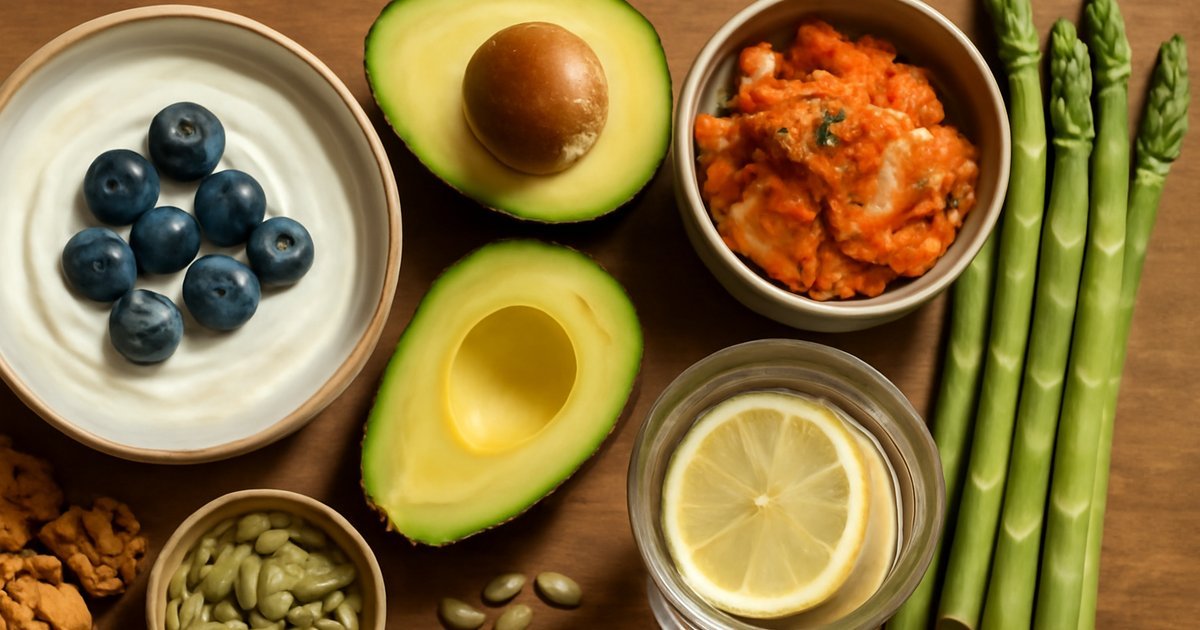
    • Avocado: Rich in healthy monounsaturated fats and vitamin E, which protect cell membranes and support skin barrier function.
    • Eggs: Contain proline and glycine — two of the dominant amino acids in collagen — plus lutein and zeaxanthin for skin hydration.

    Limit or reduce:

    • Ultra-processed, high-glycemic foods that drive AGE formation
    • Excessive alcohol — which depletes vitamin A and zinc, both collagen co-factors
    • Fried foods cooked at high temperatures — AGEs in food also contribute to internal glycation
    • Excess sugar in all its forms — sodas, sweetened coffees, pastries consumed daily

    For a deeper look at how gut health intersects with nutrient absorption and skin health, explore our guide on Leaky Gut Syndrome: What It Is and How to Heal It — because poor gut integrity can impair absorption of the very nutrients your skin depends on.

    How Long Until You See Results — and What to Track

    Patience is genuinely required here. Collagen remodeling is a slow biological process, and most studies measuring skin improvements show meaningful results at the 8-to-12-week mark — not days.

    Here’s a realistic timeline based on current research:

    • Weeks 1-4: Skin hydration may improve noticeably, especially if you’ve added collagen peptides and increased water intake. You may notice less dullness and more "plumpness."
    • Weeks 6-8: Fine line appearance may soften moderately. Skin texture often improves with consistent retinoid use (if incorporated).
    • Weeks 10-16: Measurable improvements in elasticity are what clinical studies report at this stage. This is when collagen fiber remodeling becomes more apparent.
    • 6-12 months and beyond: The compounding benefits of sun protection, consistent nutrition, and quality sleep become increasingly visible over time. This is a long game.

    What to track: Take a well-lit photo in consistent lighting every 4 weeks — same angle, same lighting conditions. This is more reliable than daily mirror checks. Also track energy levels, sleep quality, and any changes in skin texture or breakout frequency — these often shift before visual changes appear.

    When to see a professional: If you notice sudden changes in skin texture, unexplained rashes, or significant pigmentation changes, consult a dermatologist. A registered dietitian can also help optimize your nutritional approach if you’re not seeing expected improvements after 3-4 months of consistent effort. And if stress is a driver of your skin issues, the connection is real — you can learn practical techniques in our guide on Mindfulness for Stress: Practical Steps That Actually Work.

    Frequently Asked Questions

    Do collagen supplements actually work?
    The evidence is more supportive than skeptics suggest. Multiple randomized controlled trials — including a meta-analysis published in the International Journal of Dermatology — show that hydrolyzed collagen peptides (2.5-10 grams daily) can improve skin elasticity, hydration, and density. Results are not dramatic overnight, and they vary based on diet, age, and baseline collagen levels. They work best as one part of a broader strategy, not a standalone fix.

    Is there a best time to take collagen supplements?
    Timing matters less than consistency. Some research suggests taking collagen with a vitamin C source may enhance uptake since vitamin C is required for collagen synthesis. Morning smoothies or post-workout are common, practical choices — find what fits your routine and stick with it.

    Can men benefit from collagen support habits too?
    Absolutely. Men experience collagen decline at a similar rate to women — though men tend to have slightly higher baseline collagen density in younger years. By the 40s and 50s, lifestyle-driven collagen support benefits both sexes equally. Sun protection, protein intake, and quality sleep are universally relevant. For men looking at their broader healthy aging picture, our guide on Optimizing Men’s Heart Health covers complementary lifestyle strategies.

    Will quitting smoking really make a visible difference for my skin?
    Yes — and the research is clear. Smoking significantly accelerates collagen breakdown by increasing MMP activity and restricting blood flow to the skin. Studies cited by the American Academy of Dermatology show that former smokers’ skin shows measurable recovery within 6-12 months of cessation. It’s never too late to benefit.

    Is plant-based collagen possible for vegans?
    There is no direct plant-based collagen equivalent — collagen is only found in animal tissues. However, vegans can support their body’s own collagen synthesis by ensuring adequate vitamin C, zinc, copper, and protein intake from plant sources (legumes, seeds, nuts, tofu). Some companies are developing "vegan collagen builders" — blends of these cofactors — though direct clinical evidence for these specific products is still limited.

    The Bottom Line: Start Simple, Stay Consistent

    Aging gracefully isn’t about reversing time or chasing perfection. It’s about understanding how your body works and giving it what it needs to function well — including your skin. The strategies in this guide are not revolutionary; they’re evidence-backed, affordable, and entirely within reach for most adults.

    Start with the fundamentals: daily SPF, more protein, more colorful vegetables, and quality sleep. If you want to go further, add a collagen peptide supplement and explore retinoids with your dermatologist. Give it 8-12 weeks of real consistency before evaluating results.

    Your skin at 50 doesn’t have to look like you’ve done nothing for it. Small, smart, sustainable choices — made daily — add up to visible, lasting results. Today’s a good day to start.


    This article is for informational and educational purposes only. The content is not intended to replace professional medical, nutritional, or fitness advice. Always consult a qualified healthcare provider, registered dietitian, or certified fitness professional before starting a new health program or making significant changes to your lifestyle.

    Content reviewed by our wellness editorial team, with references to peer-reviewed research and guidelines from leading health organizations.

  • Leaky Gut Syndrome: What It Is and How to Heal It

    Leaky Gut Syndrome: What It Is and How to Heal It

    Leaky Gut Syndrome: What It Is and How to Heal It

    You eat well, exercise regularly, and still feel bloated, foggy, and exhausted — your gut lining might be the missing piece.

    The Gut Wall Nobody Talks About

    You’ve probably heard the phrase "you are what you eat," but the more accurate version might be "you are what your gut actually absorbs." And if that gut lining is compromised, you could be eating all the right foods and still not getting the benefit — while quietly letting things in that your body was never meant to process.

    That’s the core idea behind leaky gut syndrome, a topic that has moved from fringe wellness circles into legitimate clinical conversations over the past decade. And yet there’s still enormous confusion about what it actually is, what causes it, and whether it can truly be reversed.

    According to research published in Frontiers in Immunology, increased intestinal permeability — the clinical term for leaky gut — is associated with a wide range of conditions, from inflammatory bowel disease to metabolic syndrome. But even if you don’t have a diagnosed condition, a compromised gut barrier can quietly affect your energy, immunity, skin, and mood.

    In this guide, you’ll get a clear, evidence-based breakdown of what leaky gut is, how it develops, and — most importantly — what you can actually do about it starting today.

    Why Gut Permeability Matters More Than You Think

    Your intestinal lining is only one cell thick. That’s it — a single layer of epithelial cells standing between your bloodstream and everything you consume. These cells are held together by tight junction proteins that act like microscopic gatekeepers, deciding what gets in and what stays out.

    When those tight junctions weaken or break down, the gut becomes "leaky" — allowing partially digested food particles, bacterial byproducts, and other substances to slip into the bloodstream. The immune system, sensing foreign invaders, launches an inflammatory response. When that process becomes chronic, the effects ripple throughout the entire body.

    Research published in the Journal of Clinical Gastroenterology found that increased gut permeability is closely linked to systemic inflammation, which in turn is a driver of conditions ranging from type 2 diabetes to autoimmune disorders. Meanwhile, Harvard Health Publishing has noted that scientists are increasingly connecting gut barrier health to mental health outcomes — including anxiety and depression.

    For everyday adults, this means that symptoms like persistent bloating, skin flare-ups, brain fog, fatigue, and frequent illness may have a gut-lining connection that’s worth investigating — even when standard lab tests come back normal.

    The Science Behind Leaky Gut: How It Actually Works

    Let’s clear up a common myth first: leaky gut is not a made-up wellness buzzword. The term "intestinal hyperpermeability" is used in peer-reviewed gastroenterology research, and the mechanisms behind it are well-documented.

    The gut lining is reinforced by a mucus layer, beneficial bacteria, and immune cells — all working in concert to protect the barrier. When that ecosystem is disrupted, tight junction proteins like occludin and claudin begin to degrade. This is not a sudden event; it happens gradually under the pressure of chronic stressors.

    A landmark study in the journal Gut identified several primary drivers of tight junction dysfunction: chronic psychological stress, prolonged use of nonsteroidal anti-inflammatory drugs (NSAIDs), high sugar and ultra-processed food diets, alcohol consumption, and dysbiosis — an imbalance in the gut microbiome.

    It’s worth noting that leaky gut exists on a spectrum. A mildly permeable gut barrier may cause subtle, non-specific symptoms. A significantly compromised one can contribute to more serious inflammatory or autoimmune conditions. Results and severity vary significantly depending on your baseline health, genetics, and lifestyle factors.

    One important distinction: leaky gut is more accurately described as a mechanism — a physiological state — rather than a standalone diagnosis. It frequently co-occurs with other gut conditions, and addressing gut barrier health is increasingly seen as part of a comprehensive approach to digestive wellness.

    For a deeper look at how your gut and brain are constantly communicating through this barrier, The Gut-Brain Connection: Fueling Your Mood & Mind offers an excellent companion read.

    How to Start Healing Your Gut Lining: Practical Steps

    The encouraging news is that the gut lining regenerates. Intestinal epithelial cells turn over every three to five days, which means the body is always in repair mode — you just need to give it the right conditions to do so effectively.

    Step 1: Remove the primary triggers
    Before adding anything, reduce what’s causing damage. The biggest offenders, according to the Academy of Nutrition and Dietetics, include ultra-processed foods high in refined sugar and industrial seed oils, excessive alcohol, and frequent NSAID use (always consult your doctor before changing any medication).

    Step 2: Feed your gut bacteria intentionally
    A diverse, plant-rich diet supports the beneficial bacteria that protect your gut lining. The USDA Dietary Guidelines recommend 25-38 grams of dietary fiber per day — yet most American adults consume fewer than 15 grams. Closing that gap is one of the most impactful moves you can make.

    Step 3: Add fermented foods
    Plain yogurt with live cultures, kefir, sauerkraut, kimchi, and miso introduce beneficial bacteria directly to your gut. A 2021 study published in Cell (Stanford Medicine) found that a high-fermented-food diet significantly increased microbiome diversity and reduced markers of immune activation — both relevant to gut barrier health.

    Intermediate step: Targeted gut-supportive nutrients
    L-glutamine, an amino acid, is one of the primary fuel sources for intestinal cells and has been studied for its role in maintaining tight junction integrity. Zinc is another nutrient that supports mucosal repair, with the NIH noting its involvement in epithelial cell function. Discuss supplementation with a healthcare provider before starting.

    Advanced step: Consider working with a registered dietitian
    If symptoms persist despite dietary changes, a registered dietitian (RD) specializing in gut health can run a comprehensive assessment, including stool testing and elimination protocols tailored to your specific profile.

    Common Mistakes That Sabotage Gut Healing

    Most people who try to address leaky gut hit the same roadblocks. These are easy traps to fall into — knowing them in advance puts you miles ahead.

    Mistake 1: Jumping straight to supplements without fixing the diet
    Gut-support supplements like probiotics and L-glutamine can be helpful, but if you’re still consuming a high-sugar, low-fiber diet with frequent alcohol, you’re essentially bailing water from a sinking boat. The foundation always starts with food. Supplements are supportive tools, not substitutes.

    Mistake 2: Ignoring chronic stress
    This one is consistently underestimated. The American Psychological Association has documented that chronic psychological stress directly affects gut motility, microbiome composition, and intestinal permeability. If you’re eating perfectly but running on cortisol all day, your gut lining will reflect that. Stress management isn’t optional — it’s part of the gut healing protocol. Practices like breathwork and mindfulness have shown measurable effects on gut function; Mindfulness for Stress: Practical Steps That Actually Work is a great place to start.

    Mistake 3: Expecting results in days
    Gut lining repair is a gradual process. People often make dietary changes for one or two weeks, feel a mild improvement, and then revert to old habits — or abandon the effort entirely when they don’t see dramatic results. Research suggests meaningful improvements in gut permeability and microbiome diversity typically take 8 to 12 weeks of consistent effort.

    Mistake 4: Overdoing fiber too fast
    Dramatically increasing fiber intake overnight can cause gas, bloating, and discomfort — which often leads people to abandon the effort. Instead, increase fiber intake by 3-5 grams per week, and drink more water alongside it. Proper hydration is essential for fiber to do its job effectively; if you’re unsure about your water intake, How Much Water Should You Really Drink Each Day? has you covered.

    What to Eat (and What to Avoid) for Gut Barrier Health

    Your daily food choices have a direct, measurable impact on gut barrier integrity. This isn’t about restriction — it’s about building a plate that supports repair and diversity.

    Prioritize these foods:

    • Prebiotic-rich vegetables: garlic, onions, leeks, asparagus, and Jerusalem artichokes feed beneficial bacteria. Aim for at least 2-3 servings daily.
    • Colorful produce: polyphenols in berries, dark leafy greens, and red cabbage have been shown to reduce intestinal inflammation. Target 5+ servings per day across colors.
    • Fermented foods: 1-2 servings daily of plain kefir, yogurt with live cultures, kimchi, or sauerkraut — without added sugar.
    • Omega-3 fatty acids: wild-caught salmon, sardines, walnuts, and flaxseed support anti-inflammatory pathways in the gut. The Academy of Nutrition and Dietetics recommends at least 2 servings of fatty fish per week.
    • Bone broth: contains collagen and glutamine, which may support mucosal repair — though clinical evidence is still emerging.
    • Zinc-rich foods: pumpkin seeds, legumes, grass-fed beef, and oysters support epithelial cell turnover.

    Minimize or avoid:

    • Refined sugar and high-fructose corn syrup (feeds pathogenic bacteria, promotes dysbiosis)
    • Ultra-processed snack foods and fast food (high in emulsifiers that have been shown to disrupt the mucus layer)
    • Alcohol (directly toxic to intestinal epithelial cells and shown to raise zonulin, a protein linked to tight junction loosening)
    • Artificial sweeteners in excess — early research suggests some may negatively alter microbiome composition, though findings are still developing

    How Long Until You See Results — and What to Track

    Gut healing is not a weekend project, and setting realistic expectations is critical to staying consistent.

    Based on available research, here’s a general timeline:

    • Weeks 1-2: Bloating and gas often begin to shift as you reduce processed foods and increase fiber gradually. Energy fluctuations are common as the microbiome adjusts.
    • Weeks 3-6: Bowel regularity tends to improve. Some people notice clearer skin, improved sleep quality, and reduced afternoon energy crashes.
    • Weeks 8-12: More meaningful changes in systemic inflammation markers, immune response, and mood stability may become apparent — especially when dietary changes are paired with stress reduction and adequate sleep.

    What to track:

    • Digestive symptom frequency: bloating, gas, irregularity (track in a simple daily journal)
    • Energy levels — note patterns across the day
    • Skin clarity and any inflammatory skin conditions
    • Frequency of illness or immune reactions
    • Mood and mental clarity (these are often early responders to gut changes)

    If you’ve made consistent dietary and lifestyle changes for 12 weeks with minimal improvement, consult a gastroenterologist or registered dietitian. Some cases of increased gut permeability are connected to underlying conditions — including celiac disease, Crohn’s disease, or SIBO — that require targeted clinical intervention.

    Frequently Asked Questions

    Is leaky gut a real medical diagnosis?
    Increased intestinal permeability is a real, measurable physiological state studied extensively in gastroenterology research. However, "leaky gut syndrome" as a standalone diagnosis is not currently recognized in standard clinical practice. Most conventional physicians address it in the context of an underlying condition. That said, the mechanisms involved are scientifically valid and increasingly taken seriously in integrative and functional medicine settings.

    What are the most common symptoms of a leaky gut?
    Symptoms vary widely, which makes leaky gut tricky to identify without professional evaluation. Common indicators include chronic bloating, irregular bowel movements, food sensitivities, fatigue, brain fog, frequent colds, skin issues like eczema, and joint discomfort. None of these are exclusive to gut permeability issues — which is why professional assessment matters.

    Can probiotics alone heal a leaky gut?
    Probiotics can support gut microbiome diversity and help modulate immune responses, but they are unlikely to reverse leaky gut on their own. Research in the Journal of Nutrition suggests that probiotics work best when paired with a high-fiber diet that feeds those beneficial bacteria. Think of probiotics as one tool in a broader strategy — not a standalone fix.

    Does gluten cause leaky gut?
    In people with celiac disease, gluten triggers a confirmed immune-mediated response that damages the intestinal lining. For non-celiac individuals, the evidence is more nuanced. Some research suggests gliadin (a gluten protein) can trigger zonulin release — temporarily increasing gut permeability — even in people without celiac disease. However, the clinical significance of this in otherwise healthy adults is still being debated. If you suspect gluten sensitivity, work with a doctor rather than self-diagnosing.

    Should I take L-glutamine for gut healing?
    L-glutamine has legitimate research behind it as a fuel source for intestinal cells and has been studied in clinical settings for gut mucosal repair — particularly in patients with inflammatory bowel conditions. For otherwise healthy adults, the evidence is promising but not definitive. The typical range studied is 5-10 grams per day, but dosing should be discussed with a qualified healthcare provider, especially if you have any underlying health conditions.

    Start Small, Stay Consistent

    Healing your gut lining doesn’t require an extreme protocol or an expensive supplement stack. It requires consistency, patience, and a willingness to make gradual, sustainable shifts in your daily habits.

    The most impactful thing you can do today is simple: add one prebiotic food and one fermented food to your meals, and start reducing your refined sugar intake by half. That’s it. Build from there, week by week.

    Your gut is remarkably resilient — it’s rebuilding itself around the clock. Give it the environment it needs, and the results compound in ways that go far beyond digestion — better energy, sharper focus, stronger immunity, and a more stable mood.

    Small, consistent steps don’t just beat perfection — they’re the only thing that actually lasts.


    Wellness Disclaimer: This article is for informational and educational purposes only. The content is not intended to replace professional medical, nutritional, or fitness advice. Always consult a qualified healthcare provider, registered dietitian, or certified fitness professional before starting a new health program or making significant changes to your lifestyle.

    Content reviewed by our wellness editorial team, with references to peer-reviewed research and guidelines from leading health organizations.

  • Pelvic Floor Health for Women: What You Need to Know

    Pelvic Floor Health for Women: What You Need to Know

    Pelvic Floor Health for Women: What You Need to Know

    It’s one of the most overlooked muscle groups in the female body — and one of the most important for lifelong health.

    Picture this: you’re laughing hard at a friend’s joke, mid-sneeze, or halfway through a run — and you feel that sudden, embarrassing leak. You brush it off, maybe cross your legs a little more carefully next time, and tell yourself it’s just part of getting older or having kids. But here’s what most women don’t know: that experience is a sign your pelvic floor is asking for attention, and it’s something you can actually do something about.

    According to the National Institutes of Health, nearly 1 in 4 women in the United States lives with some form of pelvic floor disorder — including urinary incontinence, pelvic organ prolapse, or chronic pelvic pain. Yet most women never talk to a doctor about it, assuming it’s simply inevitable.

    It’s not. Pelvic floor health is trainable, improvable, and deeply connected to your overall well-being — from your core strength to your sexual health, posture, and even your mental wellness. This guide will walk you through the science, the practical steps, and the common mistakes so you can start taking better care of this essential system today.

    Why Pelvic Floor Health Matters More Than You Think

    The pelvic floor is a group of muscles, ligaments, and connective tissues that form a hammock-like base at the bottom of your pelvis. These muscles support your bladder, bowel, and uterus, play a central role in sexual function, and help stabilize your spine and core. In short, they do a lot.

    When these muscles are weak, too tight, or poorly coordinated, the effects ripple outward in ways many women don’t connect to pelvic health. Chronic lower back pain, difficulty emptying the bladder, painful intercourse, and postural imbalances can all trace back to pelvic floor dysfunction.

    Research published in the American Journal of Obstetrics and Gynecology found that pelvic floor disorders significantly affect quality of life, including sleep quality, physical activity levels, and emotional well-being. Women with pelvic floor dysfunction report higher rates of anxiety and social withdrawal compared to those without.

    And here’s something that surprises many women: pelvic floor problems aren’t only about weakness. A hypertonic — or overly tight — pelvic floor is just as common and just as disruptive. Tension-related dysfunction can cause pelvic pain, painful sex, and even constipation. This is why the solution isn’t always "do more Kegels."

    The good news? With the right awareness and approach, most women can meaningfully improve their pelvic floor function at any age. Since stress is also a major contributor to pelvic tension, pairing this work with broader stress-reduction strategies — like those covered in our guide on mindfulness for stress management — can make a real difference.

    The Science Behind How Your Pelvic Floor Actually Works

    Think of your pelvic floor as the floor of a pressure canister. When you inhale, your diaphragm drops, intra-abdominal pressure increases, and your pelvic floor should gently descend to accommodate that pressure. When you exhale, both rise together. This breathing-pelvic floor relationship is fundamental — and it’s something most people have never heard of.

    The pelvic floor has two main functional roles: it must contract to prevent leakage and provide support, and it must relax fully to allow urination, bowel movements, and comfortable penetration. Both abilities matter equally. Dysfunction in either direction — insufficient strength or excessive tension — creates problems.

    A 2020 systematic review published in the Journal of Urology confirmed that pelvic floor muscle training (PFMT) is a first-line, evidence-based intervention for stress urinary incontinence in women, with success rates ranging from 60 to 80 percent when performed correctly and consistently.

    One major myth worth busting: many women believe that if they’ve had a C-section, their pelvic floor is unaffected. In reality, pregnancy itself — regardless of delivery method — places significant mechanical demand on the pelvic floor for nine months. Hormonal shifts during pregnancy also affect connective tissue laxity, which means every woman who has been pregnant deserves a pelvic floor assessment.

    Menopause is another pivotal moment. Declining estrogen levels affect the elasticity and strength of pelvic floor tissues, which is why symptoms often emerge or worsen in the perimenopausal years. This connects closely to the broader topic of bone and connective tissue health in women, where estrogen also plays a critical structural role.

    How to Get Started: Practical Steps for Every Level

    Starting your pelvic floor journey doesn’t require equipment or a gym membership. It starts with awareness — literally learning where these muscles are and how to activate them voluntarily.

    Step 1: Find Your Pelvic Floor
    Sit or lie down comfortably. Imagine you’re trying to stop the flow of urine mid-stream — the muscles you squeeze are your pelvic floor. Hold for 2-3 seconds, then fully release. Notice whether releasing feels easy or if you have difficulty letting go. That’s important information.

    Step 2: Learn to Breathe With It (Beginner)
    Inhale slowly and allow your belly and pelvic floor to expand and drop gently. Exhale and feel your pelvic floor lift. Practice this diaphragmatic breathing for 5 minutes daily. This is the foundation of everything else.

    Step 3: Basic Pelvic Floor Contractions (Beginner to Intermediate)
    Contract your pelvic floor for 5 seconds, then release for 10 seconds. Complete 10 repetitions, three times per day. The release phase is just as important as the contraction. Never hold your breath during these exercises.

    Step 4: Functional Integration (Intermediate)
    Begin practicing "the knack" — a pre-contraction just before any activity that increases abdominal pressure: sneezing, coughing, lifting, or jumping. This technique is taught in physical therapy and significantly reduces leakage episodes.

    Step 5: Progressive Loading (Advanced)
    Add pelvic floor awareness to resistance training. Exhale and engage your pelvic floor during the effort phase of a squat, deadlift, or bridge. This integrates pelvic floor work with broader strength training, which aligns well with overall movement health — something we also explore in our guide to mobility for lifelong health.

    If you have pain with any of these exercises or notice symptoms worsening, stop and consult a pelvic floor physical therapist before continuing.

    Common Mistakes That Sabotage Pelvic Floor Progress

    Even well-intentioned women often unknowingly undermine their pelvic floor progress. Here are the most frequent errors — and how to correct them.

    Mistake 1: Doing Kegels Wrong
    The most common error is squeezing the wrong muscles — engaging the glutes, thighs, or abdomen instead of the pelvic floor itself. Many women also forget to fully release, which can actually worsen hypertonic dysfunction. Solution: slow down, focus on the internal sensation, and prioritize the relaxation phase as much as the contraction.

    Mistake 2: Skipping the Evaluation Step
    Jumping into pelvic floor exercises without understanding whether you have a weak or overly tight pelvic floor can backfire significantly. A woman with a hypertonic pelvic floor who does aggressive Kegel routines may experience increased pain or worsening symptoms. A single visit to a pelvic floor physical therapist — a licensed PT with specialized training — can provide a baseline assessment that shapes your entire approach.

    Mistake 3: Ignoring Lifestyle Factors
    Constipation, straining, heavy lifting with poor breath mechanics, excessive caffeine intake, and chronic stress all negatively impact pelvic floor function. Women often focus on exercises while overlooking these daily contributors. Reducing caffeine (a bladder irritant), staying well hydrated, and managing stress levels all support pelvic floor health in meaningful ways.

    Mistake 4: Assuming Symptoms Are Normal and Permanent
    Many women delay seeking help for years because they believe leakage after childbirth or pelvic pressure after 40 is simply unavoidable. Research consistently shows that most pelvic floor symptoms respond well to conservative treatment. Accepting them as permanent often means missing an accessible, effective solution.

    What to Eat to Support Pelvic Floor Health

    Nutrition plays a more direct role in pelvic floor function than most people realize — primarily through its impact on bowel health, inflammation, and connective tissue integrity.

    Prioritize fiber: The Academy of Nutrition and Dietetics recommends 25 grams of fiber daily for adult women. Adequate fiber prevents constipation, which is one of the most underrecognized drivers of pelvic floor dysfunction. Straining during bowel movements puts repetitive downward pressure on the pelvic floor over time. Aim for whole grains, legumes, fruits, and vegetables daily.

    Stay hydrated — strategically: Dehydration concentrates urine, which irritates the bladder lining and worsens urgency symptoms. Most women need approximately 2.7 liters of total water per day from all sources, according to the National Academies of Sciences. However, limiting fluids to manage leakage is a counterproductive strategy — it leads to more concentrated, irritating urine.

    Reduce bladder irritants: Caffeine, alcohol, carbonated drinks, artificial sweeteners, and highly acidic foods (such as tomato products and citrus in excess) can irritate the bladder mucosa and worsen urgency and frequency. This doesn’t mean complete elimination — reduction and observation are smarter starting points.

    Support collagen and connective tissue: Adequate vitamin C (found in bell peppers, kiwi, and strawberries) supports collagen synthesis, which is critical for the integrity of pelvic ligaments and fascia. Some research suggests that collagen supplementation may also support connective tissue health, though more specific pelvic floor studies are needed.

    Manage inflammation: Chronic low-grade inflammation contributes to pelvic pain conditions. An anti-inflammatory dietary pattern — rich in omega-3 fatty acids from fatty fish, olive oil, leafy greens, and berries — supports overall tissue health and may help reduce pelvic pain symptoms.

    How Long Until You See Results — and What to Track

    Realistic timelines matter here, because unrealistic expectations lead to early abandonment. According to research reviewed by the American Urogynecologic Society, most women begin noticing meaningful improvements in leakage frequency and pelvic floor strength within 6 to 12 weeks of consistent, correctly performed pelvic floor training.

    However, results vary significantly depending on the severity of dysfunction, whether the primary issue is weakness versus tension, overall fitness level, hormonal status, and consistency of practice.

    Track these signals week by week:

    • Number of leakage episodes per day or week
    • Urgency levels on a scale of 1-10
    • Pelvic heaviness or pressure sensations
    • Comfort during sexual intercourse
    • Ease and completeness of bowel emptying
    • Lower back or hip pain levels

    If you’re not seeing any improvement after 8-12 weeks of consistent effort, or if you experience increasing pain, pelvic pressure that worsens when standing, or significant changes in bladder or bowel function, consult a pelvic floor physical therapist or urogynecologist. These symptoms deserve professional evaluation, not more self-directed trial and error.

    Frequently Asked Questions

    Q: Do I need to see a physical therapist, or can I do this on my own?
    Many women make meaningful progress with self-directed exercises — especially if symptoms are mild and they can identify their pelvic floor correctly. However, a certified pelvic floor physical therapist provides an internal assessment, personalized feedback, and a tailored program that is significantly more precise. If you have any pain, moderate to severe leakage, prolapse symptoms, or postpartum complications, professional guidance is strongly recommended.

    Q: Can pelvic floor exercises help with painful sex?
    Yes, but with an important caveat. Painful sex (dyspareunia) often results from a hypertonic — overly tight — pelvic floor. In that case, more squeezing exercises will likely make things worse. The appropriate intervention is pelvic floor down-training, relaxation techniques, and often manual therapy from a specialized PT. Always rule out other causes with a gynecologist first.

    Q: Is pelvic floor dysfunction only a postpartum issue?
    Absolutely not. While pregnancy and childbirth are major risk factors, pelvic floor dysfunction affects women at every life stage — including teens, young athletes, and postmenopausal women. High-impact sports, chronic constipation, hormonal changes, and even chronic stress can all contribute to dysfunction without any history of pregnancy.

    Q: Are Kegel weights or devices worth using?
    Some research supports biofeedback devices as a tool for improving pelvic floor muscle awareness, particularly for women who struggle to isolate the correct muscles. However, these tools work best under professional guidance. Kegel weights (vaginal cones) may benefit some women with weakness but are not appropriate for those with hypertonic dysfunction or prolapse. Consult a PT before adding devices to your routine.

    Q: Does menopause permanently damage the pelvic floor?
    No. While declining estrogen does affect pelvic tissue elasticity and strength, the pelvic floor remains responsive to training throughout life. Some women benefit from topical estrogen therapy (prescribed by a physician) to support tissue health alongside pelvic floor exercises. It’s never too late to start — research shows women in their 60s and 70s achieve significant improvements with structured pelvic floor training.

    Small Steps, Lasting Results

    Your pelvic floor has been quietly working for you your entire life — and it deserves the same intentional care you give to your cardiovascular fitness, nutrition, or sleep. The encouraging truth is that this is one area of health where consistent, low-barrier effort genuinely pays off.

    You don’t need an hour a day or expensive equipment. You need awareness, the right technique, and a commitment to showing up for a few minutes daily. Start with your breath. Add a contraction-and-release sequence. Pay attention to the signals your body is giving you.

    Whether you’re in your 30s, navigating postpartum recovery, approaching menopause, or simply building a stronger foundation for healthy aging — your pelvic floor health is worth prioritizing. Take one step today. It adds up more than you think.


    This article is for informational and educational purposes only. The content is not intended to replace professional medical, nutritional, or fitness advice. Always consult a qualified healthcare provider, registered dietitian, or certified fitness professional before starting a new health program or making significant changes to your lifestyle.

    Content reviewed by our wellness editorial team, with references to peer-reviewed research and guidelines from leading health organizations.

  • Mindfulness for Stress: Practical Steps That Actually Work

    Mindfulness for Stress: Practical Steps That Actually Work

    Mindfulness for Stress: Practical Steps That Actually Work

    You don’t need an app, a meditation cushion, or an hour of silence — just a few honest minutes and a willingness to try something different.

    It’s 3 PM on a Tuesday, your inbox has 47 unread messages, your shoulders are somewhere near your ears, and someone just asked you to "jump on a quick call." Sound familiar? Chronic stress has become so woven into everyday American life that most people don’t even recognize it as stress anymore — they just call it "Tuesday."

    According to the American Psychological Association’s most recent Stress in America survey, more than 75% of US adults report experiencing moderate to high levels of stress — and nearly half say stress has negatively affected their physical health. That’s not a productivity problem. That’s a public health issue hiding in plain sight.

    Mindfulness-based stress management has moved from fringe wellness practice to one of the most clinically validated tools for reducing anxiety, improving focus, and reclaiming a sense of calm in a noisy world. But there’s a lot of confusion about what mindfulness actually is, how to do it, and why most people quit before it works.

    This guide cuts through the noise. You’ll get real science, practical techniques, common pitfalls, and a clear path forward — whether you’re a total beginner or someone who tried mindfulness once, got bored, and moved on.

    Why Mindfulness for Stress Management Matters More Than You Think

    Stress is not just an emotional inconvenience — it’s a physiological cascade. When your brain perceives a threat (real or imagined), your hypothalamus triggers a release of cortisol and adrenaline. Your heart rate climbs, digestion slows, and your prefrontal cortex — the part responsible for clear thinking and decision-making — becomes less active. Your body is literally designed to prioritize survival over strategy when you’re stressed.

    The problem? Modern stressors — deadlines, social media, financial pressure, relationship friction — don’t have an "off switch." Unlike our ancestors who stressed about predators and then returned to calm, we stress about emails at midnight and work presentations during dinner. The system designed to save us from threats is now running on a near-constant low hum, and over time, that takes a serious toll.

    Research published in JAMA Internal Medicine analyzed 47 clinical trials involving mindfulness meditation and found clinically meaningful improvements in anxiety, depression, and pain. The study noted that mindfulness produced moderate evidence of improvement in stress — comparable to the effects seen with antidepressant medications in mild-to-moderate cases, without the side effects.

    More importantly for your daily life: mindfulness doesn’t require you to clear your schedule. Even brief, consistent practice reshapes how your nervous system responds to stressors over time. You don’t become stress-free. You become more resilient to stress — and there’s a meaningful difference.

    The Science Behind Mindfulness: How It Actually Works

    Here’s the myth worth busting first: mindfulness is not about emptying your mind. That’s one of the biggest misconceptions that causes people to quit early. Your brain generates thousands of thoughts per day — expecting them to stop is like expecting your heart to stop beating during meditation. The practice is about noticing your thoughts without getting tangled in them.

    Neurologically, mindfulness practice has measurable effects on brain structure and function. A landmark study out of Harvard — published in Psychiatry Research — found that participants who completed an eight-week Mindfulness-Based Stress Reduction (MBSR) program showed increased gray matter density in the hippocampus (associated with memory and emotional regulation) and decreased gray matter density in the amygdala (the brain’s alarm center). In plain terms: regular mindfulness practice literally quiets the part of your brain that triggers panic responses.

    The mechanism works through what researchers call "attentional regulation." By repeatedly bringing your focus back to the present moment — a breath, a sound, a sensation — you’re training your brain to interrupt automatic thought loops. Over weeks and months, that becomes your default. You start catching the spiral before it swings.

    There’s also strong evidence for what mindfulness does to cortisol. A meta-analysis published in the journal Health Psychology Review found that mindfulness-based interventions significantly reduced salivary cortisol levels in healthy adults under stress. Lower cortisol means better sleep, improved immune function, and less systemic inflammation — all of which compound positively over time.

    One important caveat: results vary based on frequency, consistency, and individual baseline. People dealing with trauma, clinical anxiety, or PTSD may find mindfulness more challenging and should work with a licensed therapist who specializes in trauma-informed approaches before diving in independently.

    How to Get Started: Practical Mindfulness Steps for Real People

    You don’t need to meditate for 45 minutes at sunrise. Research supports even five to ten minutes of daily practice producing measurable benefits over eight weeks. Here’s how to build the habit without making it another thing on your to-do list.

    Beginner Level: Start Where You Are

    1. Try the 5-4-3-2-1 grounding technique. When stress spikes, name 5 things you see, 4 you can touch, 3 you can hear, 2 you can smell, 1 you can taste. This activates your senses and pulls your nervous system out of fight-or-flight mode within minutes.
    2. Start with a one-minute breath focus. Set a timer for 60 seconds. Breathe in for 4 counts, hold for 4, exhale for 6. Repeat. That’s it. Do this once in the morning before you check your phone.
    3. Practice "mindful transitions." Before switching tasks — closing your laptop, walking from one room to another, sitting down for a meal — pause for three slow breaths. This creates micro-recovery moments throughout your day. You can also pair this with structured breathwork techniques to deepen the effect.

    Intermediate Level: Building a Practice

    1. Use a body scan. Spend 10 minutes lying down or seated, slowly moving your attention from your feet to the top of your head. Notice tension, warmth, or discomfort without trying to fix it. This activates the parasympathetic nervous system and is especially effective before bed. Pairing this with strong sleep hygiene habits can significantly reduce nighttime cortisol spikes.
    2. Try MBSR-style seated meditation. Eight to ten minutes of focused breathing with guided return to the breath whenever your mind wanders. Apps like Insight Timer or Calm offer free beginner programs worth exploring.
    3. Journal for two minutes post-session. Write what you noticed. This adds cognitive processing to somatic practice and reinforces the habit loop.

    Advanced Level: Integration and Depth

    1. Attend a Mindfulness-Based Stress Reduction (MBSR) program. The original eight-week curriculum developed by Dr. Jon Kabat-Zinn at the University of Massachusetts Medical School is available online and in-person across the US. Clinical evidence for MBSR is among the strongest in the field.
    2. Practice open monitoring meditation. Rather than focusing on one anchor (like breath), observe the entire field of consciousness — thoughts, sounds, feelings — without latching onto any one thing. This requires more experience but produces deeper attentional flexibility.

    Common Mistakes That Sabotage Mindfulness Progress

    Most people don’t fail at mindfulness because they’re doing it wrong. They fail because they’ve been set up with unrealistic expectations. Here are the most common traps — and how to get out of them.

    Mistake 1: Judging yourself for having thoughts. The whole practice is about noticing thoughts, not eliminating them. When you catch yourself thinking during meditation and feel frustrated, you’ve actually succeeded — you noticed. The return to focus IS the exercise. Think of it as a mental rep, not a failure.

    Mistake 2: Inconsistency masked as "waiting for the right moment." The research on mindfulness is clear: frequency matters more than duration. Three minutes daily beats thirty minutes once a week. Anchor your practice to an existing habit — morning coffee, brushing teeth, the commute home — so it stops needing willpower to initiate.

    Mistake 3: Expecting immediate results. Neurological change takes time. Studies typically show meaningful outcomes after six to eight weeks of consistent daily practice. Many people quit around week two or three because they don’t feel different yet — right before the compounding effects begin. Set a realistic 60-day trial before evaluating whether it’s working.

    Mistake 4: Treating it as a crisis tool only. Mindfulness is most effective as a daily maintenance habit, not just an emergency response. If you only try to meditate when you’re already in crisis mode, the practice is much harder and the results are inconsistent. Build the foundation when the weather is calm.

    Mistake 5: Skipping the body. Mindfulness isn’t purely mental. Stress lives in the body — tense shoulders, shallow breathing, clenched jaw. Practices that integrate body awareness, like progressive muscle relaxation or the body scan, tend to produce faster relief for people with high physical stress responses. Don’t skip the somatic layer.

    What to Eat (and Avoid) to Support Your Stress Response

    Mindfulness works even better when your nervous system has the nutritional raw materials it needs to self-regulate. Stress depletes certain nutrients rapidly — and most Americans aren’t getting enough of them to begin with.

    Prioritize these:

    • Magnesium-rich foods: Magnesium plays a direct role in regulating the hypothalamic-pituitary-adrenal (HPA) axis — the stress response system. The USDA reports that nearly half of US adults consume less than the recommended daily amount (310-420 mg). Load up on dark leafy greens, pumpkin seeds, black beans, and almonds.
    • Omega-3 fatty acids: A study published in JAMA Network Open found that omega-3 supplementation reduced perceived stress and inflammation markers in medical students during high-stress periods. Fatty fish (salmon, sardines, mackerel), walnuts, and flaxseed are top sources. Aim for at least two servings of fatty fish per week, per American Heart Association guidelines.
    • Fermented foods: The gut-brain connection is real and research-backed — your gut produces roughly 90% of your body’s serotonin. A diverse microbiome supports emotional resilience. Include yogurt with live cultures, kefir, kimchi, and sauerkraut regularly. You can learn more about how this connection works in our deep dive on the gut-brain connection and mood.
    • Complex carbohydrates: Oats, sweet potatoes, and whole grains support steady serotonin production and prevent blood sugar swings that amplify stress reactivity.

    Limit or avoid:

    • Caffeine after 2 PM: Caffeine has a half-life of five to six hours and can elevate cortisol and disrupt sleep architecture — compounding next-day stress reactivity.
    • Ultra-processed foods and added sugars: These drive systemic inflammation, which research increasingly links to anxiety and mood instability. The Academy of Nutrition and Dietetics recommends limiting added sugars to less than 10% of total daily calories.
    • Alcohol as a coping mechanism: While alcohol may feel like it reduces stress in the short term, it disrupts REM sleep and elevates cortisol levels the following day — creating a stress rebound effect.

    How Long Until You See Results — and What to Track

    Mindfulness is not a quick fix, but it’s also not as slow as people assume. Here’s a realistic timeline based on research:

    Week 1-2: You’ll likely feel more aware of how stressed you actually are — which can initially feel worse. This is normal. Awareness precedes change.

    Week 3-4: Many people begin noticing they catch stress earlier — before it spirals. Sleep may start to feel slightly more restorative. Reactions to common stressors may feel less automatic.

    Week 6-8: This is when most clinical studies observe statistically significant reductions in perceived stress, anxiety symptoms, and cortisol levels. Consistency through this window is the critical variable.

    What to track:

    • Perceived Stress Scale (PSS) — a validated 10-question self-report tool available free online; complete it at baseline and again at 30 and 60 days
    • Sleep quality — note how quickly you fall asleep and whether you wake at night
    • Physical tension markers — jaw, shoulders, chest tightness before and after sessions
    • Reactivity events — track how often a stressor triggers a disproportionate response

    When to reassess or seek professional help: If after eight to ten weeks of consistent practice you see no improvement — or if your stress is accompanied by persistent panic attacks, inability to function at work, or physical symptoms — it’s time to consult a licensed therapist, particularly one trained in Mindfulness-Based Cognitive Therapy (MBCT) or MBSR.

    Frequently Asked Questions

    Q: Is mindfulness the same as meditation?
    Mindfulness is the broader capacity to maintain present-moment awareness. Meditation is one of the most effective tools for developing it — but mindfulness can also be practiced while walking, eating, or doing dishes. Think of meditation as formal training and mindfulness as the skill you take everywhere.

    Q: Can mindfulness actually help with physical stress symptoms like headaches or muscle tension?
    Yes, and research supports this. Mayo Clinic notes that mindfulness-based stress reduction has shown effectiveness for tension headaches, chronic pain, and somatic symptoms related to stress. The body-scan practice in particular targets physical tension patterns directly.

    Q: How long should I meditate each day to see results?
    Research suggests as little as five to ten minutes daily can produce meaningful benefits over six to eight weeks. The key variable is consistency, not duration. Starting small and building gradually outperforms starting with ambitious sessions that you can’t maintain.

    Q: Does mindfulness work for everyone?
    Most people benefit, but individual results vary significantly. People with a history of trauma, dissociation, or certain anxiety disorders may find some mindfulness practices activating rather than calming. A trauma-informed approach — ideally with professional guidance — is advisable in those cases.

    Q: What’s the difference between mindfulness and just "relaxing"?
    Relaxation reduces arousal in the moment. Mindfulness trains your brain to change how it responds to stressors over time. Watching TV may help you unwind, but it doesn’t build the attentional regulation and emotional resilience that consistent mindfulness practice develops neurologically.

    You Don’t Have to Overhaul Your Life to Start

    Here’s the truth about mindfulness: the version that actually works isn’t the Instagram-perfect version with candles and silence and two hours of free time. It’s the three-minute version you do consistently, on a Tuesday, when everything feels like too much.

    Start with one technique from this guide. Practice it daily for two weeks before adding anything else. Track how you feel — not against some ideal, but against where you started. Small, consistent steps compound into genuine resilience, and resilience is what makes the hardest days manageable.

    Your next step? Choose one beginner technique from the list above and practice it tomorrow morning before you check your phone. That’s it. That’s the whole plan for today.


    This article is for informational and educational purposes only. The content is not intended to replace professional medical, nutritional, or fitness advice. Always consult a qualified healthcare provider, registered dietitian, or certified fitness professional before starting a new health program or making significant changes to your lifestyle.

    Content reviewed by our wellness editorial team, with references to peer-reviewed research and guidelines from leading health organizations.

  • Prostate Health for Men: Science-Backed Habits That Help

    Prostate Health for Men: Science-Backed Habits That Help

    Most men don’t think about their prostate until something goes wrong — and by then, early prevention windows have often passed.

    Here’s a number worth pausing on: according to the American Cancer Society, roughly 1 in 8 men will be diagnosed with prostate cancer during their lifetime, making it the most commonly diagnosed cancer in American men after skin cancer. And yet, prostate health rarely makes it into everyday wellness conversations the way heart health or mental well-being does.

    If you’re a man between 25 and 60, this article is for you — even if you feel perfectly fine. Prostate health isn’t just about cancer risk. It’s connected to urinary function, sexual health, energy levels, and overall quality of life. The habits you build now can significantly influence how your prostate ages.

    In the sections ahead, you’ll learn what your prostate actually does, what the research says about protecting it, which lifestyle habits make the biggest difference, and what early warning signs you should never ignore. No fear tactics — just practical, evidence-backed guidance you can start applying this week.

    Why Prostate Health Matters More Than You Think

    The prostate is a small walnut-sized gland located just below the bladder. Its primary job is to produce seminal fluid that nourishes and transports sperm. Sounds simple — but its position and hormonal sensitivity make it one of the most health-sensitive organs in the male body.

    As men age, the prostate naturally grows larger — a condition called benign prostatic hyperplasia (BPH), which affects roughly 50% of men in their 50s and up to 90% of men in their 80s, according to the National Institute of Diabetes and Digestive and Kidney Diseases (NIDDK). This isn’t cancer, but it can significantly affect quality of life through frequent urination, weak urine flow, and disrupted sleep.

    Prostatitis — inflammation of the prostate — affects men of all ages and is one of the most common urological conditions in men under 50. It can cause pelvic pain, discomfort during urination, and sexual dysfunction.

    Then there’s prostate cancer — slow-growing in many cases but aggressive in others. The American Cancer Society reports that in 2024, approximately 299,010 new prostate cancer cases were expected to be diagnosed in the United States. Early detection and lifestyle prevention remain the most powerful tools available.

    The encouraging news: research increasingly shows that what you eat, how you move, and how you manage chronic stress all play measurable roles in prostate health — not just your genetics.

    The Science Behind Prostate Health: How It Actually Works

    Your prostate is highly responsive to hormonal signals, particularly androgens like testosterone and dihydrotestosterone (DHT). As testosterone is converted to DHT by an enzyme called 5-alpha reductase, DHT binds to prostate cells and stimulates growth. This is why many prostate medications work by inhibiting this enzyme.

    But hormones aren’t the only drivers. Chronic inflammation is increasingly recognized as a key contributor to both BPH and prostate cancer progression. A review published in the journal Nature Reviews Urology identified persistent low-grade inflammation as a significant factor in prostate tissue changes over time.

    Busting a common myth: Many men believe that high testosterone levels directly cause prostate cancer. Current research doesn’t support this. According to Harvard Health Publishing, the relationship between testosterone and prostate cancer is far more nuanced — testosterone itself is not a direct cause, though DHT and inflammatory pathways do play important roles.

    Oxidative stress also matters. Prostate cells are vulnerable to free radical damage, which is why antioxidant-rich foods appear in nearly every evidence-based prostate health protocol. A study published in the Journal of the National Cancer Institute found that men with higher blood levels of lycopene — a powerful antioxidant found in tomatoes — had a notably lower risk of prostate cancer compared to those with lower levels.

    The gut-microbiome connection is also emerging as relevant. Research suggests that gut bacteria influence hormone metabolism and systemic inflammation, both of which affect prostate tissue. You can learn more about this connection in our article on The Gut-Brain Connection: Fueling Your Mood & Mind.

    How to Get Started: Practical Steps to Support Your Prostate

    You don’t need a complex protocol to begin protecting your prostate. Here are evidence-informed steps organized by experience level:

    Beginner Level — Start Here

    • Schedule a baseline screening conversation. The American Cancer Society recommends that men at average risk discuss prostate cancer screening with their doctor starting at age 50. Men with a family history or who are Black (a demographic with statistically higher risk) should have this conversation at 40-45. Don’t wait for symptoms.
    • Add one tomato-based food per day. Cooked tomatoes — sauce, paste, or whole — deliver the most bioavailable lycopene. Even one serving counts.
    • Walk for 30 minutes, five days a week. Regular moderate exercise is one of the most consistently supported lifestyle habits for prostate health and reducing BPH symptoms.
    • Reduce alcohol intake. Research links heavy alcohol consumption to increased inflammation and hormonal disruption, both of which affect prostate health.

    Intermediate Level — Build On Your Foundation

    • Add resistance training twice a week. Muscle mass supports healthy testosterone metabolism and reduces adipose tissue, which contributes to estrogen dominance and prostate stress.
    • Prioritize sleep quality. Poor sleep elevates cortisol, which disrupts hormonal balance. Aim for 7-9 hours consistently. Our guide on Sleep Hygiene Habits: Your Blueprint for Restful Nights offers a practical starting point.
    • Track your caffeine and fluid timing. Drinking fluids earlier in the day and reducing caffeine after 2 p.m. can meaningfully reduce nighttime urination — a key BPH symptom.

    Advanced Level — Fine-Tune Your Approach

    • Work with a urologist or integrative medicine physician to evaluate PSA (prostate-specific antigen) trends over time, not just single values.
    • Consider a Mediterranean-style dietary pattern with olive oil, fish, legumes, and vegetables as the core — research consistently associates it with reduced inflammatory markers linked to prostate changes.

    Common Mistakes That Sabotage Prostate Health

    Even health-conscious men make these errors. They’re easy to fall into — and equally easy to correct once you recognize them.

    1. Ignoring symptoms because they seem minor.
    Frequent urination, difficulty starting a stream, or a feeling of incomplete bladder emptying are often dismissed as "just part of aging." While these can be benign, they’re also early signals of BPH or, in some cases, something that warrants evaluation. Rule of thumb: if a symptom persists for more than two weeks, mention it to your doctor.

    2. Assuming prostate health only matters after 60.
    Prostatitis affects men in their 30s and 40s. BPH begins developing silently well before symptoms appear. The habits you build in your 30s and 40s have compounding effects. Starting early isn’t overcautious — it’s smart.

    3. Relying on supplements without a food-first foundation.
    Saw palmetto is one of the most marketed supplements for prostate health. However, a large clinical trial published in the Journal of the American Medical Association (JAMA) found that saw palmetto extract did not reduce BPH symptoms more than a placebo over 72 weeks. Supplements vary widely in quality and evidence. Always prioritize a strong dietary baseline before adding pills.

    4. Sedentary lifestyle.
    A 2015 analysis in the European Urology journal found that physical inactivity was associated with a higher risk of BPH progression and lower urinary tract symptoms. Sitting for long hours compresses the pelvic floor and reduces blood flow to the prostate area. Even short walking breaks throughout a workday add up.

    5. Overlooking stress as a biological factor.
    Chronic stress elevates cortisol and promotes systemic inflammation — two conditions that worsen prostate health over time. Stress management isn’t a "soft" wellness habit; it’s physiologically relevant. Breathwork and mindfulness have measurable anti-inflammatory effects. You can explore evidence-based techniques in our guide to Mastering Breathwork: Your Guide to Calming Stress.

    What to Eat (and What to Limit) for Prostate Health

    The Academy of Nutrition and Dietetics and multiple cancer research organizations identify dietary patterns — not single foods — as the most meaningful nutritional influence on prostate health.

    Prioritize These Foods:

    • Tomatoes and tomato products: Lycopene content is highest in cooked or processed forms. Aim for at least 3-4 servings per week. Two tablespoons of tomato paste deliver a meaningful lycopene dose.
    • Cruciferous vegetables: Broccoli, cauliflower, Brussels sprouts, and cabbage contain sulforaphane and indole-3-carbinol, which research suggests may support healthy cell turnover in prostate tissue. Aim for 1-2 cups, 4-5 times per week.
    • Fatty fish: Salmon, sardines, and mackerel provide omega-3 fatty acids, which are associated with reduced inflammatory markers. The American Heart Association recommends two servings per week — a guideline that benefits prostate health too.
    • Green tea: Contains EGCG (epigallocatechin gallate), a polyphenol studied for its potential role in slowing prostate cell proliferation. 1-3 cups per day is the range studied in most trials.
    • Legumes and soy: Isoflavones in soy foods — edamame, tofu, tempeh — have been associated in epidemiological research with lower prostate cancer rates, particularly in Asian populations with high soy intake.
    • Zinc-rich foods: The prostate has one of the highest zinc concentrations of any tissue in the body. Pumpkin seeds, oysters, and beef liver are strong dietary sources.

    Limit These:

    • Processed red meat: Charred or heavily processed meats produce heterocyclic amines linked to increased prostate cancer risk in multiple observational studies. Limit to fewer than 2 servings per week.
    • High-fat dairy in excess: Some studies associate high consumption of full-fat dairy with increased prostate cancer risk, though the evidence is not definitive. Moderation applies.
    • Excess saturated fat: USDA Dietary Guidelines recommend limiting saturated fat to under 10% of total calories — a target that also supports prostate health by reducing systemic inflammation.
    • Refined sugars and ultra-processed foods: These drive insulin spikes and chronic inflammation — two pathways connected to prostate tissue changes over time.

    How Long Until You See Results — and What to Track

    Prostate health improvements aren’t always visible or felt in the short term, but that doesn’t mean nothing is happening. Here’s a realistic timeline:

    Weeks 1-4: Dietary changes can begin reducing systemic inflammatory markers within 2-4 weeks. If you’ve been experiencing mild urinary symptoms tied to lifestyle factors (excess caffeine, sedentary habits, poor sleep), you may notice modest improvement relatively quickly once those are addressed.

    Months 2-3: Consistent exercise and sleep improvements begin to reflect in hormonal balance. Energy, mood, and urinary function often stabilize during this window for men making meaningful lifestyle changes.

    6-12 months and beyond: This is where compounding effects show up — in PSA trends, inflammatory marker panels (like CRP), and overall vitality. Meaningful risk reduction happens at this scale of sustained behavior.

    What to track:

    • Annual PSA levels (discuss baseline and tracking intervals with your doctor)
    • Urinary symptom score — your doctor can administer a standardized questionnaire called the International Prostate Symptom Score (IPSS)
    • Waist circumference — excess abdominal fat correlates with inflammatory markers
    • Sleep quality and nighttime urination frequency
    • Energy levels and sexual function — both are indirect indicators of hormonal and prostate health

    When to seek professional guidance: Any sudden change in urinary habits, blood in urine or semen, persistent pelvic pain, or significant changes in sexual function warrants prompt medical evaluation — not a "wait and see" approach.

    Frequently Asked Questions About Prostate Health

    At what age should I start worrying about my prostate?
    The honest answer: earlier than most men think. Prostatitis can occur in your 20s and 30s. BPH begins developing silently in the 40s for many men. Screening conversations with your doctor should start by age 40-45 if you have risk factors (family history, Black heritage) and by age 50 for average-risk men, per the American Cancer Society.

    Does ejaculation frequency affect prostate health?
    This is a real and well-studied question. A study published in European Urology found that men who ejaculated 21 or more times per month had a significantly lower risk of prostate cancer compared to those who ejaculated 4-7 times per month. The proposed mechanism involves regular clearance of potentially carcinogenic substances from prostate ducts. Results vary by individual and more research is needed, but the association is notable.

    Is a high PSA always a sign of cancer?
    No. PSA (prostate-specific antigen) can be elevated due to BPH, prostatitis, recent sexual activity, or even vigorous cycling. An elevated PSA triggers further investigation — it’s not a diagnosis. This is why PSA trends over time matter more than any single reading. Always interpret results in conversation with your physician.

    Can losing weight improve prostate health?
    Yes, meaningfully. Excess body fat — especially visceral fat — promotes estrogen production and systemic inflammation, both of which stress prostate tissue. Research shows that men who achieve sustainable weight loss often experience improvement in BPH symptoms and urinary function. Even a 5-10% reduction in body weight can produce measurable changes.

    Are prostate supplements worth taking?
    Most lack robust clinical evidence. As noted above, saw palmetto showed no significant benefit over placebo in a major JAMA trial. Beta-sitosterol has some evidence for BPH symptom relief but the quality of trials varies. Selenium and vitamin E supplementation was actually associated with increased prostate cancer risk in the SELECT trial published in JAMA. Always consult a healthcare provider before adding prostate-specific supplements.

    Start Today — Your Prostate Will Thank You Later

    Prostate health doesn’t have to be complicated or scary. It’s a long game — and the moves you make now, even the small ones, add up over years and decades in ways that matter deeply to your quality of life.

    You don’t need a complete overhaul overnight. Start with one cooked tomato-based meal this week. Walk for 30 minutes tomorrow morning. Book that annual checkup you’ve been putting off. Ask your doctor about PSA baseline testing.

    The men who age well aren’t the ones who followed a perfect protocol — they’re the ones who stayed consistent with imperfect but real habits, and who paid attention early enough to course correct when needed.

    That can be you. The first step is simply deciding that your prostate health is worth showing up for — starting today.


    This article is for informational and educational purposes only. The content is not intended to replace professional medical, nutritional, or fitness advice. Always consult a qualified healthcare provider, registered dietitian, or certified fitness professional before starting a new health program or making significant changes to your lifestyle.

    Content reviewed by our wellness editorial team, with references to peer-reviewed research and guidelines from leading health organizations.

  • How Much Water Should You Really Drink Each Day?

    How Much Water Should You Really Drink Each Day?

    How Much Water Should You Really Drink Each Day?

    The "8 glasses a day" rule has been repeated for decades — but the science tells a more nuanced, and actually more useful, story.

    You’ve probably heard it a hundred times: drink eight glasses of water a day. It sounds simple, clean, and easy to follow. But if you’ve ever wondered where that number actually came from — or why you still feel foggy, tired, or sluggish even when you hit it — you’re not alone.

    Hydration is one of the most foundational pillars of healthy living, yet it’s also one of the most misunderstood. The truth is, your ideal daily water intake depends on far more than a generic number. Your body size, activity level, climate, diet, and even your stress levels all play a role.

    In this guide, you’ll learn what the research actually says about hydration, how to tell if you’re genuinely drinking enough, what happens to your body when you’re even mildly dehydrated, and how to build sustainable hydration habits that actually fit your life — no obsessive tracking required.

    Why Hydration Matters More Than You Think

    Water isn’t just a thirst quencher. It’s a physiological necessity that touches virtually every system in your body. According to the National Institutes of Health, water makes up approximately 60% of the adult human body and plays a critical role in regulating temperature, transporting nutrients, flushing waste, lubricating joints, and supporting kidney function.

    What most people don’t realize is how quickly suboptimal hydration starts to affect how you feel and function. Research published in the Journal of Nutrition found that mild dehydration — as little as 1-2% loss of body water — was enough to impair cognitive performance, reduce concentration, and elevate feelings of fatigue and anxiety, particularly in women.

    That mid-afternoon energy crash you blame on lunch? It might not be the food. It might be the fact that you’ve been sipping coffee since 8 a.m. and forgot to drink water until noon.

    Hydration also directly affects physical performance. The American College of Sports Medicine (ACSM) notes that even modest fluid losses during exercise can reduce endurance, increase perceived effort, and impair coordination. For anyone trying to stay active, this matters enormously.

    Beyond performance, adequate hydration supports skin elasticity, digestive regularity, blood pressure stability, and even metabolic efficiency. In short: if you want your body to work well, it needs consistent access to water throughout the day.

    The Science Behind Daily Water Needs — And Why "8×8" Oversimplifies It

    The famous "8 glasses a day" rule — or 8×8, meaning eight 8-ounce glasses — is not based on a specific clinical study. According to Harvard Health Publishing, researchers have traced its origins to a 1945 U.S. Food and Nutrition Board recommendation that suggested roughly 2.5 liters of water daily. Crucially, the original recommendation noted that "most of this quantity is contained in prepared foods" — a caveat that somehow got lost over the decades.

    So what does current science actually say? The National Academies of Sciences, Engineering, and Medicine updated guidance recommends approximately 3.7 liters (125 oz) of total water per day for men and 2.7 liters (91 oz) for women — from all beverages and food combined. Since food typically accounts for about 20% of water intake, that translates to roughly 13 cups of fluids for men and 9 cups for women as a daily starting point.

    One common myth worth busting: coffee and tea don’t dehydrate you. While caffeine has a mild diuretic effect, research published in PLOS ONE found that moderate caffeine consumption (up to 400mg/day) does not meaningfully impair hydration status in regular consumers. Your morning coffee counts toward your daily fluid intake.

    Another myth: thirst is always a reliable indicator. For most healthy adults under age 40, thirst is a reasonably accurate guide. However, older adults, highly active individuals, and people in hot climates often experience a blunted thirst response — meaning they need to drink proactively, before they feel thirsty.

    How to Build a Sustainable Hydration Habit

    Knowing the numbers is one thing. Building the habit is where most people struggle. Here’s a practical framework that works regardless of your schedule.

    Start with your baseline: A simple rule of thumb from Mayo Clinic — drink half your body weight in ounces as a daily fluid target. If you weigh 160 pounds, aim for around 80 ounces. This is a starting estimate, not a hard ceiling or floor.

    Anchor hydration to existing habits:

    • Drink one full glass of water immediately after waking up, before coffee or food.
    • Keep a water bottle at your desk, in your car, and on your nightstand.
    • Drink a glass before every meal — this also supports better digestion and portion awareness.
    • Set a phone reminder for mid-morning and mid-afternoon if you consistently forget.

    Beginner level: Focus on just two anchors — morning glass and pre-meal glass. That alone can add 3-4 cups to your day without effort.

    Intermediate level: Track for one week using a simple tally or a hydration app. Most people dramatically underestimate how little they’re drinking until they see it in data.

    Advanced level: Adjust for variables. On days you exercise hard, are in the heat, or feel unusually stressed, add 16-24 ounces beyond your baseline. If you eat a lot of fruits and vegetables, your food-based water intake is already higher than average.

    For those who struggle with plain water, infusing it with cucumber, lemon, mint, or berries can make it significantly more appealing without adding significant sugar or calories. Sparkling water counts too.

    Common Hydration Mistakes That Sabotage How You Feel

    Even health-conscious people fall into these patterns — and they’re surprisingly easy to fix once you know what to look for.

    Mistake #1: Drinking large amounts all at once instead of spreading it out. Chugging 32 ounces in one sitting doesn’t hydrate you as effectively as sipping regularly throughout the day. Your kidneys can only process about 27-34 ounces of water per hour. Overwhelming them leads to rapid excretion, not absorption. Fix it: think of hydration as a slow, steady drip — not a binge-and-compensate cycle.

    Mistake #2: Relying solely on thirst as a signal — especially after 40. As mentioned, thirst sensitivity declines with age. A study in the European Journal of Clinical Nutrition found that older adults are significantly more prone to underhydration because of this blunted response. Fix it: use environmental cues and routines rather than waiting for thirst to drive your drinking.

    Mistake #3: Forgetting to rehydrate after exercise. Many people drink during a workout but skip the post-session rehydration. The ACSM recommends drinking approximately 16-24 ounces of fluid for every pound of body weight lost during exercise. Weighing yourself before and after a workout is one way to gauge this. Fix it: make a post-workout glass of water as automatic as your cool-down stretch.

    Mistake #4: Drinking too much plain water without electrolytes during intense exercise. On the other end of the spectrum, drinking excessive plain water during prolonged activity can dilute sodium levels — a condition called hyponatremia. For workouts under an hour, plain water is fine. For longer sessions or heavy sweating, consider fluids with sodium, potassium, or magnesium. Fix it: for endurance exercise over 60-90 minutes, opt for an electrolyte-containing beverage.

    Foods That Help You Stay Hydrated (And What to Limit)

    The USDA Dietary Guidelines acknowledge that food contributes meaningfully to total fluid intake — typically around 20%. Prioritizing water-rich foods is one of the most underused hydration strategies available.

    High-water foods to eat regularly:

    • Cucumber: ~96% water. Easy to snack on and pairs well with hummus.
    • Watermelon: ~92% water. A cup provides about 5 ounces of water, plus lycopene.
    • Celery, lettuce, zucchini: All above 90% water content.
    • Strawberries and oranges: Around 87-91% water, with added vitamin C and fiber.
    • Broth-based soups: Excellent hydration vehicle, especially in colder months.
    • Plain Greek yogurt: About 85% water and a strong protein source.

    What can work against hydration: High sodium foods (processed snacks, deli meats, canned soups with excess salt) increase your water retention needs. Alcohol is genuinely dehydrating — it suppresses the hormone that signals your kidneys to retain water, leading to increased fluid output. According to the Academy of Nutrition and Dietetics, for every alcoholic drink, your body excretes more water than the drink provides. If you drink alcohol, add an extra glass of water per drink.

    You don’t need to overhaul your entire diet — just be aware that a meal heavy in sodium and alcohol is a hydration double hit that requires conscious compensation.

    How Long Until You Feel a Difference — And What to Track

    Most people notice meaningful changes within 3-7 days of consistently improving their hydration habits. The early signals are often subtle but unmistakable: better morning energy, fewer headaches, more consistent digestion, and clearer thinking in the afternoon.

    Key metrics to monitor:

    • Urine color: The most practical real-time indicator. Pale yellow (like lemonade) indicates good hydration. Dark yellow or amber means you need more water. Completely clear can indicate overhydration.
    • Morning energy levels: Note how you feel within the first 30 minutes of waking. Improved hydration often correlates with easier mornings.
    • Skin elasticity: Gently pinch the skin on the back of your hand. In well-hydrated individuals, it bounces back quickly. This is a rough indicator, not a clinical test.
    • Headache frequency: Tension headaches are commonly triggered by mild dehydration. If you notice fewer headaches, that’s a meaningful data point.

    When to seek guidance: if you’re experiencing chronic thirst despite drinking adequately, persistent dark urine, extreme fatigue, or swelling in your legs or feet, consult a healthcare provider. These can be signs of underlying conditions — kidney issues, diabetes, or hormonal imbalances — that hydration alone won’t resolve.

    For people managing chronic illness, taking medications, or dealing with kidney concerns, personalized hydration guidance from a registered dietitian or physician is always the best approach. Results vary significantly based on individual health status.

    Frequently Asked Questions

    Does drinking more water help with weight management?
    Research suggests it can support satiety and reduce caloric intake when consumed before meals. A study in the journal Obesity found that adults who drank 16 ounces of water before meals lost more weight over 12 weeks than those who didn’t. However, water alone doesn’t cause fat loss — it works best as part of an overall healthy eating pattern.

    Is sparkling water just as hydrating as still water?
    Yes. According to Mayo Clinic, carbonated water hydrates just as effectively as still water. The carbonation doesn’t reduce absorption. Just check labels on flavored sparkling waters for added sugars or sodium.

    Can you drink too much water?
    In rare cases, yes. Hyponatremia — dangerously low blood sodium caused by excessive water intake — is most commonly seen in endurance athletes who drink large volumes of plain water without electrolyte replacement. For most healthy adults following normal daily activity, drinking to thirst and stopping when urine is pale yellow is sufficient to avoid overhydration.

    Does coffee really dehydrate you?
    Moderate coffee consumption (1-3 cups per day) does not cause net dehydration in regular drinkers, according to research cited by Harvard Health Publishing. Your body adapts to caffeine’s mild diuretic effect. You still get most of the fluid value from your morning cup.

    Should I drink water before bed?
    A small glass of water before bed is fine for most people. However, drinking large amounts right before sleep can disrupt sleep quality by prompting nighttime bathroom trips. If sleep quality is a priority for you — and it should be — check out our Sleep Hygiene Habits: Your Blueprint for Restful Nights for a full breakdown of evening routines that work.

    Start Simple. Stay Consistent.

    You don’t need a complicated system, an expensive tracker, or a strict daily quota to be well-hydrated. What you need is awareness, a few smart anchors in your daily routine, and the understanding that your body gives you real-time feedback if you pay attention to it.

    Start with just one change today: drink a full glass of water right when you wake up. Build from there. Small, consistent habits compound into meaningful results over time — and hydration is one of the few health habits where you’ll feel the difference quickly.

    Your energy, focus, and overall sense of well-being are worth a glass of water. And if you’re looking to support those habits with other foundational practices, our guide on 10 Daily Habits That Actually Reduce Stress Long-Term is a natural next read.


    This article is for informational and educational purposes only. The content is not intended to replace professional medical, nutritional, or fitness advice. Always consult a qualified healthcare provider, registered dietitian, or certified fitness professional before starting a new health program or making significant changes to your lifestyle.

    Content reviewed by our wellness editorial team, with references to peer-reviewed research and guidelines from leading health organizations including the National Institutes of Health, National Academies of Sciences, American College of Sports Medicine, Mayo Clinic, Harvard Health Publishing, and the Academy of Nutrition and Dietetics.

  • Ageless Movement: Unlock Mobility for Lifelong Health

    Ageless Movement: Unlock Mobility for Lifelong Health

    That subtle stiffness in your joints after sitting for a while, or the slight struggle to touch your toes? It’s easy to dismiss these as just “part of getting older.” You might even joke about it, but these small signs are your body’s early whispers, hinting at a future where everyday movements could become a genuine challenge.

    Many of us focus on strength or cardio, overlooking the crucial role of mobility and flexibility. Yet, without supple joints and elastic muscles, even the strongest body can feel restricted and prone to injury. The truth is, maintaining your range of motion isn’t just about avoiding a future hunched posture; it’s about preserving your independence, vitality, and quality of life at every age.

    This article will dive deep into why prioritizing mobility for healthy aging is non-negotiable. We’ll explore the science behind flexible joints and agile movement, debunk common myths, and provide you with actionable, evidence-backed strategies to improve your mobility, no matter your current fitness level. Get ready to move with more freedom, comfort, and confidence, for life.

    Why Mobility Matters More Than You Think

    It’s not just about being able to do a yoga pose; mobility is fundamental to everyday life. Imagine reaching for something on a high shelf, tying your shoelaces, or simply getting out of bed without aches. These actions, often taken for granted, rely heavily on your body’s ability to move through its full range of motion.

    As we age, a natural process called sarcopenia can lead to muscle loss, and connective tissues can become less elastic. This combination contributes to decreased flexibility and mobility, which in turn increases the risk of falls and reduces overall functional independence. A landmark study published in the Journal of Gerontology: Medical Sciences highlighted that maintaining lower body flexibility and balance is significantly associated with a reduced risk of falls in older adults, directly impacting their quality of life and ability to live independently.

    But this isn’t just about later life. For adults aged 25-60, neglecting mobility can lead to chronic pain, poor posture, and limit your performance in workouts or even simple daily tasks. Think of how a stiff shoulder might impact your tennis game, or tight hips might make squatting uncomfortable. Prioritizing mobility now means building a robust foundation that will serve you well into your later years, keeping you active and engaged.

    The Science Behind Agile Joints

    To truly understand mobility, we need to look beyond just stretching muscles. Mobility refers to the active range of motion around a joint, influenced by your muscles, connective tissues (fascia, ligaments, tendons), and joint capsules. Flexibility, on the other hand, is the passive range of motion, often achieved through stretching.

    Your joints are lubricated by synovial fluid, which helps reduce friction and nourish cartilage. Movement actually stimulates the production and circulation of this fluid. When you don’t move your joints through their full range, this fluid can become stagnant, leading to stiffness and potentially contributing to cartilage degradation over time. The American College of Sports Medicine (ACSM) emphasizes that regular movement and stretching are crucial for maintaining the integrity of joint structures and the surrounding soft tissues, helping to preserve joint health.

    A common myth is that “some people are just naturally inflexible.” While genetics play a small role, most inflexibility is a result of lifestyle — prolonged sitting, repetitive motions, or lack of varied movement. Your muscles, when not regularly lengthened, adapt by shortening, creating that feeling of tightness. Fascia, the web-like connective tissue surrounding muscles, can also become stiff and restricted, further limiting movement. Targeted mobility work helps to release these fascial restrictions and encourage muscles to regain their optimal length and elasticity.

    Research published in JAMA has consistently shown that physical activity, including exercises that promote flexibility and range of motion, can significantly improve physical function and reduce pain in individuals with conditions like osteoarthritis, reinforcing the direct link between movement and joint health.

    How to Get Started: Practical Steps

    Integrating mobility into your routine doesn’t require hours of complex yoga. Small, consistent efforts yield significant results. Here’s how to begin, with options for all levels:

    Beginner-Friendly Entry Points (5-10 minutes daily)

    • Dynamic Warm-ups: Before any workout or as a morning routine, spend 5 minutes doing gentle dynamic stretches. This means moving your joints through their full range of motion. Think arm circles, leg swings, torso twists, and cat-cow stretches.
    • Targeted Daily Stretches: Pick one or two areas that feel particularly tight (e.g., hips, hamstrings, shoulders). Hold a static stretch for 20-30 seconds after a warm shower or light activity.
    • Movement Snacks: Every hour or two, stand up, reach overhead, twist your torso, and do a few gentle squats. These mini-breaks add up.

    Intermediate Options (15-20 minutes, 3-4 times per week)

    • Dedicated Mobility Sessions: Beyond warm-ups, set aside specific time for mobility. Focus on major joints: hips, shoulders, spine, and ankles.
    • Yoga or Pilates Basics: Explore beginner-friendly online classes or local studios. These practices are excellent for integrated mobility and core strength.
    • Foam Rolling: Use a foam roller to address tight muscle groups (quads, hamstrings, glutes, upper back) for 30-60 seconds per area. This helps release fascial tension.

    Advanced Integration (20-30 minutes, 4-5 times per week)

    • Pre-Workout Specifics: Incorporate dynamic mobility drills that are specific to your planned workout (e.g., hip CARs (controlled articular rotations) before squats, thoracic rotations before overhead presses).
    • Post-Workout Static Stretching: After your muscles are warm, hold static stretches for 30-60 seconds to improve flexibility.
    • Advanced Mobility Drills: Explore more complex movements like “90/90 hip switches,” “Spiderman lunges with rotation,” or deeper spinal twists to challenge your full range of motion.

    Remember, consistency is key. Even short, regular sessions are more effective than sporadic long ones.

    Common Mistakes That Sabotage Results

    While the intent to improve mobility is good, several common pitfalls can hinder progress or even lead to injury. Acknowledging these makes it easier to navigate your journey:

    1. Stretching Cold Muscles

      Why it happens: It’s tempting to jump right into stretching to “loosen up.” But attempting deep stretches on cold muscles is like trying to stretch a cold rubber band — it’s less pliable and more prone to snapping. The risk of muscle strain or tear significantly increases.

      How to fix it: Always warm up your body with 5-10 minutes of light cardio (brisk walking, jogging, cycling) or dynamic movements before static stretching. Dynamic stretches can be performed as part of your warm-up to prepare your body for more intense activity or deeper stretches.

    2. Bouncing During Stretches (Ballistic Stretching)

      Why it happens: Many people learned to stretch this way in gym classes many years ago, believing it helps extend the stretch. However, ballistic stretching (bouncing in and out of a stretch) can trigger the stretch reflex, causing your muscle to contract rather than relax, counteracting your efforts and potentially leading to injury.

      How to fix it: For most people, especially beginners, static stretching should be held smoothly and gently. Move into a stretch until you feel a mild tension, hold it for 20-30 seconds, and breathe deeply. For dynamic movements, maintain control and fluidity rather than forceful bouncing.

    3. Ignoring Pain or Pushing Too Far

      Why it happens: There’s a common misconception that “no pain, no gain” applies to stretching. Pushing past a comfortable range into sharp, stabbing, or radiating pain is a direct route to injury, not progress.

      How to fix it: Listen to your body. You should feel a gentle pull or tension, not pain. If you feel pain, ease off immediately. Mobility work should feel challenging but never painful. Consistency at a gentle level is far more beneficial than intense, infrequent, and painful sessions.

    4. Lack of Consistency

      Why it happens: Mobility improvements, like any fitness goal, require regular attention. Many people stretch occasionally but don’t integrate it into a sustainable routine.

      How to fix it: Make mobility a non-negotiable part of your day, even if it’s just 5-10 minutes. Consistency trains your nervous system and connective tissues to adapt over time. Small, daily efforts are far more effective than trying to “catch up” with an intense session once a week.

    What to Eat / What to Avoid for Joint Health

    While movement is paramount, your diet also plays a significant role in supporting joint health and overall mobility. The foods you consume can either promote or reduce inflammation, directly impacting how your joints feel and function.

    What to Eat:

    • Omega-3 Fatty Acids: Found in fatty fish like salmon, mackerel, and sardines, as well as flaxseeds, chia seeds, and walnuts. Omega-3s are powerful anti-inflammatory agents that can help reduce joint pain and stiffness. The Academy of Nutrition and Dietetics recommends including sources of omega-3s regularly.
    • Antioxidant-Rich Fruits and Vegetables: Berries, leafy greens (spinach, kale), broccoli, bell peppers, and citrus fruits are packed with antioxidants like Vitamin C, which help protect cells from damage and support collagen production — a key component of cartilage and connective tissues. Aim for a wide variety of colors on your plate.
    • Whole Grains: Opt for oats, brown rice, quinoa, and whole wheat bread over refined grains. Whole grains provide fiber and nutrients that help reduce systemic inflammation.
    • Lean Protein: Essential for repairing and building muscle tissue, which supports joint stability. Include sources like chicken, turkey, beans, lentils, and tofu.
    • Healthy Fats: Olive oil, avocados, and nuts provide monounsaturated fats that have anti-inflammatory properties and support overall cellular health.

    What to Avoid (or Limit):

    • Processed Foods and Sugary Snacks: Foods high in refined sugars and unhealthy fats (trans fats, excessive saturated fats) can trigger inflammation throughout the body, exacerbating joint pain and stiffness.
    • Excessive Red Meat: Some research suggests that high consumption of red and processed meats may contribute to inflammation in some individuals. Opt for leaner protein sources and plant-based alternatives more often.
    • Alcohol in Excess: Heavy alcohol consumption can lead to systemic inflammation and other health issues that negatively impact joint health.

    The USDA Dietary Guidelines for Americans consistently emphasize a diet rich in fruits, vegetables, whole grains, lean proteins, and healthy fats as foundational for overall health, including the health of your joints and connective tissues.

    How Long Until You See Results / What to Track

    Patience and consistency are paramount when it comes to improving mobility. You won’t become a contortionist overnight, but you will likely notice improvements sooner than you think.

    Realistic Timelines:

    • Immediate Relief: After a good mobility session, you might feel an immediate sense of “looseness” or reduced stiffness. This is temporary but motivating.
    • Within a Few Weeks (2-4 weeks): With consistent daily or near-daily practice, you should start to notice less morning stiffness and greater ease in everyday movements (e.g., bending down, reaching). Your muscles will begin to adapt, and your nervous system will become more comfortable moving through a greater range of motion.
    • Within 1-3 Months: Significant improvements in specific areas of tightness, better posture, and potentially enhanced athletic performance. You might find certain exercises easier or be able to sit more comfortably for longer periods.
    • Long-Term (6+ Months): Sustained consistency leads to fundamental changes in tissue elasticity, joint health, and a remarkable preservation of functional movement, contributing significantly to healthy aging.

    Specific Metrics or Signals to Monitor:

    • Subjective Feeling: How do you feel? Less pain? More freedom of movement? Better posture? This is often the most important indicator.
    • Range of Motion Tests: Before you start, try a few simple tests: can you touch your toes? How far can you reach behind your back with opposite hands? Re-test these every 4-6 weeks to see objective improvements.
    • Daily Activities: Note if tasks like getting out of a chair, climbing stairs, or reaching high shelves become easier.
    • Workout Performance: Are you able to squat deeper, swing your arms more freely, or perform certain exercises with better form?

    When to reassess or seek professional guidance: If you’re consistently experiencing pain during or after mobility work, if your range of motion isn’t improving despite consistent effort, or if you have specific physical limitations or injuries, it’s wise to consult a physical therapist, certified athletic trainer, or a healthcare provider. They can offer personalized assessments and tailored programs.

    Frequently Asked Questions

    Is stretching the same as mobility?

    No, they are related but distinct. Flexibility is the passive range of motion, often achieved through stretching. Mobility is the active range of motion, requiring strength and control throughout that range. You can be flexible but not mobile, meaning you can passively reach a position but can’t actively control it without assistance.

    How often should I do mobility work?

    Ideally, some form of mobility work should be done daily, even if it’s just 5-10 minutes. More targeted sessions (15-30 minutes) 3-5 times a week can yield significant results. Consistency is more crucial than intensity or duration.

    Can mobility work prevent arthritis?

    While mobility work can’t prevent all forms of arthritis (some are autoimmune or genetic), it can certainly help manage symptoms and slow the progression of osteoarthritis. Regular movement nourishes cartilage, strengthens surrounding muscles, and maintains joint health, which are all protective factors.

    What if I’m very inflexible?

    Start small and be patient. Everyone can improve their mobility, regardless of their starting point. Focus on gentle, consistent movements. Don’t compare yourself to others. A physical therapist can provide tailored exercises if you have significant limitations.

    Dynamic vs. Static stretching – which is better?

    Both have their place. Dynamic stretching (movement-based) is ideal before workouts to warm up muscles and prepare joints. Static stretching (holding a stretch) is best performed after workouts or as a standalone session when muscles are warm, to improve long-term flexibility and range of motion.

    Conclusion

    The journey to enhanced mobility and flexibility is an investment in your future self — an investment in your comfort, your independence, and your overall well-being. It’s about more than just feeling good today; it’s about proactively shaping how you’ll move and engage with the world years down the line. Remember, perfection isn’t the goal; consistent, mindful effort is.

    Even a few minutes of targeted movement each day can make a profound difference. Start small, be kind to your body, and celebrate every inch of improved range of motion. Your agile future self will thank you for taking these vital steps today. Embrace the power of movement and unlock a lifetime of healthy, unrestricted living.

    This article is for informational and educational purposes only. The content is not intended to replace professional medical, nutritional, or fitness advice. Always consult a qualified healthcare provider, registered dietitian, or certified fitness professional before starting a new health program or making significant changes to your lifestyle.

    Content reviewed by our wellness editorial team, with references to peer-reviewed research and guidelines from leading health organizations.
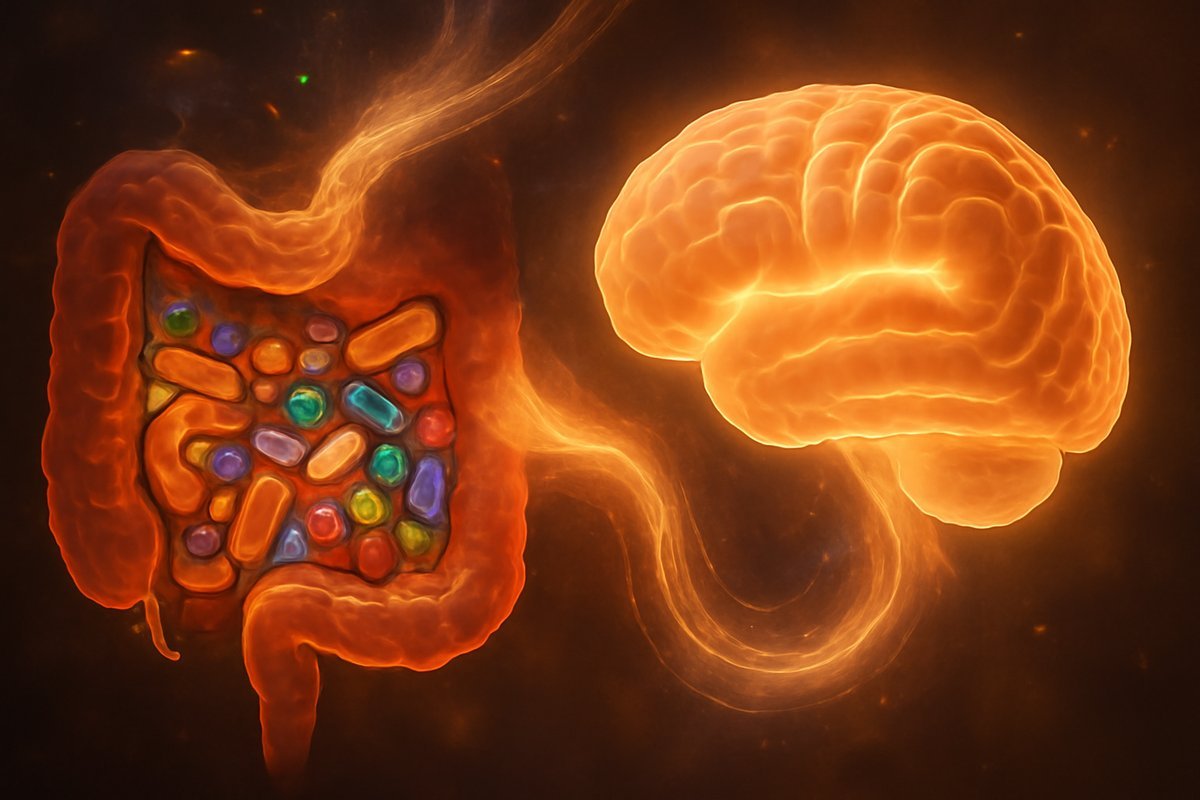
  • The Gut-Brain Connection: Fueling Your Mood & Mind

    The Gut-Brain Connection: Fueling Your Mood & Mind

    Ever felt "gut feelings" about important decisions, or noticed stress ties your stomach in knots? It’s not just a figure of speech; your gut and brain are in constant, complex communication.

    In our fast-paced world, it’s easy to overlook the subtle yet profound links between different systems in our body. We often treat our physical and mental health as separate entities, but increasingly, science reveals they are deeply intertwined. One of the most fascinating examples of this holistic connection is the gut-brain axis — a sophisticated communication network that links your digestive system directly to your central nervous system.

    Many of us experience digestive discomfort when stressed, or find our mood dips when our stomach feels off. These aren’t coincidences. The gut-brain connection explains why your diet can influence your mental clarity, and why managing stress can ease digestive woes. Understanding this link isn’t about dissecting complex biology; it’s about empowering you with practical, science-backed strategies to feel better, think clearer, and live with more vitality.

    This article will demystify the incredible relationship between your gut and your brain. You’ll learn how this two-way street operates, discover actionable steps to support its health, and identify common pitfalls to avoid. By the end, you’ll have a clearer roadmap to nourish both your body and your mind, translating into improved mood, enhanced focus, and overall well-being.

    Why the Gut-Brain Connection Matters More Than You Think

    For decades, the gut was primarily seen as a digestive organ — a place where food breaks down and nutrients are absorbed. While this role is crucial, modern science reveals a far more expansive function. Your gut is home to trillions of microorganisms, collectively known as the gut microbiome, which act as a bustling inner ecosystem influencing everything from immunity to mood.

    This intricate ecosystem constantly interacts with your brain through the gut-brain axis, a bidirectional communication superhighway. This isn’t a one-way street where the brain dictates everything; rather, it’s a dynamic conversation where your gut, and its microbial residents, significantly impact your brain’s function and your emotional state.

    One of the key players in this dialogue is the vagus nerve, a major cranial nerve that directly connects your brainstem to your gut. It acts like a telephone line, relaying messages about satiety, discomfort, and even emotional states. Beyond the vagus nerve, the gut also produces a remarkable array of neuroactive compounds.

    Consider this: approximately 90% of your body’s serotonin, a neurotransmitter strongly associated with feelings of well-being and happiness, is produced in the gut, not the brain. Research published in the Journal of Physiology and Pharmacology, when this understanding was first emerging, highlighted the gut’s profound capacity to synthesize these crucial chemical messengers, underlining its critical role in mood regulation.

    This means a healthy gut isn’t just about comfortable digestion; it’s fundamental to maintaining a balanced mood, reducing anxiety, and even enhancing cognitive function. When this connection is compromised, you might experience not only digestive issues but also brain fog, irritability, or increased stress.

    The Science Behind the Gut-Brain Axis: A Two-Way Street

    To truly appreciate the gut-brain axis, let&#8217s dive a bit deeper into its mechanisms. It’s far more than just a nerve pathway; it involves a complex interplay of neural, hormonal, and immunological signaling.

    At the heart of this connection is the Enteric Nervous System (ENS), often dubbed the "second brain." This extensive network of neurons embedded in the walls of your gastrointestinal tract can operate independently of the brain, overseeing digestive processes. Yet, it also communicates extensively with your central nervous system. When this scientific understanding first became widespread, it challenged the long-held myth that the brain was the sole command center for such intricate bodily functions.

    The gut microbiome plays a pivotal role in this axis. These trillions of bacteria, fungi, and viruses produce a variety of compounds, including short-chain fatty acids (SCFAs) like butyrate, and neurotransmitters like GABA and dopamine precursors. These compounds can cross the blood-brain barrier or signal via the vagus nerve, directly influencing brain chemistry and function.

    For instance, an animal study published in Cell at the time showed how specific gut microbes could influence anxiety-like behavior and even alter brain development, providing compelling evidence of the microbiome’s neuroactive potential. While human research is more complex, observational studies consistently link microbiome diversity and composition to various mental health outcomes.

    Furthermore, the gut barrier, a single layer of cells lining your intestines, is critical. When healthy, it acts as a selective filter, allowing nutrients in while keeping harmful substances out. If this barrier becomes compromised (often referred to as "leaky gut" by some wellness communities), inflammatory molecules can enter the bloodstream and potentially trigger systemic inflammation, which is increasingly linked to mood disorders and cognitive decline.

    How to Nurture Your Gut-Brain Axis: Practical Steps

    Understanding the science is one thing, but applying it to your daily life is where the real change happens. Here’s how you can proactively support a healthy gut-brain connection:

    Beginner-Friendly Entry Points:

    1. Prioritize Dietary Diversity: Don’t just eat one type of fruit or vegetable. Aim for a wide array of plant-based foods — different colors, textures, and types. Each plant food feeds a different set of beneficial gut bacteria. Start by adding one new fruit, vegetable, or legume to your meals each week.
    2. Embrace Fermented Foods: Incorporate small amounts of fermented foods like plain yogurt (with live active cultures), kefir, sauerkraut, kimchi, or tempeh into your diet a few times a week. These are natural sources of probiotics that can introduce beneficial bacteria to your gut.
    3. Stay Hydrated: Water is essential for every bodily function, including digestion and nutrient absorption. Make a conscious effort to drink plenty of water throughout the day. Keep a water bottle handy as a visual reminder.
    4. Mindful Eating: Slow down during meals. Chew your food thoroughly and pay attention to your body’s hunger and fullness cues. This simple practice can improve digestion and reduce stress around eating.

    Intermediate and Advanced Options:

    1. Targeted Fiber Intake: Once comfortable with dietary diversity, focus on specific types of fiber — soluble, insoluble, and resistant starch. Foods like oats, flax seeds, psyllium, and cooked and cooled potatoes or rice (for resistant starch) are excellent. Aim to meet the USDA Dietary Guidelines for fiber (25g for women, 38g for men) consistently.
    2. Strategic Stress Management: Chronic stress is a significant disruptor of the gut-brain axis. Develop a consistent stress-management routine. This could involve daily meditation, deep breathing exercises, spending time in nature, or engaging in hobbies you enjoy. For more ideas, explore "10 Daily Habits That Actually Reduce Stress Long-Term."
    3. Optimize Sleep: Poor sleep profoundly impacts both gut health and cognitive function. Establish a consistent sleep schedule, create a relaxing bedtime routine, and ensure your sleep environment is conducive to rest. You can find practical guidance in "Sleep Hygiene Habits: Your Blueprint for Restful Nights."
    4. Consider a Probiotic Supplement (Wisely): While food sources are ideal, a high-quality, multi-strain probiotic supplement may be beneficial, especially after antibiotic use or during periods of digestive distress. However, always consult a healthcare professional to ensure it’s appropriate for your specific needs. The effects of probiotics can vary significantly between individuals.

    Common Mistakes That Sabotage Results

    Even with the best intentions, it’s easy to fall into traps that hinder your progress in supporting your gut-brain axis. Acknowledging these common errors is the first step toward correcting them.

    1. Ignoring Chronic Stress: Stress is perhaps the most potent saboteur of the gut-brain connection. Many people focus solely on diet but neglect the overwhelming impact of unmanaged, persistent stress on digestion, gut permeability, and microbial balance.
      • Why it happens: We often normalize stress or feel we lack control over it.
      • How to fix it: Integrate daily, non-negotiable stress-reduction practices. Even 5-10 minutes of deep breathing, walking, or meditation can make a difference.
    2. Over-reliance on Processed Foods and Sugar: A diet high in ultra-processed foods, refined sugars, and artificial additives can deplete beneficial gut bacteria and promote the growth of less desirable strains. This imbalance, known as dysbiosis, directly impacts the gut’s ability to produce beneficial compounds for the brain.
      • Why it happens: Convenience, taste, and ingrained habits make these foods appealing.
      • How to fix it: Gradually reduce your intake. Focus on adding more whole, unprocessed foods rather than strictly eliminating. Small swaps, like fruit instead of candy or whole grains instead of white bread, accumulate over time.
    3. Lack of Consistency and Impatience: Optimizing gut health and its impact on the brain is a journey, not a quick fix. Expecting immediate, dramatic results from a few days of eating yogurt or taking a probiotic can lead to discouragement.
      • Why it happens: We live in a world of instant gratification.
      • How to fix it: Focus on sustainable, long-term habits. Track your changes in mood, energy, and digestion over weeks and months, not days. Celebrate small victories and be patient with your body’s adaptive processes.
    4. Over-Sanitizing Your Environment: While hygiene is important, an overly sterile environment can limit exposure to diverse microbes, potentially hindering the development of a robust and resilient gut microbiome.
      • Why it happens: A focus on germ prevention.
      • How to fix it: Engage with nature — garden, spend time outdoors, walk barefoot on grass. Don’t fear healthy dirt and a little microbial exposure.

    What to Eat (and Limit) for a Harmonious Gut-Brain Link

    Your plate is a powerful tool for shaping your gut-brain axis. Focusing on nutrient-dense, whole foods provides the building blocks and fuel for both your microbiome and your brain.

    Foods to Embrace:

    • Fiber-Rich Plant Foods (Prebiotics): These are the non-digestible fibers that feed your beneficial gut bacteria. Think of them as fertilizer for your microbiome. Include a variety of:
      • Legumes: Lentils, chickpeas, black beans (aim for ½ cup cooked daily if tolerated).
      • Whole Grains: Oats, barley, quinoa, brown rice (1-2 servings daily).
      • Vegetables: Broccoli, asparagus, garlic, onions, leeks, artichokes, leafy greens (aim for 3-5 servings daily).
      • Fruits: Berries, apples, bananas (1-2 servings daily).
    • Fermented Foods (Probiotics): These foods contain live, beneficial bacteria that can colonize your gut. Introduce them gradually.
      • Yogurt/Kefir: Look for "live and active cultures" (1 cup daily).
      • Sauerkraut/Kimchi: Unpasteurized varieties (¼ to ½ cup daily).
      • Tempeh/Miso: Fermented soy products.
    • Omega-3 Fatty Acids: Essential for brain health and reducing inflammation, which can impact the gut. The American Heart Association recommends eating fatty fish twice a week.
      • Fatty Fish: Salmon, mackerel, sardines, tuna (2 servings per week).
      • Plant Sources: Chia seeds, flax seeds, walnuts.
    • Polyphenol-Rich Foods: Polyphenols are plant compounds with antioxidant properties that can promote beneficial gut bacteria.
      • Berries: Blueberries, raspberries.
      • Dark Chocolate: High cocoa content (enjoy in moderation).
      • Green Tea, Coffee: Also contain beneficial polyphenols.

    Foods/Habits to Limit:

    • Ultra-Processed Foods: These are typically high in unhealthy fats, added sugars, and artificial ingredients that can negatively alter the gut microbiome and promote inflammation.
    • Excessive Added Sugar: A primary culprit for gut dysbiosis and inflammation. Check labels for hidden sugars.
    • Artificial Sweeteners: Some research suggests they can negatively impact gut bacteria, though results vary.
    • Excessive Alcohol: Can disrupt the gut barrier and alter microbial balance.

    How Long Until You Feel a Difference? What to Track

    When you start making changes to support your gut-brain axis, patience is key. Your body needs time to adapt, and your microbiome needs time to shift. This is not an overnight transformation.

    Realistic Timelines:

    • Initial Changes (Days to 2 Weeks): You might notice subtle improvements in digestive comfort (less bloating, more regular bowel movements) or slight shifts in energy levels. Some individuals report feeling a bit "lighter" or less sluggish.
    • Noticeable Differences (2 Weeks to 2 Months): This is typically when people start to experience more significant benefits. You might observe a more stable mood, fewer instances of brain fog, improved sleep quality, and a general sense of enhanced well-being. The Harvard Health Publishing has emphasized that dietary changes impacting mental health are often gradual, requiring sustained effort.
    • Long-Term Benefits (3 Months and Beyond): Consistent adherence to gut-friendly habits will yield the most profound and lasting results. At this stage, your gut microbiome becomes more resilient, and the communication with your brain is more efficient, contributing to sustained mental clarity, emotional balance, and robust overall health.

    Results vary significantly from person to person based on your baseline gut health, dietary history, stress levels, and genetics. Be kind to yourself and celebrate small, consistent improvements.

    Specific Metrics or Signals to Monitor:

    • Mood Journaling: Keep a simple journal to track your daily mood, energy levels, and any instances of anxiety or irritability. This provides objective data on how changes are impacting your emotional state.
    • Digestive Comfort: Pay attention to bloating, gas, stomach pain, and bowel regularity. Notice if these improve or worsen with specific dietary or lifestyle changes.
    • Sleep Quality: Track how easily you fall asleep, how often you wake up, and how refreshed you feel upon waking.
    • Cognitive Clarity: Note any improvements in focus, concentration, memory, or reduction in "brain fog."
    • Energy Levels: Monitor your overall energy throughout the day, looking for fewer dips and more sustained vitality.

    If you experience persistent digestive issues, mood disturbances, or other concerning symptoms, do not hesitate to seek professional guidance. A qualified healthcare provider, registered dietitian, or gut health specialist can help identify underlying issues and create a personalized plan.

    Frequently Asked Questions

    Here are some common questions people have about the gut-brain connection:

    Can stress really cause digestive issues?

    Absolutely. The gut-brain axis means stress signals from your brain can directly impact gut motility, permeability, and even alter your gut microbiome. This can manifest as indigestion, bloating, diarrhea, or constipation.

    Are probiotics helpful for mood?

    Some research suggests certain probiotic strains, often called "psychobiotics," may have a positive effect on mood and anxiety by influencing neurotransmitter production and reducing inflammation. However, results vary, and more research is needed to identify optimal strains and dosages.

    How quickly can diet impact my gut-brain axis?

    While profound, lasting changes take time, your gut microbiome can begin to shift within days of significant dietary changes. You might start to feel subtle digestive improvements within a week or two, with mood and energy changes becoming more noticeable over several weeks to months.

    What are prebiotics and why are they important?

    Prebiotics are non-digestible fibers that selectively stimulate the growth and activity of beneficial bacteria in your gut. They are essentially food for your probiotics. Consuming a variety of prebiotic-rich foods, such as garlic, onions, asparagus, bananas, and oats, is crucial for nurturing a healthy microbiome.

    Is fermented food always good for everyone?

    While generally beneficial, some individuals, especially those with certain gut conditions like SIBO (Small Intestinal Bacterial Overgrowth) or histamine intolerance, might initially experience discomfort from fermented foods. It’s best to introduce them slowly and in small quantities, or consult a professional if you have underlying digestive issues.

    Conclusion

    The gut-brain connection is a testament to the incredible interconnectedness of your body. Far from being separate entities, your digestive system and your brain are constantly communicating, influencing each other’s health and function in profound ways. By prioritizing the well-being of your gut, you’re making a direct investment in your mental clarity, emotional resilience, and overall vitality.

    Remember that optimizing your gut-brain axis isn’t about perfection; it’s about consistent, small steps that add up over time. Start today by choosing one simple change — perhaps adding a new fiber-rich vegetable to your plate, taking a few minutes for mindful breathing, or ensuring you drink enough water. Embrace the journey of nourishing your inner ecosystem, and you’ll unlock a powerful pathway to feeling your best, both inside and out.

    WELLNESS DISCLAIMER:

    This article is for informational and educational purposes only. The content is not intended to replace professional medical, nutritional, or fitness advice. Always consult a qualified healthcare provider, registered dietitian, or certified fitness professional before starting a new health program or making significant changes to your lifestyle.

    Content reviewed by our wellness editorial team, with references to peer-reviewed research and guidelines from leading health organizations.

  • Building Strong Bones: A Woman’s Guide to Lifelong Bone Health

    Building Strong Bones: A Woman’s Guide to Lifelong Bone Health

    You might not feel your bones weakening, but proactive steps today can prevent serious issues for decades to come.

    It's easy to take your bones for granted. They're out of sight, out of mind, quietly supporting every move you make, every step you take. Many of us don't think about bone health until we're much older, perhaps after a fall or a diagnosis. But here's a truth bomb: the foundation for strong bones throughout life, especially for women, is built much earlier than you might think.

    Many women assume that bone health is primarily about taking a calcium supplement later in life. While calcium is undeniably crucial, it's just one piece of a much larger, more dynamic puzzle. Building and maintaining resilient bones involves a comprehensive approach that intertwines nutrition, exercise, lifestyle choices, and a keen understanding of your body's unique needs as a woman. The good news? It's never too late to start, and even small, consistent actions can make a profound difference.

    This guide will cut through the noise, providing you with evidence-backed strategies for optimal women's bone health. You'll learn the science behind bone remodeling, actionable steps you can integrate into your daily routine, common pitfalls to avoid, and a clear timeline for understanding results. Prepare to empower yourself with the knowledge to build a robust skeletal framework, ensuring you stay strong, active, and independent for years to come.

    Why Women's Bone Health Matters More Than You Think

    While bone health is important for everyone, it holds particular significance for women. The statistics paint a clear picture: approximately one in two women over the age of 50 will experience an osteoporosis-related fracture in their lifetime, compared to one in four men. This stark difference isn't just about aging; it's deeply rooted in female physiology.

    Women typically have smaller, thinner bones than men. More critically, the hormonal shifts unique to women's lives play a dominant role in bone density. Estrogen, often considered a "female hormone," is a powerful protector of bone density. When estrogen levels decline significantly, particularly during perimenopause and menopause, bone loss can accelerate dramatically. This period, often starting in the late 40s or early 50s, marks a critical window where women can lose up to 20% of their bone density within 5-7 years, according to the National Institutes of Health (NIH).

    Beyond the numbers, strong bones directly impact your daily life. They allow you to move freely, engage in your favorite activities, maintain balance, and prevent debilitating fractures that can severely impact quality of life and independence. Prioritizing women's bone health isn't just about preventing osteoporosis; it's about safeguarding your vitality and ensuring you can live fully at every age.

    The Science Behind Bone Strength & Remodeling

    Bones aren't static, lifeless structures; they are dynamic, living tissues constantly undergoing a process called "remodeling." Think of your skeleton as a bustling construction site, with two main types of specialized cells working in tandem: osteoclasts, which break down old bone tissue, and osteoblasts, which build new bone tissue. This constant cycle of breakdown and rebuilding keeps your bones strong, resilient, and responsive to the demands you place on them.

    During childhood and adolescence, osteoblast activity typically outpaces osteoclast activity, leading to an increase in bone density. Most people reach their "peak bone mass" — the maximum density and strength your bones will achieve — by their late 20s or early 30s. After this point, the balance often shifts, and a gradual decline in bone mass can begin. For women, this decline is particularly pronounced as estrogen levels fall during perimenopause and menopause, as estrogen helps to inhibit osteoclast activity.

    A common myth is that once you've passed your peak bone mass, you can't significantly impact your bone density. While building peak bone mass in youth is ideal, research published in the Journal of Bone and Mineral Research has demonstrated that lifestyle interventions, even later in life, can slow bone loss and, in some cases, even improve bone density. This includes consistent engagement in weight-bearing exercises and optimal nutrient intake.

    How to Build & Maintain Bone Density: Practical Steps

    Building and maintaining strong bones isn't rocket science, but it does require consistency and the right approach. Here's how to integrate bone-strengthening habits into your routine:

    1. Prioritize Weight-Bearing Exercise

    This is arguably the most critical component for bone health. Weight-bearing exercises are those where your body works against gravity, stimulating your bones to become denser and stronger. This includes both high-impact and low-impact options.

    • Beginner: Start with brisk walking for 30 minutes, most days of the week. Add short bouts of marching in place or stepping up and down a single stair. Focus on good posture.

    • Intermediate: Incorporate jogging, hiking, dancing, or playing sports like tennis. Aim for 3-5 sessions per week. Consider adding bodyweight exercises like squats, lunges, and push-ups, which also act as weight-bearing activities.

    • Advanced: Engage in more vigorous activities such as running, jumping rope, or plyometrics (jump training), if medically appropriate and cleared by a professional. Always listen to your body and progress gradually to prevent injury.

    2. Embrace Strength Training

    Often confused with weight-bearing aerobics, strength training (also called resistance training) specifically involves working your muscles against resistance, such as weights, resistance bands, or your own body weight. This pulls on your bones, signaling them to build more tissue. The American College of Sports Medicine (ACSM) recommends strength training for all major muscle groups at least two to three times per week.

    • Beginner: Start with bodyweight exercises like wall push-ups, chair squats, and lunges without weights. Focus on proper form over heavy loads. You can find a comprehensive guide on getting started here: Strength Training for Healthy Aging: Your Complete Guide.

    • Intermediate: Introduce light dumbbells or resistance bands for exercises like bicep curls, overhead presses, rows, and deadlifts. Aim for 2-3 sets of 8-12 repetitions for each exercise.

    • Advanced: Progress to heavier weights, more complex compound movements (e.g., barbell squats, bench press), and varied training splits. Consider working with a certified personal trainer to optimize your program and ensure safety.

    3. Incorporate Balance Exercises

    While not directly building bone density, improving your balance is crucial for preventing falls, which are a leading cause of fractures, especially for those with lower bone density. Activities like yoga, Tai Chi, and simple single-leg stands can significantly enhance proprioception and stability.

    Common Mistakes That Sabotage Results

    Even with the best intentions, it's easy to fall into habits that unknowingly hinder your bone health efforts. Acknowledging these common errors is the first step toward correcting them.

    1. Solely Relying on Calcium Supplements

    Many assume popping a calcium pill is enough. While supplements can bridge nutritional gaps, they are not a magic bullet. Research suggests that calcium from food sources is generally better absorbed and utilized by the body than supplements alone. Furthermore, without sufficient Vitamin D, your body can't effectively absorb calcium, making supplementation less impactful. Always aim for dietary calcium first and discuss supplementation with a healthcare provider to determine if it's truly necessary and in what form.

    2. Neglecting Strength Training and Impact Activities

    It's common to prioritize cardiovascular exercise for heart health or weight management, but "walking doesn't just build stronger legs, it builds stronger bones," notes Harvard Health Publishing. Cycling and swimming are excellent for cardiovascular fitness, but because they are non-weight-bearing, they don't provide the necessary impact or resistance to stimulate bone growth in the same way that running, jumping, or lifting weights does. If your routine lacks these elements, your bones aren't getting the signals they need to rebuild and strengthen.

    3. Engaging in Excessive Restrictive Diets

    Chronic undereating or severely restrictive diets — especially those that cut out entire food groups without careful nutritional planning — can compromise bone health. When your body doesn't receive enough calories or essential nutrients, it can lead to hormonal imbalances (like low estrogen or irregular periods in women), which directly affect bone density. Additionally, a lack of dietary fats can hinder the absorption of fat-soluble vitamins like Vitamin D and K, both vital for bone health. Always prioritize a balanced, nutrient-dense eating pattern.

    4. Overlooking Lifestyle Factors Beyond Diet and Exercise

    Bone health isn't just about what you eat or how you move. Lifestyle choices like smoking, excessive alcohol consumption, and chronic stress can significantly undermine your efforts. Smoking has been linked to lower bone density and an increased risk of fractures, while excessive alcohol can interfere with calcium absorption and bone formation. Chronic stress can also affect hormone levels that impact bone metabolism. Addressing these factors is crucial for a holistic approach to bone wellness.

    What to Eat for Optimal Bone Health

    Nutrition forms the bedrock of strong bones. It's not just about calcium; a symphony of nutrients works together to support your skeletal structure. The USDA Dietary Guidelines recommend a variety of nutrient-dense foods to support overall health, including bone health.

    Calcium: The Building Block

    Aim for 1,000 mg per day for most adults, increasing to 1,200 mg for women over 50. Prioritize food sources:

    • Dairy Products: Milk (1 cup = ~300 mg), yogurt (6 oz = ~300-450 mg), cheese (1.5 oz cheddar = ~300 mg).

    • Fortified Foods: Fortified plant-based milks (almond, soy, oat – check labels for ~300 mg per cup), fortified cereals, orange juice.

    • Leafy Greens: Kale, collard greens, turnip greens (1 cup cooked = ~100-250 mg). Note: Spinach contains oxalates which can inhibit absorption, so don't rely solely on it.

    • Other Sources: Tofu (calcium-set, 1/2 cup = ~200-300 mg), sardines (3 oz = ~325 mg), canned salmon with bones (3 oz = ~180 mg), white beans, figs.

    Vitamin D: The Calcium Helper

    Vitamin D is essential for calcium absorption. Aim for 600-800 IU (international units) daily, possibly more depending on individual needs and sun exposure. Getting enough Vitamin D can be challenging through diet alone:

    • Sun Exposure: Your skin produces Vitamin D when exposed to sunlight, but this varies by location, skin type, and time of year. About 10-15 minutes of midday sun exposure without sunscreen a few times a week can be sufficient for some.

    • Fatty Fish: Salmon (3 oz = ~400-800 IU), mackerel, tuna, sardines.

    • Fortified Foods: Milk, certain yogurts, cereals, orange juice (check labels).

    • Supplements: Often necessary, especially in winter months or for those with limited sun exposure. Consult your doctor for appropriate dosing.

    Beyond Calcium and Vitamin D: Other Key Players

    • Magnesium: Involved in over 300 bodily processes, including bone formation. Found in leafy greens, nuts, seeds, whole grains, and legumes.

    • Vitamin K: Plays a role in bone mineralization and helps regulate calcium. Found in leafy green vegetables (kale, spinach, collards) and broccoli. These foods also contribute to an anti-inflammatory diet, beneficial for overall wellness.

    • Protein: Essential for building bone matrix. Ensure adequate intake from lean meats, poultry, fish, eggs, dairy, legumes, and nuts.

    • Potassium: May help reduce calcium loss from bones. Found in fruits and vegetables like bananas, potatoes, and oranges.

    What to Avoid (or Limit)

    • Excessive Sodium: High sodium intake can increase calcium excretion through urine.

    • Excessive Caffeine: While moderate intake is generally fine, very high caffeine intake (e.g., more than 400 mg/day) might slightly increase calcium loss, especially if calcium intake is low.

    • Excessive Alcohol: Disrupts Vitamin D activation and bone-forming cell activity.

    • Soft Drinks: Some research suggests a link between high soda consumption (especially cola) and lower bone density, possibly due to displacement of milk/fortified beverages or phosphoric acid content, though evidence is mixed.

    How Long Until You See Results & What to Track

    When it comes to bone health, patience is a virtue. Unlike muscle gains or weight loss, changes in bone density are slow and incremental. You won't "feel" your bones getting stronger day by day, and significant measurable changes typically take time — often years.

    Research indicates that it can take anywhere from 6 months to 2 years of consistent, appropriate exercise and nutritional changes to see measurable improvements in bone mineral density (BMD) via a DEXA scan. Even then, the improvements might be modest, such as a 1-3% increase per year, particularly for individuals who have already passed their peak bone mass.

    What to Track:

    • Bone Mineral Density (BMD) Scans (DEXA): This is the gold standard for measuring bone density. Your doctor may recommend a baseline scan around menopause or earlier if you have risk factors, and subsequent scans every 1-2 years to monitor changes. Don't expect dramatic shifts in short periods; these are long-term trends.

    • Lifestyle Adherence: The most practical daily metric is your consistency with bone-healthy habits. Are you consistently engaging in weight-bearing and strength-training exercises? Are you consuming enough calcium, Vitamin D, and other vital nutrients? Track your workouts and food intake to ensure you're meeting your targets.

    • Improved Strength and Balance: While not a direct measure of bone density, improved muscle strength and better balance reduce your risk of falls and, consequently, fractures. Notice if you feel stronger, more stable, and more confident in your movements.

    Remember, results vary significantly based on your age, baseline bone density, genetic factors, and the consistency and intensity of your interventions. If you have concerns about your bone health or specific conditions like osteopenia or osteoporosis, always consult with your healthcare provider or a specialist for personalized guidance and to discuss medication options if appropriate.

    Frequently Asked Questions

    Q: Do I need a calcium supplement?

    A: Not necessarily. The Academy of Nutrition and Dietetics generally recommends trying to meet calcium needs through food first. If your dietary intake falls short, a supplement may be beneficial, but it's best to discuss this with your doctor or a registered dietitian. Excessive calcium supplementation can have risks, so finding the right balance is key.

    Q: Is running good for my bones?

    A: Yes, running is an excellent weight-bearing exercise that can help build and maintain bone density, especially in the hips and spine. However, it's essential to ensure you have good running form, appropriate footwear, and gradually increase mileage to avoid injury. If you have existing bone issues, consult your doctor before starting a running program.

    Q: What about caffeine and bone health?

    A: Moderate caffeine consumption (up to 400 mg/day, about 3-4 cups of coffee) generally has a minimal effect on bone health, especially if your calcium intake is adequate. Very high caffeine intake, combined with insufficient calcium, might slightly increase calcium excretion, but the impact is usually small. Enjoy your coffee in moderation!

    Q: How does menopause affect bones?

    A: Menopause significantly impacts bone health due to the sharp decline in estrogen. Estrogen helps protect bone density by regulating the activity of bone-remodeling cells. With less estrogen, bone breakdown accelerates, leading to rapid bone loss. This is why interventions like weight-bearing exercise and adequate calcium/Vitamin D are especially critical during and after menopause. For a deeper dive into hormonal changes, you can read our guide on Hormonal Balance for Women.

    Q: Can I improve bone density if I already have osteopenia or osteoporosis?

    A: While significantly reversing osteoporosis can be challenging, consistent lifestyle interventions can help slow bone loss, stabilize bone density, and, in some cases, lead to modest improvements. The focus shifts to preventing further loss and reducing fracture risk. It's crucial to work with your healthcare team to develop a comprehensive plan that may include medication alongside diet and exercise.

    Conclusion

    Your bones are the unsung heroes of your body, providing structure, protection, and the ability to move through life with grace and strength. For women, especially, understanding and proactively nurturing bone health is a lifelong endeavor that pays immense dividends in vitality and independence. It's not about perfection but about consistent, informed choices.

    Remember, every weight-bearing step, every strength-training repetition, and every nutrient-rich meal contributes to the robust foundation beneath your skin. Start small, be consistent, and listen to your body. Today, take one step: add a 15-minute walk to your day, choose a calcium-rich snack, or research a new bodyweight exercise. Your future self — strong, mobile, and vibrant — will thank you.

    WELLNESS DISCLAIMER:

    This article is for informational and educational purposes only. The content is not intended to replace professional medical, nutritional, or fitness advice. Always consult a qualified healthcare provider, registered dietitian, or certified fitness professional before starting a new health program or making significant changes to your lifestyle.

    AUTHOR LINE:

    Content reviewed by our wellness editorial team, with references to peer-reviewed research and guidelines from leading health organizations.