You’ve been eating "pretty healthy" — but that afternoon soda, the flavored yogurt, the granola bar — they might be quietly wrecking your digestive system.
Here’s a number that might stop you mid-snack: the average American consumes about 77 grams of added sugar per day — that’s nearly three times the American Heart Association’s recommended limit for women and almost double the limit for men. And while most people connect excess sugar to weight gain or energy crashes, fewer realize what it’s doing deep inside their gut.
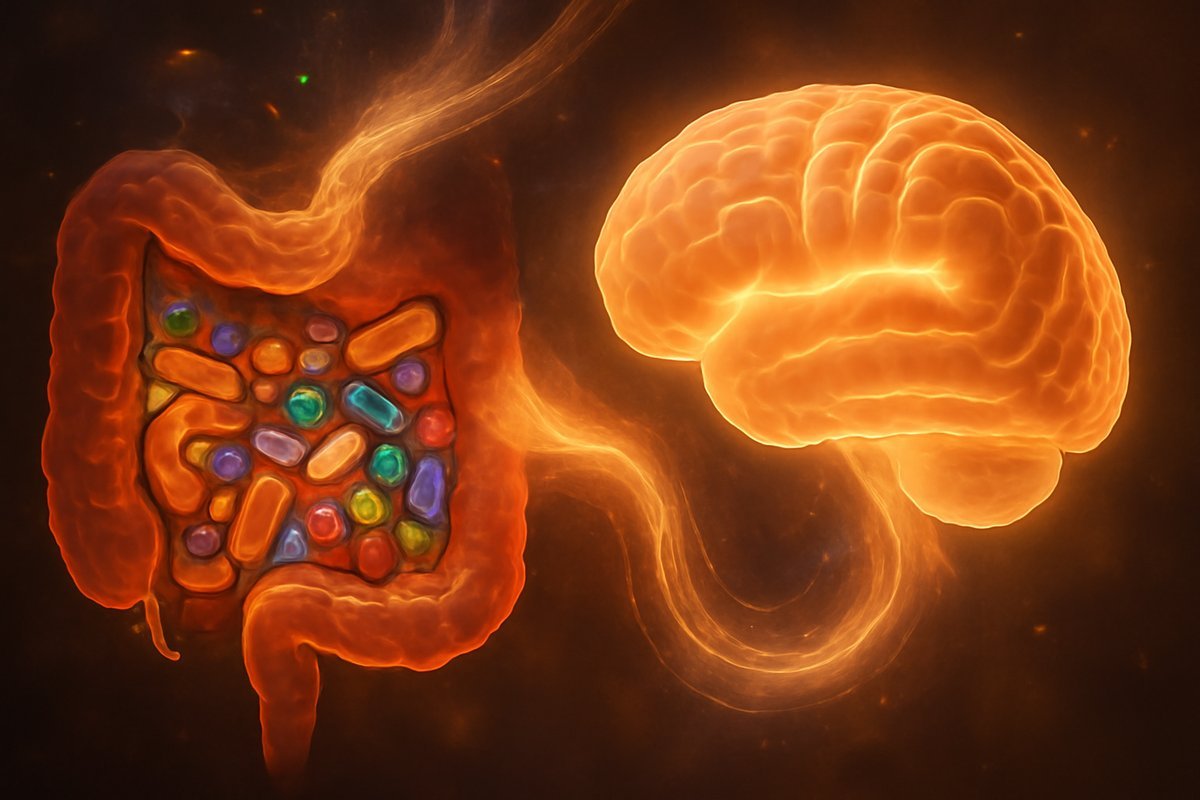
Your gut is home to trillions of microorganisms — bacteria, fungi, and other microbes — that play a direct role in your digestion, immunity, mood, and even metabolism. When sugar intake tips into excess territory, this microbial community doesn’t just get a little out of balance. It can shift in ways that fuel inflammation, digestive discomfort, and long-term health consequences.
This guide breaks down exactly how sugar disrupts your gut health, what the research says, and — most importantly — practical steps you can take to start restoring balance without going to extremes. You don’t have to live on kale and sparkling water to protect your microbiome. You just need to understand what’s actually happening inside.
Why Your Gut Microbiome Is More Vulnerable to Sugar Than You Think
Your gut microbiome isn’t just a passive bystander in digestion — it’s an active ecosystem that directly influences your immune system, brain chemistry, and inflammatory responses. According to the National Institutes of Health, the human gut harbors over 1,000 species of bacteria, and the balance between beneficial and harmful strains is fragile.
Added sugars — particularly fructose, sucrose, and high-fructose corn syrup — are rapidly fermented by certain bacterial strains in the colon. The problem isn’t fermentation itself; it’s that sugar selectively feeds harmful bacteria and yeasts, particularly Candida albicans and gram-negative bacteria like Proteobacteria, while starving the beneficial strains like Lactobacillus and Bifidobacterium.
A 2021 study published in Cell found that diets high in sugar and processed foods significantly reduced microbiome diversity within just two weeks — faster than researchers expected. Low diversity is now one of the strongest predictors of digestive dysfunction, systemic inflammation, and even metabolic conditions.
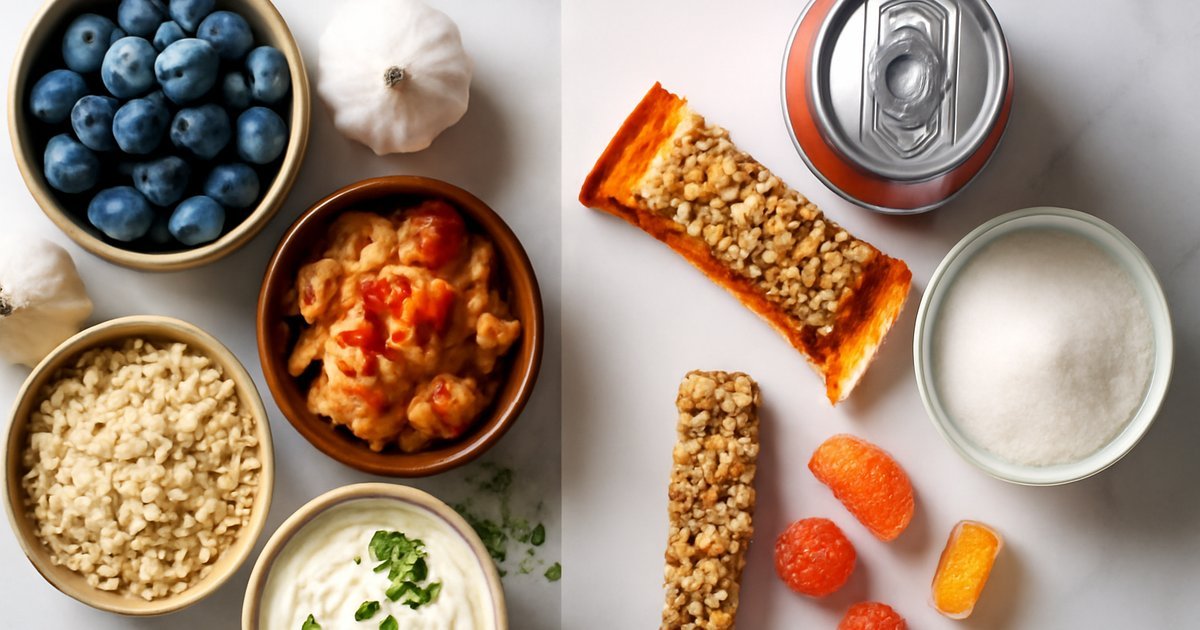
What makes this particularly relevant to your daily life: it’s not just candy bars and soda doing the damage. Hidden sugars in salad dressings, flavored oatmeal, protein bars, and "healthy" cereals add up quickly — often without any obvious sweet taste to tip you off.
What Excess Sugar Actually Does to Your Gut — The Science
Understanding the mechanism helps you take this seriously — and make smarter choices. When you consume high amounts of added sugar consistently, a cascade of events unfolds in your digestive tract.
Dysbiosis sets in. Dysbiosis is the clinical term for an imbalance in the gut microbiome — too many harmful microbes, not enough beneficial ones. Research published in Nutrients (2020) links chronic high-sugar diets to measurable dysbiosis, characterized by overgrowth of Firmicutes relative to Bacteroidetes — a ratio that has been associated with increased intestinal permeability and low-grade inflammation.
Intestinal permeability increases. This is often called "leaky gut" in popular health media, but the clinical reality is that excess sugar can weaken the tight junctions between intestinal cells. When that barrier is compromised, bacterial byproducts like lipopolysaccharides (LPS) can enter the bloodstream and trigger systemic inflammation. Harvard Health Publishing notes that this inflammatory process has been linked to a range of conditions beyond gut discomfort, including mood disorders and insulin resistance.
Beneficial bacteria get crowded out. Strains like Bifidobacterium thrive on fiber — specifically prebiotic fiber — not sugar. When sugar dominates your diet at the expense of fiber-rich foods, these protective strains decline. The Academy of Nutrition and Dietetics has consistently emphasized that dietary diversity — especially adequate fiber intake — is one of the most evidence-supported ways to maintain a healthy microbiome.
One myth worth busting here: "natural sugars are totally fine in any amount." While whole fruits contain fiber that moderates how their sugars are absorbed, consuming large quantities of fruit juice, agave syrup, or honey still delivers significant fructose loads that can disrupt microbial balance in excess. Context and quantity always matter.
How to Start Reducing Sugar Without Feeling Deprived
The goal here isn’t perfection — it’s progress. Drastic elimination rarely sticks, and the stress of rigid dietary rules can itself affect your gut-brain axis negatively. Instead, use a phased approach.
Step 1 — Audit your hidden sugar intake. Before cutting anything, spend 3 days reading nutrition labels on everything you eat. Look specifically for added sugars (not total sugars, which include naturally occurring ones). The USDA Dietary Guidelines recommend no more than 10% of daily calories from added sugars — about 50 grams on a 2,000-calorie diet. The American Heart Association sets it even lower: 25 grams for women, 36 grams for men.
Step 2 — Swap strategically, not drastically. Replace flavored yogurts with plain Greek yogurt and add fresh berries. Switch from sweetened granola to rolled oats with cinnamon. Swap bottled salad dressings (often loaded with sugar) for olive oil and vinegar. These small swaps compound quickly.
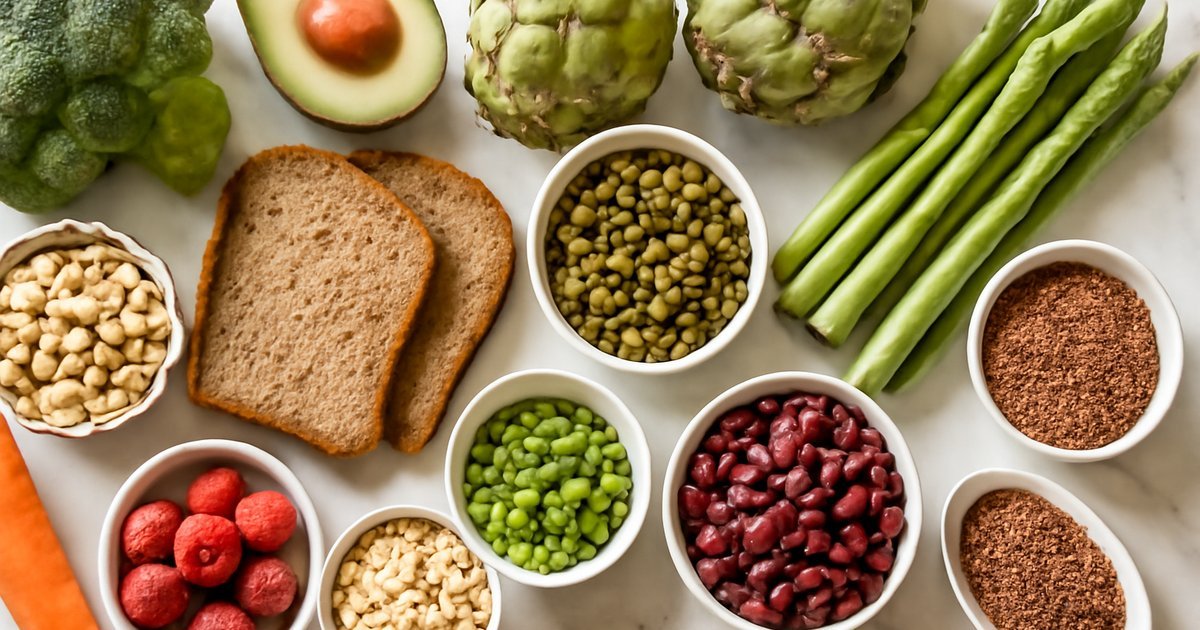
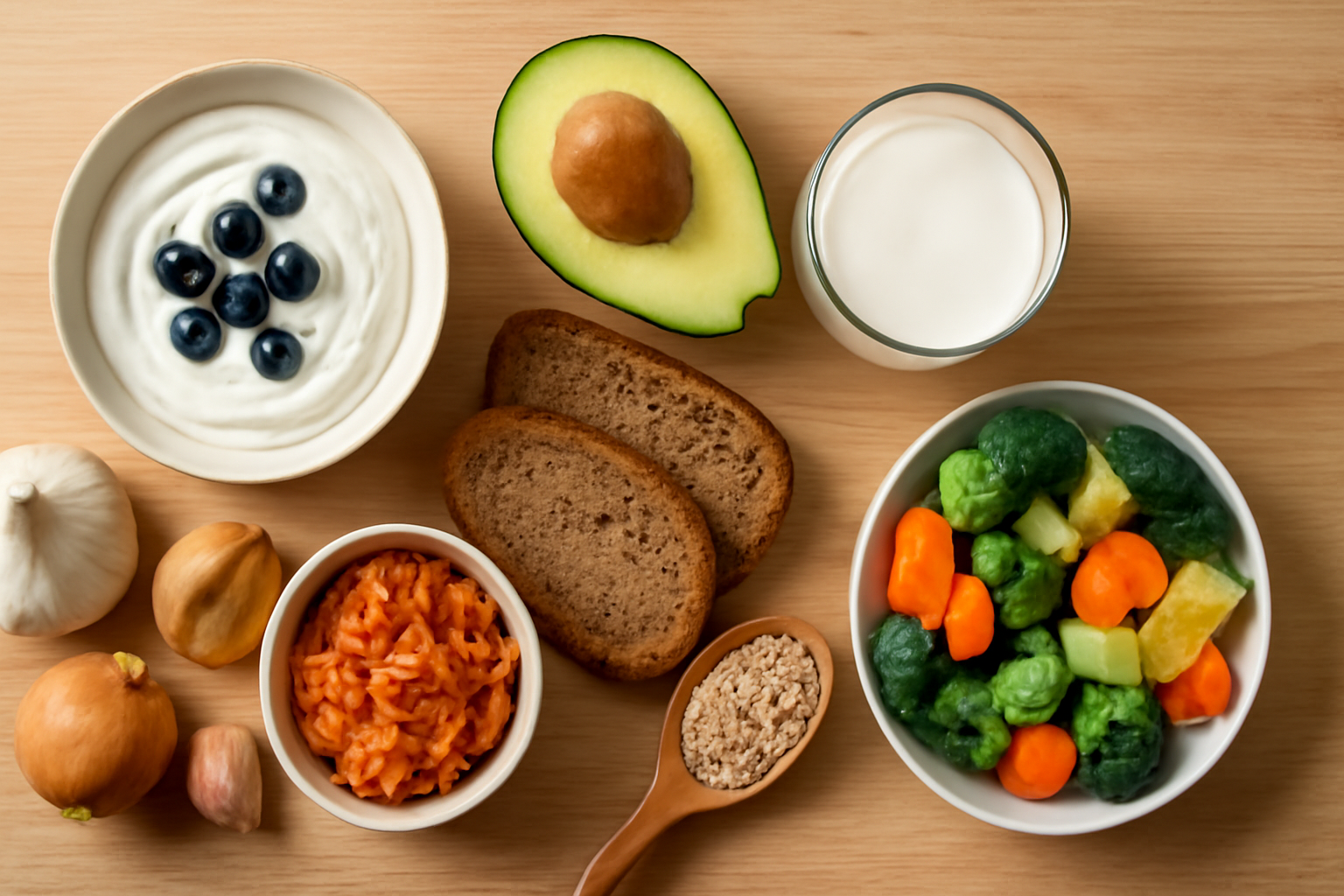
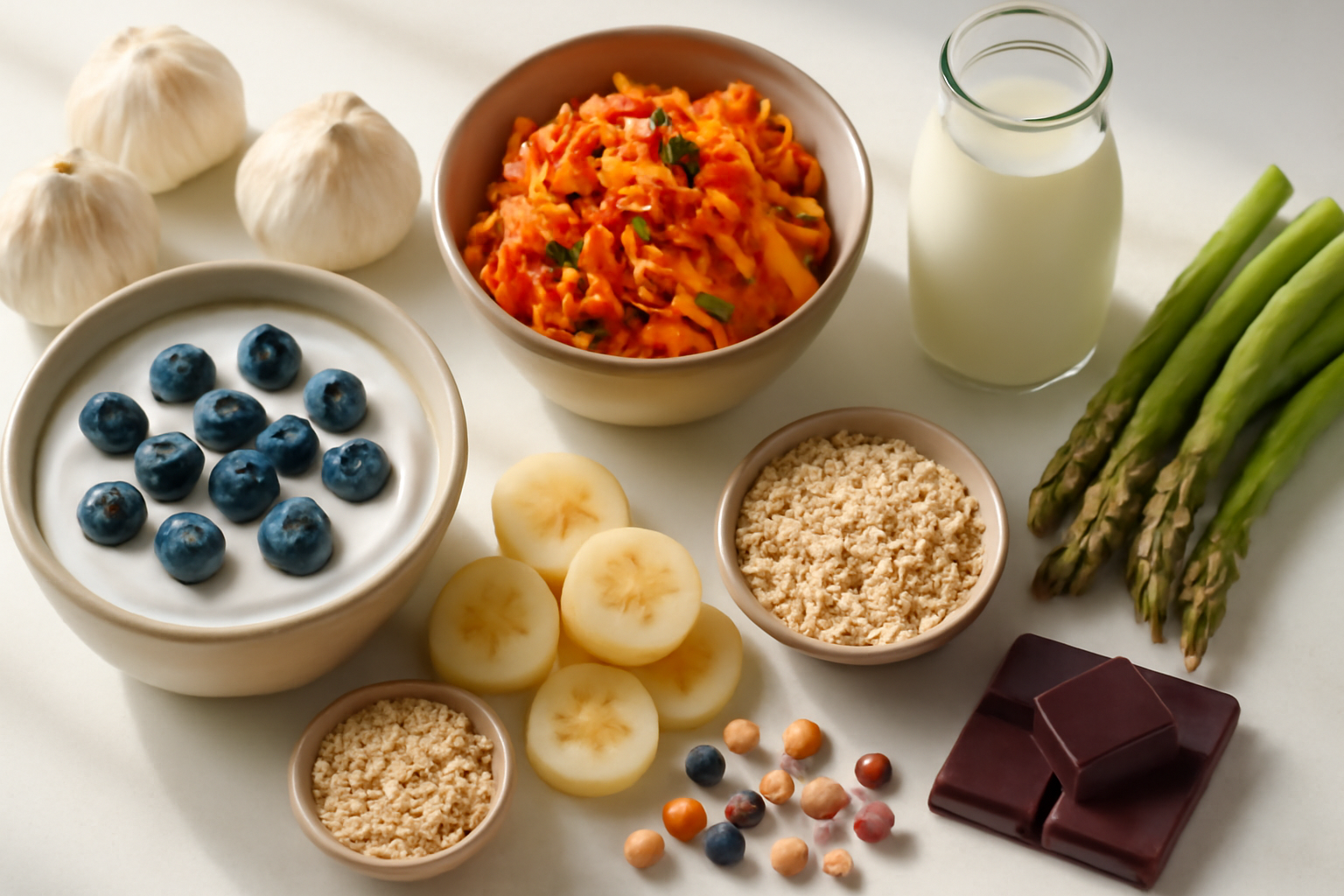
Step 3 (Intermediate) — Build your prebiotic foundation. As you reduce sugar, actively replace it with prebiotic-rich foods: garlic, onions, leeks, asparagus, green bananas, and oats. These feed the beneficial bacteria that sugar starves. Aim for 25-38 grams of total dietary fiber daily, per USDA guidelines.
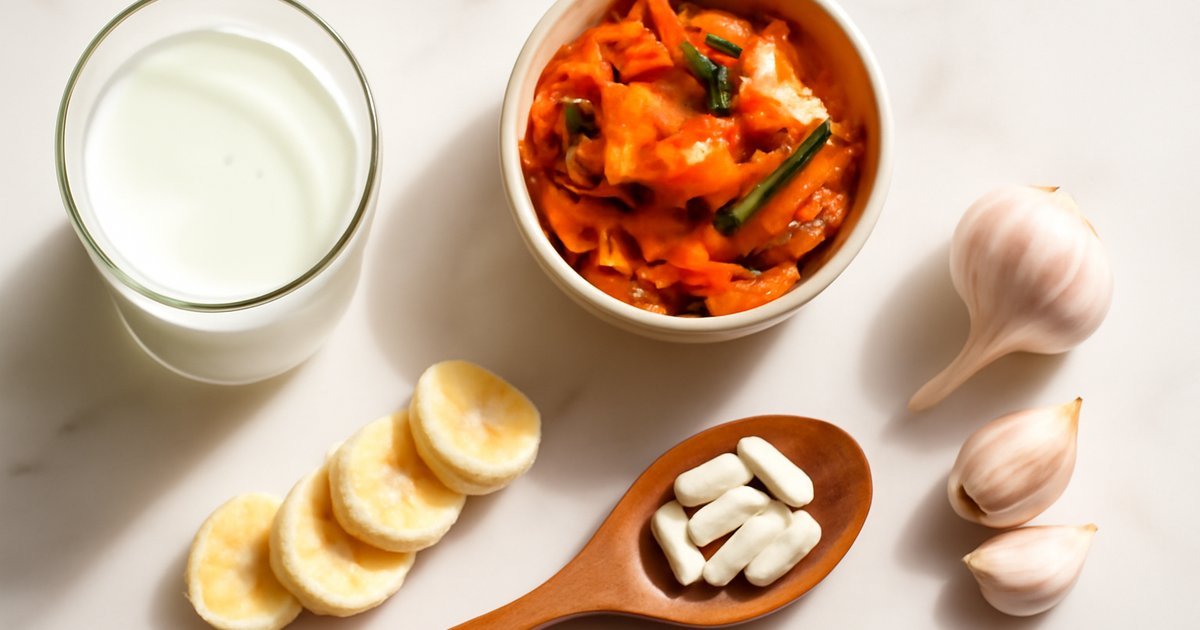
Step 4 (Advanced) — Incorporate fermented foods. Once your sugar intake is more controlled, add fermented foods like kimchi, sauerkraut, plain kefir, and miso. A landmark 2021 study from Stanford University found that a diet rich in fermented foods increased microbiome diversity and decreased markers of inflammation more significantly than a high-fiber diet alone in short-term trials.
Common Mistakes That Sabotage Your Gut Recovery
Even well-intentioned gut health efforts get derailed by a few predictable errors. Here’s what to watch for:
Mistake 1: Replacing sugar with artificial sweeteners. Many people swap sugar for sucralose, aspartame, or saccharin thinking it’s a neutral trade. It’s not necessarily. A 2022 study in Cell found that certain artificial sweeteners — particularly sucralose and saccharin — altered gut microbiome composition and glucose tolerance in some participants. This doesn’t mean all sweeteners are equally harmful, but assuming they’re gut-neutral is a mistake. Monk fruit and small amounts of stevia appear to be lower-risk options, though research is still evolving.
Mistake 2: Going too low on carbs to compensate. Eliminating all carbohydrates in an attempt to cut sugar can deprive your gut bacteria of the prebiotic fibers they need. Beneficial bacteria don’t live on protein and fat — they ferment complex carbohydrates. A balanced approach that removes added sugars but preserves whole food carbohydrates is more effective for microbiome health than extreme restriction.
Mistake 3: Ignoring alcohol’s role. Alcohol is metabolized into sugars and has well-documented disruptive effects on gut bacteria. Research published in the American Journal of Physiology shows that even moderate regular alcohol consumption can reduce Lactobacillus populations and increase intestinal permeability. If you’re actively working to restore gut health, this is a variable worth addressing honestly.
Mistake 4: Expecting overnight results. Microbiome changes take time. Reducing sugar for one week won’t undo months of imbalance — but it does start moving the needle. Impatience leads people to abandon the effort before meaningful shifts occur.
What to Eat to Help Your Gut Recover from Sugar Damage
Rebuilding a healthier microbiome after a high-sugar period requires intentional nutritional support — not just cutting the bad stuff, but adding the right fuel.
Prioritize prebiotic fiber: Aim for at least one prebiotic-rich food per day. Garlic (1-2 cloves), half a cup of cooked lentils, one medium onion, or a cup of oats are all practical servings. These feed Bifidobacterium and Lactobacillus strains directly.
Add fermented foods consistently: Half a cup of plain kefir daily, 2-3 tablespoons of sauerkraut, or a small serving of kimchi with meals. According to the Academy of Nutrition and Dietetics, fermented foods deliver live cultures that can help re-establish microbial diversity when consumed regularly.
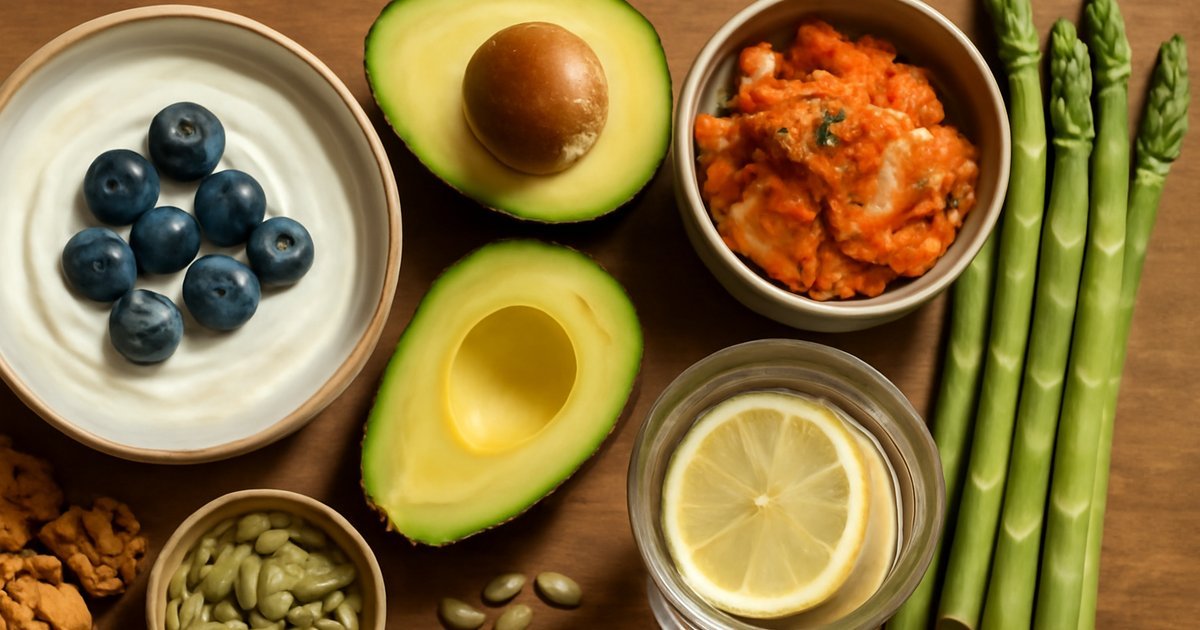
Focus on polyphenol-rich foods: Blueberries, dark chocolate (70%+), green tea, and extra-virgin olive oil contain polyphenols that act as prebiotics for beneficial bacteria. A review in Gut Microbes found that polyphenol consumption was associated with increased Bifidobacterium and Lactobacillus counts.
Don’t underestimate water: Adequate hydration supports the mucosal lining of your intestines and helps beneficial bacteria thrive. The National Academies recommends roughly 3.7 liters (men) and 2.7 liters (women) of total water daily from all sources. For more on hydration and gut function, see our guide on Digestive Enzymes: Do You Really Need Them?
Reduce ultra-processed foods broadly: Sugar rarely travels alone — it’s typically packaged with refined flours, seed oils, and additives that further stress the gut lining. Targeting ultra-processed foods as a category addresses multiple disruptors at once.
How Long Until You See Results — and What to Track
This is where realistic expectations matter. Microbiome changes are measurable but not instantaneous, and results vary significantly based on your baseline diet, stress levels, sleep quality, and medication use (particularly antibiotics).
1-2 weeks: Many people notice reduced bloating and more regular digestion as sugar fermentation in the colon decreases and fiber intake improves. Energy levels may stabilize as blood sugar fluctuations even out.
3-4 weeks: Cravings for sweet foods typically decrease as your gut bacteria begin to shift. Research suggests that the gut microbiome influences hunger hormones and neurotransmitters, meaning a healthier gut can actually make it easier to maintain lower-sugar eating over time.
2-3 months: More substantial shifts in microbiome diversity and inflammatory markers can occur at this timescale, based on dietary intervention studies. Sleep quality and mood may also improve, given the gut-brain connection. If you’re curious about how the gut influences mental well-being, our article on Sleep and Energy: The Healthy Living Guide You Need covers related ground.
What to track: Bowel regularity, bloating frequency, energy consistency throughout the day, and sugar cravings. You don’t need expensive microbiome testing to notice meaningful improvements — your symptoms are informative signals.
When to seek help: If digestive symptoms (significant bloating, pain, irregular bowel habits) persist after 4-6 weeks of dietary changes, consult a gastroenterologist or registered dietitian. Persistent symptoms may signal an underlying condition that dietary changes alone won’t resolve. You may also find useful context in our detailed guide on Sustainable Weight Loss: Habits That Actually Stick, which addresses the dietary overlap between metabolic health and gut health.
Frequently Asked Questions
Does fruit damage the gut microbiome the way added sugar does?
Whole fruit is generally not the problem. The fiber in whole fruit slows absorption and feeds beneficial bacteria. The concern is with added sugars, fruit juices (which strip fiber), and high-fructose sweeteners. Two to three servings of whole fruit daily falls well within ranges supported by USDA guidelines and doesn’t pose the same microbiome risks as processed sugar.
Can I rebuild my gut microbiome after years of high sugar intake?
Yes — the microbiome is remarkably adaptable. Research consistently shows that dietary changes produce measurable microbial shifts within days to weeks. The longer the imbalance has persisted, the more patient and consistent you’ll need to be, but recovery is genuinely possible at any age.
Are sugar cravings actually driven by gut bacteria?
There is growing evidence for this. Certain gut bacteria influence the production of neurotransmitters and hunger-regulating hormones like ghrelin and leptin. A 2017 review in BioEssays proposed that microbes may manipulate host food preferences to favor their own growth. While the science is still developing, it’s a compelling reason to address cravings at the gut level, not just through willpower.
Is honey better for the gut than refined sugar?
Honey contains trace polyphenols and some antimicrobial properties, but it still delivers significant fructose and glucose. In small amounts, raw honey may have modest prebiotic effects, but it is not a gut-friendly substitute for large amounts of sugar. Quantity still matters.
Should I take a probiotic supplement if I’m reducing sugar?
Probiotic supplements can be helpful as a complement to dietary changes, but they work best when paired with prebiotic-rich foods that support bacterial survival in the gut. Supplements alone, without dietary change, have limited lasting impact. Strain selection also matters — consult a registered dietitian for guidance specific to your situation.
Small Shifts, Real Results
Here’s what’s worth holding onto: you don’t have to overhaul everything overnight. The research is clear that even moderate reductions in added sugar — paired with intentional increases in fiber and fermented foods — produce measurable improvements in gut microbial balance and digestive health within weeks.
Start with one swap today. Read one more label this week. Add one prebiotic food to dinner. These aren’t dramatic gestures — but done consistently, they add up to a fundamentally healthier gut environment that supports everything from digestion to immunity to how you feel on a Tuesday afternoon.
Your microbiome is listening to every meal. Make the next one count.
This article is for informational and educational purposes only. The content is not intended to replace professional medical, nutritional, or fitness advice. Always consult a qualified healthcare provider, registered dietitian, or certified fitness professional before starting a new health program or making significant changes to your lifestyle.
Content reviewed by our wellness editorial team, with references to peer-reviewed research and guidelines from leading health organizations.