Tag: mobility after 40

  • Joint Health After 40: How to Protect Your Cartilage

    Joint Health After 40: How to Protect Your Cartilage

    Joint Health After 40: How to Protect Your Cartilage for Life

    You don't have to accept stiff, achy joints as your new normal — science says you have more control than you think.

    You wake up in the morning and your knees protest the first few steps. You reach for something on a high shelf and your shoulder reminds you it's been there longer than you realize. Sound familiar? You're not alone — and more importantly, you're not powerless.

    According to the Centers for Disease Control and Prevention (CDC), more than 58 million American adults live with arthritis or related joint conditions, and that number is expected to climb as the population ages. But here's what most people don't know: the joint discomfort you feel in your 40s, 50s, or 60s is rarely a sudden development. It's the result of years of wear, inflammation, and habits — and that means it's also something you can meaningfully influence.

    This guide is about joint health and cartilage preservation — what's actually happening inside your joints as you age, what the research says about slowing that process, and what you can do starting today to protect your mobility for decades to come.

    Whether you're already feeling some stiffness or simply want to stay ahead of the curve, the strategies here are practical, evidence-backed, and designed for real life.

    Why Joint Health Matters More Than You Think After 40

    Most people treat joint pain as a nuisance rather than a signal. But your joints — especially the cartilage that cushions them — are telling you something important about the state of your overall health and aging trajectory.

    Cartilage is a smooth, rubbery connective tissue that covers the ends of your bones inside each joint. It acts as a shock absorber and allows bones to glide past each other with minimal friction. The problem? Cartilage has almost no blood supply, which means it can't repair itself the way muscles or skin can. Once it's damaged, recovery is limited — which is exactly why protecting it before significant damage occurs is so critical.

    Research published in the journal Arthritis & Rheumatology found that cartilage loss begins measurably in many people as early as their late 30s, accelerating through the 40s and 50s if lifestyle factors aren't addressed. Chronic low-grade inflammation, sedentary behavior, poor nutrition, and excess body weight are among the leading drivers of premature cartilage breakdown.

    Beyond pain and stiffness, declining joint health affects your balance, your ability to exercise, your sleep quality, and your independence as you age. Protecting your joints isn't just about comfort — it's about preserving your quality of life.

    The Science Behind Cartilage: How It Actually Works (And Why It Wears Down)

    Here's a common misconception worth addressing right away: joint pain is not simply caused by "getting older." Age is a factor, but it's not the whole story. Many 70-year-olds have healthier joints than sedentary 45-year-olds. The difference comes down to lifestyle, inflammation levels, and how well cartilage has been maintained over time.

    Cartilage is made up primarily of water, collagen (mainly type II), and proteoglycans — large molecules that attract and retain water, giving cartilage its cushioning properties. As we age, the cells responsible for maintaining cartilage (called chondrocytes) become less active and less effective at producing these key components.

    Compounding this, systemic inflammation — driven by poor diet, excess adipose tissue, chronic stress, and inadequate sleep — releases enzymes called matrix metalloproteinases (MMPs) that actively break down cartilage matrix. A landmark study published in JAMA found that individuals with elevated inflammatory markers had significantly faster rates of cartilage degradation compared to those with lower inflammation levels.

    The myth that you should avoid exercise to "protect your joints" is also worth busting here. The American College of Sports Medicine (ACSM) has long established that appropriate, low-impact movement is essential for joint health. Cartilage is nourished through compression and movement — it absorbs nutrients from synovial fluid, which is pumped into the joint during activity. Inactivity, paradoxically, accelerates cartilage deterioration.

    How to Start Protecting Your Joints: Practical Steps for Every Level

    The good news is that joint health is highly modifiable. Here's a tiered approach — whether you're starting from scratch or looking to level up your current routine.

    Beginner Level

    • Start with daily movement: Aim for at least 20-30 minutes of low-impact activity most days. Walking, swimming, and cycling are excellent starting points. These activities load the joints enough to stimulate cartilage nutrition without excessive wear.
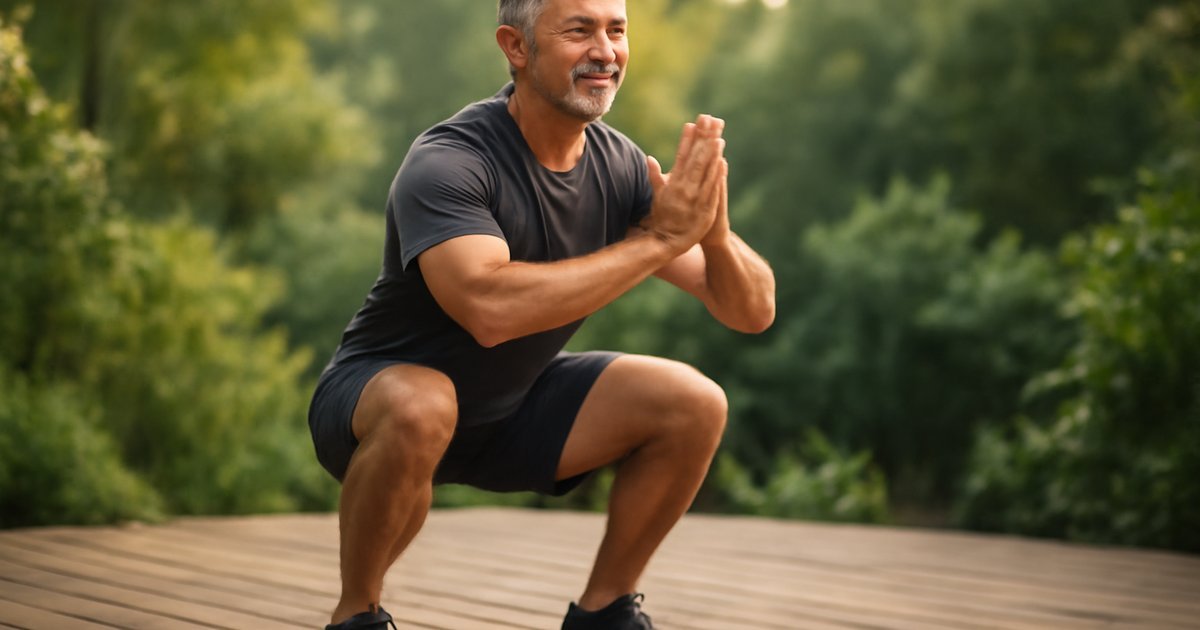
    • Prioritize gentle range-of-motion exercises: Simple daily stretches — shoulder rolls, ankle circles, knee bends — maintain joint mobility and prevent stiffness from setting in.
    • Address body weight: Each pound of excess body weight places approximately 4 pounds of additional stress on the knee joint, according to research from Johns Hopkins Medicine. Even modest weight reduction can meaningfully reduce joint load and pain.

    Intermediate Level

    • Add resistance training 2-3 times per week: Strengthening the muscles surrounding your joints — especially the quadriceps, glutes, and core — is one of the most powerful ways to protect cartilage. Strong muscles absorb shock and reduce the force transferred directly to joint surfaces. Balance training complements this approach by improving joint proprioception and reducing injury risk.
    • Incorporate water-based exercise: Pool workouts reduce joint load while allowing a full range of motion — ideal for those who find land-based exercise painful.
    • Optimize your anti-inflammatory habits: Poor sleep, chronic stress, and a diet high in ultra-processed foods all drive systemic inflammation that targets joint tissue. Addressing these areas compounds the benefits of physical activity.

    Advanced Level

    • Work with a physical therapist: Personalized joint assessments can identify movement compensations that quietly damage cartilage over time. A certified PT can correct gait abnormalities, strengthen weak stabilizers, and design a program specific to your joint history.
    • Track your inflammatory load: Ask your physician about inflammatory markers such as CRP (C-reactive protein) and ESR. Elevated levels warrant a more targeted lifestyle response and possible clinical evaluation.

    Common Mistakes That Sabotage Joint Health

    Even well-intentioned people make these mistakes — and they're easier to fix than you might expect.

    Mistake #1: Doing too much, too soon. Starting an intense exercise program after a long period of inactivity is one of the most common causes of joint injury. Cartilage and connective tissue adapt more slowly than cardiovascular fitness or muscle strength. Ramping up intensity too quickly overloads joints before supporting structures are ready. Fix it: Follow the 10% rule — increase your total weekly activity volume by no more than 10% per week.

    Mistake #2: Skipping strength training because of joint pain. Many people avoid resistance exercise when they feel joint discomfort, assuming it will make things worse. In most cases, the opposite is true. Muscle weakness is a primary driver of joint instability and pain. Fix it: Start with bodyweight exercises or resistance bands, focus on slow controlled movements, and avoid exercises that produce sharp (not dull) joint pain.

    Mistake #3: Ignoring nutrition's role. Diet directly influences systemic inflammation, collagen synthesis, and joint fluid composition. Eating a diet high in refined carbohydrates, trans fats, and added sugars — while low in antioxidants and omega-3s — creates the biochemical environment where cartilage breaks down faster. Fix it: Treat your diet as part of your joint health strategy, not a separate health conversation. Excess sugar doesn't just harm your gut — it contributes to inflammation throughout the body, including inside your joints.

    Mistake #4: Relying solely on pain medication. NSAIDs like ibuprofen can temporarily reduce joint inflammation and pain, but long-term reliance masks symptoms without addressing underlying causes — and may have gastrointestinal and cardiovascular side effects over time. Fix it: Use pain management as a short-term tool, not a long-term strategy, and pair it with lifestyle changes that address root causes.

    What to Eat (and Avoid) for Healthier Joints

    Your diet is one of the most powerful levers you have for joint health, largely because of its direct effect on systemic inflammation and collagen synthesis.

    Prioritize these foods:

    • Fatty fish (2-3 servings/week): Salmon, mackerel, and sardines are rich in EPA and DHA omega-3 fatty acids, which the NIH recognizes as having anti-inflammatory properties that may reduce joint pain and stiffness. This is consistent with USDA Dietary Guidelines recommending at least 8 oz of seafood weekly for adults.
    • Colorful vegetables and berries: Anthocyanins in blueberries, cherries, and red cabbage, as well as quercetin in onions and apples, have demonstrated anti-inflammatory activity in research published in the Journal of Nutrition. Aim for 5+ cups of vegetables and fruit daily.
    • Bone broth and collagen-rich foods: While the research on oral collagen supplementation is still evolving, a 2019 study in Nutrients found that collagen peptide supplementation was associated with reduced joint pain in active adults over 24 weeks. Bone broth provides natural collagen precursors along with glycine and proline.
    • Extra virgin olive oil: Contains oleocanthal, a compound that acts similarly to ibuprofen in blocking inflammation pathways. Use 1-2 tablespoons daily as your primary cooking fat.
    • Vitamin C-rich foods: Collagen synthesis requires vitamin C as a cofactor. Bell peppers, citrus fruits, kiwi, and strawberries are excellent sources. The Academy of Nutrition and Dietetics recommends meeting your vitamin C needs through food first.

    Reduce or avoid:

    • Ultra-processed foods high in refined sugars and trans fats
    • Excess red meat and processed meats (associated with elevated uric acid and inflammatory markers)
    • Alcohol in large quantities — it promotes systemic inflammation and interferes with nutrient absorption
    • High-sodium packaged foods, which may worsen joint fluid retention and swelling

    How Long Until You See Results — and What to Track

    Realistic expectations matter here. Joint health improvements are gradual, and results depend significantly on your starting point, age, and consistency.

    Short-term (2-6 weeks): You may notice reduced morning stiffness and improved range of motion, especially if you add daily movement and reduce inflammatory foods. Sleep quality often improves alongside joint comfort, since pain is a major disruptor of restorative sleep.

    Medium-term (3-6 months): Consistent strength training during this period often produces meaningful reductions in joint pain, particularly in the knees and hips. Research from the ACSM suggests that 12-24 weeks of targeted resistance training can reduce knee osteoarthritis pain by 30-50% in some individuals — though results vary significantly based on severity and adherence.

    Long-term (6-12+ months): The cumulative effects of anti-inflammatory nutrition, consistent movement, and body weight optimization can substantially slow cartilage loss and delay or prevent the progression of early joint degeneration.

    What to track:

    • Morning stiffness duration (note improvements week to week)
    • Range of motion in key joints (how far can you comfortably squat, rotate your shoulder, flex your ankle?)
    • Pain levels during and after activity using a simple 1-10 scale
    • Body weight trends (if applicable)
    • CRP or inflammatory markers at your next annual physical

    If you experience sharp, sudden joint pain, significant swelling, warmth around a joint, or no improvement after 8-12 weeks of consistent effort, consult your physician. These may signal conditions requiring clinical evaluation beyond lifestyle management.

    Frequently Asked Questions About Joint Health

    Can cartilage actually regenerate once it's damaged?
    Unfortunately, mature cartilage has very limited regenerative capacity due to its poor blood supply. Emerging therapies like PRP (platelet-rich plasma) and stem cell treatments are being studied, but the strongest evidence remains for prevention and slowing progression. This is why protecting cartilage before significant damage occurs is so important.

    Is glucosamine and chondroitin worth taking for joint health?
    The evidence is mixed. The large-scale GAIT trial (Glucosamine/Chondroitin Arthritis Intervention Trial), funded by the NIH, found modest benefits for a subset of patients with moderate-to-severe knee pain, but no significant benefit for mild pain overall. Some individuals report meaningful relief while others experience none. It's generally considered safe, but consult your physician before adding it to your routine.

    Does cold or damp weather really make joint pain worse?
    Many people report exactly this, and there is some scientific basis for it. Changes in barometric pressure may affect joint fluid dynamics and tissue sensitivity. However, this isn't something you can control — so the focus remains on the lifestyle factors you can influence.

    Is running bad for your knees if you're over 40?
    Not necessarily. A 2017 systematic review in the Journal of Orthopaedic & Sports Physical Therapy found that recreational runners actually had lower rates of knee osteoarthritis than sedentary individuals. The key is building gradually, maintaining proper form, wearing appropriate footwear, and cross-training with lower-impact activities. Results vary depending on your individual joint health baseline.

    What's the single most impactful thing I can do for my joints right now?
    If you had to pick one: start a consistent resistance training program targeting the muscles around your knees, hips, and shoulders. Muscle strength is the best natural shock absorber your joints have — and it's never too late to build it. Pairing that with sustainable weight management habits multiplies the benefit significantly.

    Start Today — Your Future Self Will Thank You

    Joint health isn't a destination — it's a daily practice. The encouraging truth is that many of the most effective strategies are already within your reach: moving consistently, eating an anti-inflammatory diet, building strength, managing body weight, and getting quality sleep. None of these require a perfect routine or a dramatic overhaul of your lifestyle.

    What they do require is consistency over time. Small, sustainable steps taken today compound into meaningful protection for your joints tomorrow, five years from now, and well into your 60s, 70s, and beyond.

    Pick one thing from this article and start this week. Add another next week. That's how lasting joint health gets built — not in a single sprint, but in the quiet accumulation of good daily choices.


    This article is for informational and educational purposes only. The content is not intended to replace professional medical, nutritional, or fitness advice. Always consult a qualified healthcare provider, registered dietitian, or certified fitness professional before starting a new health program or making significant changes to your lifestyle.

    Content reviewed by our wellness editorial team, with references to peer-reviewed research and guidelines from leading health organizations.
  • Balance Training After 40: Your Guide to Fall Prevention

    Balance Training After 40: Your Guide to Fall Prevention

    Balance Training After 40: Your Complete Guide to Fall Prevention

    Falls are the leading cause of injury in adults over 45 — and the habits you build now can change everything.

    Picture this: You step off a curb slightly wrong, or you reach for something on a high shelf and feel that split-second wobble that sends your heart racing. Maybe it was nothing this time. But for millions of Americans over 40, that moment of instability is a warning sign that their body is quietly losing one of its most essential physical skills — balance.

    Here’s the thing most people don’t realize: balance isn’t a fixed trait you either have or you don’t. It’s a trainable physical system — one that starts declining as early as your mid-30s but can be significantly strengthened at any age. According to the Centers for Disease Control and Prevention (CDC), falls are the leading cause of injury-related death among adults 65 and older in the United States. But the window to prevent that outcome starts decades earlier.

    This guide will show you exactly why balance training matters for healthy aging, how your body’s stability system works, and what you can start doing today — no gym membership required — to protect yourself and move confidently for years to come.


    Why Balance Matters More Than You Think After 40

    Most people focus on cardio and strength when they think about fitness for healthy aging. Balance training rarely makes the list — until something goes wrong. That’s a costly oversight.

    The National Institute on Aging (NIH) reports that approximately one in four Americans over 65 falls each year, and those falls result in more than 3 million emergency room visits annually. But what’s less talked about is the fear that follows. Adults who experience a fall — or even a close call — often begin limiting their physical activity out of anxiety. That inactivity leads to muscle weakness, which ironically increases fall risk further. It’s a cycle that’s hard to break once it starts.

    The good news? Research published in the British Journal of Sports Medicine found that balance and coordination training can reduce fall risk by up to 37% in older adults. That’s not a small number. That’s the difference between aging independently and facing serious injury.

    Beyond fall prevention, strong balance supports better posture, reduced lower back pain, improved athletic performance, and greater confidence in everyday movement — carrying groceries, hiking, playing with grandchildren, or simply navigating an icy sidewalk. It’s foundational to everything your body does.


    The Science Behind How Your Balance System Works

    Your body’s ability to stay upright isn’t controlled by one single system — it’s the result of three sensory systems working together in real time: your vestibular system (inner ear), your visual system (eyes), and your somatosensory system (proprioception — the feedback from your muscles, joints, and skin about where your body is in space).

    When all three are working well and communicating effectively, you feel steady and coordinated. As you age, each of these systems gradually becomes less efficient. Muscle fibers responsible for quick stabilizing contractions decrease in number. Nerve conduction slows. Vision changes. Inner ear function becomes less acute.

    A common myth is that balance decline is simply an inevitable part of getting older — something you can’t do anything about. That’s not what the science shows. Research from the Journal of Aging and Physical Activity demonstrated that targeted balance training improves proprioception, postural control, and reaction time even in adults in their 70s and 80s. The nervous system retains a remarkable capacity for adaptation — what researchers call neuromuscular plasticity — throughout life.

    Another key factor is the role of lower body strength, particularly in the ankle, knee, and hip stabilizer muscles. When these muscles are weak or poorly coordinated, the body can’t make fast enough micro-corrections to prevent a stumble from becoming a fall. This is why balance training and strength training are deeply complementary — not separate pursuits.


    How to Get Started with Balance Training

    The barrier to entry for balance training is refreshingly low. You don’t need equipment, a gym, or a lot of time. You just need consistency and progressive challenge.

    Beginner Level — Build the Foundation

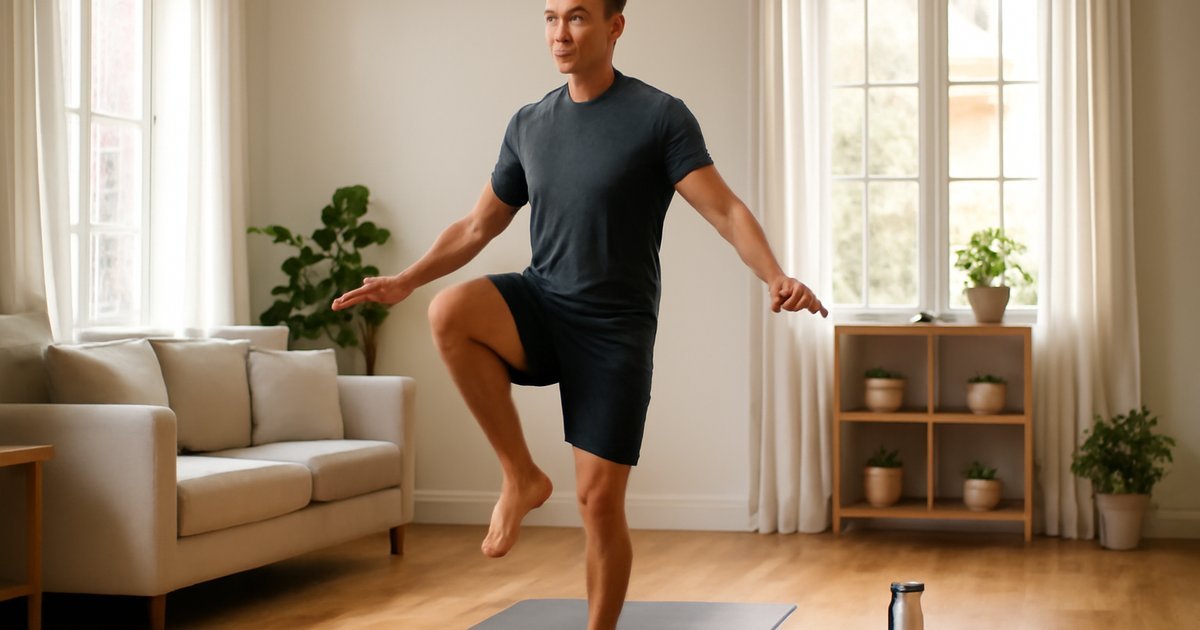
    • Single-leg stand: Stand near a wall or sturdy chair for safety. Lift one foot a few inches off the ground and hold for 10–30 seconds. Switch sides. Do 3 sets per leg, daily. This single exercise is one of the most researched balance interventions in clinical settings.
    • Heel-to-toe walking (tandem walk): Walk in a straight line placing one foot directly in front of the other, heel touching toe. Aim for 20 steps. This challenges your vestibular system and proprioception simultaneously.
    • Sit-to-stand without using hands: Practice rising from a chair without pushing off with your hands. This builds hip and quad strength — critical stabilizers — while training functional balance.

    Intermediate Level — Add Challenge

    • Single-leg stand on an unstable surface: Use a folded towel, a yoga mat, or a balance pad. The unstable surface forces deeper stabilizer muscles to engage.
    • Lateral band walks: With a resistance band around your ankles, step side to side in a slight squat position. This targets the glute medius — often weak in people with poor lateral stability.
    • Tai chi or yoga: Both have strong evidence behind them. The American College of Sports Medicine (ACSM) recognizes tai chi as one of the most effective multimodal interventions for fall prevention. Even two sessions per week show measurable improvement within 8 weeks.

    Advanced Level — Dynamic Stability

    • Single-leg deadlifts: Hinge at the hip on one leg while the other extends behind you. This integrates strength, hip stability, and proprioception in one movement.
    • Agility ladder drills: Footwork patterns that train reactive balance and coordination — the kind you need when the ground isn’t perfectly flat.
    • Perturbation training: Have a partner gently push or pull you while you stand or move, forcing your body to practice real-time stabilization responses.

    Aim for 15–20 minutes of dedicated balance work, 3–4 times per week. You can also embed micro-practices into your day — standing on one foot while brushing your teeth, doing heel raises while waiting for coffee to brew.


    Common Mistakes That Sabotage Your Balance Progress

    Balance training seems simple, but there are a few patterns that consistently stall results — and they’re easy to fall into (pun intended).

    1. Always training in shoes — especially supportive ones.
    Thick-soled or heavily cushioned shoes reduce proprioceptive feedback from the ground. Training barefoot or in minimalist footwear occasionally forces your feet and ankles to engage more fully. Many physical therapists recommend barefoot balance work on safe surfaces to accelerate proprioceptive development.

    2. Neglecting single-leg strength.
    Bilateral exercises like squats and leg presses are valuable, but they don’t replicate the mechanics of walking, climbing stairs, or catching yourself mid-stumble — all of which happen on one leg at a time. If your single-leg stability is weak, your two-legged training isn’t transferring to real-world movement.

    3. Only training in comfortable conditions.
    Practicing balance only in a well-lit room with a solid floor means your nervous system never learns to adapt to variability. Occasionally closing your eyes during a single-leg stand, practicing on slightly uneven surfaces, or training when slightly fatigued all challenge the system in more realistic ways. This is called variable practice, and research supports its superiority over constant practice for skill retention.

    4. Skipping the lower body strength component.
    Balance training without strength training is like building a house on sand. Without adequate strength in the glutes, quads, hamstrings, and calves, your body simply doesn’t have the raw force needed to execute a rapid stabilizing correction. According to the ACSM, a combined program of resistance training and balance work is significantly more effective than either alone.

    5. Progressing too fast — or not progressing at all.
    Staying at the beginner level indefinitely leads to stagnation. But jumping to advanced moves before mastering the basics increases injury risk. The sweet spot is progressing when an exercise feels comfortable and controlled — not easy, but controlled.


    What to Eat to Support Balance and Muscle Health

    Nutrition plays a direct supporting role in balance — not through some vague mechanism, but through specific, well-researched pathways.

    Protein for muscle preservation: After 40, sarcopenia (age-related muscle loss) accelerates. The Academy of Nutrition and Dietetics recommends adults over 50 consume 1.0–1.2 grams of protein per kilogram of body weight daily — higher than the standard RDA — to preserve muscle mass. Prioritize high-quality sources: lean meats, eggs, legumes, Greek yogurt, and fish. For a 150-lb adult, that’s roughly 68–82 grams of protein per day minimum.

    Vitamin D and calcium for neuromuscular function: Most people know vitamin D supports bone health, but it also plays a direct role in muscle function and neuromuscular coordination. Research published in the Journal of Clinical Endocrinology and Metabolism found that vitamin D deficiency is independently associated with increased fall risk. The NIH recommends 600–800 IU daily for adults, with many physicians recommending higher amounts for deficient individuals — always based on blood testing.

    Magnesium for nerve and muscle signaling: This underappreciated mineral is involved in over 300 enzymatic reactions, including those governing muscle contraction and nerve transmission. Many American adults fall short of the recommended 310–420 mg daily. Good sources include dark leafy greens, pumpkin seeds, almonds, and black beans.

    Omega-3 fatty acids for reducing inflammation: Chronic low-grade inflammation accelerates the degradation of muscle tissue and joint function. According to Harvard Health Publishing, omega-3s — found in fatty fish like salmon, as well as walnuts and flaxseed — help modulate this inflammatory process and support muscle protein synthesis.

    Avoid excessive alcohol. Even moderate chronic alcohol use impairs vestibular function and delays neuromuscular reaction time — both critical components of balance. The Dietary Guidelines for Americans recommend no more than one drink per day for women and two for men, and less is consistently associated with better aging outcomes.


    How Long Until You See Results — and What to Track

    One of the most encouraging aspects of balance training is how quickly the nervous system responds. Unlike muscle building — which takes weeks to become visible — neuromuscular improvements often begin showing up within 2 to 4 weeks of consistent practice.

    Research published in Age and Ageing found measurable improvements in postural stability in adults who completed just 6 weeks of progressive balance training, three times per week. That’s a relatively short investment for a meaningful return.

    What to track:

    • Single-leg stand time: How long can you hold each side? Track this weekly. Most healthy adults under 60 should be able to hold 20–30+ seconds with eyes open. Eyes closed is a harder standard — even 10 seconds represents good proprioceptive function.
    • Timed Up and Go (TUG) test: Stand from a chair, walk 10 feet, turn, and return to seated. Completing this in under 12 seconds indicates low fall risk. This is a clinically validated screening tool used by physical therapists and geriatricians.
    • Subjective confidence: Are you feeling steadier on stairs? More comfortable on uneven terrain? Less hesitant when navigating a crowded space? These real-world signals matter as much as measurable metrics.

    If you’re over 60, have a history of falls, or have a condition affecting your nervous system or joints, it’s worth scheduling a formal balance assessment with a physical therapist. They can identify specific deficits and build a program tailored to your baseline — this is not one-size-fits-all.

    For broader context on sleep and energy management — both of which significantly affect neuromuscular performance — check out our guide on Sleep and Energy: The Healthy Living Guide You Need. And if you’re also focused on bone density as part of your healthy aging strategy, our article on Men’s Bone Health: How to Prevent Osteoporosis Naturally covers complementary ground.


    Frequently Asked Questions

    Q: At what age should I start balance training?
    A: Honestly, the earlier the better — but it’s never too late to start. Balance begins declining subtly in the mid-30s, so beginning in your 40s is ideal for building a strong foundation. That said, clinical research confirms significant improvements even in adults in their 70s and 80s. There is no age at which balance training stops being effective.

    Q: Can I do balance training if I already have knee or hip pain?
    A: Yes, but with modifications. Many balance exercises are low-impact and place minimal stress on joints. Starting from a seated position, using a sturdy chair for support, or working in water can all reduce joint load while still training the neuromuscular system. It’s strongly recommended to consult a physical therapist who can assess your specific limitations before starting.

    Q: How is balance training different from yoga or tai chi?
    A: Yoga and tai chi both incorporate balance elements and have excellent research supporting their effectiveness for fall prevention. However, dedicated balance training tends to be more targeted and progressive — systematically increasing difficulty over time. Ideally, you’d combine elements of all three: structured balance drills, tai chi or yoga for mind-body integration, and strength training for the muscular foundation.

    Q: Does balance training help with lower back pain?
    A: There’s a meaningful connection. Weak core and hip stabilizers — the same muscles trained in balance work — are frequently implicated in chronic lower back pain. Research published in the Journal of Physical Therapy Science found that balance training programs improved core stability and reduced back pain in adults with chronic lumbar issues. Results vary based on the underlying cause of the pain.

    Q: How do I know if my balance is poor enough to be a concern?
    A: A simple self-test: stand on one foot with eyes open. If you can’t hold for at least 10 seconds without grabbing support, your balance warrants attention. If you’ve had a recent fall or near-fall, feel unsteady on stairs, or experience frequent dizziness, consult your physician or a physical therapist for a formal evaluation.


    Start Standing Stronger — One Day at a Time

    Balance training isn’t glamorous. It won’t go viral on social media, and the gains aren’t always visible in the mirror. But few habits you build in your 40s and 50s will pay dividends as consistently — or as meaningfully — as this one.

    Every moment you invest in your stability today is a deposit into your future independence. The goal isn’t to be fearless — it’s to be capable, confident, and resilient as life keeps moving forward.

    Start with just one exercise this week. A 30-second single-leg stand. A heel-to-toe walk down the hallway. That’s enough to begin. Small, consistent steps build the systems that last a lifetime.

    For more on how movement and recovery work together to support healthy aging, explore our article on Men’s Mental Health: Practical Steps to Feel Better — because aging well is always a whole-body endeavor.


    Wellness Disclaimer: This article is for informational and educational purposes only. The content is not intended to replace professional medical, nutritional, or fitness advice. Always consult a qualified healthcare provider, registered dietitian, or certified fitness professional before starting a new health program or making significant changes to your lifestyle.

    Content reviewed by our wellness editorial team, with references to peer-reviewed research and guidelines from leading health organizations.