
Tag: healthy eating

  • Intermittent Fasting: A Beginner’s Complete Guide

    Intermittent Fasting: A Beginner’s Complete Guide

    You’ve probably heard someone at work mention they “don’t eat until noon” — and wondered if that’s actually healthy or just another trend dressed up in science.

    If you’ve ever felt stuck in a cycle of snacking, low energy, and frustrating weight plateaus, you’re not alone. Millions of American adults are searching for a sustainable way to eat — not another crash diet, not a 30-day elimination program, and definitely not a meal plan that requires cooking five different things on Sunday night.

    Intermittent fasting (IF) has moved well beyond its trendy phase. Today, it’s backed by a growing body of research on metabolic health, inflammation, and even brain function. But it’s also surrounded by myths, confusion, and — let’s be honest — a fair amount of hype.

    In this guide, you’ll learn exactly how intermittent fasting works, what the science actually says, how to start safely, and what to realistically expect. Whether you’re completely new to IF or you’ve tried it before and gave up, this article gives you the practical framework to do it right — without obsessing over every hour on the clock.

    Why Intermittent Fasting Matters More Than You Think

    Most approaches to healthy eating focus entirely on what you eat. Intermittent fasting shifts the conversation to when you eat — and that distinction turns out to matter quite a bit for your biology.

    Here’s a striking stat: according to a study published in the New England Journal of Medicine, intermittent fasting triggers several metabolic shifts that don’t occur during typical caloric restriction alone. These include changes in insulin sensitivity, cellular repair processes (called autophagy), and inflammatory markers.

    For most American adults, the average eating window spans 14 to 16 hours per day — meaning the body rarely gets an extended rest from digestion and insulin release. This chronic feeding pattern has been linked to increased insulin resistance, energy crashes, and difficulty managing body composition over time.

    Intermittent fasting works against that baseline by compressing your eating into a defined window. This gives your body more time in a fasted state, where it shifts fuel sources, repairs cellular damage, and regulates key hormones more effectively.

    The good news? You don’t need to fast for 24 hours to benefit. Even a modest extension of your overnight fast can begin to make a measurable difference in how you feel day to day.

    How Intermittent Fasting Actually Works

    Let’s bust the biggest myth first: intermittent fasting is not about starving yourself. It’s about strategically timing your eating to align with your body’s natural metabolic rhythms.

    When you eat, your blood sugar rises and your pancreas releases insulin to help move glucose into your cells. After a meal, insulin levels remain elevated for several hours. During this window, your body prioritizes burning glucose for fuel — and fat-burning takes a back seat.

    Once you’ve gone roughly 10 to 12 hours without eating, insulin levels drop significantly. Your body begins to shift toward using stored fat for energy. After about 16 to 18 hours, autophagy — the process by which cells clear out damaged proteins and components — becomes more active. Research from Harvard Health Publishing confirms that this cellular “housekeeping” process is associated with reduced inflammation and may play a role in long-term disease prevention.

    A common misconception is that skipping breakfast automatically slows your metabolism. A review published in Obesity Reviews found no consistent evidence that meal frequency alone significantly affects resting metabolic rate in healthy adults. What matters more is total caloric intake and food quality — not whether you eat at 7 a.m. or noon.

    It’s also worth noting that results vary significantly depending on your starting point, stress levels, sleep quality, and overall diet. Intermittent fasting is a tool — not a universal fix.

    How to Get Started: Practical Steps by Level

    The most common reason people fail with intermittent fasting is jumping in too aggressively. Starting with a 24-hour fast when your body is used to eating every 3 hours is a recipe for headaches, irritability, and giving up by day two.

    Here’s a level-based approach that actually works:

    Beginner — The 12:12 Method

    • Fast for 12 hours, eat within a 12-hour window (e.g., 7 a.m. to 7 p.m.)
    • This is the entry point — most people already do this without realizing it
    • Focus on consistency over perfection for the first two weeks
    • Drink water, black coffee, or plain herbal tea during the fasting window

    Intermediate — The 16:8 Method

    • Fast for 16 hours, eat within an 8-hour window (e.g., 11 a.m. to 7 p.m.)
    • This is the most researched and widely practiced IF protocol
    • Gradually shift your eating window by 30 minutes every 3-4 days
    • Pair with nutrient-dense meals — IF doesn’t cancel out poor food choices

    Advanced — The 18:6 or 5:2 Method

    • 18:6 compresses eating to 6 hours, increasing fasted time and metabolic benefits
    • 5:2 involves eating normally 5 days per week and limiting intake to 500-600 calories on 2 non-consecutive days
    • Best for those with several months of IF experience and stable energy levels
    • Always assess how your body responds — this level isn’t appropriate for everyone

    Regardless of method, prioritize whole foods during your eating window: lean proteins, healthy fats, vegetables, and complex carbohydrates. IF doesn’t work as well when your eating window is filled with ultra-processed foods.

    Common Mistakes That Sabotage Your Results

    Even motivated people make these errors — and they’re easy to fall into, especially in the first few weeks.

    Mistake 1: Breaking your fast with the wrong foods
    After 16 hours of fasting, it’s tempting to dive into a large meal. But breaking your fast with high-sugar foods or refined carbohydrates causes a sharp insulin spike that can trigger energy crashes, cravings, and undoes some of the metabolic benefits. Instead, break your fast with protein and healthy fat first — eggs, avocado, Greek yogurt, or a small handful of nuts — then introduce complex carbs.

    Mistake 2: Not drinking enough water during the fast
    Dehydration is one of the most underrated saboteurs of IF. Many people mistake thirst for hunger during the fasting window, which leads to breaking the fast unnecessarily. Aim for at least 64 ounces of water throughout the day, starting as soon as you wake up. Black coffee and unsweetened herbal tea are allowed and may help with appetite management.

    Mistake 3: Overcompensating with calories during the eating window
    IF is not a license to eat unlimited food. Some people unconsciously eat significantly more during their shorter window, negating any caloric adjustment. You don’t need to obsessively count every calorie, but being mindful of portion sizes and food quality during your eating window is essential for meaningful results.

    Mistake 4: Ignoring sleep as part of the fast
    Sleep counts as fasting time — this is one of the most efficient ways to extend your fasted window without effort. If you stop eating at 7 p.m. and wake up at 7 a.m., you’ve already completed a 12-hour fast before your morning coffee. Build your schedule around this built-in advantage rather than fighting it. For more on optimizing your sleep patterns, Mastering Breathwork: Your Guide to Calming Stress offers complementary strategies for winding down effectively at night.

    What to Eat (and What to Limit) During Your Eating Window

    The quality of your meals matters enormously when you’re working with a compressed eating window. You have fewer meals to pack in your nutrients — so each one needs to count.

    Prioritize these during your eating window:

    • Protein: Aim for 25-40 grams per meal — eggs, chicken, salmon, legumes, Greek yogurt. The Academy of Nutrition and Dietetics recommends 0.8 to 1.2 grams of protein per kilogram of body weight for active adults, and this target becomes especially important during IF.
    • Fiber-rich vegetables: Leafy greens, broccoli, peppers, and cauliflower support gut health and help you feel satisfied — critical when you’re eating fewer meals. For additional insight on gut-supportive foods, check out The Gut-Brain Connection: Fueling Your Mood and Mind.
    • Healthy fats: Avocado, olive oil, nuts, and fatty fish help sustain energy and reduce hunger between meals.
    • Complex carbohydrates: Oats, sweet potatoes, quinoa, and brown rice — timed around physical activity for best results.

    Limit these during your eating window:

    • Ultra-processed snack foods and added sugars — they spike insulin rapidly and shorten satiety
    • Alcohol — it disrupts sleep quality, increases cortisol, and weakens the fasted state benefits
    • Liquid calories during the fast (juice, soda, lattes) — these break your fast and trigger insulin release

    The USDA Dietary Guidelines for Americans emphasize a pattern of eating rich in whole foods, lean protein, and minimally processed ingredients — a principle that aligns well with the IF framework.

    How Long Until You See Results — and What to Track

    Here’s the honest answer: it depends. And anyone who tells you otherwise is oversimplifying your biology.

    That said, here’s a realistic evidence-based timeline:

    • Days 1-5: Adjustment phase. You may feel hungrier than usual, slightly irritable, or experience mild headaches. This is normal as your body adapts to longer gaps between meals. Stay hydrated and don’t quit during this window.
    • Weeks 2-3: Most people report stabilizing hunger levels, improved morning energy, and reduced afternoon energy crashes. These are early signs your metabolic adaptation is working.
    • Weeks 4-8: If paired with consistent food quality and moderate physical activity, measurable changes in body composition, fasting blood sugar, and inflammation markers may begin to appear. A 2020 study published in Cell Metabolism found that time-restricted eating improved cardiometabolic health markers in overweight adults within 12 weeks.
    • 3+ months: Long-term practitioners often report sustained energy improvements, better relationship with hunger cues, and easier weight management without strict calorie counting.

    What to track:

    • Energy levels throughout the day (morning vs. afternoon)
    • Hunger patterns — are they becoming more predictable?
    • Sleep quality and mood
    • Waist circumference (more reflective of metabolic change than scale weight alone)
    • If applicable: fasting blood glucose (useful for those with insulin resistance concerns)

    If after 8-10 weeks you’re still experiencing significant fatigue, mood disruptions, or worsening sleep, reassess your approach with a registered dietitian or your primary care provider. IF isn’t for everyone — including those who are pregnant, managing eating disorder history, or on certain medications.

    Frequently Asked Questions

    Can I drink coffee during the fasting window?
    Yes — plain black coffee is generally considered compatible with intermittent fasting. It contains negligible calories and does not meaningfully spike insulin. However, adding cream, sugar, or flavored syrups breaks your fast. If you need milk, keep it to a very small splash and understand it may slightly reduce fasting benefits.

    Will intermittent fasting cause muscle loss?
    This is a valid concern, especially for active adults. Research suggests that IF does not cause greater muscle loss than continuous caloric restriction when protein intake is adequate. The key is consuming sufficient protein during your eating window (0.8-1.2g per kg of body weight) and maintaining resistance training. According to the American College of Sports Medicine, combining strength training with IF helps preserve lean mass effectively.

    Is intermittent fasting safe for women?
    This is nuanced. Some research suggests women may be more sensitive to caloric restriction signals, with potential effects on hormonal cycles in cases of very aggressive fasting. Most experts recommend that women start with the more moderate 12:12 or 14:10 approach and monitor their menstrual cycle, energy, and mood closely. If irregularities occur, scaling back is advised. Always consult with a healthcare provider if you have hormonal health concerns — resources like Building Strong Bones: A Woman’s Guide to Lifelong Bone Health can also provide context for nutrition priorities specific to women.

    Do I need to exercise while fasting?
    Exercise is not required for IF to work, but it enhances results significantly. Low-to-moderate intensity exercise (walking, yoga, light strength training) is well-tolerated in a fasted state by most people. High-intensity training may be better timed closer to or within your eating window to support recovery and performance.

    What if I get really hungry during the fasting window?
    Hunger during the fast is normal in the first 1-2 weeks. Drinking water, black coffee, or herbal tea often reduces perceived hunger significantly. Hunger also tends to come in waves — if you wait 15-20 minutes, the sensation often passes. If hunger is severe and persistent after two weeks, it may indicate your eating window is too short or your meals aren’t nutritionally complete enough.

    Start Small, Stay Consistent, and Let the Science Work

    Intermittent fasting isn’t a miracle — but it is a genuinely useful framework for the right person, done the right way. The research is real, the benefits are meaningful, and the approach is far more flexible than most people realize.

    You don’t need to jump straight into 18-hour fasts or overhaul your entire schedule. Start with a 12-hour window tonight — finish dinner by 7 p.m. and don’t eat again until 7 a.m. That’s it. That’s your Day 1.

    Small steps done consistently outperform aggressive starts every single time. Give yourself a realistic 4-week trial, track how you feel, and adjust from there. Your body is more capable of adapting than you might think — it just needs the right conditions and a little time.

    This article is for informational and educational purposes only. The content is not intended to replace professional medical, nutritional, or fitness advice. Always consult a qualified healthcare provider, registered dietitian, or certified fitness professional before starting a new health program or making significant changes to your lifestyle.

    Content reviewed by our wellness editorial team, with references to peer-reviewed research and guidelines from leading health organizations.
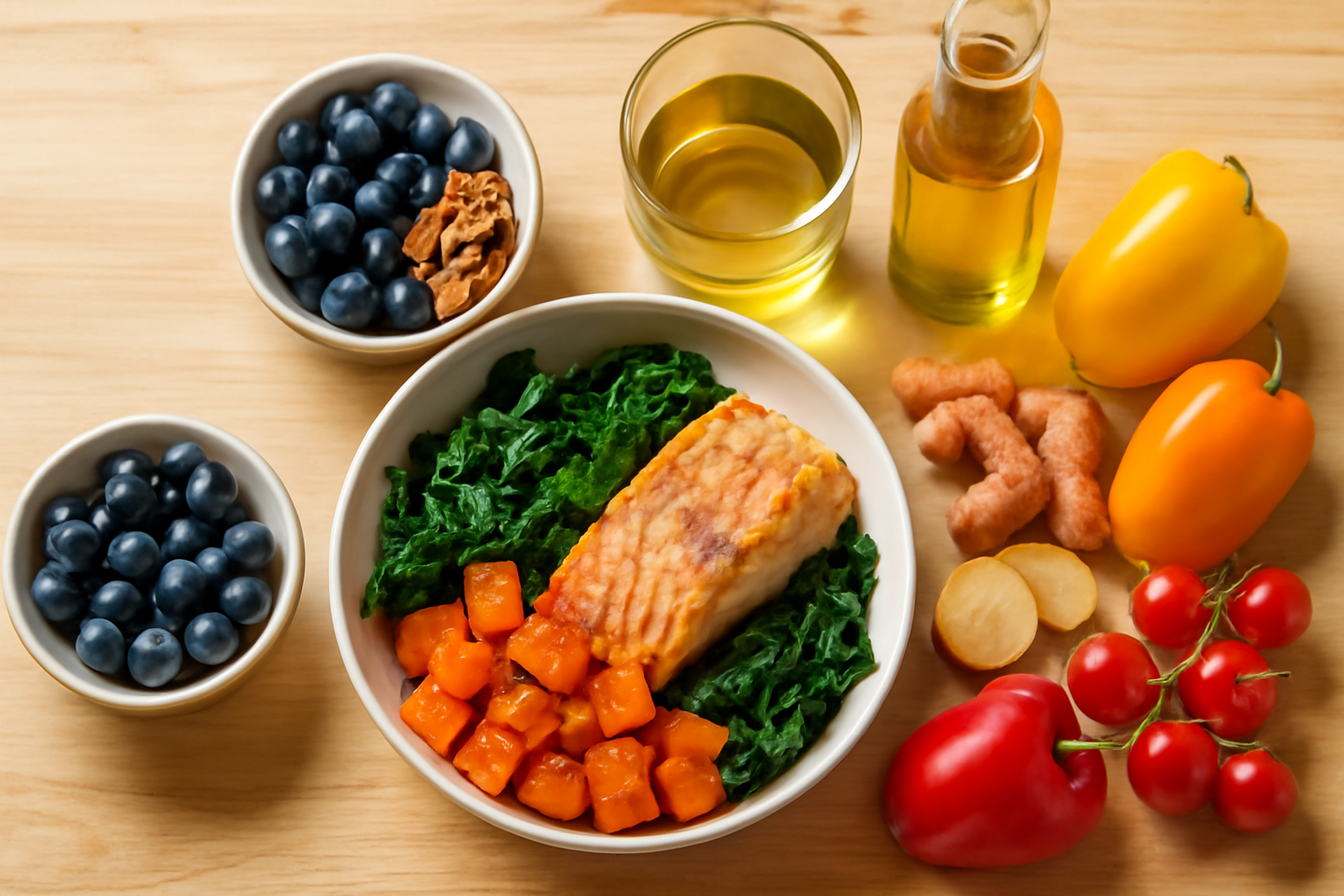
  • Anti-Inflammatory Diet: Your Practical Guide to Eating for Wellness

    Anti-Inflammatory Diet: Your Practical Guide to Eating for Wellness

    You don’t have to be sick to feel the drag of chronic inflammation — millions of Americans feel it every day as fatigue, joint stiffness, brain fog, and stubborn weight they can’t seem to shake.

    If you’ve ever woken up feeling puffy, achey, and mentally sluggish despite getting enough sleep, there’s a good chance your diet is quietly working against you. The foods you eat every single day have a direct line of communication with your immune system — and when that line gets noisy, your body pays the price.

    The anti-inflammatory diet isn’t a 30-day challenge or a trendy elimination protocol. It’s a sustainable, evidence-backed eating pattern that helps calm your body’s internal fire — not by cutting out entire food groups, but by shifting the balance toward whole, nutrient-dense foods your biology actually recognizes.

    In this guide, you’ll learn exactly what chronic inflammation is, which foods fan the flames and which ones help cool them down, how to build a realistic anti-inflammatory plate, and what timeline to realistically expect. No gimmicks. No restriction spirals. Just practical, doable steps rooted in real science.

    Why Inflammation Matters More Than You Think

    Inflammation gets a bad reputation — but it’s not inherently the enemy. Acute inflammation is your immune system doing its job: when you cut your finger or fight off a cold, inflammation rushes blood and immune cells to the scene to handle the threat. That’s normal and necessary.

    The problem is chronic, low-grade inflammation — the kind that smolders silently for months or years without an obvious trigger. This is where the damage accumulates.

    According to the National Institutes of Health (NIH), chronic inflammation is now recognized as a contributing factor in many of the most common health conditions affecting American adults, including cardiovascular disease, type 2 diabetes, obesity, depression, and certain cancers. Research published in Nature Medicine described chronic inflammation as "the most significant cause of death in the world," linked to more than 50% of all deaths globally.

    In your daily life, chronic inflammation shows up as:

    • Persistent fatigue that doesn’t resolve with rest
    • Joint stiffness or unexplained aches
    • Skin issues like acne, eczema, or redness
    • Digestive discomfort, bloating, or irregularity
    • Brain fog, poor concentration, or mood swings

    The encouraging news? Diet is one of the most modifiable factors influencing your inflammatory status — and you can start making meaningful shifts today.

    The Science Behind How Food Affects Inflammation

    Your gut is home to trillions of microbes that directly regulate immune function. When you eat ultra-processed foods high in refined sugar, trans fats, and artificial additives, you disrupt the gut microbiome — and a disrupted microbiome produces pro-inflammatory compounds that enter the bloodstream and activate immune responses throughout the body.

    On the flip side, whole foods rich in fiber, antioxidants, and omega-3 fatty acids provide raw materials for anti-inflammatory pathways. Polyphenols found in berries and dark leafy greens, for example, inhibit the activity of NF-κB — a molecular switch that controls the production of inflammatory cytokines.

    One key myth to bust here: Many people think that eating healthy means going low-fat. But research tells a more nuanced story. A landmark study published in The New England Journal of Medicine on the PREDIMED trial — involving over 7,400 participants — found that a Mediterranean-style diet rich in healthy fats (extra-virgin olive oil, nuts, fatty fish) significantly reduced cardiovascular events compared to a low-fat diet. The fats themselves weren’t inflammatory — the types of fats made all the difference.

    Harvard Health Publishing also notes that the glycemic index of your meals matters significantly: high-glycemic foods spike blood sugar rapidly, triggering an insulin response that promotes inflammatory signaling. Low-glycemic foods — legumes, non-starchy vegetables, whole grains — keep blood sugar stable and inflammation lower.

    How to Build an Anti-Inflammatory Plate: Practical Steps

    You don’t need to overhaul your entire kitchen overnight. Start by shifting the ratio of what’s already on your plate.

    Beginner Level — The 80/20 Shift:

    1. Fill half your plate with vegetables. Aim for color variety — dark leafy greens (spinach, kale), red bell peppers, purple cabbage, orange sweet potatoes. Each color signals different phytonutrients with distinct anti-inflammatory actions.
    2. Add a palm-sized portion of quality protein. Wild-caught salmon, sardines, chicken thighs, eggs, or legumes like lentils and chickpeas. Protein supports tissue repair and keeps blood sugar stable.
    3. Include a healthy fat source. A drizzle of extra-virgin olive oil, a quarter of an avocado, or a small handful of walnuts or almonds. These fats help you absorb fat-soluble antioxidants from your vegetables.
    4. Choose whole grains over refined ones. Swap white rice for quinoa or farro, white bread for 100% whole grain. The fiber feeds beneficial gut bacteria and blunts blood sugar spikes.

    Intermediate Level — Targeted Anti-Inflammatory Upgrades:

    • Add turmeric and black pepper to soups, scrambled eggs, or roasted vegetables. Curcumin (turmeric’s active compound) has documented anti-inflammatory properties, and piperine from black pepper increases its absorption by up to 2,000%, according to research published in Planta Medica.
    • Incorporate fermented foods — plain Greek yogurt, kefir, kimchi, or sauerkraut — 3-5 times per week to support gut microbiome diversity.
    • Drink green tea instead of a second cup of coffee. Green tea contains EGCG (epigallocatechin gallate), a potent antioxidant with significant anti-inflammatory properties documented by the Academy of Nutrition and Dietetics.

    Advanced Level — Tracking Inflammatory Load:

    • Use the Dietary Inflammatory Index (DII) as a framework — it scores foods based on their documented pro- or anti-inflammatory effects in clinical research. Focus on consistently increasing anti-inflammatory scores over weeks, not perfecting every meal.
    • Track omega-6 to omega-3 ratio. The ideal ratio is closer to 4:1; the typical American diet runs closer to 20:1. Reduce processed seed oils (soybean, corn, sunflower) and increase fatty fish, flaxseed, and walnuts.

    Common Mistakes That Sabotage Anti-Inflammatory Eating

    Most people who try an anti-inflammatory approach don’t fail because of willpower — they fail because of a few very common, very fixable errors.

    Mistake 1: Focusing only on what to cut out.
    The most effective anti-inflammatory diets are defined by what you add, not just what you remove. When people hyper-focus on elimination, they often feel deprived and eventually overcorrect. Instead, crowd out inflammatory foods by first adding more vegetables, quality proteins, and healthy fats. The processed foods naturally take up less space.

    Mistake 2: Consuming "healthy" foods that are still highly processed.
    Plant-based cookies, protein bars with 20+ ingredients, fruit juices, and flavored yogurts with added sugar can all undermine your anti-inflammatory efforts. The Academy of Nutrition and Dietetics emphasizes reading ingredient lists — if sugar, refined flour, or seed oils appear in the first three ingredients, reconsider the portion or frequency.

    Mistake 3: Ignoring liquid calories and inflammatory beverages.
    Sugary sodas, sweetened coffee drinks, alcohol (especially in excess), and even some "healthy" sports drinks deliver significant inflammatory sugar loads without the compensating fiber or nutrients. Swap toward water, herbal teas, or sparkling water with a squeeze of citrus.

    Mistake 4: All-or-nothing thinking.
    One pizza night doesn’t undo weeks of consistent anti-inflammatory eating. Chronic inflammation is driven by patterns, not individual meals. The Mayo Clinic consistently notes that sustainable dietary change is built on flexibility, not perfection. Give yourself room to enjoy food socially — just anchor your everyday habits to the anti-inflammatory framework.

    What to Eat and What to Limit

    Prioritize these anti-inflammatory foods:

    • Fatty fish: Salmon, mackerel, sardines, anchovies — aim for 2-3 servings per week (3-4 oz per serving). Rich in EPA and DHA omega-3 fatty acids, the most potent anti-inflammatory fats in the human diet.
    • Berries: Blueberries, strawberries, blackberries — ½ cup daily. Packed with anthocyanins that suppress inflammatory markers including CRP (C-reactive protein).
    • Leafy greens: Spinach, arugula, Swiss chard, kale — 2+ cups per day. High in vitamin K, which modulates inflammatory pathways.
    • Extra-virgin olive oil: 1-2 tablespoons daily. Contains oleocanthal, a compound with ibuprofen-like anti-inflammatory effects, according to research from the NIH.
    • Legumes: Lentils, chickpeas, black beans — ½ cup cooked, 4-5 times per week. High-fiber, low-glycemic, and rich in plant-based polyphenols.
    • Nuts and seeds: Walnuts, almonds, flaxseed, chia seeds — 1 oz daily. Provide alpha-linolenic acid (ALA), a plant-based omega-3.
    • Whole spices: Turmeric, ginger, cinnamon, garlic — use liberally in cooking. Each has documented anti-inflammatory compounds at typical culinary doses.

    Limit or reduce these pro-inflammatory foods:

    • Ultra-processed snack foods: Chips, crackers, packaged pastries — high in refined carbohydrates and seed oils that drive oxidative stress.
    • Sugary beverages: Regular soda, sweetened juices, energy drinks — promote blood sugar spikes and increase circulating inflammatory markers.
    • Refined carbohydrates: White bread, white pasta, instant rice — these digest rapidly, spiking blood glucose and triggering inflammatory responses. The USDA Dietary Guidelines recommend making at least half your grains whole grains.
    • Processed meats: Hot dogs, deli meats, sausage with preservatives — linked to elevated inflammatory markers in multiple population studies. Limit to occasional rather than daily consumption.
    • Excess alcohol: More than 1 drink/day for women or 2/day for men promotes gut permeability and systemic inflammation, per the American Heart Association.

    For those following this as part of a broader wellness strategy, pairing an anti-inflammatory diet with consistent movement can further amplify results. You can explore how strength training for healthy aging works alongside dietary habits, or learn more about how gut health foods complement this approach daily.

    How Long Until You See Results — and What to Track

    Results vary significantly based on your baseline inflammatory load, gut health, stress levels, and sleep quality. This is important to acknowledge: diet is one powerful lever, but it’s not the only one.

    Typical timelines based on available research:

    • 1-2 weeks: Many people report improved digestion, reduced bloating, and slightly more stable energy levels once inflammatory foods are reduced and fiber intake increases.
    • 4-6 weeks: Measurable changes in inflammatory markers like CRP and IL-6 have been documented in clinical trials following Mediterranean-style eating patterns for 4-8 weeks.
    • 3-6 months: More significant shifts in body composition, skin clarity, joint comfort, and cognitive clarity tend to emerge with consistent adherence over months — not days.

    What to track:

    • Energy levels — rate them daily on a simple 1-10 scale
    • Sleep quality and morning readiness
    • Digestive comfort (bloating, frequency, consistency)
    • Joint stiffness or muscle soreness patterns
    • Mood and mental clarity at mid-afternoon (often one of the first markers to improve)

    If you have access to a primary care physician, ask about baseline labs including CRP (C-reactive protein), HbA1c, and a lipid panel. Retesting after 3-6 months of consistent dietary changes can give you objective data on your progress.

    When to seek professional guidance: If you experience persistent digestive symptoms, significant unexplained fatigue, or suspect an autoimmune condition, consult a registered dietitian or your healthcare provider before making major dietary changes independently.

    Frequently Asked Questions

    Is the anti-inflammatory diet the same as the Mediterranean diet?
    They overlap significantly — the Mediterranean diet is one of the most studied anti-inflammatory dietary patterns in the world. However, the anti-inflammatory diet is a broader framework that can also incorporate elements of other evidence-backed eating styles, such as the MIND diet for brain health. Think of the Mediterranean diet as one of the best-documented versions of anti-inflammatory eating.

    Do I need to cut out gluten or dairy to reduce inflammation?
    Not necessarily — and not for most people. Unless you have celiac disease, non-celiac gluten sensitivity, or a documented dairy intolerance, there is no strong clinical evidence that gluten or dairy are universally inflammatory. For some individuals, dairy can be pro-inflammatory; for others, fermented dairy like yogurt may actually be beneficial for gut health. Results depend on your individual response and baseline health status.

    Can supplements replace an anti-inflammatory diet?
    No supplement can replicate the synergistic effects of whole-food nutrients eaten in combination. Fish oil, curcumin, and vitamin D supplements may offer supportive benefits for certain individuals — but the Academy of Nutrition and Dietetics consistently emphasizes food-first approaches. Supplements work best as additions to an already solid dietary foundation, not substitutes for one.

    Is coffee inflammatory or anti-inflammatory?
    For most healthy adults, moderate coffee consumption (2-4 cups per day) appears to be associated with lower inflammatory markers, according to research published in The American Journal of Clinical Nutrition. Coffee contains polyphenols with antioxidant activity. However, adding excessive sugar, flavored syrups, or drinking coffee on an empty stomach can offset those benefits for some people.

    What if I can’t afford to eat organic or wild-caught fish consistently?
    You don’t need to. Canned sardines and salmon are affordable, accessible, and just as rich in omega-3s as fresh wild-caught options. Frozen vegetables retain most of their anti-inflammatory nutrients and cost significantly less than fresh. Legumes — dried or canned — are among the most affordable anti-inflammatory foods available. The anti-inflammatory diet works on any budget when you prioritize whole foods over processed convenience items.

    Start Simple, Stay Consistent

    Changing the way you eat doesn’t require a dramatic overhaul. It requires a shift in direction — and then showing up for that direction most days.

    The anti-inflammatory diet isn’t about being perfect at every meal. It’s about building a pattern over time that sends your body a consistent signal: we are safe, we are nourished, we don’t need to stay on high alert.

    Start with one meal today. Add a handful of spinach. Swap the soda for sparkling water with lemon. Cook with olive oil instead of vegetable oil. These aren’t small steps — they’re the foundation of real, lasting change.

    Your body is remarkably responsive. Give it the raw materials it needs, and it will do the rest.


    Wellness Disclaimer: This article is for informational and educational purposes only. The content is not intended to replace professional medical, nutritional, or fitness advice. Always consult a qualified healthcare provider, registered dietitian, or certified fitness professional before starting a new health program or making significant changes to your lifestyle.

    Content reviewed by our wellness editorial team, with references to peer-reviewed research and guidelines from leading health organizations.