Leaky Gut Syndrome: What It Is and How to Heal It
You eat well, exercise regularly, and still feel bloated, foggy, and exhausted — your gut lining might be the missing piece.
The Gut Wall Nobody Talks About
You’ve probably heard the phrase "you are what you eat," but the more accurate version might be "you are what your gut actually absorbs." And if that gut lining is compromised, you could be eating all the right foods and still not getting the benefit — while quietly letting things in that your body was never meant to process.
That’s the core idea behind leaky gut syndrome, a topic that has moved from fringe wellness circles into legitimate clinical conversations over the past decade. And yet there’s still enormous confusion about what it actually is, what causes it, and whether it can truly be reversed.
According to research published in Frontiers in Immunology, increased intestinal permeability — the clinical term for leaky gut — is associated with a wide range of conditions, from inflammatory bowel disease to metabolic syndrome. But even if you don’t have a diagnosed condition, a compromised gut barrier can quietly affect your energy, immunity, skin, and mood.
In this guide, you’ll get a clear, evidence-based breakdown of what leaky gut is, how it develops, and — most importantly — what you can actually do about it starting today.
Why Gut Permeability Matters More Than You Think
Your intestinal lining is only one cell thick. That’s it — a single layer of epithelial cells standing between your bloodstream and everything you consume. These cells are held together by tight junction proteins that act like microscopic gatekeepers, deciding what gets in and what stays out.
When those tight junctions weaken or break down, the gut becomes "leaky" — allowing partially digested food particles, bacterial byproducts, and other substances to slip into the bloodstream. The immune system, sensing foreign invaders, launches an inflammatory response. When that process becomes chronic, the effects ripple throughout the entire body.
Research published in the Journal of Clinical Gastroenterology found that increased gut permeability is closely linked to systemic inflammation, which in turn is a driver of conditions ranging from type 2 diabetes to autoimmune disorders. Meanwhile, Harvard Health Publishing has noted that scientists are increasingly connecting gut barrier health to mental health outcomes — including anxiety and depression.
For everyday adults, this means that symptoms like persistent bloating, skin flare-ups, brain fog, fatigue, and frequent illness may have a gut-lining connection that’s worth investigating — even when standard lab tests come back normal.
The Science Behind Leaky Gut: How It Actually Works
Let’s clear up a common myth first: leaky gut is not a made-up wellness buzzword. The term "intestinal hyperpermeability" is used in peer-reviewed gastroenterology research, and the mechanisms behind it are well-documented.
The gut lining is reinforced by a mucus layer, beneficial bacteria, and immune cells — all working in concert to protect the barrier. When that ecosystem is disrupted, tight junction proteins like occludin and claudin begin to degrade. This is not a sudden event; it happens gradually under the pressure of chronic stressors.
A landmark study in the journal Gut identified several primary drivers of tight junction dysfunction: chronic psychological stress, prolonged use of nonsteroidal anti-inflammatory drugs (NSAIDs), high sugar and ultra-processed food diets, alcohol consumption, and dysbiosis — an imbalance in the gut microbiome.
It’s worth noting that leaky gut exists on a spectrum. A mildly permeable gut barrier may cause subtle, non-specific symptoms. A significantly compromised one can contribute to more serious inflammatory or autoimmune conditions. Results and severity vary significantly depending on your baseline health, genetics, and lifestyle factors.
One important distinction: leaky gut is more accurately described as a mechanism — a physiological state — rather than a standalone diagnosis. It frequently co-occurs with other gut conditions, and addressing gut barrier health is increasingly seen as part of a comprehensive approach to digestive wellness.
For a deeper look at how your gut and brain are constantly communicating through this barrier, The Gut-Brain Connection: Fueling Your Mood & Mind offers an excellent companion read.
How to Start Healing Your Gut Lining: Practical Steps
The encouraging news is that the gut lining regenerates. Intestinal epithelial cells turn over every three to five days, which means the body is always in repair mode — you just need to give it the right conditions to do so effectively.
Step 1: Remove the primary triggers
Before adding anything, reduce what’s causing damage. The biggest offenders, according to the Academy of Nutrition and Dietetics, include ultra-processed foods high in refined sugar and industrial seed oils, excessive alcohol, and frequent NSAID use (always consult your doctor before changing any medication).
Step 2: Feed your gut bacteria intentionally
A diverse, plant-rich diet supports the beneficial bacteria that protect your gut lining. The USDA Dietary Guidelines recommend 25-38 grams of dietary fiber per day — yet most American adults consume fewer than 15 grams. Closing that gap is one of the most impactful moves you can make.
Step 3: Add fermented foods
Plain yogurt with live cultures, kefir, sauerkraut, kimchi, and miso introduce beneficial bacteria directly to your gut. A 2021 study published in Cell (Stanford Medicine) found that a high-fermented-food diet significantly increased microbiome diversity and reduced markers of immune activation — both relevant to gut barrier health.
Intermediate step: Targeted gut-supportive nutrients
L-glutamine, an amino acid, is one of the primary fuel sources for intestinal cells and has been studied for its role in maintaining tight junction integrity. Zinc is another nutrient that supports mucosal repair, with the NIH noting its involvement in epithelial cell function. Discuss supplementation with a healthcare provider before starting.
Advanced step: Consider working with a registered dietitian
If symptoms persist despite dietary changes, a registered dietitian (RD) specializing in gut health can run a comprehensive assessment, including stool testing and elimination protocols tailored to your specific profile.
Common Mistakes That Sabotage Gut Healing
Most people who try to address leaky gut hit the same roadblocks. These are easy traps to fall into — knowing them in advance puts you miles ahead.
Mistake 1: Jumping straight to supplements without fixing the diet
Gut-support supplements like probiotics and L-glutamine can be helpful, but if you’re still consuming a high-sugar, low-fiber diet with frequent alcohol, you’re essentially bailing water from a sinking boat. The foundation always starts with food. Supplements are supportive tools, not substitutes.
Mistake 2: Ignoring chronic stress
This one is consistently underestimated. The American Psychological Association has documented that chronic psychological stress directly affects gut motility, microbiome composition, and intestinal permeability. If you’re eating perfectly but running on cortisol all day, your gut lining will reflect that. Stress management isn’t optional — it’s part of the gut healing protocol. Practices like breathwork and mindfulness have shown measurable effects on gut function; Mindfulness for Stress: Practical Steps That Actually Work is a great place to start.
Mistake 3: Expecting results in days
Gut lining repair is a gradual process. People often make dietary changes for one or two weeks, feel a mild improvement, and then revert to old habits — or abandon the effort entirely when they don’t see dramatic results. Research suggests meaningful improvements in gut permeability and microbiome diversity typically take 8 to 12 weeks of consistent effort.
Mistake 4: Overdoing fiber too fast
Dramatically increasing fiber intake overnight can cause gas, bloating, and discomfort — which often leads people to abandon the effort. Instead, increase fiber intake by 3-5 grams per week, and drink more water alongside it. Proper hydration is essential for fiber to do its job effectively; if you’re unsure about your water intake, How Much Water Should You Really Drink Each Day? has you covered.
What to Eat (and What to Avoid) for Gut Barrier Health
Your daily food choices have a direct, measurable impact on gut barrier integrity. This isn’t about restriction — it’s about building a plate that supports repair and diversity.
Prioritize these foods:
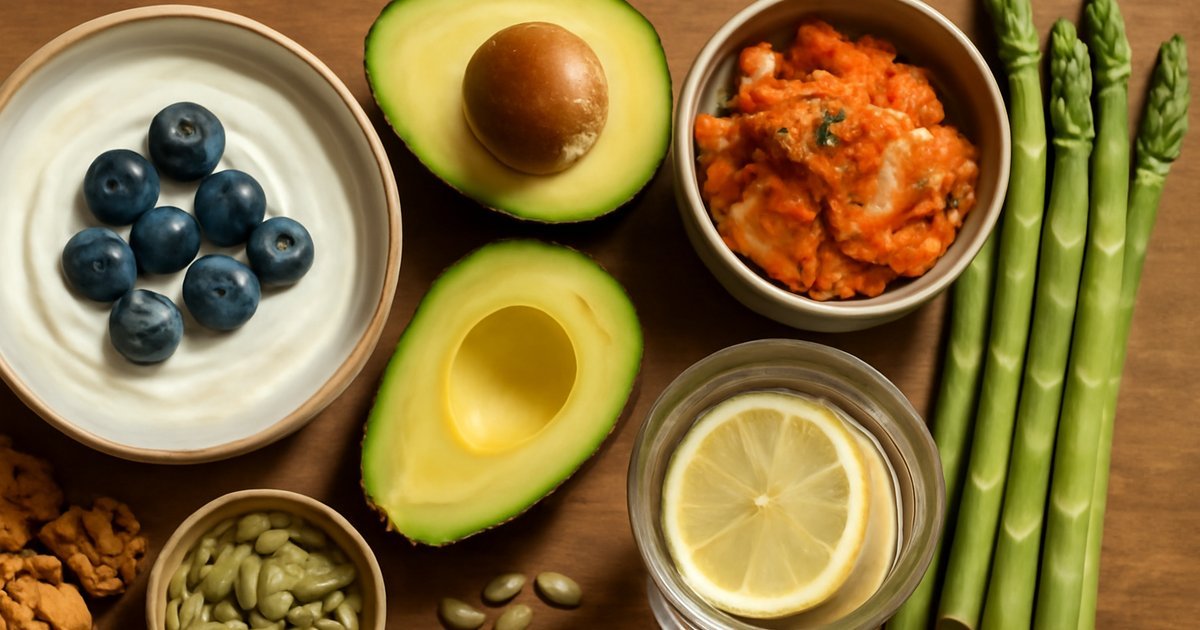
- Prebiotic-rich vegetables: garlic, onions, leeks, asparagus, and Jerusalem artichokes feed beneficial bacteria. Aim for at least 2-3 servings daily.
- Colorful produce: polyphenols in berries, dark leafy greens, and red cabbage have been shown to reduce intestinal inflammation. Target 5+ servings per day across colors.
- Fermented foods: 1-2 servings daily of plain kefir, yogurt with live cultures, kimchi, or sauerkraut — without added sugar.
- Omega-3 fatty acids: wild-caught salmon, sardines, walnuts, and flaxseed support anti-inflammatory pathways in the gut. The Academy of Nutrition and Dietetics recommends at least 2 servings of fatty fish per week.
- Bone broth: contains collagen and glutamine, which may support mucosal repair — though clinical evidence is still emerging.
- Zinc-rich foods: pumpkin seeds, legumes, grass-fed beef, and oysters support epithelial cell turnover.
Minimize or avoid:
- Refined sugar and high-fructose corn syrup (feeds pathogenic bacteria, promotes dysbiosis)
- Ultra-processed snack foods and fast food (high in emulsifiers that have been shown to disrupt the mucus layer)
- Alcohol (directly toxic to intestinal epithelial cells and shown to raise zonulin, a protein linked to tight junction loosening)
- Artificial sweeteners in excess — early research suggests some may negatively alter microbiome composition, though findings are still developing
How Long Until You See Results — and What to Track
Gut healing is not a weekend project, and setting realistic expectations is critical to staying consistent.
Based on available research, here’s a general timeline:
- Weeks 1-2: Bloating and gas often begin to shift as you reduce processed foods and increase fiber gradually. Energy fluctuations are common as the microbiome adjusts.
- Weeks 3-6: Bowel regularity tends to improve. Some people notice clearer skin, improved sleep quality, and reduced afternoon energy crashes.
- Weeks 8-12: More meaningful changes in systemic inflammation markers, immune response, and mood stability may become apparent — especially when dietary changes are paired with stress reduction and adequate sleep.
What to track:
- Digestive symptom frequency: bloating, gas, irregularity (track in a simple daily journal)
- Energy levels — note patterns across the day
- Skin clarity and any inflammatory skin conditions
- Frequency of illness or immune reactions
- Mood and mental clarity (these are often early responders to gut changes)
If you’ve made consistent dietary and lifestyle changes for 12 weeks with minimal improvement, consult a gastroenterologist or registered dietitian. Some cases of increased gut permeability are connected to underlying conditions — including celiac disease, Crohn’s disease, or SIBO — that require targeted clinical intervention.
Frequently Asked Questions
Is leaky gut a real medical diagnosis?
Increased intestinal permeability is a real, measurable physiological state studied extensively in gastroenterology research. However, "leaky gut syndrome" as a standalone diagnosis is not currently recognized in standard clinical practice. Most conventional physicians address it in the context of an underlying condition. That said, the mechanisms involved are scientifically valid and increasingly taken seriously in integrative and functional medicine settings.
What are the most common symptoms of a leaky gut?
Symptoms vary widely, which makes leaky gut tricky to identify without professional evaluation. Common indicators include chronic bloating, irregular bowel movements, food sensitivities, fatigue, brain fog, frequent colds, skin issues like eczema, and joint discomfort. None of these are exclusive to gut permeability issues — which is why professional assessment matters.
Can probiotics alone heal a leaky gut?
Probiotics can support gut microbiome diversity and help modulate immune responses, but they are unlikely to reverse leaky gut on their own. Research in the Journal of Nutrition suggests that probiotics work best when paired with a high-fiber diet that feeds those beneficial bacteria. Think of probiotics as one tool in a broader strategy — not a standalone fix.
Does gluten cause leaky gut?
In people with celiac disease, gluten triggers a confirmed immune-mediated response that damages the intestinal lining. For non-celiac individuals, the evidence is more nuanced. Some research suggests gliadin (a gluten protein) can trigger zonulin release — temporarily increasing gut permeability — even in people without celiac disease. However, the clinical significance of this in otherwise healthy adults is still being debated. If you suspect gluten sensitivity, work with a doctor rather than self-diagnosing.
Should I take L-glutamine for gut healing?
L-glutamine has legitimate research behind it as a fuel source for intestinal cells and has been studied in clinical settings for gut mucosal repair — particularly in patients with inflammatory bowel conditions. For otherwise healthy adults, the evidence is promising but not definitive. The typical range studied is 5-10 grams per day, but dosing should be discussed with a qualified healthcare provider, especially if you have any underlying health conditions.
Start Small, Stay Consistent
Healing your gut lining doesn’t require an extreme protocol or an expensive supplement stack. It requires consistency, patience, and a willingness to make gradual, sustainable shifts in your daily habits.
The most impactful thing you can do today is simple: add one prebiotic food and one fermented food to your meals, and start reducing your refined sugar intake by half. That’s it. Build from there, week by week.
Your gut is remarkably resilient — it’s rebuilding itself around the clock. Give it the environment it needs, and the results compound in ways that go far beyond digestion — better energy, sharper focus, stronger immunity, and a more stable mood.
Small, consistent steps don’t just beat perfection — they’re the only thing that actually lasts.
Wellness Disclaimer: This article is for informational and educational purposes only. The content is not intended to replace professional medical, nutritional, or fitness advice. Always consult a qualified healthcare provider, registered dietitian, or certified fitness professional before starting a new health program or making significant changes to your lifestyle.
Content reviewed by our wellness editorial team, with references to peer-reviewed research and guidelines from leading health organizations.