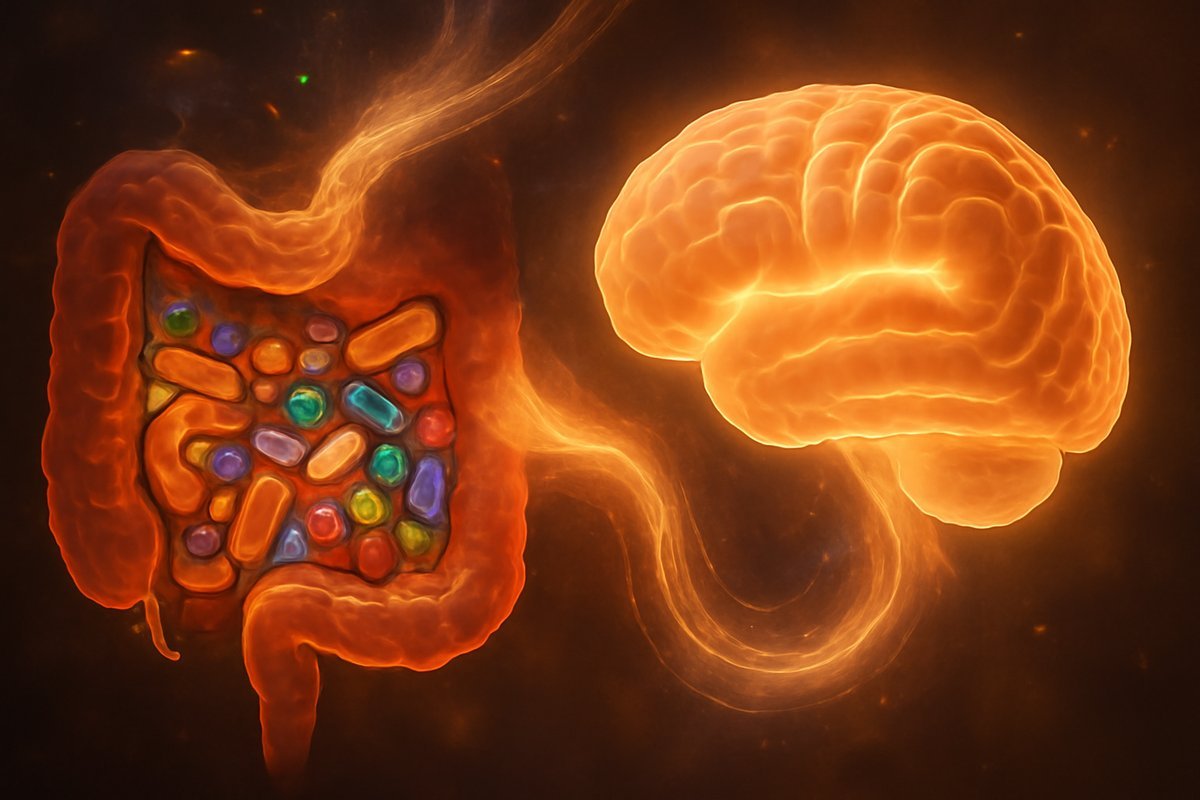
Ever felt "gut feelings" about important decisions, or noticed stress ties your stomach in knots? It’s not just a figure of speech; your gut and brain are in constant, complex communication.
In our fast-paced world, it’s easy to overlook the subtle yet profound links between different systems in our body. We often treat our physical and mental health as separate entities, but increasingly, science reveals they are deeply intertwined. One of the most fascinating examples of this holistic connection is the gut-brain axis — a sophisticated communication network that links your digestive system directly to your central nervous system.
Many of us experience digestive discomfort when stressed, or find our mood dips when our stomach feels off. These aren’t coincidences. The gut-brain connection explains why your diet can influence your mental clarity, and why managing stress can ease digestive woes. Understanding this link isn’t about dissecting complex biology; it’s about empowering you with practical, science-backed strategies to feel better, think clearer, and live with more vitality.
This article will demystify the incredible relationship between your gut and your brain. You’ll learn how this two-way street operates, discover actionable steps to support its health, and identify common pitfalls to avoid. By the end, you’ll have a clearer roadmap to nourish both your body and your mind, translating into improved mood, enhanced focus, and overall well-being.
Why the Gut-Brain Connection Matters More Than You Think
For decades, the gut was primarily seen as a digestive organ — a place where food breaks down and nutrients are absorbed. While this role is crucial, modern science reveals a far more expansive function. Your gut is home to trillions of microorganisms, collectively known as the gut microbiome, which act as a bustling inner ecosystem influencing everything from immunity to mood.
This intricate ecosystem constantly interacts with your brain through the gut-brain axis, a bidirectional communication superhighway. This isn’t a one-way street where the brain dictates everything; rather, it’s a dynamic conversation where your gut, and its microbial residents, significantly impact your brain’s function and your emotional state.
One of the key players in this dialogue is the vagus nerve, a major cranial nerve that directly connects your brainstem to your gut. It acts like a telephone line, relaying messages about satiety, discomfort, and even emotional states. Beyond the vagus nerve, the gut also produces a remarkable array of neuroactive compounds.
Consider this: approximately 90% of your body’s serotonin, a neurotransmitter strongly associated with feelings of well-being and happiness, is produced in the gut, not the brain. Research published in the Journal of Physiology and Pharmacology, when this understanding was first emerging, highlighted the gut’s profound capacity to synthesize these crucial chemical messengers, underlining its critical role in mood regulation.
This means a healthy gut isn’t just about comfortable digestion; it’s fundamental to maintaining a balanced mood, reducing anxiety, and even enhancing cognitive function. When this connection is compromised, you might experience not only digestive issues but also brain fog, irritability, or increased stress.
The Science Behind the Gut-Brain Axis: A Two-Way Street
To truly appreciate the gut-brain axis, let’s dive a bit deeper into its mechanisms. It’s far more than just a nerve pathway; it involves a complex interplay of neural, hormonal, and immunological signaling.
At the heart of this connection is the Enteric Nervous System (ENS), often dubbed the "second brain." This extensive network of neurons embedded in the walls of your gastrointestinal tract can operate independently of the brain, overseeing digestive processes. Yet, it also communicates extensively with your central nervous system. When this scientific understanding first became widespread, it challenged the long-held myth that the brain was the sole command center for such intricate bodily functions.
The gut microbiome plays a pivotal role in this axis. These trillions of bacteria, fungi, and viruses produce a variety of compounds, including short-chain fatty acids (SCFAs) like butyrate, and neurotransmitters like GABA and dopamine precursors. These compounds can cross the blood-brain barrier or signal via the vagus nerve, directly influencing brain chemistry and function.
For instance, an animal study published in Cell at the time showed how specific gut microbes could influence anxiety-like behavior and even alter brain development, providing compelling evidence of the microbiome’s neuroactive potential. While human research is more complex, observational studies consistently link microbiome diversity and composition to various mental health outcomes.
Furthermore, the gut barrier, a single layer of cells lining your intestines, is critical. When healthy, it acts as a selective filter, allowing nutrients in while keeping harmful substances out. If this barrier becomes compromised (often referred to as "leaky gut" by some wellness communities), inflammatory molecules can enter the bloodstream and potentially trigger systemic inflammation, which is increasingly linked to mood disorders and cognitive decline.
How to Nurture Your Gut-Brain Axis: Practical Steps
Understanding the science is one thing, but applying it to your daily life is where the real change happens. Here’s how you can proactively support a healthy gut-brain connection:
Beginner-Friendly Entry Points:
- Prioritize Dietary Diversity: Don’t just eat one type of fruit or vegetable. Aim for a wide array of plant-based foods — different colors, textures, and types. Each plant food feeds a different set of beneficial gut bacteria. Start by adding one new fruit, vegetable, or legume to your meals each week.
- Embrace Fermented Foods: Incorporate small amounts of fermented foods like plain yogurt (with live active cultures), kefir, sauerkraut, kimchi, or tempeh into your diet a few times a week. These are natural sources of probiotics that can introduce beneficial bacteria to your gut.
- Stay Hydrated: Water is essential for every bodily function, including digestion and nutrient absorption. Make a conscious effort to drink plenty of water throughout the day. Keep a water bottle handy as a visual reminder.
- Mindful Eating: Slow down during meals. Chew your food thoroughly and pay attention to your body’s hunger and fullness cues. This simple practice can improve digestion and reduce stress around eating.
Intermediate and Advanced Options:
- Targeted Fiber Intake: Once comfortable with dietary diversity, focus on specific types of fiber — soluble, insoluble, and resistant starch. Foods like oats, flax seeds, psyllium, and cooked and cooled potatoes or rice (for resistant starch) are excellent. Aim to meet the USDA Dietary Guidelines for fiber (25g for women, 38g for men) consistently.
- Strategic Stress Management: Chronic stress is a significant disruptor of the gut-brain axis. Develop a consistent stress-management routine. This could involve daily meditation, deep breathing exercises, spending time in nature, or engaging in hobbies you enjoy. For more ideas, explore "10 Daily Habits That Actually Reduce Stress Long-Term."
- Optimize Sleep: Poor sleep profoundly impacts both gut health and cognitive function. Establish a consistent sleep schedule, create a relaxing bedtime routine, and ensure your sleep environment is conducive to rest. You can find practical guidance in "Sleep Hygiene Habits: Your Blueprint for Restful Nights."
- Consider a Probiotic Supplement (Wisely): While food sources are ideal, a high-quality, multi-strain probiotic supplement may be beneficial, especially after antibiotic use or during periods of digestive distress. However, always consult a healthcare professional to ensure it’s appropriate for your specific needs. The effects of probiotics can vary significantly between individuals.
Common Mistakes That Sabotage Results
Even with the best intentions, it’s easy to fall into traps that hinder your progress in supporting your gut-brain axis. Acknowledging these common errors is the first step toward correcting them.
- Ignoring Chronic Stress: Stress is perhaps the most potent saboteur of the gut-brain connection. Many people focus solely on diet but neglect the overwhelming impact of unmanaged, persistent stress on digestion, gut permeability, and microbial balance.
- Why it happens: We often normalize stress or feel we lack control over it.
- How to fix it: Integrate daily, non-negotiable stress-reduction practices. Even 5-10 minutes of deep breathing, walking, or meditation can make a difference.
- Over-reliance on Processed Foods and Sugar: A diet high in ultra-processed foods, refined sugars, and artificial additives can deplete beneficial gut bacteria and promote the growth of less desirable strains. This imbalance, known as dysbiosis, directly impacts the gut’s ability to produce beneficial compounds for the brain.
- Why it happens: Convenience, taste, and ingrained habits make these foods appealing.
- How to fix it: Gradually reduce your intake. Focus on adding more whole, unprocessed foods rather than strictly eliminating. Small swaps, like fruit instead of candy or whole grains instead of white bread, accumulate over time.
- Lack of Consistency and Impatience: Optimizing gut health and its impact on the brain is a journey, not a quick fix. Expecting immediate, dramatic results from a few days of eating yogurt or taking a probiotic can lead to discouragement.
- Why it happens: We live in a world of instant gratification.
- How to fix it: Focus on sustainable, long-term habits. Track your changes in mood, energy, and digestion over weeks and months, not days. Celebrate small victories and be patient with your body’s adaptive processes.
- Over-Sanitizing Your Environment: While hygiene is important, an overly sterile environment can limit exposure to diverse microbes, potentially hindering the development of a robust and resilient gut microbiome.
- Why it happens: A focus on germ prevention.
- How to fix it: Engage with nature — garden, spend time outdoors, walk barefoot on grass. Don’t fear healthy dirt and a little microbial exposure.
What to Eat (and Limit) for a Harmonious Gut-Brain Link
Your plate is a powerful tool for shaping your gut-brain axis. Focusing on nutrient-dense, whole foods provides the building blocks and fuel for both your microbiome and your brain.
Foods to Embrace:
- Fiber-Rich Plant Foods (Prebiotics): These are the non-digestible fibers that feed your beneficial gut bacteria. Think of them as fertilizer for your microbiome. Include a variety of:
- Legumes: Lentils, chickpeas, black beans (aim for ½ cup cooked daily if tolerated).
- Whole Grains: Oats, barley, quinoa, brown rice (1-2 servings daily).
- Vegetables: Broccoli, asparagus, garlic, onions, leeks, artichokes, leafy greens (aim for 3-5 servings daily).
- Fruits: Berries, apples, bananas (1-2 servings daily).
- Fermented Foods (Probiotics): These foods contain live, beneficial bacteria that can colonize your gut. Introduce them gradually.
- Yogurt/Kefir: Look for "live and active cultures" (1 cup daily).
- Sauerkraut/Kimchi: Unpasteurized varieties (¼ to ½ cup daily).
- Tempeh/Miso: Fermented soy products.
- Omega-3 Fatty Acids: Essential for brain health and reducing inflammation, which can impact the gut. The American Heart Association recommends eating fatty fish twice a week.
- Fatty Fish: Salmon, mackerel, sardines, tuna (2 servings per week).
- Plant Sources: Chia seeds, flax seeds, walnuts.
- Polyphenol-Rich Foods: Polyphenols are plant compounds with antioxidant properties that can promote beneficial gut bacteria.
- Berries: Blueberries, raspberries.
- Dark Chocolate: High cocoa content (enjoy in moderation).
- Green Tea, Coffee: Also contain beneficial polyphenols.
Foods/Habits to Limit:
- Ultra-Processed Foods: These are typically high in unhealthy fats, added sugars, and artificial ingredients that can negatively alter the gut microbiome and promote inflammation.
- Excessive Added Sugar: A primary culprit for gut dysbiosis and inflammation. Check labels for hidden sugars.
- Artificial Sweeteners: Some research suggests they can negatively impact gut bacteria, though results vary.
- Excessive Alcohol: Can disrupt the gut barrier and alter microbial balance.
How Long Until You Feel a Difference? What to Track
When you start making changes to support your gut-brain axis, patience is key. Your body needs time to adapt, and your microbiome needs time to shift. This is not an overnight transformation.
Realistic Timelines:
- Initial Changes (Days to 2 Weeks): You might notice subtle improvements in digestive comfort (less bloating, more regular bowel movements) or slight shifts in energy levels. Some individuals report feeling a bit "lighter" or less sluggish.
- Noticeable Differences (2 Weeks to 2 Months): This is typically when people start to experience more significant benefits. You might observe a more stable mood, fewer instances of brain fog, improved sleep quality, and a general sense of enhanced well-being. The Harvard Health Publishing has emphasized that dietary changes impacting mental health are often gradual, requiring sustained effort.
- Long-Term Benefits (3 Months and Beyond): Consistent adherence to gut-friendly habits will yield the most profound and lasting results. At this stage, your gut microbiome becomes more resilient, and the communication with your brain is more efficient, contributing to sustained mental clarity, emotional balance, and robust overall health.
Results vary significantly from person to person based on your baseline gut health, dietary history, stress levels, and genetics. Be kind to yourself and celebrate small, consistent improvements.
Specific Metrics or Signals to Monitor:
- Mood Journaling: Keep a simple journal to track your daily mood, energy levels, and any instances of anxiety or irritability. This provides objective data on how changes are impacting your emotional state.
- Digestive Comfort: Pay attention to bloating, gas, stomach pain, and bowel regularity. Notice if these improve or worsen with specific dietary or lifestyle changes.
- Sleep Quality: Track how easily you fall asleep, how often you wake up, and how refreshed you feel upon waking.
- Cognitive Clarity: Note any improvements in focus, concentration, memory, or reduction in "brain fog."
- Energy Levels: Monitor your overall energy throughout the day, looking for fewer dips and more sustained vitality.
If you experience persistent digestive issues, mood disturbances, or other concerning symptoms, do not hesitate to seek professional guidance. A qualified healthcare provider, registered dietitian, or gut health specialist can help identify underlying issues and create a personalized plan.
Frequently Asked Questions
Here are some common questions people have about the gut-brain connection:
Can stress really cause digestive issues?
Absolutely. The gut-brain axis means stress signals from your brain can directly impact gut motility, permeability, and even alter your gut microbiome. This can manifest as indigestion, bloating, diarrhea, or constipation.
Are probiotics helpful for mood?
Some research suggests certain probiotic strains, often called "psychobiotics," may have a positive effect on mood and anxiety by influencing neurotransmitter production and reducing inflammation. However, results vary, and more research is needed to identify optimal strains and dosages.
How quickly can diet impact my gut-brain axis?
While profound, lasting changes take time, your gut microbiome can begin to shift within days of significant dietary changes. You might start to feel subtle digestive improvements within a week or two, with mood and energy changes becoming more noticeable over several weeks to months.
What are prebiotics and why are they important?
Prebiotics are non-digestible fibers that selectively stimulate the growth and activity of beneficial bacteria in your gut. They are essentially food for your probiotics. Consuming a variety of prebiotic-rich foods, such as garlic, onions, asparagus, bananas, and oats, is crucial for nurturing a healthy microbiome.
Is fermented food always good for everyone?
While generally beneficial, some individuals, especially those with certain gut conditions like SIBO (Small Intestinal Bacterial Overgrowth) or histamine intolerance, might initially experience discomfort from fermented foods. It’s best to introduce them slowly and in small quantities, or consult a professional if you have underlying digestive issues.
Conclusion
The gut-brain connection is a testament to the incredible interconnectedness of your body. Far from being separate entities, your digestive system and your brain are constantly communicating, influencing each other’s health and function in profound ways. By prioritizing the well-being of your gut, you’re making a direct investment in your mental clarity, emotional resilience, and overall vitality.
Remember that optimizing your gut-brain axis isn’t about perfection; it’s about consistent, small steps that add up over time. Start today by choosing one simple change — perhaps adding a new fiber-rich vegetable to your plate, taking a few minutes for mindful breathing, or ensuring you drink enough water. Embrace the journey of nourishing your inner ecosystem, and you’ll unlock a powerful pathway to feeling your best, both inside and out.
WELLNESS DISCLAIMER:
This article is for informational and educational purposes only. The content is not intended to replace professional medical, nutritional, or fitness advice. Always consult a qualified healthcare provider, registered dietitian, or certified fitness professional before starting a new health program or making significant changes to your lifestyle.
Content reviewed by our wellness editorial team, with references to peer-reviewed research and guidelines from leading health organizations.