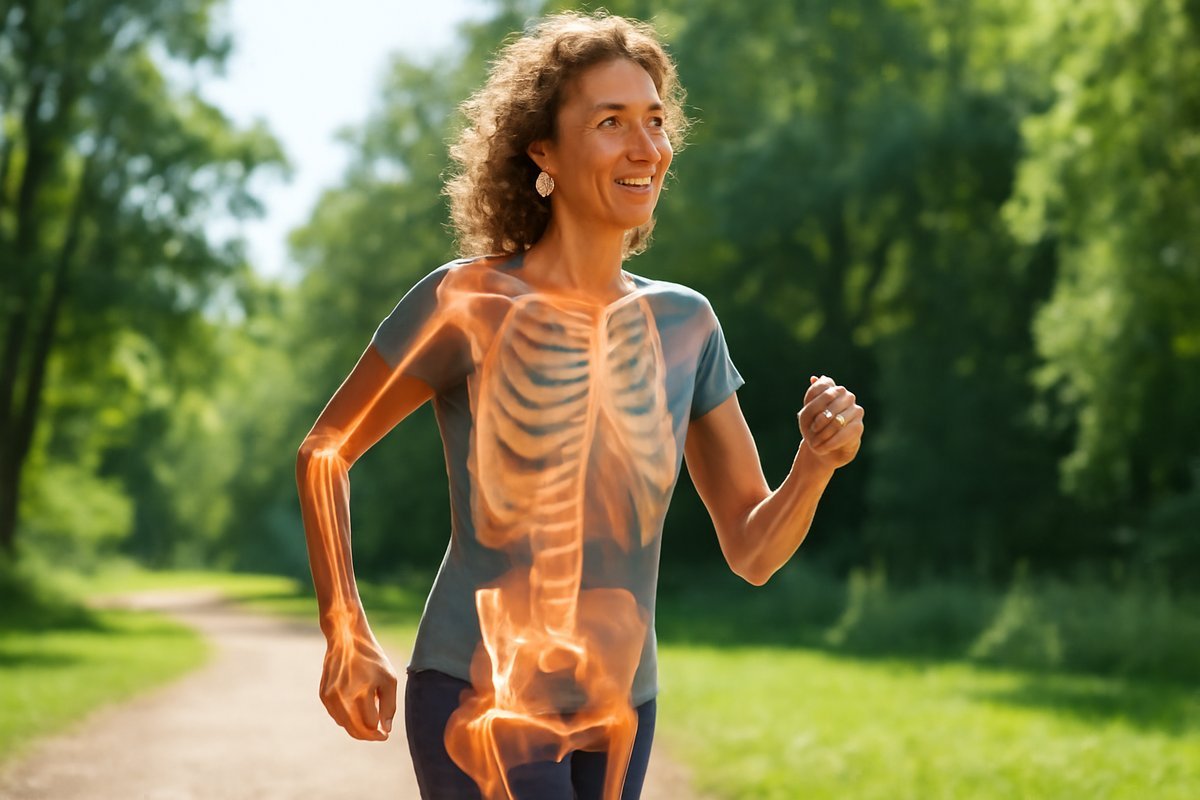
You might not feel your bones weakening, but proactive steps today can prevent serious issues for decades to come.
It's easy to take your bones for granted. They're out of sight, out of mind, quietly supporting every move you make, every step you take. Many of us don't think about bone health until we're much older, perhaps after a fall or a diagnosis. But here's a truth bomb: the foundation for strong bones throughout life, especially for women, is built much earlier than you might think.
Many women assume that bone health is primarily about taking a calcium supplement later in life. While calcium is undeniably crucial, it's just one piece of a much larger, more dynamic puzzle. Building and maintaining resilient bones involves a comprehensive approach that intertwines nutrition, exercise, lifestyle choices, and a keen understanding of your body's unique needs as a woman. The good news? It's never too late to start, and even small, consistent actions can make a profound difference.
This guide will cut through the noise, providing you with evidence-backed strategies for optimal women's bone health. You'll learn the science behind bone remodeling, actionable steps you can integrate into your daily routine, common pitfalls to avoid, and a clear timeline for understanding results. Prepare to empower yourself with the knowledge to build a robust skeletal framework, ensuring you stay strong, active, and independent for years to come.
Why Women's Bone Health Matters More Than You Think
While bone health is important for everyone, it holds particular significance for women. The statistics paint a clear picture: approximately one in two women over the age of 50 will experience an osteoporosis-related fracture in their lifetime, compared to one in four men. This stark difference isn't just about aging; it's deeply rooted in female physiology.
Women typically have smaller, thinner bones than men. More critically, the hormonal shifts unique to women's lives play a dominant role in bone density. Estrogen, often considered a "female hormone," is a powerful protector of bone density. When estrogen levels decline significantly, particularly during perimenopause and menopause, bone loss can accelerate dramatically. This period, often starting in the late 40s or early 50s, marks a critical window where women can lose up to 20% of their bone density within 5-7 years, according to the National Institutes of Health (NIH).
Beyond the numbers, strong bones directly impact your daily life. They allow you to move freely, engage in your favorite activities, maintain balance, and prevent debilitating fractures that can severely impact quality of life and independence. Prioritizing women's bone health isn't just about preventing osteoporosis; it's about safeguarding your vitality and ensuring you can live fully at every age.
The Science Behind Bone Strength & Remodeling
Bones aren't static, lifeless structures; they are dynamic, living tissues constantly undergoing a process called "remodeling." Think of your skeleton as a bustling construction site, with two main types of specialized cells working in tandem: osteoclasts, which break down old bone tissue, and osteoblasts, which build new bone tissue. This constant cycle of breakdown and rebuilding keeps your bones strong, resilient, and responsive to the demands you place on them.
During childhood and adolescence, osteoblast activity typically outpaces osteoclast activity, leading to an increase in bone density. Most people reach their "peak bone mass" — the maximum density and strength your bones will achieve — by their late 20s or early 30s. After this point, the balance often shifts, and a gradual decline in bone mass can begin. For women, this decline is particularly pronounced as estrogen levels fall during perimenopause and menopause, as estrogen helps to inhibit osteoclast activity.
A common myth is that once you've passed your peak bone mass, you can't significantly impact your bone density. While building peak bone mass in youth is ideal, research published in the Journal of Bone and Mineral Research has demonstrated that lifestyle interventions, even later in life, can slow bone loss and, in some cases, even improve bone density. This includes consistent engagement in weight-bearing exercises and optimal nutrient intake.
How to Build & Maintain Bone Density: Practical Steps
Building and maintaining strong bones isn't rocket science, but it does require consistency and the right approach. Here's how to integrate bone-strengthening habits into your routine:
1. Prioritize Weight-Bearing Exercise
This is arguably the most critical component for bone health. Weight-bearing exercises are those where your body works against gravity, stimulating your bones to become denser and stronger. This includes both high-impact and low-impact options.
-
Beginner: Start with brisk walking for 30 minutes, most days of the week. Add short bouts of marching in place or stepping up and down a single stair. Focus on good posture.
-
Intermediate: Incorporate jogging, hiking, dancing, or playing sports like tennis. Aim for 3-5 sessions per week. Consider adding bodyweight exercises like squats, lunges, and push-ups, which also act as weight-bearing activities.
-
Advanced: Engage in more vigorous activities such as running, jumping rope, or plyometrics (jump training), if medically appropriate and cleared by a professional. Always listen to your body and progress gradually to prevent injury.
2. Embrace Strength Training
Often confused with weight-bearing aerobics, strength training (also called resistance training) specifically involves working your muscles against resistance, such as weights, resistance bands, or your own body weight. This pulls on your bones, signaling them to build more tissue. The American College of Sports Medicine (ACSM) recommends strength training for all major muscle groups at least two to three times per week.
-
Beginner: Start with bodyweight exercises like wall push-ups, chair squats, and lunges without weights. Focus on proper form over heavy loads. You can find a comprehensive guide on getting started here: Strength Training for Healthy Aging: Your Complete Guide.
-
Intermediate: Introduce light dumbbells or resistance bands for exercises like bicep curls, overhead presses, rows, and deadlifts. Aim for 2-3 sets of 8-12 repetitions for each exercise.
-
Advanced: Progress to heavier weights, more complex compound movements (e.g., barbell squats, bench press), and varied training splits. Consider working with a certified personal trainer to optimize your program and ensure safety.
3. Incorporate Balance Exercises
While not directly building bone density, improving your balance is crucial for preventing falls, which are a leading cause of fractures, especially for those with lower bone density. Activities like yoga, Tai Chi, and simple single-leg stands can significantly enhance proprioception and stability.
Common Mistakes That Sabotage Results
Even with the best intentions, it's easy to fall into habits that unknowingly hinder your bone health efforts. Acknowledging these common errors is the first step toward correcting them.
1. Solely Relying on Calcium Supplements
Many assume popping a calcium pill is enough. While supplements can bridge nutritional gaps, they are not a magic bullet. Research suggests that calcium from food sources is generally better absorbed and utilized by the body than supplements alone. Furthermore, without sufficient Vitamin D, your body can't effectively absorb calcium, making supplementation less impactful. Always aim for dietary calcium first and discuss supplementation with a healthcare provider to determine if it's truly necessary and in what form.
2. Neglecting Strength Training and Impact Activities
It's common to prioritize cardiovascular exercise for heart health or weight management, but "walking doesn't just build stronger legs, it builds stronger bones," notes Harvard Health Publishing. Cycling and swimming are excellent for cardiovascular fitness, but because they are non-weight-bearing, they don't provide the necessary impact or resistance to stimulate bone growth in the same way that running, jumping, or lifting weights does. If your routine lacks these elements, your bones aren't getting the signals they need to rebuild and strengthen.
3. Engaging in Excessive Restrictive Diets
Chronic undereating or severely restrictive diets — especially those that cut out entire food groups without careful nutritional planning — can compromise bone health. When your body doesn't receive enough calories or essential nutrients, it can lead to hormonal imbalances (like low estrogen or irregular periods in women), which directly affect bone density. Additionally, a lack of dietary fats can hinder the absorption of fat-soluble vitamins like Vitamin D and K, both vital for bone health. Always prioritize a balanced, nutrient-dense eating pattern.
4. Overlooking Lifestyle Factors Beyond Diet and Exercise
Bone health isn't just about what you eat or how you move. Lifestyle choices like smoking, excessive alcohol consumption, and chronic stress can significantly undermine your efforts. Smoking has been linked to lower bone density and an increased risk of fractures, while excessive alcohol can interfere with calcium absorption and bone formation. Chronic stress can also affect hormone levels that impact bone metabolism. Addressing these factors is crucial for a holistic approach to bone wellness.
What to Eat for Optimal Bone Health
Nutrition forms the bedrock of strong bones. It's not just about calcium; a symphony of nutrients works together to support your skeletal structure. The USDA Dietary Guidelines recommend a variety of nutrient-dense foods to support overall health, including bone health.
Calcium: The Building Block
Aim for 1,000 mg per day for most adults, increasing to 1,200 mg for women over 50. Prioritize food sources:
-
Dairy Products: Milk (1 cup = ~300 mg), yogurt (6 oz = ~300-450 mg), cheese (1.5 oz cheddar = ~300 mg).
-
Fortified Foods: Fortified plant-based milks (almond, soy, oat – check labels for ~300 mg per cup), fortified cereals, orange juice.
-
Leafy Greens: Kale, collard greens, turnip greens (1 cup cooked = ~100-250 mg). Note: Spinach contains oxalates which can inhibit absorption, so don't rely solely on it.
-
Other Sources: Tofu (calcium-set, 1/2 cup = ~200-300 mg), sardines (3 oz = ~325 mg), canned salmon with bones (3 oz = ~180 mg), white beans, figs.
Vitamin D: The Calcium Helper
Vitamin D is essential for calcium absorption. Aim for 600-800 IU (international units) daily, possibly more depending on individual needs and sun exposure. Getting enough Vitamin D can be challenging through diet alone:
-
Sun Exposure: Your skin produces Vitamin D when exposed to sunlight, but this varies by location, skin type, and time of year. About 10-15 minutes of midday sun exposure without sunscreen a few times a week can be sufficient for some.
-
Fatty Fish: Salmon (3 oz = ~400-800 IU), mackerel, tuna, sardines.
-
Fortified Foods: Milk, certain yogurts, cereals, orange juice (check labels).
-
Supplements: Often necessary, especially in winter months or for those with limited sun exposure. Consult your doctor for appropriate dosing.
Beyond Calcium and Vitamin D: Other Key Players
-
Magnesium: Involved in over 300 bodily processes, including bone formation. Found in leafy greens, nuts, seeds, whole grains, and legumes.
-
Vitamin K: Plays a role in bone mineralization and helps regulate calcium. Found in leafy green vegetables (kale, spinach, collards) and broccoli. These foods also contribute to an anti-inflammatory diet, beneficial for overall wellness.
-
Protein: Essential for building bone matrix. Ensure adequate intake from lean meats, poultry, fish, eggs, dairy, legumes, and nuts.
-
Potassium: May help reduce calcium loss from bones. Found in fruits and vegetables like bananas, potatoes, and oranges.
What to Avoid (or Limit)
-
Excessive Sodium: High sodium intake can increase calcium excretion through urine.
-
Excessive Caffeine: While moderate intake is generally fine, very high caffeine intake (e.g., more than 400 mg/day) might slightly increase calcium loss, especially if calcium intake is low.
-
Excessive Alcohol: Disrupts Vitamin D activation and bone-forming cell activity.
-
Soft Drinks: Some research suggests a link between high soda consumption (especially cola) and lower bone density, possibly due to displacement of milk/fortified beverages or phosphoric acid content, though evidence is mixed.
How Long Until You See Results & What to Track
When it comes to bone health, patience is a virtue. Unlike muscle gains or weight loss, changes in bone density are slow and incremental. You won't "feel" your bones getting stronger day by day, and significant measurable changes typically take time — often years.
Research indicates that it can take anywhere from 6 months to 2 years of consistent, appropriate exercise and nutritional changes to see measurable improvements in bone mineral density (BMD) via a DEXA scan. Even then, the improvements might be modest, such as a 1-3% increase per year, particularly for individuals who have already passed their peak bone mass.
What to Track:
-
Bone Mineral Density (BMD) Scans (DEXA): This is the gold standard for measuring bone density. Your doctor may recommend a baseline scan around menopause or earlier if you have risk factors, and subsequent scans every 1-2 years to monitor changes. Don't expect dramatic shifts in short periods; these are long-term trends.
-
Lifestyle Adherence: The most practical daily metric is your consistency with bone-healthy habits. Are you consistently engaging in weight-bearing and strength-training exercises? Are you consuming enough calcium, Vitamin D, and other vital nutrients? Track your workouts and food intake to ensure you're meeting your targets.
-
Improved Strength and Balance: While not a direct measure of bone density, improved muscle strength and better balance reduce your risk of falls and, consequently, fractures. Notice if you feel stronger, more stable, and more confident in your movements.
Remember, results vary significantly based on your age, baseline bone density, genetic factors, and the consistency and intensity of your interventions. If you have concerns about your bone health or specific conditions like osteopenia or osteoporosis, always consult with your healthcare provider or a specialist for personalized guidance and to discuss medication options if appropriate.
Frequently Asked Questions
Q: Do I need a calcium supplement?
A: Not necessarily. The Academy of Nutrition and Dietetics generally recommends trying to meet calcium needs through food first. If your dietary intake falls short, a supplement may be beneficial, but it's best to discuss this with your doctor or a registered dietitian. Excessive calcium supplementation can have risks, so finding the right balance is key.
Q: Is running good for my bones?
A: Yes, running is an excellent weight-bearing exercise that can help build and maintain bone density, especially in the hips and spine. However, it's essential to ensure you have good running form, appropriate footwear, and gradually increase mileage to avoid injury. If you have existing bone issues, consult your doctor before starting a running program.
Q: What about caffeine and bone health?
A: Moderate caffeine consumption (up to 400 mg/day, about 3-4 cups of coffee) generally has a minimal effect on bone health, especially if your calcium intake is adequate. Very high caffeine intake, combined with insufficient calcium, might slightly increase calcium excretion, but the impact is usually small. Enjoy your coffee in moderation!
Q: How does menopause affect bones?
A: Menopause significantly impacts bone health due to the sharp decline in estrogen. Estrogen helps protect bone density by regulating the activity of bone-remodeling cells. With less estrogen, bone breakdown accelerates, leading to rapid bone loss. This is why interventions like weight-bearing exercise and adequate calcium/Vitamin D are especially critical during and after menopause. For a deeper dive into hormonal changes, you can read our guide on Hormonal Balance for Women.
Q: Can I improve bone density if I already have osteopenia or osteoporosis?
A: While significantly reversing osteoporosis can be challenging, consistent lifestyle interventions can help slow bone loss, stabilize bone density, and, in some cases, lead to modest improvements. The focus shifts to preventing further loss and reducing fracture risk. It's crucial to work with your healthcare team to develop a comprehensive plan that may include medication alongside diet and exercise.
Conclusion
Your bones are the unsung heroes of your body, providing structure, protection, and the ability to move through life with grace and strength. For women, especially, understanding and proactively nurturing bone health is a lifelong endeavor that pays immense dividends in vitality and independence. It's not about perfection but about consistent, informed choices.
Remember, every weight-bearing step, every strength-training repetition, and every nutrient-rich meal contributes to the robust foundation beneath your skin. Start small, be consistent, and listen to your body. Today, take one step: add a 15-minute walk to your day, choose a calcium-rich snack, or research a new bodyweight exercise. Your future self — strong, mobile, and vibrant — will thank you.
WELLNESS DISCLAIMER:
This article is for informational and educational purposes only. The content is not intended to replace professional medical, nutritional, or fitness advice. Always consult a qualified healthcare provider, registered dietitian, or certified fitness professional before starting a new health program or making significant changes to your lifestyle.
AUTHOR LINE:
Content reviewed by our wellness editorial team, with references to peer-reviewed research and guidelines from leading health organizations.