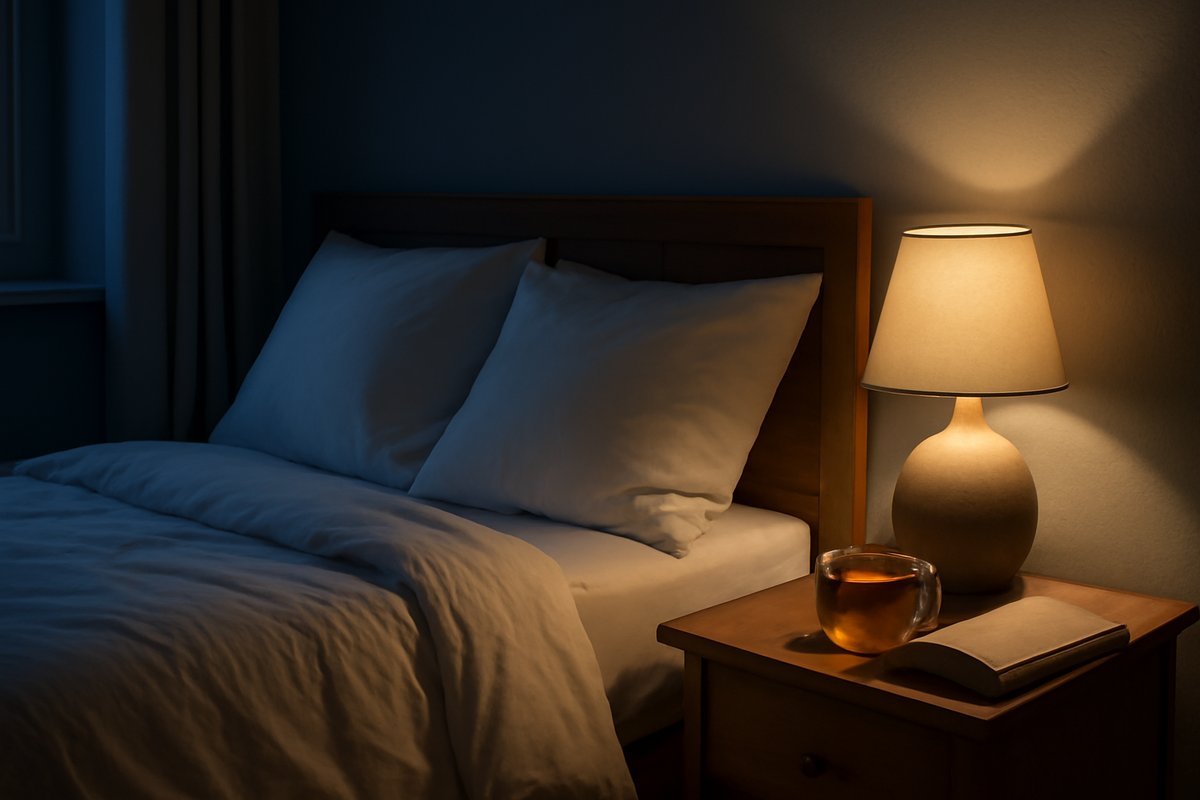
Waking up tired, even after 7 hours, feels like a cruel joke your body plays. You've done everything "right" by the clock, yet your body and mind still feel sluggish. It's a common frustration, and if you've been there, you're far from alone. The truth is, it's often not just about the quantity of your sleep, but the quality. Many adults struggle with sleep, reporting insufficient rest that impacts their daily lives, work, and overall well-being.
It's easy to fall into the trap of thinking "more hours" is the only solution. But what if the real problem lies in the habits surrounding your sleep? What if seemingly small daily choices are sabotaging your natural ability to get truly restorative rest? That's where establishing solid sleep hygiene habits comes in. This isn't about rigid rules that stress you out more; it's about creating an environment and routine that gently guides your body towards its best possible sleep.
In this comprehensive guide, we'll dive into the science of good sleep, uncover the practical steps you can take to transform your nights, and bust some common myths that keep you from your most energized self. You'll learn exactly how to build a personalized blueprint for restful nights, helping you wake up feeling refreshed, focused, and ready to tackle your day. Let's unlock the power of truly restorative sleep together.
Why Restful Sleep Matters More Than You Think
Many of us view sleep as a luxury, or worse, a chore that cuts into our productive hours. Yet, sleep is a fundamental pillar of health, as critical as nutrition and exercise. When you consistently shortchange your sleep, you're not just tired; you're actively impairing nearly every system in your body. It's a silent saboteur of your physical, mental, and emotional well-being.
Consider the sheer breadth of sleep's impact. While you're asleep, your body is hard at work repairing cells, consolidating memories, processing emotions, and regulating hormones. Poor sleep, therefore, has far-reaching consequences. Research published in the Journal of Clinical Sleep Medicine has shown that chronic sleep deprivation is linked to an increased risk of serious health issues, including obesity, type 2 diabetes, cardiovascular disease, and a weakened immune system. It's not just about feeling groggy; it's about your long-term health trajectory.
Beyond physical health, the impact on your daily life is immediate and profound. Sleep deprivation affects your cognitive function, making it harder to concentrate, solve problems, and make decisions. Your mood takes a hit, making you more irritable, anxious, and less resilient to stress. Imagine trying to perform at your best, whether at work, with family, or during your workouts, when your brain is running on fumes. It's like trying to drive a car with no oil – you might get somewhere, but you're doing damage along the way. Prioritizing healthy sleep hygiene habits isn't just about avoiding tiredness; it's about investing in a healthier, happier, and more productive you.
The Science Behind Sleep & How It Actually Works
Understanding how sleep works is the first step toward improving it. Your body has an intricate internal clock, known as the circadian rhythm, which dictates your sleep-wake cycle over a roughly 24-hour period. This rhythm is primarily influenced by light and darkness, signaling to your brain when it's time to be awake and alert, and when it's time to wind down for rest. Melatonin, often called the "sleep hormone," plays a key role, with its production increasing in the evening as light fades, helping you feel drowsy.
During a typical night, you cycle through different sleep stages: non-rapid eye movement (NREM) sleep, which has three distinct phases, and rapid eye movement (REM) sleep. NREM stages 1 and 2 are lighter sleep, while NREM stage 3 (deep sleep) is crucial for physical repair and growth. REM sleep, characterized by vivid dreams, is vital for cognitive function, memory consolidation, and emotional processing. A full sleep cycle takes about 90 minutes, and ideally, you experience 4-6 of these cycles per night.
One pervasive myth is that you can "catch up" on sleep over the weekend. While an extra hour or two might temporarily alleviate some tiredness, research consistently shows that chronic sleep debt cannot be fully repaid. A study published in Current Biology demonstrated that even after a week of recovery sleep, many markers of metabolic and cognitive function did not fully return to baseline after periods of sleep restriction. This highlights that consistent sleep hygiene is far more effective than trying to compensate for lost sleep. Your sleep hygiene habits directly influence how well your circadian rhythm functions and how effectively you move through these vital sleep stages, impacting the overall restorative quality of your rest.
How to Get Started: Practical Steps for Better Sleep
Building effective sleep hygiene habits doesn't require an overnight transformation. It's about implementing small, consistent changes that accumulate over time. Here's how to get started, with options for every level:
-
Establish a Consistent Sleep Schedule:
- Beginner: Choose a bedtime and wake-up time that allows for 7-9 hours of sleep, and try to stick to it within 30-60 minutes, even on weekends.
- Intermediate: Commit to the same bedtime and wake-up time every day, aiming for less than a 30-minute deviation.
- Advanced: Maintain an almost identical sleep-wake schedule seven days a week, allowing your body's circadian rhythm to become perfectly calibrated.
-
Optimize Your Sleep Environment:
- Beginner: Make your bedroom as dark as possible by using blackout curtains or an eye mask.
- Intermediate: Ensure your room is cool (around 60-67°F or 15-19°C) and quiet. Consider earplugs or a white noise machine if needed.
- Advanced: Create a "sleep sanctuary" – no TV, no work, no bright lights. Keep it exclusively for sleep and intimacy to reinforce the mental association.
-
Develop a Relaxing Wind-Down Routine:
- Beginner: Stop using electronic devices 30 minutes before bed.
- Intermediate: Create a personalized 60-minute routine: warm bath or shower, reading a physical book, gentle stretching, or listening to calming music. Avoid anything stimulating.
- Advanced: Incorporate mindfulness or meditation into your routine. Consistent practice can significantly reduce pre-sleep anxiety. (You might find some helpful techniques in our article: 10 Daily Habits That Actually Reduce Stress Long-Term).
-
Manage Light Exposure:
- Beginner: Get at least 15-30 minutes of natural light exposure within an hour of waking up.
- Intermediate: Minimize bright artificial light in the evenings, especially blue light from screens. Use "night mode" settings or blue-light-blocking glasses.
- Advanced: Optimize both morning and evening light exposure to tightly regulate your circadian rhythm.
-
Mind Your Daytime Habits:
- Beginner: Limit caffeine intake after early afternoon.
- Intermediate: Avoid large meals, excessive alcohol, and strenuous exercise too close to bedtime (within 2-3 hours).
- Advanced: Consistently engage in regular physical activity earlier in the day and ensure proper hydration throughout the day, avoiding excessive fluids right before bed.
Common Mistakes That Sabotage Results
Even with the best intentions, it's easy to fall prey to common sleep hygiene pitfalls. Recognizing these mistakes is the first step to correcting them and ensuring your efforts translate into truly restful sleep. These are easy to make, and many people struggle with them, but a little awareness goes a long way.
-
Inconsistent Sleep Schedule (Especially on Weekends):
The Mistake: You adhere to a strict sleep schedule during the work week, but then "sleep in" for several extra hours on Saturday and Sunday. This is often called "social jet lag."
Why It Happens: The allure of catching up on sleep or enjoying late nights with friends is strong. We think we can "bank" sleep or recover lost hours.
How to Fix It: Aim to keep your weekend sleep and wake-up times within an hour of your weekday schedule. While it might feel restrictive at first, your body thrives on consistency. The National Sleep Foundation emphasizes that regularity is key for a well-functioning circadian rhythm.
-
Using Your Bedroom for Everything But Sleep:
The Mistake: Your bedroom doubles as your home office, entertainment center, or even your "thinking space" for problem-solving.
Why It Happens: Modern living often means smaller spaces and the convenience of devices. It's tempting to work from bed or watch TV right before trying to sleep.
How to Fix It: Condition your brain to associate your bedroom solely with sleep and intimacy. Move your workspace, keep electronics out of reach, and avoid stimulating activities like watching thrillers or intense planning in bed. This creates a powerful psychological cue for rest.
-
Ignoring the Power of a Wind-Down Routine:
The Mistake: You go from high-stimulation activities (answering emails, scrolling social media, intense workouts) straight to trying to sleep.
Why It Happens: We often underestimate the time our brains and bodies need to transition from alertness to a state conducive to sleep. We expect to flip a switch.
How to Fix It: Dedicate the 60 minutes before bed to calming activities. This could be reading a physical book, light stretching, listening to a podcast, or taking a warm bath. This signals to your nervous system that it's time to slow down. Consider this your "power-down hour."
-
Relying on Sleep Aids Without Addressing Root Causes:
The Mistake: Turning immediately to over-the-counter sleep aids or alcohol as the first solution for poor sleep.
Why It Happens: These offer a quick fix, promising immediate relief from sleeplessness, which is appealing when you're desperate for rest.
How to Fix It: While occasional use might be okay, consistently relying on these can mask underlying issues and potentially create dependence. Focus on optimizing your sleep hygiene first. If sleep issues persist, consult a healthcare provider to explore potential medical causes or professional interventions like Cognitive Behavioral Therapy for Insomnia (CBT-I).
What to Eat & What to Avoid for Better Sleep
What you consume throughout the day, especially in the hours leading up to bedtime, can significantly impact your sleep quality. It's not just about avoiding certain things; some foods can actually support your body's natural sleep processes.
Foods and Habits to Embrace:
- Tryptophan-Rich Foods: Tryptophan is an amino acid that the body converts into serotonin, which then becomes melatonin. Foods like turkey, chicken, eggs, nuts (almonds, walnuts), seeds (pumpkin, sesame), and dairy products are good sources. For example, a small serving of turkey breast with a side of whole-grain toast a few hours before bed could be beneficial.
- Magnesium-Rich Foods: Magnesium helps relax muscles and calm the nervous system. Spinach, almonds, avocados, bananas, and dark chocolate are excellent sources. According to research cited by Harvard Health Publishing, adequate magnesium intake is crucial for healthy sleep patterns.
- Complex Carbohydrates: Whole grains like oats, quinoa, and whole-wheat bread can help increase tryptophan availability in the brain. A small bowl of oatmeal a few hours before bed is often a soothing choice.
- Cherries (Especially Tart Cherries): These are a natural source of melatonin. A small glass of tart cherry juice or a handful of fresh cherries a couple of hours before sleep might help some individuals.
- Herbal Teas: Chamomile, valerian root, and passionflower teas are often touted for their calming properties. Ensure they are caffeine-free.
Foods and Habits to Avoid or Limit:
- Caffeine: The most obvious culprit. Caffeine has a half-life of about 5-6 hours, meaning half of it is still in your system hours after consumption. The American Academy of Sleep Medicine suggests avoiding caffeine at least 6 hours before bedtime. This means cutting out coffee, black tea, energy drinks, and even some sodas by mid-afternoon.
- Alcohol: While alcohol might make you feel drowsy initially, it disrupts the natural sleep architecture, particularly REM sleep, leading to fragmented and less restorative sleep later in the night. It can also worsen snoring and sleep apnea.
- Heavy, Fatty, or Spicy Meals Close to Bedtime: Large or rich meals require more digestive effort, which can keep your body active when it should be winding down. Spicy foods can cause heartburn or indigestion. Aim to finish your last substantial meal at least 2-3 hours before bed.
- Excessive Fluids: While hydration is crucial, consuming too much liquid right before bed can lead to frequent nighttime awakenings for bathroom trips.
- Sugary Snacks: These can cause blood sugar spikes and crashes, which can disrupt sleep patterns.
Remember, individual sensitivities vary. Pay attention to how different foods affect your sleep and adjust your intake accordingly. The USDA Dietary Guidelines emphasize balanced nutrition throughout the day, which inherently supports overall health, including sleep.
How Long Until You See Results & What to Track
Improving your sleep hygiene isn't like flipping a switch; it's a gradual process. You might not see dramatic changes overnight, but with consistent effort, you can expect to start noticing improvements within a few weeks to a couple of months. For some, especially those with long-standing poor habits, it may take longer as your body re-learns healthy sleep patterns.
Realistic Timelines:
- Days 1-7: You might notice subtle shifts, like feeling slightly less groggy in the morning or falling asleep a little faster. Consistency is key here to establish the new routine.
- Weeks 2-4: More noticeable improvements often emerge. You might find it easier to stick to your schedule, experience fewer awakenings, and feel more rested overall. Your energy levels during the day might also begin to stabilize.
- Months 1-3+: With sustained effort, your new sleep hygiene habits should become second nature. You'll likely experience deeper, more consistent sleep, leading to enhanced mood, focus, and overall vitality.
Specific Metrics or Signals to Monitor:
- Sleep Journal: This is a simple yet powerful tool. For two weeks, record your bedtime, wake-up time, how long it took to fall asleep, number of awakenings, perceived sleep quality (on a scale of 1-5), and how rested you feel upon waking. Also, note down caffeine/alcohol intake and any evening activities. This helps identify patterns and triggers.
- Wearable Devices: Smartwatches and fitness trackers often have sleep tracking features that measure sleep duration, sleep stages (REM, deep, light), and heart rate during sleep. While not always clinically precise, they can provide useful trends and insights into your sleep patterns.
- Daytime Energy Levels: How often do you feel the need for a nap? Do you experience afternoon slumps? Improved sleep should translate to more consistent energy throughout the day.
- Mood and Focus: Notice changes in your irritability, patience, and ability to concentrate. Better sleep significantly enhances these aspects. (For more on improving cognitive function, see our article: How to Keep Your Brain Sharp as You Age: Science-Backed Habits).
When to Reassess or Seek Professional Guidance:
If you've diligently implemented strong sleep hygiene habits for 4-6 weeks and are still struggling with significant sleep issues (e.g., persistent insomnia, excessive daytime sleepiness, loud snoring, or suspected sleep apnea), it's crucial to consult a healthcare provider. A doctor can rule out underlying medical conditions, review your medications, or refer you to a sleep specialist. Sleep disorders like sleep apnea or restless legs syndrome require professional diagnosis and treatment, and sleep hygiene alone may not be sufficient.
Frequently Asked Questions About Sleep Hygiene
1. Can naps help improve my sleep hygiene?
Naps can be a double-edged sword. A short, strategically timed nap (20-30 minutes) in the early afternoon can boost alertness without interfering with nighttime sleep for many. However, long naps (over 30 minutes) or napping too late in the day can make it harder to fall asleep at night and disrupt your overall sleep schedule. Listen to your body and adjust accordingly.
2. Is it really bad to use my phone in bed?
Yes, for multiple reasons. The blue light emitted by screens can suppress melatonin production, making it harder to feel sleepy. Beyond that, engaging with stimulating content (social media, news, work emails) keeps your mind active and alert, counteracting the relaxation needed for sleep. It also blurs the boundaries of your sleep sanctuary.
3. How much sleep do adults actually need?
The National Sleep Foundation recommends 7-9 hours of sleep per night for most adults aged 18-64. While individual needs vary slightly, consistently getting less than 7 hours is associated with negative health outcomes. Aim for within that 7-9 hour window to support optimal health and cognitive function.
4. What if I can't fall asleep despite good sleep hygiene?
If you're in bed for more than 20 minutes and can't fall asleep, it's often best to get out of bed. Go to another room and engage in a quiet, relaxing activity (like reading a physical book under dim light) until you feel drowsy again. Lying in bed awake can create anxiety and negative associations with your sleep space. Then, return to bed and try again.
5. Does exercise help with sleep?
Absolutely! Regular physical activity can significantly improve sleep quality and duration. However, the timing matters. Strenuous exercise too close to bedtime can raise your core body temperature and heart rate, making it harder to fall asleep. Aim to complete your workouts at least 2-3 hours before you plan to go to bed, ideally earlier in the day.
Your Journey to Restful Nights Starts Today
Transforming your sleep doesn't happen overnight, but the journey towards truly restful nights is one of the most impactful investments you can make in your overall health and well-being. By embracing these science-backed sleep hygiene habits, you're not just striving for more hours of sleep; you're cultivating deeper, more restorative rest that will ripple positively through every aspect of your life.
Remember, perfection isn't the goal, consistency is. Start with one or two habits that feel most doable, and gradually build from there. Each small step – dimming the lights, setting a consistent bedtime, choosing a calming evening activity – is a victory. Don't let past struggles define your future sleep. Take that first practical step today, and begin to unlock the incredible power of truly restorative sleep. Your body and mind will thank you.
WELLNESS DISCLAIMER: This article is for informational and educational purposes only. The content is not intended to replace professional medical, nutritional, or fitness advice. Always consult a qualified healthcare provider, registered dietitian, or certified fitness professional before starting a new health program or making significant changes to your lifestyle.
Content reviewed by our wellness editorial team, with references to peer-reviewed research and guidelines from leading health organizations.