
Tag: anxiety relief

  • Social Stress: How to Calm Your Nervous System Fast

    Social Stress: How to Calm Your Nervous System Fast

    Social Stress: How to Calm Your Nervous System Fast

    You walked away from that conversation replaying every word you said — and that anxious loop in your chest? That’s social stress, and it’s more common than you think.

    You finally made it to the dinner party. The food looked great, the people were friendly — and yet somewhere between the appetizers and the main course, something inside you locked up. Your heart rate climbed. Your mind started scanning the room for the exit. By the time dessert arrived, you were mentally drafting your excuse to leave early.

    Sound familiar? If so, you’re not alone — and you’re not broken. Social stress affects millions of American adults, often flying under the radar because it doesn’t always look like full-blown anxiety. It shows up as dreading group texts, over-apologizing in meetings, or spending hours after a social event dissecting every word you said.

    According to the American Psychological Association, social and interpersonal stress consistently rank among the top stressors reported by US adults. And unlike work deadlines or financial pressure, social stress often feels harder to name — which makes it harder to manage.

    In this guide, you’ll learn exactly what’s happening in your nervous system when social situations feel overwhelming, why common advice like "just relax" completely misses the mark, and what science-backed strategies you can actually use — in real time and over time — to feel steadier in the moments that matter most.

    Why Social Stress Matters More Than You Think

    Most people write off social stress as shyness or introversion. But the reality is more complex — and more physiologically significant. Social stress triggers the same biological threat response as physical danger. Your body doesn’t distinguish between a charging bear and a conference room full of people waiting for you to speak.

    The hypothalamic-pituitary-adrenal (HPA) axis — your body’s central stress response system — activates in socially threatening situations, flooding your bloodstream with cortisol and adrenaline. In the short term, that might help you perform under pressure. But when it happens repeatedly, the cumulative physiological burden adds up.

    Research published in the journal Psychoneuroendocrinology found that chronic social stress is linked to elevated inflammatory markers, disrupted sleep architecture, and impaired immune function. Harvard Health Publishing has also noted that social isolation and chronic interpersonal tension are associated with higher cardiovascular risk — comparable to smoking 15 cigarettes a day.

    This isn’t about being dramatic. Social stress has real, measurable effects on your body. And the good news? The nervous system is remarkably plastic — meaning it can be trained to respond differently with the right tools and consistent practice.

    The Science Behind Social Stress: How It Actually Works

    Here’s something most people get wrong: social stress isn’t a personality flaw. It’s a neurological pattern — one rooted in how your brain has learned to predict social threat and protect you from it.

    Your brain runs a constant background program called predictive coding. It takes past experiences — embarrassing moments, rejection, conflict — and uses them to anticipate future social situations. When the prediction is "this could go badly," your amygdala (the brain’s alarm system) fires before you even walk through the door.

    This is why "just think positive" doesn’t work. You can’t logic your way out of an amygdala response. What you can do is work with your nervous system directly.

    The parasympathetic nervous system — often called the "rest and digest" system — is your biological counterbalance to stress. Activating it physically, through breathwork, movement, or specific sensory inputs, can short-circuit the threat response before it spirals.

    A commonly cited myth is that introverts are simply "more stressed" by social situations. Research from the American Psychological Association clarifies that introversion is about energy preference, not threat sensitivity. Social anxiety and social stress can affect extroverts and introverts equally — the wiring is different, but both groups are vulnerable.

    One landmark study published in JAMA Psychiatry found that cognitive-behavioral approaches targeting the specific thought patterns behind social threat appraisal reduced social anxiety symptoms by over 50% in participants after 12 weeks. This tells us that with the right intervention, the nervous system learns new patterns — and those patterns stick.

    How to Get Started: Practical Steps to Calm Social Stress

    Managing social stress isn’t about eliminating discomfort entirely — it’s about building enough nervous system resilience that the discomfort no longer runs the show. Here’s how to start, at every level.

    Beginner Level: In-the-Moment Tools

    • Physiological sigh: Inhale fully through your nose, then take a second quick inhale to fully expand the lungs, and exhale slowly through your mouth. This double-inhale followed by a long exhale is one of the fastest known methods to downregulate the nervous system — validated by research at Stanford University’s neuroscience lab.
    • Grounding with the 5-4-3-2-1 method: Notice 5 things you can see, 4 you can touch, 3 you can hear, 2 you can smell, and 1 you can taste. This pulls you out of anticipatory threat loops and into the present moment.
    • Cold water on your wrists or face: Stimulating the dive reflex by applying cold water slows your heart rate almost immediately — a quick physical reset before a stressful social moment.

    Intermediate Level: Building Daily Resilience

    • Intentional social exposure: Start small. A brief conversation with a barista, a comment in a meeting. Build gradually to larger social contexts. This is called graduated exposure and is one of the most evidence-backed approaches for reducing social threat sensitivity over time.
    • Post-event journaling: Instead of replaying what went wrong, write down three specific things that actually went fine. This rewires your brain’s negativity bias over weeks of consistent practice.
    • Movement before social events: A 20-minute brisk walk before a gathering reduces cortisol levels and raises BDNF (brain-derived neurotrophic factor), improving emotional regulation and mood.

    Advanced Level: Long-Term Nervous System Training

    • Vagal toning practices: Humming, gargling, and cold showers all stimulate the vagus nerve, increasing heart rate variability (HRV) — a key marker of stress resilience. The Mayo Clinic notes that higher HRV is associated with better emotional regulation and lower anxiety baseline.
    • Therapy with social stress focus: Cognitive-behavioral therapy (CBT) and acceptance and commitment therapy (ACT) have the strongest evidence base for rewiring social threat responses.
    • Consistent sleep prioritization: The National Sleep Foundation notes that even one night of poor sleep significantly amplifies amygdala reactivity — making social situations feel 60% more threatening than usual. If this is an area you want to explore further, check out our guide on Sleep and Energy: The Healthy Living Guide You Need.

    Common Mistakes That Sabotage Your Social Stress Recovery

    Even with the best intentions, most people fall into the same traps when trying to manage social stress. Recognizing these patterns early can save you months of spinning your wheels.

    Mistake #1: Avoidance as a long-term coping strategy. It makes perfect sense to avoid what feels threatening — but avoidance teaches your nervous system that the threat is real and needs to be escaped. Every time you cancel plans to avoid discomfort, you reinforce the fear loop. The fix: start with lower-stakes social situations and show your brain that you can survive — and even enjoy — connection.

    Mistake #2: Over-relying on alcohol or social lubricants. A glass of wine before a party might take the edge off, but it temporarily suppresses the nervous system while disrupting sleep quality and increasing baseline anxiety the next day. The Academy of Nutrition and Dietetics and the APA both note that alcohol dependence as a social coping mechanism creates a net increase in anxiety over time.

    Mistake #3: Focusing only on symptoms, not causes. Breathing techniques and grounding exercises are incredibly useful — but if you’re only managing symptoms without addressing the underlying cognitive patterns (like catastrophizing, mind-reading, or perfectionism in social settings), the stress will keep regenerating. Pair in-the-moment tools with longer-term behavioral work.

    Mistake #4: Comparing your internal experience to others’ external presentation. You’re comparing your inside to everyone else’s outside. Most people in social settings are performing some degree of confidence — not actually feeling it. Research from the APA shows that the perception of others’ social ease is systematically overestimated by those experiencing social anxiety.

    Mistake #5: Ignoring the role of physical health. Nutritional deficiencies — especially in magnesium, vitamin D, and omega-3 fatty acids — are linked to increased anxiety sensitivity. Chronic dehydration also elevates cortisol. Addressing your physical baseline is part of managing social stress. You might also find it helpful to read about Digital Stress: How to Protect Your Mind from Screen Overload, since screen-related tension often compounds social anxiety.

    What to Eat (and Avoid) to Support a Calmer Nervous System

    Your gut and your brain are in constant communication — and what you eat directly influences how your nervous system handles stress. This isn’t about perfection; it’s about understanding the connection.

    Prioritize these:

    • Magnesium-rich foods: Pumpkin seeds, dark leafy greens, black beans, and dark chocolate. Magnesium plays a central role in regulating the HPA axis. The NIH notes that many American adults fall below the recommended daily intake of 310-420 mg, which is directly linked to heightened stress reactivity.
    • Omega-3 fatty acids: Fatty fish (salmon, sardines, mackerel) at least twice a week. Research published in the Journal of the American Medical Association found that omega-3 supplementation reduced anxiety symptoms by up to 20% in stressed adults.
    • Complex carbohydrates: Oats, quinoa, sweet potatoes. These support serotonin production — your brain’s natural mood stabilizer.
    • Probiotic-rich foods: Yogurt with live cultures, kefir, and fermented vegetables. The gut-brain axis means that a healthy microbiome supports emotional resilience.

    Limit or avoid:

    • Excess caffeine: More than 400 mg per day (roughly 4 cups of coffee) can amplify cortisol and increase heart rate — worsening the physical sensations of social anxiety.
    • High-sugar snacks: Blood sugar spikes followed by crashes mimic panic symptoms and make emotional regulation significantly harder.
    • Ultra-processed foods: The USDA Dietary Guidelines and the Academy of Nutrition and Dietetics consistently link high ultra-processed food consumption with increased inflammation and mood dysregulation.

    How Long Until You Feel Different? What to Track

    Here’s the honest answer: meaningful change in nervous system patterns typically takes 6 to 12 weeks of consistent practice. That might sound discouraging — but the first shifts usually appear much sooner.

    Most people notice reduced post-event anxiety rumination within 2 to 3 weeks of consistent journaling and grounding practice. Physical tools like the physiological sigh can produce noticeable results within seconds in the moment, and with regular use, begin to lower your baseline reactivity within 4 to 6 weeks.

    Specific things to track:

    • Post-social rumination duration: How long does the mental replay loop last after a social event? Track this weekly. Most people see it shorten significantly within a month.
    • Social avoidance rate: Count how many times per week you decline social engagements due to anticipated stress. A gradual downward trend is a positive sign.
    • Physical symptom intensity: Rate your heart rate, chest tension, and mental fogginess before and after social events on a 1-10 scale. Progress often shows up here before it feels conscious.
    • Sleep quality: Because stress and sleep are tightly linked, improvements in stress management often first show up as better, less fragmented sleep.

    If you’ve been consistently applying these strategies for 12 weeks without improvement — or if social stress is significantly limiting your quality of life, relationships, or career — it’s time to consult a licensed therapist or psychologist. Social anxiety disorder is a recognized clinical condition with highly effective treatment options, and getting support is a sign of self-awareness, not weakness.

    Frequently Asked Questions

    Is social stress the same as social anxiety disorder?
    Not exactly. Social stress refers to the everyday tension that arises in interpersonal situations — something almost everyone experiences to some degree. Social anxiety disorder is a clinical diagnosis characterized by intense, persistent fear of social situations that significantly impairs daily functioning. If social stress is occasionally uncomfortable, that’s normal. If it’s consistently preventing you from working, socializing, or maintaining relationships, it may be worth speaking with a mental health professional.

    Can exercise actually reduce social stress?
    Yes — and the evidence is strong. A meta-analysis published in JAMA Psychiatry found that regular aerobic exercise reduces anxiety symptoms comparably to medication in mild-to-moderate cases. Exercise reduces cortisol, increases endorphins, and raises BDNF — all of which support a calmer, more adaptive nervous system baseline. Even 20 to 30 minutes of brisk walking five days a week makes a measurable difference.

    Why do I feel exhausted after social events even when they go well?
    This is sometimes called "social hangover" — a real neurological phenomenon. Your brain exerts significant cognitive energy during social interactions, particularly when monitoring tone, body language, and social cues. For people with higher baseline threat sensitivity, this cognitive load is amplified. Rest, hydration, and low-stimulation recovery time afterward aren’t signs of weakness — they’re legitimate physiological needs.

    Does what I eat actually affect how I handle social situations?
    More than most people realize. Blood sugar stability, magnesium levels, and gut microbiome health all influence how the nervous system responds to social stressors. Eating a balanced meal with protein and complex carbohydrates before a social event — rather than showing up hungry or having caffeine on an empty stomach — can meaningfully reduce your stress reactivity in the moment.

    Can social stress affect my physical health long-term?
    Yes. Chronic social stress elevates cortisol, which, over time, contributes to inflammation, disrupted sleep, digestive issues, and increased cardiovascular risk. The NIH has linked chronic psychosocial stress to measurable changes in immune function and cellular aging. This is why addressing social stress isn’t just about feeling comfortable at parties — it’s a genuine investment in your long-term health.

    You Don’t Have to Stay Stuck in the Stress Loop

    Social stress is real, it’s common, and it’s not a character flaw. It’s your nervous system doing its best to protect you — just with an outdated threat map. The good news is that the brain is remarkably adaptable. With consistent, evidence-based strategies — from breathwork and movement to nutrition and cognitive reframing — you can genuinely shift how your body and mind respond to social situations.

    Start with one tool today. Try the physiological sigh before your next meeting. Eat a magnesium-rich dinner. Write down three things that went fine after your next social event. Small, consistent action is how nervous systems change — not dramatic overnight transformations.

    If you’re also navigating stress that shows up across other areas of life, our article on Sleep and Energy: The Healthy Living Guide You Need is a great companion read. Your calm is not a destination — it’s a practice.


    This article is for informational and educational purposes only. The content is not intended to replace professional medical, nutritional, or fitness advice. Always consult a qualified healthcare provider, registered dietitian, or certified fitness professional before starting a new health program or making significant changes to your lifestyle.

    Content reviewed by our wellness editorial team, with references to peer-reviewed research and guidelines from leading health organizations.
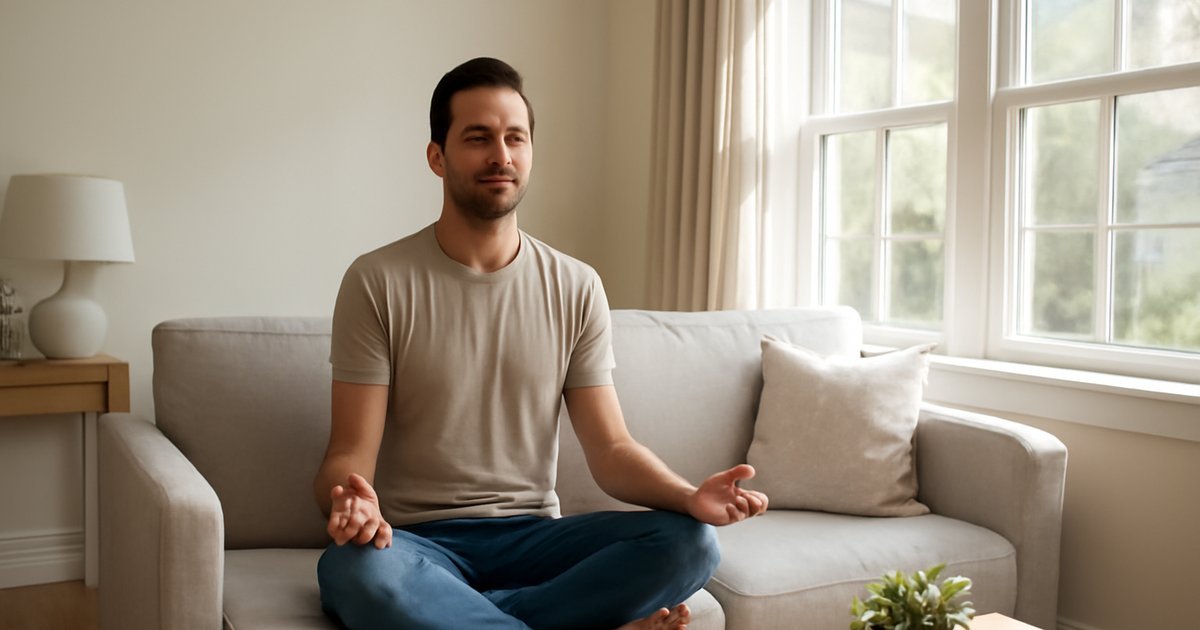

  • Mindfulness for Stress: Practical Steps That Actually Work

    Mindfulness for Stress: Practical Steps That Actually Work

    Mindfulness for Stress: Practical Steps That Actually Work

    You don’t need an app, a meditation cushion, or an hour of silence — just a few honest minutes and a willingness to try something different.

    It’s 3 PM on a Tuesday, your inbox has 47 unread messages, your shoulders are somewhere near your ears, and someone just asked you to "jump on a quick call." Sound familiar? Chronic stress has become so woven into everyday American life that most people don’t even recognize it as stress anymore — they just call it "Tuesday."

    According to the American Psychological Association’s most recent Stress in America survey, more than 75% of US adults report experiencing moderate to high levels of stress — and nearly half say stress has negatively affected their physical health. That’s not a productivity problem. That’s a public health issue hiding in plain sight.

    Mindfulness-based stress management has moved from fringe wellness practice to one of the most clinically validated tools for reducing anxiety, improving focus, and reclaiming a sense of calm in a noisy world. But there’s a lot of confusion about what mindfulness actually is, how to do it, and why most people quit before it works.

    This guide cuts through the noise. You’ll get real science, practical techniques, common pitfalls, and a clear path forward — whether you’re a total beginner or someone who tried mindfulness once, got bored, and moved on.

    Why Mindfulness for Stress Management Matters More Than You Think

    Stress is not just an emotional inconvenience — it’s a physiological cascade. When your brain perceives a threat (real or imagined), your hypothalamus triggers a release of cortisol and adrenaline. Your heart rate climbs, digestion slows, and your prefrontal cortex — the part responsible for clear thinking and decision-making — becomes less active. Your body is literally designed to prioritize survival over strategy when you’re stressed.

    The problem? Modern stressors — deadlines, social media, financial pressure, relationship friction — don’t have an "off switch." Unlike our ancestors who stressed about predators and then returned to calm, we stress about emails at midnight and work presentations during dinner. The system designed to save us from threats is now running on a near-constant low hum, and over time, that takes a serious toll.

    Research published in JAMA Internal Medicine analyzed 47 clinical trials involving mindfulness meditation and found clinically meaningful improvements in anxiety, depression, and pain. The study noted that mindfulness produced moderate evidence of improvement in stress — comparable to the effects seen with antidepressant medications in mild-to-moderate cases, without the side effects.

    More importantly for your daily life: mindfulness doesn’t require you to clear your schedule. Even brief, consistent practice reshapes how your nervous system responds to stressors over time. You don’t become stress-free. You become more resilient to stress — and there’s a meaningful difference.

    The Science Behind Mindfulness: How It Actually Works

    Here’s the myth worth busting first: mindfulness is not about emptying your mind. That’s one of the biggest misconceptions that causes people to quit early. Your brain generates thousands of thoughts per day — expecting them to stop is like expecting your heart to stop beating during meditation. The practice is about noticing your thoughts without getting tangled in them.

    Neurologically, mindfulness practice has measurable effects on brain structure and function. A landmark study out of Harvard — published in Psychiatry Research — found that participants who completed an eight-week Mindfulness-Based Stress Reduction (MBSR) program showed increased gray matter density in the hippocampus (associated with memory and emotional regulation) and decreased gray matter density in the amygdala (the brain’s alarm center). In plain terms: regular mindfulness practice literally quiets the part of your brain that triggers panic responses.

    The mechanism works through what researchers call "attentional regulation." By repeatedly bringing your focus back to the present moment — a breath, a sound, a sensation — you’re training your brain to interrupt automatic thought loops. Over weeks and months, that becomes your default. You start catching the spiral before it swings.

    There’s also strong evidence for what mindfulness does to cortisol. A meta-analysis published in the journal Health Psychology Review found that mindfulness-based interventions significantly reduced salivary cortisol levels in healthy adults under stress. Lower cortisol means better sleep, improved immune function, and less systemic inflammation — all of which compound positively over time.

    One important caveat: results vary based on frequency, consistency, and individual baseline. People dealing with trauma, clinical anxiety, or PTSD may find mindfulness more challenging and should work with a licensed therapist who specializes in trauma-informed approaches before diving in independently.

    How to Get Started: Practical Mindfulness Steps for Real People

    You don’t need to meditate for 45 minutes at sunrise. Research supports even five to ten minutes of daily practice producing measurable benefits over eight weeks. Here’s how to build the habit without making it another thing on your to-do list.

    Beginner Level: Start Where You Are

    1. Try the 5-4-3-2-1 grounding technique. When stress spikes, name 5 things you see, 4 you can touch, 3 you can hear, 2 you can smell, 1 you can taste. This activates your senses and pulls your nervous system out of fight-or-flight mode within minutes.
    2. Start with a one-minute breath focus. Set a timer for 60 seconds. Breathe in for 4 counts, hold for 4, exhale for 6. Repeat. That’s it. Do this once in the morning before you check your phone.
    3. Practice "mindful transitions." Before switching tasks — closing your laptop, walking from one room to another, sitting down for a meal — pause for three slow breaths. This creates micro-recovery moments throughout your day. You can also pair this with structured breathwork techniques to deepen the effect.

    Intermediate Level: Building a Practice

    1. Use a body scan. Spend 10 minutes lying down or seated, slowly moving your attention from your feet to the top of your head. Notice tension, warmth, or discomfort without trying to fix it. This activates the parasympathetic nervous system and is especially effective before bed. Pairing this with strong sleep hygiene habits can significantly reduce nighttime cortisol spikes.
    2. Try MBSR-style seated meditation. Eight to ten minutes of focused breathing with guided return to the breath whenever your mind wanders. Apps like Insight Timer or Calm offer free beginner programs worth exploring.
    3. Journal for two minutes post-session. Write what you noticed. This adds cognitive processing to somatic practice and reinforces the habit loop.

    Advanced Level: Integration and Depth

    1. Attend a Mindfulness-Based Stress Reduction (MBSR) program. The original eight-week curriculum developed by Dr. Jon Kabat-Zinn at the University of Massachusetts Medical School is available online and in-person across the US. Clinical evidence for MBSR is among the strongest in the field.
    2. Practice open monitoring meditation. Rather than focusing on one anchor (like breath), observe the entire field of consciousness — thoughts, sounds, feelings — without latching onto any one thing. This requires more experience but produces deeper attentional flexibility.

    Common Mistakes That Sabotage Mindfulness Progress

    Most people don’t fail at mindfulness because they’re doing it wrong. They fail because they’ve been set up with unrealistic expectations. Here are the most common traps — and how to get out of them.

    Mistake 1: Judging yourself for having thoughts. The whole practice is about noticing thoughts, not eliminating them. When you catch yourself thinking during meditation and feel frustrated, you’ve actually succeeded — you noticed. The return to focus IS the exercise. Think of it as a mental rep, not a failure.

    Mistake 2: Inconsistency masked as "waiting for the right moment." The research on mindfulness is clear: frequency matters more than duration. Three minutes daily beats thirty minutes once a week. Anchor your practice to an existing habit — morning coffee, brushing teeth, the commute home — so it stops needing willpower to initiate.

    Mistake 3: Expecting immediate results. Neurological change takes time. Studies typically show meaningful outcomes after six to eight weeks of consistent daily practice. Many people quit around week two or three because they don’t feel different yet — right before the compounding effects begin. Set a realistic 60-day trial before evaluating whether it’s working.

    Mistake 4: Treating it as a crisis tool only. Mindfulness is most effective as a daily maintenance habit, not just an emergency response. If you only try to meditate when you’re already in crisis mode, the practice is much harder and the results are inconsistent. Build the foundation when the weather is calm.

    Mistake 5: Skipping the body. Mindfulness isn’t purely mental. Stress lives in the body — tense shoulders, shallow breathing, clenched jaw. Practices that integrate body awareness, like progressive muscle relaxation or the body scan, tend to produce faster relief for people with high physical stress responses. Don’t skip the somatic layer.

    What to Eat (and Avoid) to Support Your Stress Response

    Mindfulness works even better when your nervous system has the nutritional raw materials it needs to self-regulate. Stress depletes certain nutrients rapidly — and most Americans aren’t getting enough of them to begin with.

    Prioritize these:

    • Magnesium-rich foods: Magnesium plays a direct role in regulating the hypothalamic-pituitary-adrenal (HPA) axis — the stress response system. The USDA reports that nearly half of US adults consume less than the recommended daily amount (310-420 mg). Load up on dark leafy greens, pumpkin seeds, black beans, and almonds.
    • Omega-3 fatty acids: A study published in JAMA Network Open found that omega-3 supplementation reduced perceived stress and inflammation markers in medical students during high-stress periods. Fatty fish (salmon, sardines, mackerel), walnuts, and flaxseed are top sources. Aim for at least two servings of fatty fish per week, per American Heart Association guidelines.
    • Fermented foods: The gut-brain connection is real and research-backed — your gut produces roughly 90% of your body’s serotonin. A diverse microbiome supports emotional resilience. Include yogurt with live cultures, kefir, kimchi, and sauerkraut regularly. You can learn more about how this connection works in our deep dive on the gut-brain connection and mood.
    • Complex carbohydrates: Oats, sweet potatoes, and whole grains support steady serotonin production and prevent blood sugar swings that amplify stress reactivity.

    Limit or avoid:

    • Caffeine after 2 PM: Caffeine has a half-life of five to six hours and can elevate cortisol and disrupt sleep architecture — compounding next-day stress reactivity.
    • Ultra-processed foods and added sugars: These drive systemic inflammation, which research increasingly links to anxiety and mood instability. The Academy of Nutrition and Dietetics recommends limiting added sugars to less than 10% of total daily calories.
    • Alcohol as a coping mechanism: While alcohol may feel like it reduces stress in the short term, it disrupts REM sleep and elevates cortisol levels the following day — creating a stress rebound effect.

    How Long Until You See Results — and What to Track

    Mindfulness is not a quick fix, but it’s also not as slow as people assume. Here’s a realistic timeline based on research:

    Week 1-2: You’ll likely feel more aware of how stressed you actually are — which can initially feel worse. This is normal. Awareness precedes change.

    Week 3-4: Many people begin noticing they catch stress earlier — before it spirals. Sleep may start to feel slightly more restorative. Reactions to common stressors may feel less automatic.

    Week 6-8: This is when most clinical studies observe statistically significant reductions in perceived stress, anxiety symptoms, and cortisol levels. Consistency through this window is the critical variable.

    What to track:

    • Perceived Stress Scale (PSS) — a validated 10-question self-report tool available free online; complete it at baseline and again at 30 and 60 days
    • Sleep quality — note how quickly you fall asleep and whether you wake at night
    • Physical tension markers — jaw, shoulders, chest tightness before and after sessions
    • Reactivity events — track how often a stressor triggers a disproportionate response

    When to reassess or seek professional help: If after eight to ten weeks of consistent practice you see no improvement — or if your stress is accompanied by persistent panic attacks, inability to function at work, or physical symptoms — it’s time to consult a licensed therapist, particularly one trained in Mindfulness-Based Cognitive Therapy (MBCT) or MBSR.

    Frequently Asked Questions

    Q: Is mindfulness the same as meditation?
    Mindfulness is the broader capacity to maintain present-moment awareness. Meditation is one of the most effective tools for developing it — but mindfulness can also be practiced while walking, eating, or doing dishes. Think of meditation as formal training and mindfulness as the skill you take everywhere.

    Q: Can mindfulness actually help with physical stress symptoms like headaches or muscle tension?
    Yes, and research supports this. Mayo Clinic notes that mindfulness-based stress reduction has shown effectiveness for tension headaches, chronic pain, and somatic symptoms related to stress. The body-scan practice in particular targets physical tension patterns directly.

    Q: How long should I meditate each day to see results?
    Research suggests as little as five to ten minutes daily can produce meaningful benefits over six to eight weeks. The key variable is consistency, not duration. Starting small and building gradually outperforms starting with ambitious sessions that you can’t maintain.

    Q: Does mindfulness work for everyone?
    Most people benefit, but individual results vary significantly. People with a history of trauma, dissociation, or certain anxiety disorders may find some mindfulness practices activating rather than calming. A trauma-informed approach — ideally with professional guidance — is advisable in those cases.

    Q: What’s the difference between mindfulness and just "relaxing"?
    Relaxation reduces arousal in the moment. Mindfulness trains your brain to change how it responds to stressors over time. Watching TV may help you unwind, but it doesn’t build the attentional regulation and emotional resilience that consistent mindfulness practice develops neurologically.

    You Don’t Have to Overhaul Your Life to Start

    Here’s the truth about mindfulness: the version that actually works isn’t the Instagram-perfect version with candles and silence and two hours of free time. It’s the three-minute version you do consistently, on a Tuesday, when everything feels like too much.

    Start with one technique from this guide. Practice it daily for two weeks before adding anything else. Track how you feel — not against some ideal, but against where you started. Small, consistent steps compound into genuine resilience, and resilience is what makes the hardest days manageable.

    Your next step? Choose one beginner technique from the list above and practice it tomorrow morning before you check your phone. That’s it. That’s the whole plan for today.


    This article is for informational and educational purposes only. The content is not intended to replace professional medical, nutritional, or fitness advice. Always consult a qualified healthcare provider, registered dietitian, or certified fitness professional before starting a new health program or making significant changes to your lifestyle.

    Content reviewed by our wellness editorial team, with references to peer-reviewed research and guidelines from leading health organizations.

  • Mastering Breathwork: Your Guide to Calming Stress

    Mastering Breathwork: Your Guide to Calming Stress

    Feeling overwhelmed by life”s relentless pace? The simplest, most powerful tool for stress relief might be one you already possess.

    In our constantly connected world, it”s easy to feel like stress is an unavoidable companion. Deadlines pile up, notifications ping incessantly, and the mental to-do list seems to grow longer with every passing hour. If you”ve ever found yourself with a racing heart, shallow breaths, or that familiar knot of tension in your stomach, you”re not alone. The American Psychological Association, in a landmark report (when it released its findings on stress in America), revealed that a significant majority of adults regularly experience symptoms of stress.

    Many of us try to manage stress through external means: unwinding with a show, venting to a friend, or even reaching for comfort food. While these can offer temporary distraction, they often don”t address the root physiological response to stress. What if the most effective, immediate, and free tool for calm was already within you, just waiting to be consciously utilized?

    This article will demystify breathwork, transforming it from a vague concept into a concrete, actionable practice. You”ll learn the science behind why intentional breathing is so powerful, discover practical techniques you can start today, and gain the tools to integrate breathwork into your busy life for lasting calm and resilience. Let”s unlock the profound potential of your breath.

    Why Breathwork Matters More Than You Think

    Stress isn”t just a feeling; it”s a complex physiological reaction designed for survival. In moments of perceived threat, your body triggers the “fight or flight” response, flooding your system with hormones like cortisol and adrenaline. This response, while vital in ancient times, is often overactive in modern life, triggered by traffic jams or overflowing inboxes rather than genuine danger.

    Chronic stress, when this fight-or-flight system is constantly engaged, takes a heavy toll. It can impact everything from your heart health and immune system to your digestion and cognitive function. Research published in reputable journals like JAMA has consistently linked chronic stress to an increased risk of various health issues, including cardiovascular disease and metabolic syndrome.

    Breathwork offers a direct pathway to interrupt this cycle. By consciously controlling your breath, you send a powerful signal to your brain that you are safe, activating your parasympathetic nervous system – the “rest and digest” response. This simple, yet profound, action can lower your heart rate, reduce blood pressure, and decrease the production of stress hormones, bringing your body and mind back into balance.

    The Science Behind How Breathwork Actually Works

    At the heart of breathwork”s effectiveness is its direct influence on the autonomic nervous system (ANS), specifically the vagus nerve. The vagus nerve is a superhighway of communication between your brain and many of your body”s vital organs, playing a crucial role in regulating mood, immune response, digestion, and heart rate.

    When you engage in slow, deep, diaphragmatic breathing (also known as belly breathing), you stimulate the vagus nerve. This stimulation triggers the parasympathetic nervous system, shifting your body out of its stress-induced “fight or flight” state and into a state of calm and relaxation. This isn”t just anecdotal; clinical studies, such as those often highlighted by Harvard Health Publishing, demonstrate how controlled breathing exercises can significantly improve heart rate variability (HRV), a key indicator of vagal tone and overall resilience to stress.

    A common myth is that “just breathing deep” is enough. While any deep breath is better than shallow chest breathing, effective breathwork involves specific patterns and durations that maximize this vagal stimulation. For instance, extending your exhale sends a stronger signal to the vagus nerve, further promoting relaxation. It”s not just about filling your lungs, but about the rhythm and control you apply to the process.

    How to Get Started: Practical Breathwork Steps

    Ready to harness the power of your breath? Start with these techniques, moving from beginner-friendly to slightly more advanced options as you gain comfort and confidence.

    Beginner: Diaphragmatic (Belly) Breathing

    This foundational technique engages your diaphragm, a muscle crucial for deep, efficient breathing, often underutilized in stressed individuals.

    • How to do it:
    • Lie on your back with knees bent or sit comfortably upright. Place one hand on your chest and the other on your abdomen.
    • Inhale slowly through your nose for a count of 4, feeling your abdomen rise (the hand on your chest should remain relatively still).
    • Exhale slowly through your mouth (or nose) for a count of 6, feeling your abdomen fall. Gently contract your abdominal muscles to push out the last bit of air.
    • Repeat for 5-10 minutes.
    • Why it works: Directly stimulates the vagus nerve and encourages full oxygen exchange, signaling calm to your brain.

    Intermediate: Box Breathing (4-4-4-4)

    Popularized by military special forces for its ability to enhance focus and manage stress under pressure, box breathing brings a structured rhythm to your practice.

    • How to do it:
    • Sit in a comfortable position, spine straight.
    • Exhale completely to empty your lungs.
    • Inhale slowly through your nose for a count of 4.
    • Hold your breath for a count of 4.
    • Exhale slowly through your mouth for a count of 4.
    • Hold your breath for a count of 4.
    • Repeat this cycle for 5-10 minutes.
    • Why it works: The deliberate pauses create a strong mental anchor, breaking the cycle of anxious thoughts and regulating heart rate.

    Advanced: 4-7-8 Breathing

    Developed by Dr. Andrew Weil, this technique is often recommended for those struggling with sleep or acute anxiety, but it requires a bit more practice.

    • How to do it:
    • Place the tip of your tongue against the ridge of tissue just behind your upper front teeth, and keep it there through the entire breathing sequence.
    • Exhale completely through your mouth, making a “whoosh” sound.
    • Close your mouth and inhale quietly through your nose to a mental count of 4.
    • Hold your breath for a count of 7.
    • Exhale completely through your mouth, making a “whoosh” sound, to a count of 8.
    • This is one breath. Inhale again and repeat the cycle three more times for a total of four breaths.
    • Why it works: The extended exhale profoundly activates the parasympathetic nervous system, inducing a deep state of relaxation.
    • Caution: Some people may feel lightheaded initially. Start with fewer rounds if this occurs.

    Common Mistakes That Sabotage Breathwork Results

    Even with the best intentions, it’s easy to fall into traps that limit the effectiveness of your breathwork practice. Acknowledging these common errors is the first step toward correcting them.

    1. Trying Too Hard or Forcing the Breath

      Why it happens: We often approach new practices with a “more is better” mindset, thinking that if we just push harder, we”ll get results faster. With breathwork, this can lead to tension and hyperventilation, negating the calming effects.

      How to fix it: Remember that breathwork is about gentle guidance, not forceful manipulation. Ease into the inhales and exhales. If you feel any strain or lightheadedness, pause, return to natural breathing, and then restart with less effort. The goal is relaxation, not a performance.

    2. Expecting Instant Miracles with a Single Session

      Why it happens: In our instant-gratification culture, we hope for immediate, dramatic shifts. While breathwork can provide acute relief, expecting a single session to erase years of stress is unrealistic.

      How to fix it: Frame breathwork as a cumulative practice, similar to building muscle or learning a new skill. Each session builds upon the last. Appreciate the subtle shifts – a moment of calm, a slight reduction in tension – rather than waiting for a complete overhaul. Consistency over intensity is key.

    3. Shallow Chest Breathing Instead of Diaphragmatic

      Why it happens: Many of us are habitual chest breathers, especially when stressed. This shallow breathing is inefficient and keeps the body in a low-level state of alarm, as it”s characteristic of the fight-or-flight response.

      How to fix it: Regularly check in with your breath throughout the day. Place a hand on your belly and observe. If it”s not moving much with your inhales, consciously direct your breath lower. Practice diaphragmatic breathing (as described above) daily until it starts to become your default. The American College of Sports Medicine (ACSM) often emphasizes the importance of proper breathing mechanics for overall health and performance.

    4. Inconsistent Practice and Giving Up Too Soon

      Why it happens: Life gets busy, and it”s easy to deprioritize seemingly simple practices like breathing. If immediate dramatic results aren”t felt, it”s tempting to think it “doesn”t work.”

      How to fix it: Integrate breathwork into your daily routine. Set a reminder, link it to an existing habit (e.g., “after my morning coffee” or “before bed”), or use it as a micro-break during work. Even 2-5 minutes of intentional breathing can make a difference. Think of it as a small, consistent deposit into your well-being bank.

    Lifestyle Factors That Amplify Breathwork Benefits

    While breathwork is incredibly powerful on its own, integrating it into a holistic wellness approach can significantly enhance its effects and your overall stress resilience. Think of these as supportive pillars for your breathwork practice.

    Mindful Movement

    Activities like walking, yoga, tai chi, or gentle stretching not only reduce physical tension but also improve body awareness, which is crucial for effective breathwork. Moving your body can naturally deepen your breath and prepare your nervous system for relaxation. A regular strength training routine can also contribute to overall resilience, indirectly supporting your ability to manage stress.

    Quality Sleep

    Poor sleep can amplify stress and make breathwork feel less effective. Prioritizing restful sleep allows your nervous system to reset and repair. Practices like deep breathing before bed can be an excellent way to transition into sleep. For more tips, explore our guide on Sleep Hygiene Habits.

    Balanced Nutrition

    While there isn’t a specific diet *for* breathwork, a diet rich in whole, unprocessed foods supports overall physiological health, which in turn enhances your body”s ability to cope with stress. Foods rich in magnesium (leafy greens, nuts), omega-3 fatty acids (fatty fish), and B vitamins can help regulate nervous system function. Consider an anti-inflammatory diet to further support overall well-being and reduce systemic stress.

    Mindful Hydration

    Dehydration can contribute to fatigue and irritability, which are stressors in themselves. Ensuring adequate water intake throughout the day helps all bodily functions, including cellular processes that support nervous system health. The USDA Dietary Guidelines consistently highlight the importance of proper hydration for overall health.

    How Long Until You See Results & What to Track

    One of the most appealing aspects of breathwork is its immediate impact. You can often feel a sense of calm and relaxation within minutes of starting a session. However, the true, lasting benefits—like improved stress resilience and a more balanced nervous system—develop over time with consistent practice.

    Realistic Timelines:

    • Immediate: Reduced heart rate, a sense of calm, increased focus.
    • Days to Weeks: Noticeable reduction in daily stress levels, improved mood, better sleep quality, and a greater ability to manage acute stressors.
    • Months: Significant enhancement in overall stress resilience, a more stable nervous system, and a greater sense of inner peace. Your baseline stress response may shift, making you less reactive to challenging situations.

    What to Track:

    • Subjective Mood Journal: Each day, quickly note your overall stress level (e.g., on a scale of 1-10) and your general mood before and after breathwork. Over time, you”ll see patterns and improvements.
    • Physical Sensations: Pay attention to your body. Do you feel less muscle tension? Is your jaw unclenched? Is your breathing naturally deeper?
    • Sleep Quality: Track how well you sleep. Many find that consistent breathwork significantly improves sleep. (See our article on Sleep Hygiene Habits for more detailed tracking methods).
    • Heart Rate Variability (HRV): For the more technologically inclined, wearable devices can track HRV, a metric that reflects the health and balance of your autonomic nervous system. An increase in HRV often correlates with better stress resilience.

    If you find that despite consistent practice, your stress levels remain unmanageable, or if you”re experiencing severe anxiety or panic attacks, it”s important to seek guidance from a qualified healthcare provider or mental health professional. Breathwork is a powerful tool, but it is one component of a comprehensive approach to well-being.

    Frequently Asked Questions

    Is breathwork the same as meditation?

    While closely related, breathwork and meditation are distinct. Breathwork uses specific breathing patterns to influence your physiological state, often as a prelude to or a form of meditation. Meditation typically focuses on sustained awareness, often using the breath as an anchor, but not always manipulating its pattern.

    Can I do breathwork anywhere?

    Absolutely! One of the greatest advantages of breathwork is its portability. You can practice discreetly at your desk, in your car while waiting, or even in a crowded space. The key is to find a moment of stillness and focus on your breath.

    How often should I practice breathwork for best results?

    For foundational techniques like diaphragmatic breathing, aiming for 5-10 minutes daily can yield significant benefits. For more advanced techniques, shorter, more frequent sessions (e.g., 2-3 minutes, several times a day) can also be highly effective. Consistency is more important than duration.

    Are there any risks associated with breathwork?

    Generally, mindful breathwork is very safe. However, some advanced or intense techniques can cause temporary lightheadedness, tingling, or emotional releases. Always listen to your body, start slowly, and if you have any pre-existing medical conditions (like severe respiratory or cardiovascular issues), consult your doctor before beginning a new practice.

    What if I find it hard to focus on my breath?

    It”s entirely normal for your mind to wander, especially when you”re new to breathwork. Don”t get frustrated. Simply notice when your mind has strayed and gently guide your attention back to your breath. Each time you redirect your focus, you”re strengthening your mental muscle for presence and calm.

    Conclusion

    The power to manage stress, enhance focus, and cultivate inner peace lies literally at your fingertips – or rather, in your breath. Breathwork isn”t a fleeting wellness trend; it”s a timeless, evidence-backed practice that offers an immediate and profound pathway to regulate your nervous system and reclaim your calm amidst life”s inevitable pressures. Remember, mastery isn”t about perfection; it”s about consistent, gentle effort. Even a few minutes a day can begin to rewire your stress response, fostering greater resilience and well-being. Take a deep breath right now, and begin your journey to a calmer, more centered you.

    WELLNESS DISCLAIMER
    This article is for informational and educational purposes only. The content is not intended to replace professional medical, nutritional, or fitness advice. Always consult a qualified healthcare provider, registered dietitian, or certified fitness professional before starting a new health program or making significant changes to your lifestyle.

    AUTHOR LINE
    Content reviewed by our wellness editorial team, with references to peer-reviewed research and guidelines from leading health organizations.