
Tag: anti-inflammatory diet

  • Joint Health After 40: How to Protect Your Cartilage

    Joint Health After 40: How to Protect Your Cartilage

    Joint Health After 40: How to Protect Your Cartilage for Life

    You don't have to accept stiff, achy joints as your new normal — science says you have more control than you think.

    You wake up in the morning and your knees protest the first few steps. You reach for something on a high shelf and your shoulder reminds you it's been there longer than you realize. Sound familiar? You're not alone — and more importantly, you're not powerless.

    According to the Centers for Disease Control and Prevention (CDC), more than 58 million American adults live with arthritis or related joint conditions, and that number is expected to climb as the population ages. But here's what most people don't know: the joint discomfort you feel in your 40s, 50s, or 60s is rarely a sudden development. It's the result of years of wear, inflammation, and habits — and that means it's also something you can meaningfully influence.

    This guide is about joint health and cartilage preservation — what's actually happening inside your joints as you age, what the research says about slowing that process, and what you can do starting today to protect your mobility for decades to come.

    Whether you're already feeling some stiffness or simply want to stay ahead of the curve, the strategies here are practical, evidence-backed, and designed for real life.

    Why Joint Health Matters More Than You Think After 40

    Most people treat joint pain as a nuisance rather than a signal. But your joints — especially the cartilage that cushions them — are telling you something important about the state of your overall health and aging trajectory.

    Cartilage is a smooth, rubbery connective tissue that covers the ends of your bones inside each joint. It acts as a shock absorber and allows bones to glide past each other with minimal friction. The problem? Cartilage has almost no blood supply, which means it can't repair itself the way muscles or skin can. Once it's damaged, recovery is limited — which is exactly why protecting it before significant damage occurs is so critical.

    Research published in the journal Arthritis & Rheumatology found that cartilage loss begins measurably in many people as early as their late 30s, accelerating through the 40s and 50s if lifestyle factors aren't addressed. Chronic low-grade inflammation, sedentary behavior, poor nutrition, and excess body weight are among the leading drivers of premature cartilage breakdown.

    Beyond pain and stiffness, declining joint health affects your balance, your ability to exercise, your sleep quality, and your independence as you age. Protecting your joints isn't just about comfort — it's about preserving your quality of life.

    The Science Behind Cartilage: How It Actually Works (And Why It Wears Down)

    Here's a common misconception worth addressing right away: joint pain is not simply caused by "getting older." Age is a factor, but it's not the whole story. Many 70-year-olds have healthier joints than sedentary 45-year-olds. The difference comes down to lifestyle, inflammation levels, and how well cartilage has been maintained over time.

    Cartilage is made up primarily of water, collagen (mainly type II), and proteoglycans — large molecules that attract and retain water, giving cartilage its cushioning properties. As we age, the cells responsible for maintaining cartilage (called chondrocytes) become less active and less effective at producing these key components.

    Compounding this, systemic inflammation — driven by poor diet, excess adipose tissue, chronic stress, and inadequate sleep — releases enzymes called matrix metalloproteinases (MMPs) that actively break down cartilage matrix. A landmark study published in JAMA found that individuals with elevated inflammatory markers had significantly faster rates of cartilage degradation compared to those with lower inflammation levels.

    The myth that you should avoid exercise to "protect your joints" is also worth busting here. The American College of Sports Medicine (ACSM) has long established that appropriate, low-impact movement is essential for joint health. Cartilage is nourished through compression and movement — it absorbs nutrients from synovial fluid, which is pumped into the joint during activity. Inactivity, paradoxically, accelerates cartilage deterioration.

    How to Start Protecting Your Joints: Practical Steps for Every Level

    The good news is that joint health is highly modifiable. Here's a tiered approach — whether you're starting from scratch or looking to level up your current routine.

    Beginner Level

    • Start with daily movement: Aim for at least 20-30 minutes of low-impact activity most days. Walking, swimming, and cycling are excellent starting points. These activities load the joints enough to stimulate cartilage nutrition without excessive wear.
    • Prioritize gentle range-of-motion exercises: Simple daily stretches — shoulder rolls, ankle circles, knee bends — maintain joint mobility and prevent stiffness from setting in.
    • Address body weight: Each pound of excess body weight places approximately 4 pounds of additional stress on the knee joint, according to research from Johns Hopkins Medicine. Even modest weight reduction can meaningfully reduce joint load and pain.

    Intermediate Level

    • Add resistance training 2-3 times per week: Strengthening the muscles surrounding your joints — especially the quadriceps, glutes, and core — is one of the most powerful ways to protect cartilage. Strong muscles absorb shock and reduce the force transferred directly to joint surfaces. Balance training complements this approach by improving joint proprioception and reducing injury risk.
    • Incorporate water-based exercise: Pool workouts reduce joint load while allowing a full range of motion — ideal for those who find land-based exercise painful.
    • Optimize your anti-inflammatory habits: Poor sleep, chronic stress, and a diet high in ultra-processed foods all drive systemic inflammation that targets joint tissue. Addressing these areas compounds the benefits of physical activity.

    Advanced Level

    • Work with a physical therapist: Personalized joint assessments can identify movement compensations that quietly damage cartilage over time. A certified PT can correct gait abnormalities, strengthen weak stabilizers, and design a program specific to your joint history.
    • Track your inflammatory load: Ask your physician about inflammatory markers such as CRP (C-reactive protein) and ESR. Elevated levels warrant a more targeted lifestyle response and possible clinical evaluation.

    Common Mistakes That Sabotage Joint Health

    Even well-intentioned people make these mistakes — and they're easier to fix than you might expect.

    Mistake #1: Doing too much, too soon. Starting an intense exercise program after a long period of inactivity is one of the most common causes of joint injury. Cartilage and connective tissue adapt more slowly than cardiovascular fitness or muscle strength. Ramping up intensity too quickly overloads joints before supporting structures are ready. Fix it: Follow the 10% rule — increase your total weekly activity volume by no more than 10% per week.

    Mistake #2: Skipping strength training because of joint pain. Many people avoid resistance exercise when they feel joint discomfort, assuming it will make things worse. In most cases, the opposite is true. Muscle weakness is a primary driver of joint instability and pain. Fix it: Start with bodyweight exercises or resistance bands, focus on slow controlled movements, and avoid exercises that produce sharp (not dull) joint pain.

    Mistake #3: Ignoring nutrition's role. Diet directly influences systemic inflammation, collagen synthesis, and joint fluid composition. Eating a diet high in refined carbohydrates, trans fats, and added sugars — while low in antioxidants and omega-3s — creates the biochemical environment where cartilage breaks down faster. Fix it: Treat your diet as part of your joint health strategy, not a separate health conversation. Excess sugar doesn't just harm your gut — it contributes to inflammation throughout the body, including inside your joints.

    Mistake #4: Relying solely on pain medication. NSAIDs like ibuprofen can temporarily reduce joint inflammation and pain, but long-term reliance masks symptoms without addressing underlying causes — and may have gastrointestinal and cardiovascular side effects over time. Fix it: Use pain management as a short-term tool, not a long-term strategy, and pair it with lifestyle changes that address root causes.

    What to Eat (and Avoid) for Healthier Joints

    Your diet is one of the most powerful levers you have for joint health, largely because of its direct effect on systemic inflammation and collagen synthesis.

    Prioritize these foods:

    • Fatty fish (2-3 servings/week): Salmon, mackerel, and sardines are rich in EPA and DHA omega-3 fatty acids, which the NIH recognizes as having anti-inflammatory properties that may reduce joint pain and stiffness. This is consistent with USDA Dietary Guidelines recommending at least 8 oz of seafood weekly for adults.
    • Colorful vegetables and berries: Anthocyanins in blueberries, cherries, and red cabbage, as well as quercetin in onions and apples, have demonstrated anti-inflammatory activity in research published in the Journal of Nutrition. Aim for 5+ cups of vegetables and fruit daily.
    • Bone broth and collagen-rich foods: While the research on oral collagen supplementation is still evolving, a 2019 study in Nutrients found that collagen peptide supplementation was associated with reduced joint pain in active adults over 24 weeks. Bone broth provides natural collagen precursors along with glycine and proline.
    • Extra virgin olive oil: Contains oleocanthal, a compound that acts similarly to ibuprofen in blocking inflammation pathways. Use 1-2 tablespoons daily as your primary cooking fat.
    • Vitamin C-rich foods: Collagen synthesis requires vitamin C as a cofactor. Bell peppers, citrus fruits, kiwi, and strawberries are excellent sources. The Academy of Nutrition and Dietetics recommends meeting your vitamin C needs through food first.

    Reduce or avoid:

    • Ultra-processed foods high in refined sugars and trans fats
    • Excess red meat and processed meats (associated with elevated uric acid and inflammatory markers)
    • Alcohol in large quantities — it promotes systemic inflammation and interferes with nutrient absorption
    • High-sodium packaged foods, which may worsen joint fluid retention and swelling

    How Long Until You See Results — and What to Track

    Realistic expectations matter here. Joint health improvements are gradual, and results depend significantly on your starting point, age, and consistency.

    Short-term (2-6 weeks): You may notice reduced morning stiffness and improved range of motion, especially if you add daily movement and reduce inflammatory foods. Sleep quality often improves alongside joint comfort, since pain is a major disruptor of restorative sleep.

    Medium-term (3-6 months): Consistent strength training during this period often produces meaningful reductions in joint pain, particularly in the knees and hips. Research from the ACSM suggests that 12-24 weeks of targeted resistance training can reduce knee osteoarthritis pain by 30-50% in some individuals — though results vary significantly based on severity and adherence.

    Long-term (6-12+ months): The cumulative effects of anti-inflammatory nutrition, consistent movement, and body weight optimization can substantially slow cartilage loss and delay or prevent the progression of early joint degeneration.

    What to track:

    • Morning stiffness duration (note improvements week to week)
    • Range of motion in key joints (how far can you comfortably squat, rotate your shoulder, flex your ankle?)
    • Pain levels during and after activity using a simple 1-10 scale
    • Body weight trends (if applicable)
    • CRP or inflammatory markers at your next annual physical

    If you experience sharp, sudden joint pain, significant swelling, warmth around a joint, or no improvement after 8-12 weeks of consistent effort, consult your physician. These may signal conditions requiring clinical evaluation beyond lifestyle management.

    Frequently Asked Questions About Joint Health

    Can cartilage actually regenerate once it's damaged?
    Unfortunately, mature cartilage has very limited regenerative capacity due to its poor blood supply. Emerging therapies like PRP (platelet-rich plasma) and stem cell treatments are being studied, but the strongest evidence remains for prevention and slowing progression. This is why protecting cartilage before significant damage occurs is so important.

    Is glucosamine and chondroitin worth taking for joint health?
    The evidence is mixed. The large-scale GAIT trial (Glucosamine/Chondroitin Arthritis Intervention Trial), funded by the NIH, found modest benefits for a subset of patients with moderate-to-severe knee pain, but no significant benefit for mild pain overall. Some individuals report meaningful relief while others experience none. It's generally considered safe, but consult your physician before adding it to your routine.

    Does cold or damp weather really make joint pain worse?
    Many people report exactly this, and there is some scientific basis for it. Changes in barometric pressure may affect joint fluid dynamics and tissue sensitivity. However, this isn't something you can control — so the focus remains on the lifestyle factors you can influence.

    Is running bad for your knees if you're over 40?
    Not necessarily. A 2017 systematic review in the Journal of Orthopaedic & Sports Physical Therapy found that recreational runners actually had lower rates of knee osteoarthritis than sedentary individuals. The key is building gradually, maintaining proper form, wearing appropriate footwear, and cross-training with lower-impact activities. Results vary depending on your individual joint health baseline.

    What's the single most impactful thing I can do for my joints right now?
    If you had to pick one: start a consistent resistance training program targeting the muscles around your knees, hips, and shoulders. Muscle strength is the best natural shock absorber your joints have — and it's never too late to build it. Pairing that with sustainable weight management habits multiplies the benefit significantly.

    Start Today — Your Future Self Will Thank You

    Joint health isn't a destination — it's a daily practice. The encouraging truth is that many of the most effective strategies are already within your reach: moving consistently, eating an anti-inflammatory diet, building strength, managing body weight, and getting quality sleep. None of these require a perfect routine or a dramatic overhaul of your lifestyle.

    What they do require is consistency over time. Small, sustainable steps taken today compound into meaningful protection for your joints tomorrow, five years from now, and well into your 60s, 70s, and beyond.

    Pick one thing from this article and start this week. Add another next week. That's how lasting joint health gets built — not in a single sprint, but in the quiet accumulation of good daily choices.


    This article is for informational and educational purposes only. The content is not intended to replace professional medical, nutritional, or fitness advice. Always consult a qualified healthcare provider, registered dietitian, or certified fitness professional before starting a new health program or making significant changes to your lifestyle.

    Content reviewed by our wellness editorial team, with references to peer-reviewed research and guidelines from leading health organizations.
  • How Sugar Destroys Your Gut Health (And How to Fix It)

    How Sugar Destroys Your Gut Health (And How to Fix It)

    You’ve been eating "pretty healthy" — but that afternoon soda, the flavored yogurt, the granola bar — they might be quietly wrecking your digestive system.

    Here’s a number that might stop you mid-snack: the average American consumes about 77 grams of added sugar per day — that’s nearly three times the American Heart Association’s recommended limit for women and almost double the limit for men. And while most people connect excess sugar to weight gain or energy crashes, fewer realize what it’s doing deep inside their gut.

    Your gut is home to trillions of microorganisms — bacteria, fungi, and other microbes — that play a direct role in your digestion, immunity, mood, and even metabolism. When sugar intake tips into excess territory, this microbial community doesn’t just get a little out of balance. It can shift in ways that fuel inflammation, digestive discomfort, and long-term health consequences.

    This guide breaks down exactly how sugar disrupts your gut health, what the research says, and — most importantly — practical steps you can take to start restoring balance without going to extremes. You don’t have to live on kale and sparkling water to protect your microbiome. You just need to understand what’s actually happening inside.

    Why Your Gut Microbiome Is More Vulnerable to Sugar Than You Think

    Your gut microbiome isn’t just a passive bystander in digestion — it’s an active ecosystem that directly influences your immune system, brain chemistry, and inflammatory responses. According to the National Institutes of Health, the human gut harbors over 1,000 species of bacteria, and the balance between beneficial and harmful strains is fragile.

    Added sugars — particularly fructose, sucrose, and high-fructose corn syrup — are rapidly fermented by certain bacterial strains in the colon. The problem isn’t fermentation itself; it’s that sugar selectively feeds harmful bacteria and yeasts, particularly Candida albicans and gram-negative bacteria like Proteobacteria, while starving the beneficial strains like Lactobacillus and Bifidobacterium.

    A 2021 study published in Cell found that diets high in sugar and processed foods significantly reduced microbiome diversity within just two weeks — faster than researchers expected. Low diversity is now one of the strongest predictors of digestive dysfunction, systemic inflammation, and even metabolic conditions.

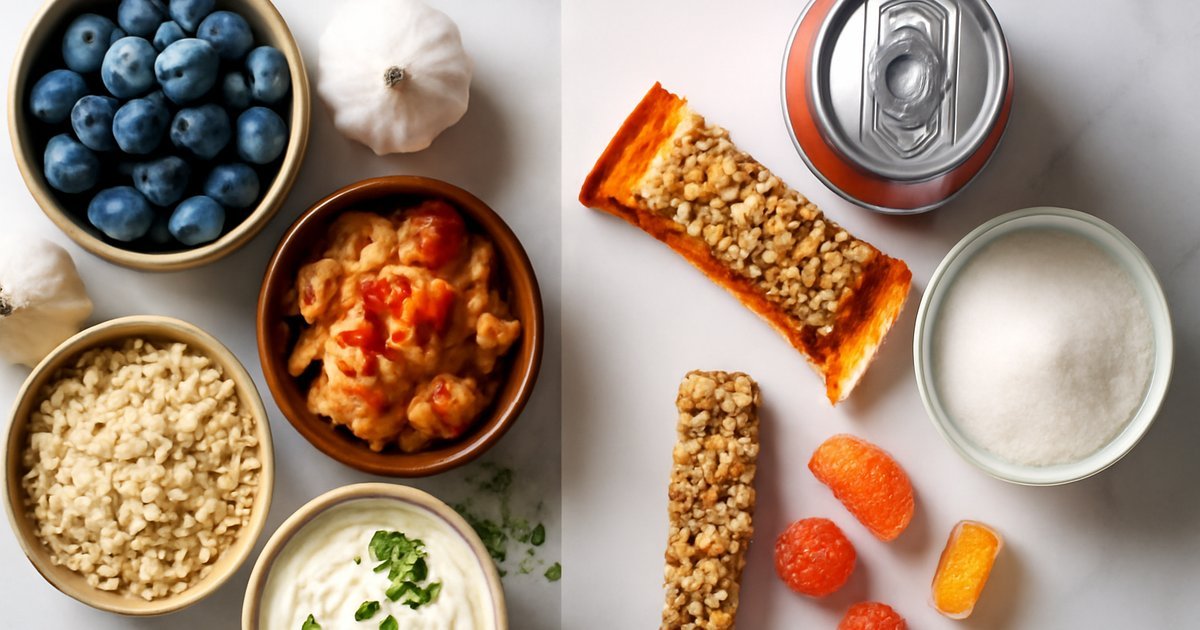
    What makes this particularly relevant to your daily life: it’s not just candy bars and soda doing the damage. Hidden sugars in salad dressings, flavored oatmeal, protein bars, and "healthy" cereals add up quickly — often without any obvious sweet taste to tip you off.

    What Excess Sugar Actually Does to Your Gut — The Science

    Understanding the mechanism helps you take this seriously — and make smarter choices. When you consume high amounts of added sugar consistently, a cascade of events unfolds in your digestive tract.

    Dysbiosis sets in. Dysbiosis is the clinical term for an imbalance in the gut microbiome — too many harmful microbes, not enough beneficial ones. Research published in Nutrients (2020) links chronic high-sugar diets to measurable dysbiosis, characterized by overgrowth of Firmicutes relative to Bacteroidetes — a ratio that has been associated with increased intestinal permeability and low-grade inflammation.

    Intestinal permeability increases. This is often called "leaky gut" in popular health media, but the clinical reality is that excess sugar can weaken the tight junctions between intestinal cells. When that barrier is compromised, bacterial byproducts like lipopolysaccharides (LPS) can enter the bloodstream and trigger systemic inflammation. Harvard Health Publishing notes that this inflammatory process has been linked to a range of conditions beyond gut discomfort, including mood disorders and insulin resistance.

    Beneficial bacteria get crowded out. Strains like Bifidobacterium thrive on fiber — specifically prebiotic fiber — not sugar. When sugar dominates your diet at the expense of fiber-rich foods, these protective strains decline. The Academy of Nutrition and Dietetics has consistently emphasized that dietary diversity — especially adequate fiber intake — is one of the most evidence-supported ways to maintain a healthy microbiome.

    One myth worth busting here: "natural sugars are totally fine in any amount." While whole fruits contain fiber that moderates how their sugars are absorbed, consuming large quantities of fruit juice, agave syrup, or honey still delivers significant fructose loads that can disrupt microbial balance in excess. Context and quantity always matter.

    How to Start Reducing Sugar Without Feeling Deprived

    The goal here isn’t perfection — it’s progress. Drastic elimination rarely sticks, and the stress of rigid dietary rules can itself affect your gut-brain axis negatively. Instead, use a phased approach.

    Step 1 — Audit your hidden sugar intake. Before cutting anything, spend 3 days reading nutrition labels on everything you eat. Look specifically for added sugars (not total sugars, which include naturally occurring ones). The USDA Dietary Guidelines recommend no more than 10% of daily calories from added sugars — about 50 grams on a 2,000-calorie diet. The American Heart Association sets it even lower: 25 grams for women, 36 grams for men.

    Step 2 — Swap strategically, not drastically. Replace flavored yogurts with plain Greek yogurt and add fresh berries. Switch from sweetened granola to rolled oats with cinnamon. Swap bottled salad dressings (often loaded with sugar) for olive oil and vinegar. These small swaps compound quickly.

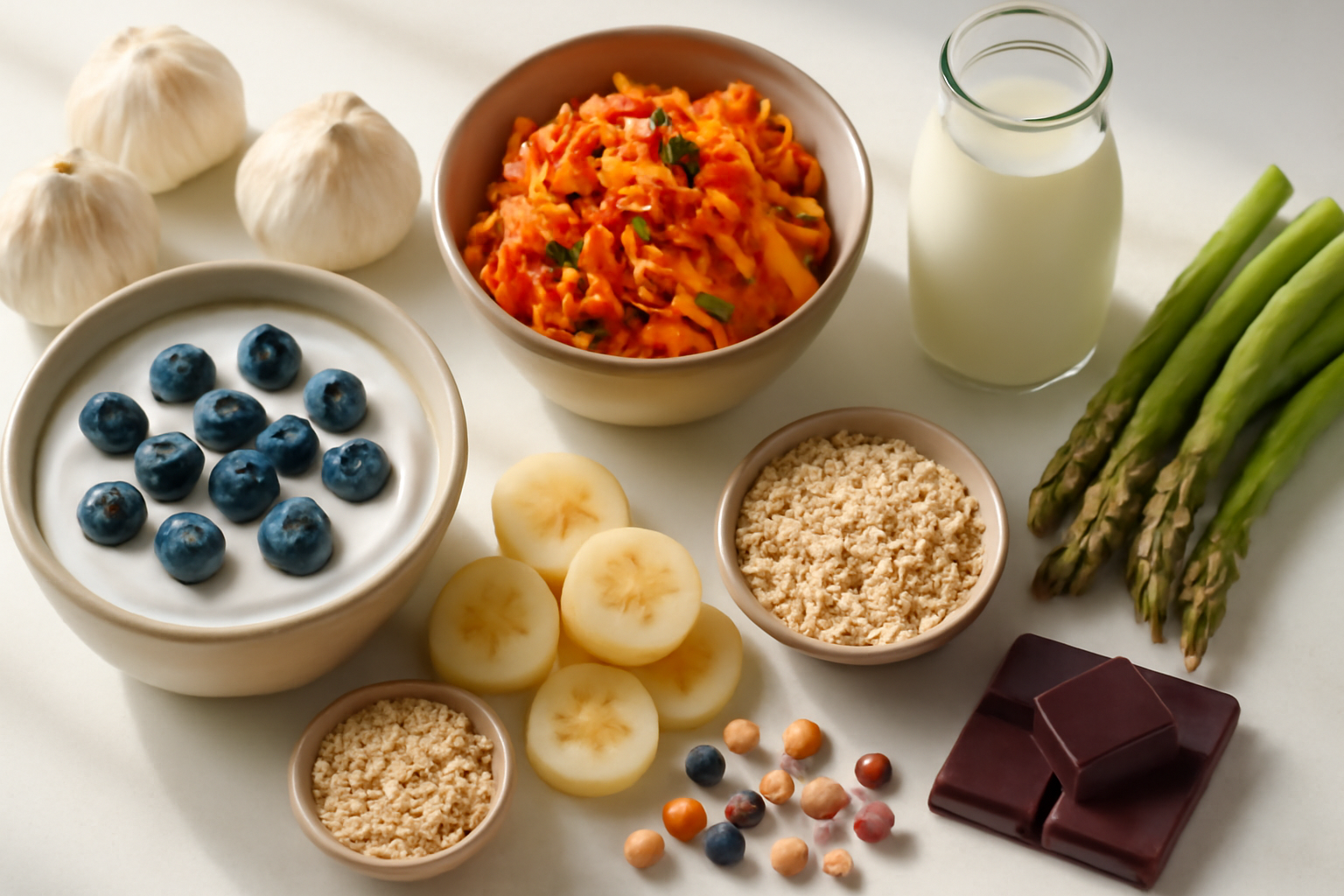
    Step 3 (Intermediate) — Build your prebiotic foundation. As you reduce sugar, actively replace it with prebiotic-rich foods: garlic, onions, leeks, asparagus, green bananas, and oats. These feed the beneficial bacteria that sugar starves. Aim for 25-38 grams of total dietary fiber daily, per USDA guidelines.

    Step 4 (Advanced) — Incorporate fermented foods. Once your sugar intake is more controlled, add fermented foods like kimchi, sauerkraut, plain kefir, and miso. A landmark 2021 study from Stanford University found that a diet rich in fermented foods increased microbiome diversity and decreased markers of inflammation more significantly than a high-fiber diet alone in short-term trials.

    Common Mistakes That Sabotage Your Gut Recovery

    Even well-intentioned gut health efforts get derailed by a few predictable errors. Here’s what to watch for:

    Mistake 1: Replacing sugar with artificial sweeteners. Many people swap sugar for sucralose, aspartame, or saccharin thinking it’s a neutral trade. It’s not necessarily. A 2022 study in Cell found that certain artificial sweeteners — particularly sucralose and saccharin — altered gut microbiome composition and glucose tolerance in some participants. This doesn’t mean all sweeteners are equally harmful, but assuming they’re gut-neutral is a mistake. Monk fruit and small amounts of stevia appear to be lower-risk options, though research is still evolving.

    Mistake 2: Going too low on carbs to compensate. Eliminating all carbohydrates in an attempt to cut sugar can deprive your gut bacteria of the prebiotic fibers they need. Beneficial bacteria don’t live on protein and fat — they ferment complex carbohydrates. A balanced approach that removes added sugars but preserves whole food carbohydrates is more effective for microbiome health than extreme restriction.

    Mistake 3: Ignoring alcohol’s role. Alcohol is metabolized into sugars and has well-documented disruptive effects on gut bacteria. Research published in the American Journal of Physiology shows that even moderate regular alcohol consumption can reduce Lactobacillus populations and increase intestinal permeability. If you’re actively working to restore gut health, this is a variable worth addressing honestly.

    Mistake 4: Expecting overnight results. Microbiome changes take time. Reducing sugar for one week won’t undo months of imbalance — but it does start moving the needle. Impatience leads people to abandon the effort before meaningful shifts occur.

    What to Eat to Help Your Gut Recover from Sugar Damage

    Rebuilding a healthier microbiome after a high-sugar period requires intentional nutritional support — not just cutting the bad stuff, but adding the right fuel.

    Prioritize prebiotic fiber: Aim for at least one prebiotic-rich food per day. Garlic (1-2 cloves), half a cup of cooked lentils, one medium onion, or a cup of oats are all practical servings. These feed Bifidobacterium and Lactobacillus strains directly.

    Add fermented foods consistently: Half a cup of plain kefir daily, 2-3 tablespoons of sauerkraut, or a small serving of kimchi with meals. According to the Academy of Nutrition and Dietetics, fermented foods deliver live cultures that can help re-establish microbial diversity when consumed regularly.

    Focus on polyphenol-rich foods: Blueberries, dark chocolate (70%+), green tea, and extra-virgin olive oil contain polyphenols that act as prebiotics for beneficial bacteria. A review in Gut Microbes found that polyphenol consumption was associated with increased Bifidobacterium and Lactobacillus counts.

    Don’t underestimate water: Adequate hydration supports the mucosal lining of your intestines and helps beneficial bacteria thrive. The National Academies recommends roughly 3.7 liters (men) and 2.7 liters (women) of total water daily from all sources. For more on hydration and gut function, see our guide on Digestive Enzymes: Do You Really Need Them?

    Reduce ultra-processed foods broadly: Sugar rarely travels alone — it’s typically packaged with refined flours, seed oils, and additives that further stress the gut lining. Targeting ultra-processed foods as a category addresses multiple disruptors at once.

    How Long Until You See Results — and What to Track

    This is where realistic expectations matter. Microbiome changes are measurable but not instantaneous, and results vary significantly based on your baseline diet, stress levels, sleep quality, and medication use (particularly antibiotics).

    1-2 weeks: Many people notice reduced bloating and more regular digestion as sugar fermentation in the colon decreases and fiber intake improves. Energy levels may stabilize as blood sugar fluctuations even out.

    3-4 weeks: Cravings for sweet foods typically decrease as your gut bacteria begin to shift. Research suggests that the gut microbiome influences hunger hormones and neurotransmitters, meaning a healthier gut can actually make it easier to maintain lower-sugar eating over time.

    2-3 months: More substantial shifts in microbiome diversity and inflammatory markers can occur at this timescale, based on dietary intervention studies. Sleep quality and mood may also improve, given the gut-brain connection. If you’re curious about how the gut influences mental well-being, our article on Sleep and Energy: The Healthy Living Guide You Need covers related ground.

    What to track: Bowel regularity, bloating frequency, energy consistency throughout the day, and sugar cravings. You don’t need expensive microbiome testing to notice meaningful improvements — your symptoms are informative signals.

    When to seek help: If digestive symptoms (significant bloating, pain, irregular bowel habits) persist after 4-6 weeks of dietary changes, consult a gastroenterologist or registered dietitian. Persistent symptoms may signal an underlying condition that dietary changes alone won’t resolve. You may also find useful context in our detailed guide on Sustainable Weight Loss: Habits That Actually Stick, which addresses the dietary overlap between metabolic health and gut health.

    Frequently Asked Questions

    Does fruit damage the gut microbiome the way added sugar does?
    Whole fruit is generally not the problem. The fiber in whole fruit slows absorption and feeds beneficial bacteria. The concern is with added sugars, fruit juices (which strip fiber), and high-fructose sweeteners. Two to three servings of whole fruit daily falls well within ranges supported by USDA guidelines and doesn’t pose the same microbiome risks as processed sugar.

    Can I rebuild my gut microbiome after years of high sugar intake?
    Yes — the microbiome is remarkably adaptable. Research consistently shows that dietary changes produce measurable microbial shifts within days to weeks. The longer the imbalance has persisted, the more patient and consistent you’ll need to be, but recovery is genuinely possible at any age.

    Are sugar cravings actually driven by gut bacteria?
    There is growing evidence for this. Certain gut bacteria influence the production of neurotransmitters and hunger-regulating hormones like ghrelin and leptin. A 2017 review in BioEssays proposed that microbes may manipulate host food preferences to favor their own growth. While the science is still developing, it’s a compelling reason to address cravings at the gut level, not just through willpower.

    Is honey better for the gut than refined sugar?
    Honey contains trace polyphenols and some antimicrobial properties, but it still delivers significant fructose and glucose. In small amounts, raw honey may have modest prebiotic effects, but it is not a gut-friendly substitute for large amounts of sugar. Quantity still matters.

    Should I take a probiotic supplement if I’m reducing sugar?
    Probiotic supplements can be helpful as a complement to dietary changes, but they work best when paired with prebiotic-rich foods that support bacterial survival in the gut. Supplements alone, without dietary change, have limited lasting impact. Strain selection also matters — consult a registered dietitian for guidance specific to your situation.

    Small Shifts, Real Results

    Here’s what’s worth holding onto: you don’t have to overhaul everything overnight. The research is clear that even moderate reductions in added sugar — paired with intentional increases in fiber and fermented foods — produce measurable improvements in gut microbial balance and digestive health within weeks.

    Start with one swap today. Read one more label this week. Add one prebiotic food to dinner. These aren’t dramatic gestures — but done consistently, they add up to a fundamentally healthier gut environment that supports everything from digestion to immunity to how you feel on a Tuesday afternoon.

    Your microbiome is listening to every meal. Make the next one count.


    This article is for informational and educational purposes only. The content is not intended to replace professional medical, nutritional, or fitness advice. Always consult a qualified healthcare provider, registered dietitian, or certified fitness professional before starting a new health program or making significant changes to your lifestyle.

    Content reviewed by our wellness editorial team, with references to peer-reviewed research and guidelines from leading health organizations.
  • Omega-3 Benefits: What the Science Really Says

    Omega-3 Benefits: What the Science Really Says

    You’ve probably been told to eat more fish or take fish oil — but do you actually know why it matters, and whether you’re doing it right?

    Walk into any health food store and you’ll find an entire wall dedicated to omega-3 supplements. Fish oil, krill oil, algae-based capsules — the options are overwhelming. And yet, despite all the marketing noise, most adults in the United States are still not getting enough of these essential fatty acids through their daily diets.

    According to data from the National Institutes of Health (NIH), a significant portion of the U.S. population falls short of adequate omega-3 intake, particularly the two most researched forms: EPA (eicosapentaenoic acid) and DHA (docosahexaenoic acid). The gap between what people know about omega-3 and what they actually do about it is striking.

    This guide cuts through the confusion. You’ll learn what omega-3 fatty acids actually do inside your body, which sources are worth your money, how to figure out the right amount for your lifestyle, and what mistakes are quietly undermining your results. Whether you’re eating the right foods or reaching for a supplement, the goal is to make this genuinely work for you — not just sit on your shelf collecting dust.

    Why Omega-3 Fatty Acids Matter More Than You Think

    Omega-3 fatty acids aren’t just another wellness trend. They are essential fats — meaning your body cannot produce them on its own. You have to get them from food or supplements, full stop. And when you don’t get enough, the downstream effects touch nearly every system in your body.

    The most widely studied benefits center on cardiovascular health. The American Heart Association (AHA) has long recognized omega-3s as beneficial for heart health, particularly for individuals with elevated triglycerides or existing cardiovascular risk factors. Research published in the New England Journal of Medicine found that supplementation with high-dose EPA significantly reduced major cardiovascular events in people with elevated triglycerides, even when they were already taking statins.

    But the heart is just the beginning. Omega-3s play a critical structural role in the brain — DHA alone makes up about 30% of the fatty acids in the brain’s gray matter, according to Harvard Health Publishing. They’re also key players in inflammation regulation, joint health, eye function, and even mood stability.

    For busy adults in their 30s, 40s, and 50s, getting adequate omega-3s can quietly support energy, mental clarity, and long-term resilience — without requiring a dramatic lifestyle overhaul. That’s the kind of simple, foundational habit that tends to compound over time.

    The Science Behind How Omega-3s Actually Work

    Here’s where things get interesting — and where most wellness articles miss the nuance. Not all omega-3s are created equal. There are three main types you need to know: ALA, EPA, and DHA.

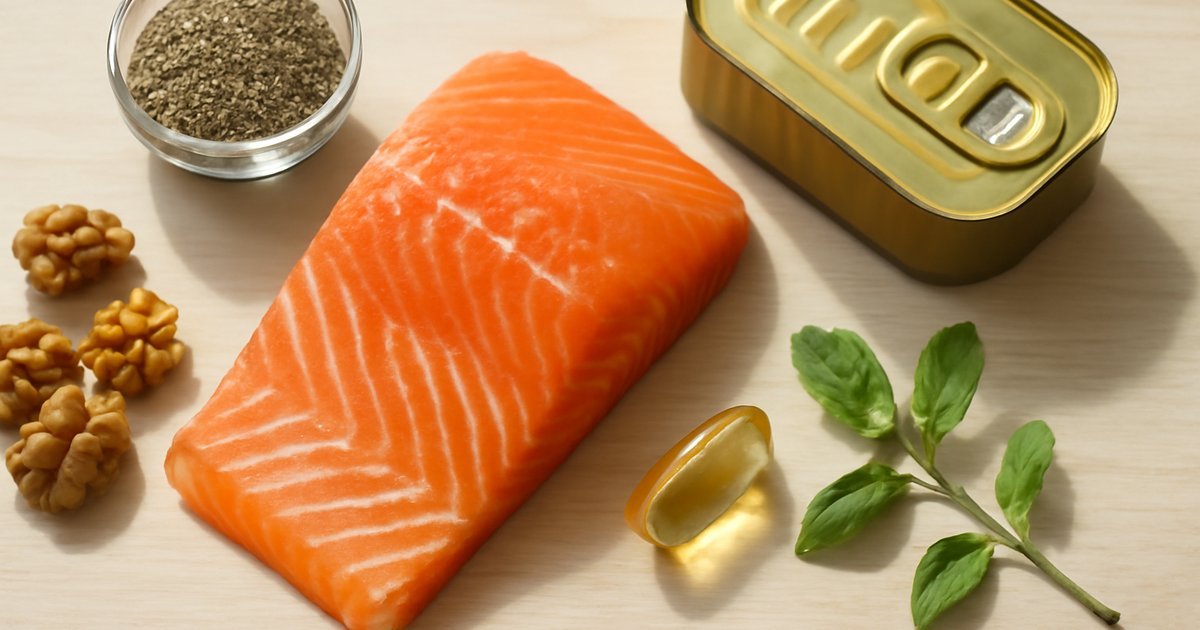
    ALA (alpha-linolenic acid) is found mostly in plant foods like flaxseed, chia seeds, and walnuts. It’s technically an omega-3, but your body can only convert a small percentage of it into the more active EPA and DHA — typically less than 10%, according to the NIH. So while ALA has its value, relying on it alone won’t give you the full spectrum of benefits most studies are measuring.

    EPA and DHA are found primarily in fatty fish, seafood, and algae. These are the forms that directly influence inflammation pathways, brain cell membranes, and cardiovascular markers. When researchers talk about omega-3 benefits in clinical studies, they’re almost always measuring EPA and DHA specifically.

    One common myth worth busting: "I eat a healthy diet, so I don’t need to worry about omega-3s." Unless that healthy diet regularly includes fatty fish like salmon, mackerel, sardines, or anchovies, there’s a good chance your EPA and DHA intake is lower than optimal. A 2021 analysis published in the journal Nutrients found that average EPA and DHA consumption among U.S. adults remains well below the commonly recommended 250–500 mg per day for general health maintenance.

    The mechanism is worth understanding too. Omega-3s compete with omega-6 fatty acids for the same metabolic pathways. The modern American diet tends to be heavily skewed toward omega-6s (found in vegetable oils, processed snacks, and fast food), which can promote inflammatory signaling when the balance tips too far. Increasing omega-3 intake helps recalibrate that ratio — not by eliminating omega-6s, but by giving your body the counterbalance it needs.

    How to Start Getting More Omega-3s: Practical Steps

    The good news: you don’t need to make dramatic changes to meaningfully increase your omega-3 intake. Here’s a practical roadmap based on where you’re starting from.

    Beginner Level — Food First:

    • Aim for two servings of fatty fish per week. A 3.5-ounce serving of Atlantic salmon provides roughly 2,000–2,500 mg of combined EPA and DHA — covering multiple days of needs in one meal.
    • Add ground flaxseed or chia seeds to smoothies, oatmeal, or yogurt. These won’t replace EPA/DHA, but they do contribute ALA and come with fiber and other benefits.
    • Swap out refined oils for olive oil in cooking, and try snacking on walnuts instead of processed crackers.

    Intermediate Level — Adding a Supplement:

    • If you don’t eat fish regularly (due to preference, cost, or dietary restrictions), a standard fish oil or algae-based omega-3 supplement offering 500–1,000 mg of combined EPA and DHA per day is a reasonable starting point for general health.
    • Look for supplements that have been third-party tested (NSF International, USP, or IFOS certification) to verify purity and actual EPA/DHA content.
    • Algae-based omega-3 supplements are a well-validated option for vegetarians and vegans — they deliver DHA and EPA directly, bypassing the low-conversion issue of plant-based ALA.

    Advanced Level — Targeted Intake:

    • For individuals with elevated triglycerides, specific cardiovascular risk, or joint inflammation concerns, higher doses (2,000–4,000 mg EPA/DHA per day) are sometimes used clinically — but this range warrants guidance from a physician or registered dietitian, as high doses can have blood-thinning effects.
    • Consider tracking your intake for two weeks using a free food diary app to get a realistic baseline before deciding on supplementation.

    Common Mistakes That Quietly Undermine Your Omega-3 Results

    Even people who are genuinely trying to optimize their omega-3 intake often make avoidable errors. Here are the most common ones:

    Mistake 1: Relying solely on flaxseed or chia seeds as your omega-3 source.
    These are great foods with real health value, but as noted above, the conversion of ALA to active EPA and DHA is highly inefficient. If your goal is brain support, heart health, or anti-inflammatory effects, you need a direct source of EPA and DHA — from fish, seafood, or algae-based supplements.

    Mistake 2: Buying a low-quality supplement and assuming all fish oil is the same.
    The omega-3 supplement market is notoriously inconsistent. A 2022 review found that many commercially available fish oil products contain significantly less EPA and DHA than their labels claim — and some show signs of oxidation, which may reduce their effectiveness. Always check for third-party certification and look at the actual EPA/DHA content on the label, not just the "fish oil" total.

    Mistake 3: Taking your omega-3 supplement on an empty stomach.
    Fish oil capsules taken without food are a common cause of the dreaded "fish burp" — and they’re also absorbed less efficiently. Take omega-3 supplements with a meal that contains some fat to improve absorption and reduce GI discomfort. This one simple fix makes a noticeable difference for most people.

    Mistake 4: Ignoring the omega-6 to omega-3 ratio in your overall diet.
    Adding omega-3s while continuing to eat a diet high in refined vegetable oils and ultra-processed food is like trying to bail water out of a leaky boat. A meaningful improvement in omega-3 status often requires some reduction in omega-6-heavy oils like corn, soybean, and sunflower oil — alongside increasing omega-3 intake.

    The Best Food Sources of Omega-3 Fatty Acids

    The Academy of Nutrition and Dietetics recommends prioritizing whole food sources of omega-3s when possible, with supplementation used to fill genuine gaps. Here’s where to focus your attention:

    Top EPA and DHA sources (per 3.5 oz / 100g serving):

    • Mackerel: ~5,000 mg — one of the highest natural sources available
    • Atlantic salmon (wild-caught): ~2,200 mg — widely accessible and versatile
    • Sardines (canned in water): ~1,500 mg — affordable, shelf-stable, and underrated
    • Anchovies: ~2,000 mg — small but nutrient-dense, great in sauces and dressings
    • Rainbow trout: ~1,000 mg — a milder option that’s widely available
    • Oysters: ~500 mg — bonus: they’re also rich in zinc and vitamin B12

    Top ALA sources (plant-based, per tablespoon or ounce):

    • Ground flaxseed (1 tbsp): ~1,600 mg ALA
    • Chia seeds (1 oz): ~5,000 mg ALA
    • Walnuts (1 oz): ~2,500 mg ALA
    • Hemp seeds (1 tbsp): ~1,000 mg ALA

    A note on farmed vs. wild-caught fish: while wild-caught varieties tend to have slightly higher omega-3 content and a better omega-6 to omega-3 ratio, the difference is modest for most people. Eating farmed salmon twice a week still delivers meaningful EPA and DHA — don’t let perfect be the enemy of good here.

    For practical meal ideas, pairing any of the fatty fish options above with vegetables sautéed in olive oil, alongside a side of leafy greens, creates a genuinely anti-inflammatory meal without requiring any exotic ingredients. If you’re looking to pair this habit with other anti-inflammatory lifestyle strategies, the piece on the connection between chronic stress and inflammation is worth reading alongside this one.

    How Long Until You Notice a Difference — and What to Track

    One of the most realistic things you can hear about omega-3 supplementation: results are often gradual and internal. You won’t feel an omega-3 "kick" the next morning the way you might with caffeine. But that doesn’t mean nothing is happening.

    According to research from the journal PLEFA (Prostaglandins, Leukotrienes and Essential Fatty Acids), meaningful changes in blood omega-3 index — a measure of EPA and DHA as a percentage of red blood cell fatty acids — typically occur within 4 to 8 weeks of consistent supplementation or dietary change. The recommended omega-3 index for cardiovascular risk reduction is above 8%, while most Americans sit around 4–5%.

    What to track and notice over 4–12 weeks:

    • Subjective changes in joint stiffness or morning soreness, particularly if you exercise regularly
    • Mood stability and general sense of mental clarity — DHA’s role in brain membrane function can have subtle effects on cognitive ease over time
    • Triglyceride levels, if your doctor monitors them during routine bloodwork — omega-3s are one of the most consistently effective dietary tools for lowering elevated triglycerides
    • Skin hydration and appearance — omega-3s support the skin’s lipid barrier, and some people notice improvements in dryness or texture within 6–8 weeks

    If you’re managing a cardiovascular condition, working with a physician to test your omega-3 index before and after 3–6 months of intervention gives you objective data. For most healthy adults, consistency is the most important variable — two to four servings of fatty fish per week, or a quality supplement taken daily with meals, is the practical target.

    If you’re also working on overall cellular health and energy, consider reading about mitochondrial health — omega-3s and mitochondrial function are closely interrelated in the research on healthy aging.

    Frequently Asked Questions

    Is it better to get omega-3s from food or supplements?
    Whole food sources are generally preferred because they come packaged with other nutrients — protein, vitamins, minerals — that supplements can’t replicate. That said, if you genuinely don’t eat fish, a high-quality algae-based or fish oil supplement is a well-supported alternative. The Academy of Nutrition and Dietetics recognizes both as valid approaches depending on individual circumstances.

    Can you take too much omega-3?
    Yes, though it takes fairly high doses. The FDA considers up to 3,000 mg of EPA and DHA per day from supplements to be generally safe for most adults, with caution advised above 5,000 mg due to potential blood-thinning effects and the risk of bleeding complications. At typical doses (500–1,000 mg/day), side effects are minimal and usually limited to GI discomfort if taken on an empty stomach.

    Are omega-3s useful for mental health?
    Research suggests a modest benefit for mood and depression symptoms, particularly with higher EPA content. A meta-analysis published in JAMA Network Open found that omega-3 supplementation was associated with improved depressive symptoms in adults. This is an area of active research and the effect sizes vary, but the risk-to-benefit ratio for most adults is favorable. This doesn’t replace clinical mental health treatment, but it can be a meaningful supportive habit.

    What about mercury and contaminants in fish?
    This is a legitimate concern for certain populations, particularly pregnant women and young children. The FDA advises those groups to limit high-mercury fish (like swordfish, tilefish, and king mackerel) while encouraging low-mercury choices like salmon, sardines, and trout. For most healthy adults eating two servings of fatty fish per week, the benefits significantly outweigh the mercury exposure risk. Quality fish oil supplements are typically purified to remove mercury and PCBs — look for IFOS-certified products for verified safety.

    Do omega-3s help with weight management?
    Evidence here is mixed. Omega-3s don’t directly cause fat loss, but research from the Journal of Nutritional Biochemistry suggests they may support insulin sensitivity and lean muscle preservation when combined with exercise and a balanced diet. They’re not a weight loss intervention on their own, but they fit well within a broader healthy lifestyle strategy. For foundational approaches to weight management, pairing omega-3 intake with sustainable dietary habits — like those explored in the guide to intermittent fasting — may offer complementary benefits.

    The Bottom Line on Omega-3 Fatty Acids

    Omega-3 fatty acids aren’t a miracle supplement — and they don’t need to be. What they are is one of the most consistently supported dietary interventions in modern health research, with benefits that range from cardiovascular and brain health to inflammation management and mood stability.

    You don’t need a complicated plan. Start with two servings of fatty fish per week. Add a quality supplement if needed. Take it with food. Be consistent for at least eight weeks before evaluating how it’s working for you.

    The goal isn’t perfection — it’s building a reliable baseline of nutrients your body genuinely needs. Small, consistent actions compound into meaningful health outcomes over months and years. Omega-3s, done simply and consistently, are one of the most rewarding places to start.

    This article is for informational and educational purposes only. The content is not intended to replace professional medical, nutritional, or fitness advice. Always consult a qualified healthcare provider, registered dietitian, or certified fitness professional before starting a new health program or making significant changes to your lifestyle.

    Content reviewed by our wellness editorial team, with references to peer-reviewed research and guidelines from leading health organizations.
  • Leaky Gut Syndrome: What It Is and How to Heal It

    Leaky Gut Syndrome: What It Is and How to Heal It

    Leaky Gut Syndrome: What It Is and How to Heal It

    You eat well, exercise regularly, and still feel bloated, foggy, and exhausted — your gut lining might be the missing piece.

    The Gut Wall Nobody Talks About

    You’ve probably heard the phrase "you are what you eat," but the more accurate version might be "you are what your gut actually absorbs." And if that gut lining is compromised, you could be eating all the right foods and still not getting the benefit — while quietly letting things in that your body was never meant to process.

    That’s the core idea behind leaky gut syndrome, a topic that has moved from fringe wellness circles into legitimate clinical conversations over the past decade. And yet there’s still enormous confusion about what it actually is, what causes it, and whether it can truly be reversed.

    According to research published in Frontiers in Immunology, increased intestinal permeability — the clinical term for leaky gut — is associated with a wide range of conditions, from inflammatory bowel disease to metabolic syndrome. But even if you don’t have a diagnosed condition, a compromised gut barrier can quietly affect your energy, immunity, skin, and mood.

    In this guide, you’ll get a clear, evidence-based breakdown of what leaky gut is, how it develops, and — most importantly — what you can actually do about it starting today.

    Why Gut Permeability Matters More Than You Think

    Your intestinal lining is only one cell thick. That’s it — a single layer of epithelial cells standing between your bloodstream and everything you consume. These cells are held together by tight junction proteins that act like microscopic gatekeepers, deciding what gets in and what stays out.

    When those tight junctions weaken or break down, the gut becomes "leaky" — allowing partially digested food particles, bacterial byproducts, and other substances to slip into the bloodstream. The immune system, sensing foreign invaders, launches an inflammatory response. When that process becomes chronic, the effects ripple throughout the entire body.

    Research published in the Journal of Clinical Gastroenterology found that increased gut permeability is closely linked to systemic inflammation, which in turn is a driver of conditions ranging from type 2 diabetes to autoimmune disorders. Meanwhile, Harvard Health Publishing has noted that scientists are increasingly connecting gut barrier health to mental health outcomes — including anxiety and depression.

    For everyday adults, this means that symptoms like persistent bloating, skin flare-ups, brain fog, fatigue, and frequent illness may have a gut-lining connection that’s worth investigating — even when standard lab tests come back normal.

    The Science Behind Leaky Gut: How It Actually Works

    Let’s clear up a common myth first: leaky gut is not a made-up wellness buzzword. The term "intestinal hyperpermeability" is used in peer-reviewed gastroenterology research, and the mechanisms behind it are well-documented.

    The gut lining is reinforced by a mucus layer, beneficial bacteria, and immune cells — all working in concert to protect the barrier. When that ecosystem is disrupted, tight junction proteins like occludin and claudin begin to degrade. This is not a sudden event; it happens gradually under the pressure of chronic stressors.

    A landmark study in the journal Gut identified several primary drivers of tight junction dysfunction: chronic psychological stress, prolonged use of nonsteroidal anti-inflammatory drugs (NSAIDs), high sugar and ultra-processed food diets, alcohol consumption, and dysbiosis — an imbalance in the gut microbiome.

    It’s worth noting that leaky gut exists on a spectrum. A mildly permeable gut barrier may cause subtle, non-specific symptoms. A significantly compromised one can contribute to more serious inflammatory or autoimmune conditions. Results and severity vary significantly depending on your baseline health, genetics, and lifestyle factors.

    One important distinction: leaky gut is more accurately described as a mechanism — a physiological state — rather than a standalone diagnosis. It frequently co-occurs with other gut conditions, and addressing gut barrier health is increasingly seen as part of a comprehensive approach to digestive wellness.

    For a deeper look at how your gut and brain are constantly communicating through this barrier, The Gut-Brain Connection: Fueling Your Mood & Mind offers an excellent companion read.

    How to Start Healing Your Gut Lining: Practical Steps

    The encouraging news is that the gut lining regenerates. Intestinal epithelial cells turn over every three to five days, which means the body is always in repair mode — you just need to give it the right conditions to do so effectively.

    Step 1: Remove the primary triggers
    Before adding anything, reduce what’s causing damage. The biggest offenders, according to the Academy of Nutrition and Dietetics, include ultra-processed foods high in refined sugar and industrial seed oils, excessive alcohol, and frequent NSAID use (always consult your doctor before changing any medication).

    Step 2: Feed your gut bacteria intentionally
    A diverse, plant-rich diet supports the beneficial bacteria that protect your gut lining. The USDA Dietary Guidelines recommend 25-38 grams of dietary fiber per day — yet most American adults consume fewer than 15 grams. Closing that gap is one of the most impactful moves you can make.

    Step 3: Add fermented foods
    Plain yogurt with live cultures, kefir, sauerkraut, kimchi, and miso introduce beneficial bacteria directly to your gut. A 2021 study published in Cell (Stanford Medicine) found that a high-fermented-food diet significantly increased microbiome diversity and reduced markers of immune activation — both relevant to gut barrier health.

    Intermediate step: Targeted gut-supportive nutrients
    L-glutamine, an amino acid, is one of the primary fuel sources for intestinal cells and has been studied for its role in maintaining tight junction integrity. Zinc is another nutrient that supports mucosal repair, with the NIH noting its involvement in epithelial cell function. Discuss supplementation with a healthcare provider before starting.

    Advanced step: Consider working with a registered dietitian
    If symptoms persist despite dietary changes, a registered dietitian (RD) specializing in gut health can run a comprehensive assessment, including stool testing and elimination protocols tailored to your specific profile.

    Common Mistakes That Sabotage Gut Healing

    Most people who try to address leaky gut hit the same roadblocks. These are easy traps to fall into — knowing them in advance puts you miles ahead.

    Mistake 1: Jumping straight to supplements without fixing the diet
    Gut-support supplements like probiotics and L-glutamine can be helpful, but if you’re still consuming a high-sugar, low-fiber diet with frequent alcohol, you’re essentially bailing water from a sinking boat. The foundation always starts with food. Supplements are supportive tools, not substitutes.

    Mistake 2: Ignoring chronic stress
    This one is consistently underestimated. The American Psychological Association has documented that chronic psychological stress directly affects gut motility, microbiome composition, and intestinal permeability. If you’re eating perfectly but running on cortisol all day, your gut lining will reflect that. Stress management isn’t optional — it’s part of the gut healing protocol. Practices like breathwork and mindfulness have shown measurable effects on gut function; Mindfulness for Stress: Practical Steps That Actually Work is a great place to start.

    Mistake 3: Expecting results in days
    Gut lining repair is a gradual process. People often make dietary changes for one or two weeks, feel a mild improvement, and then revert to old habits — or abandon the effort entirely when they don’t see dramatic results. Research suggests meaningful improvements in gut permeability and microbiome diversity typically take 8 to 12 weeks of consistent effort.

    Mistake 4: Overdoing fiber too fast
    Dramatically increasing fiber intake overnight can cause gas, bloating, and discomfort — which often leads people to abandon the effort. Instead, increase fiber intake by 3-5 grams per week, and drink more water alongside it. Proper hydration is essential for fiber to do its job effectively; if you’re unsure about your water intake, How Much Water Should You Really Drink Each Day? has you covered.

    What to Eat (and What to Avoid) for Gut Barrier Health

    Your daily food choices have a direct, measurable impact on gut barrier integrity. This isn’t about restriction — it’s about building a plate that supports repair and diversity.

    Prioritize these foods:

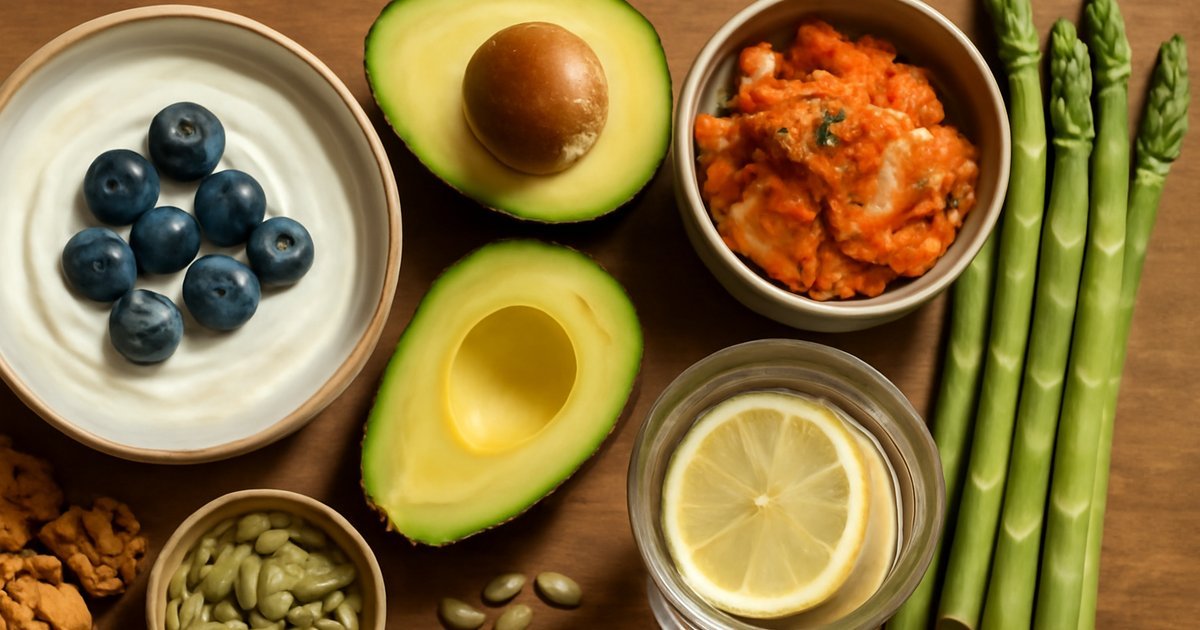
    • Prebiotic-rich vegetables: garlic, onions, leeks, asparagus, and Jerusalem artichokes feed beneficial bacteria. Aim for at least 2-3 servings daily.
    • Colorful produce: polyphenols in berries, dark leafy greens, and red cabbage have been shown to reduce intestinal inflammation. Target 5+ servings per day across colors.
    • Fermented foods: 1-2 servings daily of plain kefir, yogurt with live cultures, kimchi, or sauerkraut — without added sugar.
    • Omega-3 fatty acids: wild-caught salmon, sardines, walnuts, and flaxseed support anti-inflammatory pathways in the gut. The Academy of Nutrition and Dietetics recommends at least 2 servings of fatty fish per week.
    • Bone broth: contains collagen and glutamine, which may support mucosal repair — though clinical evidence is still emerging.
    • Zinc-rich foods: pumpkin seeds, legumes, grass-fed beef, and oysters support epithelial cell turnover.

    Minimize or avoid:

    • Refined sugar and high-fructose corn syrup (feeds pathogenic bacteria, promotes dysbiosis)
    • Ultra-processed snack foods and fast food (high in emulsifiers that have been shown to disrupt the mucus layer)
    • Alcohol (directly toxic to intestinal epithelial cells and shown to raise zonulin, a protein linked to tight junction loosening)
    • Artificial sweeteners in excess — early research suggests some may negatively alter microbiome composition, though findings are still developing

    How Long Until You See Results — and What to Track

    Gut healing is not a weekend project, and setting realistic expectations is critical to staying consistent.

    Based on available research, here’s a general timeline:

    • Weeks 1-2: Bloating and gas often begin to shift as you reduce processed foods and increase fiber gradually. Energy fluctuations are common as the microbiome adjusts.
    • Weeks 3-6: Bowel regularity tends to improve. Some people notice clearer skin, improved sleep quality, and reduced afternoon energy crashes.
    • Weeks 8-12: More meaningful changes in systemic inflammation markers, immune response, and mood stability may become apparent — especially when dietary changes are paired with stress reduction and adequate sleep.

    What to track:

    • Digestive symptom frequency: bloating, gas, irregularity (track in a simple daily journal)
    • Energy levels — note patterns across the day
    • Skin clarity and any inflammatory skin conditions
    • Frequency of illness or immune reactions
    • Mood and mental clarity (these are often early responders to gut changes)

    If you’ve made consistent dietary and lifestyle changes for 12 weeks with minimal improvement, consult a gastroenterologist or registered dietitian. Some cases of increased gut permeability are connected to underlying conditions — including celiac disease, Crohn’s disease, or SIBO — that require targeted clinical intervention.

    Frequently Asked Questions

    Is leaky gut a real medical diagnosis?
    Increased intestinal permeability is a real, measurable physiological state studied extensively in gastroenterology research. However, "leaky gut syndrome" as a standalone diagnosis is not currently recognized in standard clinical practice. Most conventional physicians address it in the context of an underlying condition. That said, the mechanisms involved are scientifically valid and increasingly taken seriously in integrative and functional medicine settings.

    What are the most common symptoms of a leaky gut?
    Symptoms vary widely, which makes leaky gut tricky to identify without professional evaluation. Common indicators include chronic bloating, irregular bowel movements, food sensitivities, fatigue, brain fog, frequent colds, skin issues like eczema, and joint discomfort. None of these are exclusive to gut permeability issues — which is why professional assessment matters.

    Can probiotics alone heal a leaky gut?
    Probiotics can support gut microbiome diversity and help modulate immune responses, but they are unlikely to reverse leaky gut on their own. Research in the Journal of Nutrition suggests that probiotics work best when paired with a high-fiber diet that feeds those beneficial bacteria. Think of probiotics as one tool in a broader strategy — not a standalone fix.

    Does gluten cause leaky gut?
    In people with celiac disease, gluten triggers a confirmed immune-mediated response that damages the intestinal lining. For non-celiac individuals, the evidence is more nuanced. Some research suggests gliadin (a gluten protein) can trigger zonulin release — temporarily increasing gut permeability — even in people without celiac disease. However, the clinical significance of this in otherwise healthy adults is still being debated. If you suspect gluten sensitivity, work with a doctor rather than self-diagnosing.

    Should I take L-glutamine for gut healing?
    L-glutamine has legitimate research behind it as a fuel source for intestinal cells and has been studied in clinical settings for gut mucosal repair — particularly in patients with inflammatory bowel conditions. For otherwise healthy adults, the evidence is promising but not definitive. The typical range studied is 5-10 grams per day, but dosing should be discussed with a qualified healthcare provider, especially if you have any underlying health conditions.

    Start Small, Stay Consistent

    Healing your gut lining doesn’t require an extreme protocol or an expensive supplement stack. It requires consistency, patience, and a willingness to make gradual, sustainable shifts in your daily habits.

    The most impactful thing you can do today is simple: add one prebiotic food and one fermented food to your meals, and start reducing your refined sugar intake by half. That’s it. Build from there, week by week.

    Your gut is remarkably resilient — it’s rebuilding itself around the clock. Give it the environment it needs, and the results compound in ways that go far beyond digestion — better energy, sharper focus, stronger immunity, and a more stable mood.

    Small, consistent steps don’t just beat perfection — they’re the only thing that actually lasts.


    Wellness Disclaimer: This article is for informational and educational purposes only. The content is not intended to replace professional medical, nutritional, or fitness advice. Always consult a qualified healthcare provider, registered dietitian, or certified fitness professional before starting a new health program or making significant changes to your lifestyle.

    Content reviewed by our wellness editorial team, with references to peer-reviewed research and guidelines from leading health organizations.
  • Anti-Inflammatory Diet: Your Practical Guide to Eating for Wellness

    Anti-Inflammatory Diet: Your Practical Guide to Eating for Wellness

    You don’t have to be sick to feel the drag of chronic inflammation — millions of Americans feel it every day as fatigue, joint stiffness, brain fog, and stubborn weight they can’t seem to shake.

    If you’ve ever woken up feeling puffy, achey, and mentally sluggish despite getting enough sleep, there’s a good chance your diet is quietly working against you. The foods you eat every single day have a direct line of communication with your immune system — and when that line gets noisy, your body pays the price.

    The anti-inflammatory diet isn’t a 30-day challenge or a trendy elimination protocol. It’s a sustainable, evidence-backed eating pattern that helps calm your body’s internal fire — not by cutting out entire food groups, but by shifting the balance toward whole, nutrient-dense foods your biology actually recognizes.

    In this guide, you’ll learn exactly what chronic inflammation is, which foods fan the flames and which ones help cool them down, how to build a realistic anti-inflammatory plate, and what timeline to realistically expect. No gimmicks. No restriction spirals. Just practical, doable steps rooted in real science.

    Why Inflammation Matters More Than You Think

    Inflammation gets a bad reputation — but it’s not inherently the enemy. Acute inflammation is your immune system doing its job: when you cut your finger or fight off a cold, inflammation rushes blood and immune cells to the scene to handle the threat. That’s normal and necessary.

    The problem is chronic, low-grade inflammation — the kind that smolders silently for months or years without an obvious trigger. This is where the damage accumulates.

    According to the National Institutes of Health (NIH), chronic inflammation is now recognized as a contributing factor in many of the most common health conditions affecting American adults, including cardiovascular disease, type 2 diabetes, obesity, depression, and certain cancers. Research published in Nature Medicine described chronic inflammation as "the most significant cause of death in the world," linked to more than 50% of all deaths globally.

    In your daily life, chronic inflammation shows up as:

    • Persistent fatigue that doesn’t resolve with rest
    • Joint stiffness or unexplained aches
    • Skin issues like acne, eczema, or redness
    • Digestive discomfort, bloating, or irregularity
    • Brain fog, poor concentration, or mood swings

    The encouraging news? Diet is one of the most modifiable factors influencing your inflammatory status — and you can start making meaningful shifts today.

    The Science Behind How Food Affects Inflammation

    Your gut is home to trillions of microbes that directly regulate immune function. When you eat ultra-processed foods high in refined sugar, trans fats, and artificial additives, you disrupt the gut microbiome — and a disrupted microbiome produces pro-inflammatory compounds that enter the bloodstream and activate immune responses throughout the body.

    On the flip side, whole foods rich in fiber, antioxidants, and omega-3 fatty acids provide raw materials for anti-inflammatory pathways. Polyphenols found in berries and dark leafy greens, for example, inhibit the activity of NF-κB — a molecular switch that controls the production of inflammatory cytokines.

    One key myth to bust here: Many people think that eating healthy means going low-fat. But research tells a more nuanced story. A landmark study published in The New England Journal of Medicine on the PREDIMED trial — involving over 7,400 participants — found that a Mediterranean-style diet rich in healthy fats (extra-virgin olive oil, nuts, fatty fish) significantly reduced cardiovascular events compared to a low-fat diet. The fats themselves weren’t inflammatory — the types of fats made all the difference.

    Harvard Health Publishing also notes that the glycemic index of your meals matters significantly: high-glycemic foods spike blood sugar rapidly, triggering an insulin response that promotes inflammatory signaling. Low-glycemic foods — legumes, non-starchy vegetables, whole grains — keep blood sugar stable and inflammation lower.

    How to Build an Anti-Inflammatory Plate: Practical Steps

    You don’t need to overhaul your entire kitchen overnight. Start by shifting the ratio of what’s already on your plate.

    Beginner Level — The 80/20 Shift:

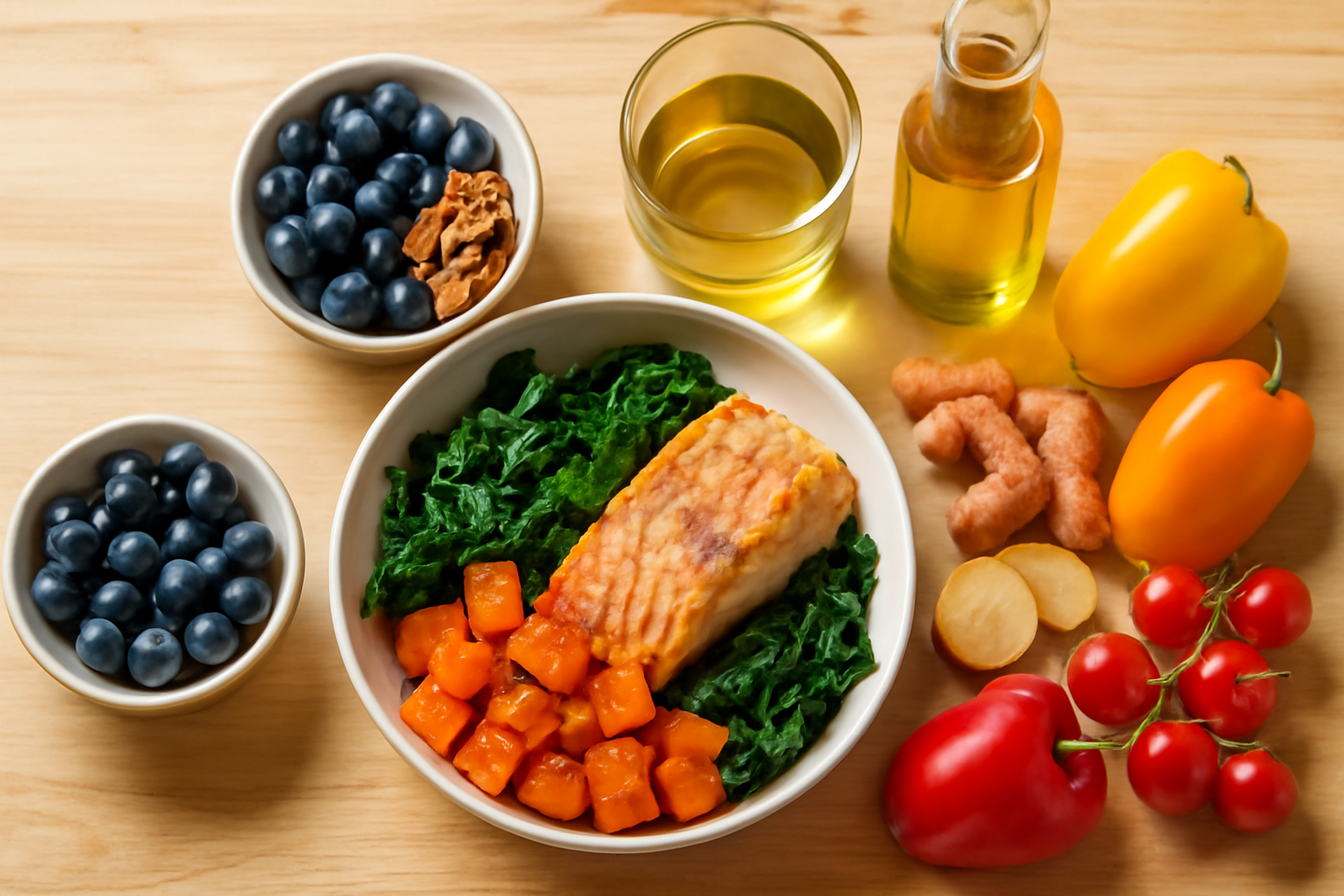
    1. Fill half your plate with vegetables. Aim for color variety — dark leafy greens (spinach, kale), red bell peppers, purple cabbage, orange sweet potatoes. Each color signals different phytonutrients with distinct anti-inflammatory actions.
    2. Add a palm-sized portion of quality protein. Wild-caught salmon, sardines, chicken thighs, eggs, or legumes like lentils and chickpeas. Protein supports tissue repair and keeps blood sugar stable.
    3. Include a healthy fat source. A drizzle of extra-virgin olive oil, a quarter of an avocado, or a small handful of walnuts or almonds. These fats help you absorb fat-soluble antioxidants from your vegetables.
    4. Choose whole grains over refined ones. Swap white rice for quinoa or farro, white bread for 100% whole grain. The fiber feeds beneficial gut bacteria and blunts blood sugar spikes.

    Intermediate Level — Targeted Anti-Inflammatory Upgrades:

    • Add turmeric and black pepper to soups, scrambled eggs, or roasted vegetables. Curcumin (turmeric’s active compound) has documented anti-inflammatory properties, and piperine from black pepper increases its absorption by up to 2,000%, according to research published in Planta Medica.
    • Incorporate fermented foods — plain Greek yogurt, kefir, kimchi, or sauerkraut — 3-5 times per week to support gut microbiome diversity.
    • Drink green tea instead of a second cup of coffee. Green tea contains EGCG (epigallocatechin gallate), a potent antioxidant with significant anti-inflammatory properties documented by the Academy of Nutrition and Dietetics.

    Advanced Level — Tracking Inflammatory Load:

    • Use the Dietary Inflammatory Index (DII) as a framework — it scores foods based on their documented pro- or anti-inflammatory effects in clinical research. Focus on consistently increasing anti-inflammatory scores over weeks, not perfecting every meal.
    • Track omega-6 to omega-3 ratio. The ideal ratio is closer to 4:1; the typical American diet runs closer to 20:1. Reduce processed seed oils (soybean, corn, sunflower) and increase fatty fish, flaxseed, and walnuts.

    Common Mistakes That Sabotage Anti-Inflammatory Eating

    Most people who try an anti-inflammatory approach don’t fail because of willpower — they fail because of a few very common, very fixable errors.

    Mistake 1: Focusing only on what to cut out.
    The most effective anti-inflammatory diets are defined by what you add, not just what you remove. When people hyper-focus on elimination, they often feel deprived and eventually overcorrect. Instead, crowd out inflammatory foods by first adding more vegetables, quality proteins, and healthy fats. The processed foods naturally take up less space.

    Mistake 2: Consuming "healthy" foods that are still highly processed.
    Plant-based cookies, protein bars with 20+ ingredients, fruit juices, and flavored yogurts with added sugar can all undermine your anti-inflammatory efforts. The Academy of Nutrition and Dietetics emphasizes reading ingredient lists — if sugar, refined flour, or seed oils appear in the first three ingredients, reconsider the portion or frequency.

    Mistake 3: Ignoring liquid calories and inflammatory beverages.
    Sugary sodas, sweetened coffee drinks, alcohol (especially in excess), and even some "healthy" sports drinks deliver significant inflammatory sugar loads without the compensating fiber or nutrients. Swap toward water, herbal teas, or sparkling water with a squeeze of citrus.

    Mistake 4: All-or-nothing thinking.
    One pizza night doesn’t undo weeks of consistent anti-inflammatory eating. Chronic inflammation is driven by patterns, not individual meals. The Mayo Clinic consistently notes that sustainable dietary change is built on flexibility, not perfection. Give yourself room to enjoy food socially — just anchor your everyday habits to the anti-inflammatory framework.

    What to Eat and What to Limit

    Prioritize these anti-inflammatory foods:

    • Fatty fish: Salmon, mackerel, sardines, anchovies — aim for 2-3 servings per week (3-4 oz per serving). Rich in EPA and DHA omega-3 fatty acids, the most potent anti-inflammatory fats in the human diet.
    • Berries: Blueberries, strawberries, blackberries — ½ cup daily. Packed with anthocyanins that suppress inflammatory markers including CRP (C-reactive protein).
    • Leafy greens: Spinach, arugula, Swiss chard, kale — 2+ cups per day. High in vitamin K, which modulates inflammatory pathways.
    • Extra-virgin olive oil: 1-2 tablespoons daily. Contains oleocanthal, a compound with ibuprofen-like anti-inflammatory effects, according to research from the NIH.
    • Legumes: Lentils, chickpeas, black beans — ½ cup cooked, 4-5 times per week. High-fiber, low-glycemic, and rich in plant-based polyphenols.
    • Nuts and seeds: Walnuts, almonds, flaxseed, chia seeds — 1 oz daily. Provide alpha-linolenic acid (ALA), a plant-based omega-3.
    • Whole spices: Turmeric, ginger, cinnamon, garlic — use liberally in cooking. Each has documented anti-inflammatory compounds at typical culinary doses.

    Limit or reduce these pro-inflammatory foods:

    • Ultra-processed snack foods: Chips, crackers, packaged pastries — high in refined carbohydrates and seed oils that drive oxidative stress.
    • Sugary beverages: Regular soda, sweetened juices, energy drinks — promote blood sugar spikes and increase circulating inflammatory markers.
    • Refined carbohydrates: White bread, white pasta, instant rice — these digest rapidly, spiking blood glucose and triggering inflammatory responses. The USDA Dietary Guidelines recommend making at least half your grains whole grains.
    • Processed meats: Hot dogs, deli meats, sausage with preservatives — linked to elevated inflammatory markers in multiple population studies. Limit to occasional rather than daily consumption.
    • Excess alcohol: More than 1 drink/day for women or 2/day for men promotes gut permeability and systemic inflammation, per the American Heart Association.

    For those following this as part of a broader wellness strategy, pairing an anti-inflammatory diet with consistent movement can further amplify results. You can explore how strength training for healthy aging works alongside dietary habits, or learn more about how gut health foods complement this approach daily.

    How Long Until You See Results — and What to Track

    Results vary significantly based on your baseline inflammatory load, gut health, stress levels, and sleep quality. This is important to acknowledge: diet is one powerful lever, but it’s not the only one.

    Typical timelines based on available research:

    • 1-2 weeks: Many people report improved digestion, reduced bloating, and slightly more stable energy levels once inflammatory foods are reduced and fiber intake increases.
    • 4-6 weeks: Measurable changes in inflammatory markers like CRP and IL-6 have been documented in clinical trials following Mediterranean-style eating patterns for 4-8 weeks.
    • 3-6 months: More significant shifts in body composition, skin clarity, joint comfort, and cognitive clarity tend to emerge with consistent adherence over months — not days.

    What to track:

    • Energy levels — rate them daily on a simple 1-10 scale
    • Sleep quality and morning readiness
    • Digestive comfort (bloating, frequency, consistency)
    • Joint stiffness or muscle soreness patterns
    • Mood and mental clarity at mid-afternoon (often one of the first markers to improve)

    If you have access to a primary care physician, ask about baseline labs including CRP (C-reactive protein), HbA1c, and a lipid panel. Retesting after 3-6 months of consistent dietary changes can give you objective data on your progress.

    When to seek professional guidance: If you experience persistent digestive symptoms, significant unexplained fatigue, or suspect an autoimmune condition, consult a registered dietitian or your healthcare provider before making major dietary changes independently.

    Frequently Asked Questions

    Is the anti-inflammatory diet the same as the Mediterranean diet?
    They overlap significantly — the Mediterranean diet is one of the most studied anti-inflammatory dietary patterns in the world. However, the anti-inflammatory diet is a broader framework that can also incorporate elements of other evidence-backed eating styles, such as the MIND diet for brain health. Think of the Mediterranean diet as one of the best-documented versions of anti-inflammatory eating.

    Do I need to cut out gluten or dairy to reduce inflammation?
    Not necessarily — and not for most people. Unless you have celiac disease, non-celiac gluten sensitivity, or a documented dairy intolerance, there is no strong clinical evidence that gluten or dairy are universally inflammatory. For some individuals, dairy can be pro-inflammatory; for others, fermented dairy like yogurt may actually be beneficial for gut health. Results depend on your individual response and baseline health status.

    Can supplements replace an anti-inflammatory diet?
    No supplement can replicate the synergistic effects of whole-food nutrients eaten in combination. Fish oil, curcumin, and vitamin D supplements may offer supportive benefits for certain individuals — but the Academy of Nutrition and Dietetics consistently emphasizes food-first approaches. Supplements work best as additions to an already solid dietary foundation, not substitutes for one.

    Is coffee inflammatory or anti-inflammatory?
    For most healthy adults, moderate coffee consumption (2-4 cups per day) appears to be associated with lower inflammatory markers, according to research published in The American Journal of Clinical Nutrition. Coffee contains polyphenols with antioxidant activity. However, adding excessive sugar, flavored syrups, or drinking coffee on an empty stomach can offset those benefits for some people.

    What if I can’t afford to eat organic or wild-caught fish consistently?
    You don’t need to. Canned sardines and salmon are affordable, accessible, and just as rich in omega-3s as fresh wild-caught options. Frozen vegetables retain most of their anti-inflammatory nutrients and cost significantly less than fresh. Legumes — dried or canned — are among the most affordable anti-inflammatory foods available. The anti-inflammatory diet works on any budget when you prioritize whole foods over processed convenience items.

    Start Simple, Stay Consistent

    Changing the way you eat doesn’t require a dramatic overhaul. It requires a shift in direction — and then showing up for that direction most days.

    The anti-inflammatory diet isn’t about being perfect at every meal. It’s about building a pattern over time that sends your body a consistent signal: we are safe, we are nourished, we don’t need to stay on high alert.

    Start with one meal today. Add a handful of spinach. Swap the soda for sparkling water with lemon. Cook with olive oil instead of vegetable oil. These aren’t small steps — they’re the foundation of real, lasting change.

    Your body is remarkably responsive. Give it the raw materials it needs, and it will do the rest.


    Wellness Disclaimer: This article is for informational and educational purposes only. The content is not intended to replace professional medical, nutritional, or fitness advice. Always consult a qualified healthcare provider, registered dietitian, or certified fitness professional before starting a new health program or making significant changes to your lifestyle.

    Content reviewed by our wellness editorial team, with references to peer-reviewed research and guidelines from leading health organizations.

  • Best Gut Health Foods to Eat Every Day for a Healthier You

    Best Gut Health Foods to Eat Every Day for a Healthier You

    You’ve been eating well, sleeping enough, and even exercising — so why do you still feel bloated, sluggish, or just off? The answer might be living in your gut.

    Here’s a surprising reality: roughly 70% of your immune system is housed in your gut. According to research published in Nature Reviews Immunology, the gut microbiome — the trillions of bacteria, fungi, and microorganisms living in your digestive tract — plays a central role not just in digestion, but in immunity, mental health, energy levels, and even how well you sleep.

    And yet, most people still think gut health is only about avoiding stomach cramps or managing IBS. The truth is far bigger than that.

    In this article, you’ll discover the best gut health foods that science actually supports, how they work inside your body, common mistakes that undermine your microbiome, and a realistic timeline for what to expect when you start making changes. No gimmicks, no extreme protocols — just practical, evidence-based nutrition you can start today.

    Why Gut Health Matters More Than You Think

    Your gut is often called your "second brain" — and for good reason. The enteric nervous system, a network of over 100 million nerve cells lining your gastrointestinal tract, communicates directly with your brain through what’s known as the gut-brain axis.

    This bidirectional connection means that what happens in your gut doesn’t stay in your gut. Research published in JAMA Psychiatry found associations between gut microbiome diversity and reduced rates of depression and anxiety. When your gut flora is imbalanced — a state called dysbiosis — it can trigger systemic inflammation, disrupt hormone production, and even impair cognitive function.

    Beyond mental health, the Academy of Nutrition and Dietetics notes that a well-nourished gut microbiome supports better nutrient absorption, strengthens the intestinal lining, regulates blood sugar, and may reduce the risk of chronic diseases including type 2 diabetes and cardiovascular disease.

    The foods you eat are the single most powerful lever you have to shape your gut microbiome — and the good news is, meaningful changes can begin within days of shifting your diet.

    How Your Gut Microbiome Actually Works

    Think of your gut microbiome like a complex ecosystem — similar to a rainforest. The more diverse the species, the more resilient and functional the system. When diversity drops, harmful bacteria can take over, inflammation rises, and the gut lining becomes more permeable (sometimes called "leaky gut," though the clinical picture is still being studied).

    Here’s the key mechanism: beneficial gut bacteria thrive on prebiotics — specific types of dietary fiber that humans can’t digest but bacteria can ferment. This fermentation process produces short-chain fatty acids (SCFAs) like butyrate, propionate, and acetate. SCFAs are critical — they fuel the cells lining your colon, reduce intestinal inflammation, and regulate appetite hormones.

    A landmark study published in Cell by researchers at Stanford University found that a high-fiber diet increased microbiome diversity, while a high-fermented food diet reduced inflammatory markers more acutely. Both approaches showed meaningful benefits — suggesting that combining fiber-rich and fermented foods is a powerful strategy.

    Common myth to bust: More probiotics (from supplements) always equals a healthier gut. Not true. The research on probiotic supplements is promising but mixed. According to the NIH, strain specificity matters enormously — a probiotic that works for one condition may have no effect on another. Whole food sources of probiotics tend to deliver a broader range of strains alongside other beneficial compounds.

    The Best Gut Health Foods to Add to Your Plate

    This is where the science meets your kitchen. The following foods are backed by clinical research and consistently recommended by the Academy of Nutrition and Dietetics and gut health researchers worldwide.

    1. Fermented Foods (Natural Probiotics)

    Fermented foods deliver live beneficial bacteria directly to your digestive tract. The most research-supported options include:

    • Plain, unsweetened yogurt with live and active cultures — aim for at least 1 cup daily
    • Kefir — a fermented milk drink shown in a Journal of Nutrition study to significantly improve lactose digestion and increase gut bacteria diversity
    • Sauerkraut and kimchi — fermented cabbage dishes rich in Lactobacillus strains; go for unpasteurized versions found in the refrigerated section
    • Miso and tempeh — fermented soy products that also deliver plant-based protein
    • Kombucha — fermented tea with beneficial acids and modest probiotic content; choose low-sugar versions

    2. High-Fiber Prebiotic Foods

    Without prebiotic fiber, even the best probiotic bacteria won’t survive long in your gut. These foods feed your microbiome:

    • Garlic and onions — among the richest sources of inulin, a powerful prebiotic fiber
    • Leeks, asparagus, and Jerusalem artichokes — all high in fructooligosaccharides (FOS)
    • Bananas (slightly underripe) — contain resistant starch, which feeds beneficial bacteria
    • Oats — rich in beta-glucan, a soluble fiber linked to improved microbiome balance and reduced LDL cholesterol (per the USDA Dietary Guidelines)
    • Legumes — beans, lentils, and chickpeas are among the most potent prebiotic foods available; aim for ½ cup cooked servings, 3–5 times per week

    3. Polyphenol-Rich Foods

    Polyphenols are plant compounds that act as fuel for beneficial gut bacteria. Harvard Health Publishing highlights that people who consume diets rich in polyphenols show greater microbiome diversity. Key sources include:

    • Blueberries, raspberries, and blackberries
    • Dark chocolate (70% cacao or higher, 1 oz serving)
    • Extra virgin olive oil
    • Green and black tea
    • Red grapes and pomegranate

    Common Mistakes That Sabotage Your Gut Health

    Even well-intentioned eaters make these errors. Recognizing them is the first step to correcting course.

    Mistake #1: Eating too little fiber, too inconsistently. The USDA Dietary Guidelines recommend 25–38 grams of fiber per day for adults, but the average American consumes only about 15 grams. Sporadic fiber intake doesn’t give gut bacteria enough consistent fuel to thrive. Fix: Build fiber in gradually — sudden large increases can cause gas and bloating. Add one fiber-rich food per meal over two to three weeks.

    Mistake #2: Over-relying on probiotic supplements while ignoring diet. Taking a daily probiotic pill while eating a diet high in ultra-processed foods, refined sugar, and low fiber is like planting seeds in concrete. Research in Cell Host & Microbe showed that post-antibiotic microbiome recovery was actually slower in people who took standard probiotic supplements compared to those who allowed natural recovery with a diverse diet. Fix: Prioritize food-first probiotics and pair them with prebiotic-rich meals.

    Mistake #3: Too much added sugar and ultra-processed food. Sugar feeds harmful bacterial strains and promotes dysbiosis. A diet high in ultra-processed foods — even ones marketed as "healthy" — has been linked in a BMJ study to reduced microbiome diversity. Fix: Read ingredient labels and aim to minimize foods with added sugars above 5g per serving as a daily habit.

    Mistake #4: Chronic stress without a management strategy. This one surprises people. The gut-brain axis runs both ways — chronic psychological stress directly alters gut bacteria composition and increases intestinal permeability. The American Psychological Association confirms that stress hormones like cortisol can disrupt microbial balance. Fix: Incorporate even 10 minutes of daily breathwork, walking, or mindfulness to buffer stress effects on the gut.

    Mistake #5: Not drinking enough water. Fiber needs water to do its job. Without adequate hydration, increased fiber intake can worsen constipation rather than improve it. The Mayo Clinic recommends approximately 3.7 liters (about 125 oz) of total daily water intake for men and 2.7 liters (about 91 oz) for women from all sources.

    What to Eat (and What to Scale Back) for a Healthier Gut

    Think of this less as a strict diet and more as a daily framework.

    Prioritize daily:

    • At least 2–3 servings of vegetables, especially non-starchy varieties like broccoli, spinach, and artichokes
    • 1 serving of fermented food (yogurt, kefir, sauerkraut, or kimchi)
    • 1–2 servings of legumes or whole grains per day
    • A variety of colorful fruits — diversity matters more than quantity

    Scale back significantly:

    • Processed meats (deli meats, sausages) — associated with lower microbiome diversity in multiple cohort studies
    • Artificial sweeteners — particularly sucralose and saccharin, which a study in Nature found to alter gut bacteria composition in some individuals
    • Excessive alcohol — even moderate drinking consistently disrupts gut flora balance according to research from the NIH
    • Refined carbohydrates and packaged snack foods with long ingredient lists

    The USDA Dietary Guidelines and the Academy of Nutrition and Dietetics both emphasize that there’s no single gut health diet — what matters is overall pattern: high variety, high fiber, minimally processed, and rich in plant diversity.

    How Long Until You Notice a Difference?

    Here’s the honest answer: it depends on your starting point, and results vary significantly from person to person.

    That said, research offers some helpful benchmarks. The Stanford Cell study mentioned earlier found that measurable changes in microbiome composition began appearing within just one to two weeks of dietary changes. Improvements in bloating, stool consistency, and energy are often the first things people notice.

    For more systemic changes — reduced inflammatory markers, better immune response, improved mood regulation — expect a timeline of four to twelve weeks of consistent dietary shifts. The key word is consistent. The gut microbiome is highly responsive but also highly reactive to backsliding.

    What to track:

    • Stool regularity and consistency (a basic but reliable gut health signal)
    • Bloating frequency and severity after meals
    • Energy levels in the afternoon (a gut-energy connection is well documented)
    • Sleep quality — gut bacteria produce precursors to serotonin and melatonin
    • Mood and mental clarity over a 4-week window

    When to see a professional: If you experience persistent bloating, unexplained weight changes, chronic diarrhea or constipation, or pain that doesn’t resolve after four to six weeks of dietary changes, consult a registered dietitian or gastroenterologist. These symptoms can signal conditions like SIBO, IBS, or IBD that require targeted clinical intervention.

    Frequently Asked Questions About Gut Health Foods

    Q: Do I need to take a probiotic supplement if I eat fermented foods?
    A: Not necessarily. For most healthy adults, a varied diet rich in fermented foods and prebiotic fiber provides meaningful probiotic support. Supplements can be useful in specific situations — after antibiotic use, for example — but the NIH notes that supplement benefits are highly strain-specific. Talk to a registered dietitian before adding one.

    Q: Is Greek yogurt really good for gut health?
    A: Yes — with one caveat. Plain, unsweetened Greek yogurt with live and active cultures is one of the most accessible and well-studied sources of gut-friendly bacteria, particularly Lactobacillus and Bifidobacterium strains. Flavored yogurts with high added sugar largely offset these benefits.

    Q: Can gut health affect my weight?
    A: Research strongly suggests a connection. A 2022 study in Nature Metabolism found that specific gut microbiome profiles were associated with more efficient calorie extraction from food and increased fat storage. Improving microbiome diversity may support healthier weight management — though it’s one factor among many, not a standalone solution.

    Q: How many different plants should I eat per week?
    A: The American Gut Project, one of the largest microbiome studies to date, found that people who ate 30 or more different plant foods per week had significantly more diverse gut microbiomes than those who ate fewer than 10. This doesn’t mean 30 servings — just 30 different plant types, including herbs, spices, nuts, seeds, grains, and vegetables.

    Q: Is gluten bad for gut health in people without celiac disease?
    A: For the vast majority of people, gluten does not damage the gut. Celiac disease and non-celiac gluten sensitivity are specific medical conditions affecting a minority of the population. Unnecessarily eliminating gluten can actually reduce fiber intake and microbiome diversity by cutting out whole grains. Always consult a healthcare provider before removing major food groups.

    Start Small, Stay Consistent, and Trust the Process

    You don’t need a dramatic overhaul to transform your gut health. Adding one fermented food, increasing your plant variety by just five new types per week, and drinking enough water are genuinely meaningful starting points — not consolation prizes.

    The science is clear: a diverse, fiber-rich, whole food diet is the most powerful tool you have for building a resilient microbiome. And a healthier gut tends to make everything else — energy, mood, immunity, digestion — work a little better too.

    Your one action for today: swap your usual afternoon snack for a cup of plain yogurt with berries and a sprinkle of flaxseed. It’s small, it’s delicious, and your gut bacteria will genuinely thank you.


    This article is for informational and educational purposes only. The content is not intended to replace professional medical, nutritional, or fitness advice. Always consult a qualified healthcare provider, registered dietitian, or certified fitness professional before starting a new health program or making significant changes to your lifestyle.

    Content reviewed by our wellness editorial team, with references to peer-reviewed research and guidelines from leading health organizations including the Academy of Nutrition and Dietetics, NIH, Harvard Health Publishing, the USDA Dietary Guidelines, the American Psychological Association, and the Mayo Clinic.