Category: Healthy Living

Discover practical tips for healthy living, balanced nutrition, fitness, stress management, and long-term wellness habits.

  • Omega-3 Benefits: What the Science Really Says

    Omega-3 Benefits: What the Science Really Says

    You’ve probably been told to eat more fish or take fish oil — but do you actually know why it matters, and whether you’re doing it right?

    Walk into any health food store and you’ll find an entire wall dedicated to omega-3 supplements. Fish oil, krill oil, algae-based capsules — the options are overwhelming. And yet, despite all the marketing noise, most adults in the United States are still not getting enough of these essential fatty acids through their daily diets.

    According to data from the National Institutes of Health (NIH), a significant portion of the U.S. population falls short of adequate omega-3 intake, particularly the two most researched forms: EPA (eicosapentaenoic acid) and DHA (docosahexaenoic acid). The gap between what people know about omega-3 and what they actually do about it is striking.

    This guide cuts through the confusion. You’ll learn what omega-3 fatty acids actually do inside your body, which sources are worth your money, how to figure out the right amount for your lifestyle, and what mistakes are quietly undermining your results. Whether you’re eating the right foods or reaching for a supplement, the goal is to make this genuinely work for you — not just sit on your shelf collecting dust.

    Why Omega-3 Fatty Acids Matter More Than You Think

    Omega-3 fatty acids aren’t just another wellness trend. They are essential fats — meaning your body cannot produce them on its own. You have to get them from food or supplements, full stop. And when you don’t get enough, the downstream effects touch nearly every system in your body.

    The most widely studied benefits center on cardiovascular health. The American Heart Association (AHA) has long recognized omega-3s as beneficial for heart health, particularly for individuals with elevated triglycerides or existing cardiovascular risk factors. Research published in the New England Journal of Medicine found that supplementation with high-dose EPA significantly reduced major cardiovascular events in people with elevated triglycerides, even when they were already taking statins.

    But the heart is just the beginning. Omega-3s play a critical structural role in the brain — DHA alone makes up about 30% of the fatty acids in the brain’s gray matter, according to Harvard Health Publishing. They’re also key players in inflammation regulation, joint health, eye function, and even mood stability.

    For busy adults in their 30s, 40s, and 50s, getting adequate omega-3s can quietly support energy, mental clarity, and long-term resilience — without requiring a dramatic lifestyle overhaul. That’s the kind of simple, foundational habit that tends to compound over time.

    The Science Behind How Omega-3s Actually Work

    Here’s where things get interesting — and where most wellness articles miss the nuance. Not all omega-3s are created equal. There are three main types you need to know: ALA, EPA, and DHA.

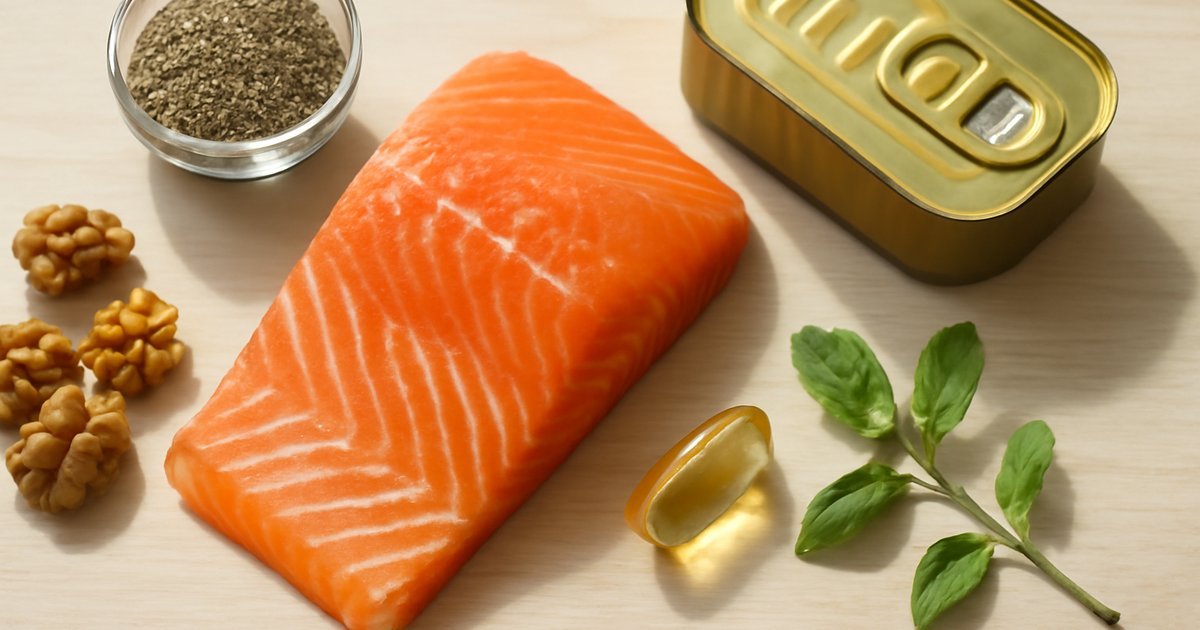
    ALA (alpha-linolenic acid) is found mostly in plant foods like flaxseed, chia seeds, and walnuts. It’s technically an omega-3, but your body can only convert a small percentage of it into the more active EPA and DHA — typically less than 10%, according to the NIH. So while ALA has its value, relying on it alone won’t give you the full spectrum of benefits most studies are measuring.

    EPA and DHA are found primarily in fatty fish, seafood, and algae. These are the forms that directly influence inflammation pathways, brain cell membranes, and cardiovascular markers. When researchers talk about omega-3 benefits in clinical studies, they’re almost always measuring EPA and DHA specifically.

    One common myth worth busting: "I eat a healthy diet, so I don’t need to worry about omega-3s." Unless that healthy diet regularly includes fatty fish like salmon, mackerel, sardines, or anchovies, there’s a good chance your EPA and DHA intake is lower than optimal. A 2021 analysis published in the journal Nutrients found that average EPA and DHA consumption among U.S. adults remains well below the commonly recommended 250–500 mg per day for general health maintenance.

    The mechanism is worth understanding too. Omega-3s compete with omega-6 fatty acids for the same metabolic pathways. The modern American diet tends to be heavily skewed toward omega-6s (found in vegetable oils, processed snacks, and fast food), which can promote inflammatory signaling when the balance tips too far. Increasing omega-3 intake helps recalibrate that ratio — not by eliminating omega-6s, but by giving your body the counterbalance it needs.

    How to Start Getting More Omega-3s: Practical Steps

    The good news: you don’t need to make dramatic changes to meaningfully increase your omega-3 intake. Here’s a practical roadmap based on where you’re starting from.

    Beginner Level — Food First:

    • Aim for two servings of fatty fish per week. A 3.5-ounce serving of Atlantic salmon provides roughly 2,000–2,500 mg of combined EPA and DHA — covering multiple days of needs in one meal.
    • Add ground flaxseed or chia seeds to smoothies, oatmeal, or yogurt. These won’t replace EPA/DHA, but they do contribute ALA and come with fiber and other benefits.
    • Swap out refined oils for olive oil in cooking, and try snacking on walnuts instead of processed crackers.

    Intermediate Level — Adding a Supplement:

    • If you don’t eat fish regularly (due to preference, cost, or dietary restrictions), a standard fish oil or algae-based omega-3 supplement offering 500–1,000 mg of combined EPA and DHA per day is a reasonable starting point for general health.
    • Look for supplements that have been third-party tested (NSF International, USP, or IFOS certification) to verify purity and actual EPA/DHA content.
    • Algae-based omega-3 supplements are a well-validated option for vegetarians and vegans — they deliver DHA and EPA directly, bypassing the low-conversion issue of plant-based ALA.

    Advanced Level — Targeted Intake:

    • For individuals with elevated triglycerides, specific cardiovascular risk, or joint inflammation concerns, higher doses (2,000–4,000 mg EPA/DHA per day) are sometimes used clinically — but this range warrants guidance from a physician or registered dietitian, as high doses can have blood-thinning effects.
    • Consider tracking your intake for two weeks using a free food diary app to get a realistic baseline before deciding on supplementation.

    Common Mistakes That Quietly Undermine Your Omega-3 Results

    Even people who are genuinely trying to optimize their omega-3 intake often make avoidable errors. Here are the most common ones:

    Mistake 1: Relying solely on flaxseed or chia seeds as your omega-3 source.
    These are great foods with real health value, but as noted above, the conversion of ALA to active EPA and DHA is highly inefficient. If your goal is brain support, heart health, or anti-inflammatory effects, you need a direct source of EPA and DHA — from fish, seafood, or algae-based supplements.

    Mistake 2: Buying a low-quality supplement and assuming all fish oil is the same.
    The omega-3 supplement market is notoriously inconsistent. A 2022 review found that many commercially available fish oil products contain significantly less EPA and DHA than their labels claim — and some show signs of oxidation, which may reduce their effectiveness. Always check for third-party certification and look at the actual EPA/DHA content on the label, not just the "fish oil" total.

    Mistake 3: Taking your omega-3 supplement on an empty stomach.
    Fish oil capsules taken without food are a common cause of the dreaded "fish burp" — and they’re also absorbed less efficiently. Take omega-3 supplements with a meal that contains some fat to improve absorption and reduce GI discomfort. This one simple fix makes a noticeable difference for most people.

    Mistake 4: Ignoring the omega-6 to omega-3 ratio in your overall diet.
    Adding omega-3s while continuing to eat a diet high in refined vegetable oils and ultra-processed food is like trying to bail water out of a leaky boat. A meaningful improvement in omega-3 status often requires some reduction in omega-6-heavy oils like corn, soybean, and sunflower oil — alongside increasing omega-3 intake.

    The Best Food Sources of Omega-3 Fatty Acids

    The Academy of Nutrition and Dietetics recommends prioritizing whole food sources of omega-3s when possible, with supplementation used to fill genuine gaps. Here’s where to focus your attention:

    Top EPA and DHA sources (per 3.5 oz / 100g serving):

    • Mackerel: ~5,000 mg — one of the highest natural sources available
    • Atlantic salmon (wild-caught): ~2,200 mg — widely accessible and versatile
    • Sardines (canned in water): ~1,500 mg — affordable, shelf-stable, and underrated
    • Anchovies: ~2,000 mg — small but nutrient-dense, great in sauces and dressings
    • Rainbow trout: ~1,000 mg — a milder option that’s widely available
    • Oysters: ~500 mg — bonus: they’re also rich in zinc and vitamin B12

    Top ALA sources (plant-based, per tablespoon or ounce):

    • Ground flaxseed (1 tbsp): ~1,600 mg ALA
    • Chia seeds (1 oz): ~5,000 mg ALA
    • Walnuts (1 oz): ~2,500 mg ALA
    • Hemp seeds (1 tbsp): ~1,000 mg ALA

    A note on farmed vs. wild-caught fish: while wild-caught varieties tend to have slightly higher omega-3 content and a better omega-6 to omega-3 ratio, the difference is modest for most people. Eating farmed salmon twice a week still delivers meaningful EPA and DHA — don’t let perfect be the enemy of good here.

    For practical meal ideas, pairing any of the fatty fish options above with vegetables sautéed in olive oil, alongside a side of leafy greens, creates a genuinely anti-inflammatory meal without requiring any exotic ingredients. If you’re looking to pair this habit with other anti-inflammatory lifestyle strategies, the piece on the connection between chronic stress and inflammation is worth reading alongside this one.

    How Long Until You Notice a Difference — and What to Track

    One of the most realistic things you can hear about omega-3 supplementation: results are often gradual and internal. You won’t feel an omega-3 "kick" the next morning the way you might with caffeine. But that doesn’t mean nothing is happening.

    According to research from the journal PLEFA (Prostaglandins, Leukotrienes and Essential Fatty Acids), meaningful changes in blood omega-3 index — a measure of EPA and DHA as a percentage of red blood cell fatty acids — typically occur within 4 to 8 weeks of consistent supplementation or dietary change. The recommended omega-3 index for cardiovascular risk reduction is above 8%, while most Americans sit around 4–5%.

    What to track and notice over 4–12 weeks:

    • Subjective changes in joint stiffness or morning soreness, particularly if you exercise regularly
    • Mood stability and general sense of mental clarity — DHA’s role in brain membrane function can have subtle effects on cognitive ease over time
    • Triglyceride levels, if your doctor monitors them during routine bloodwork — omega-3s are one of the most consistently effective dietary tools for lowering elevated triglycerides
    • Skin hydration and appearance — omega-3s support the skin’s lipid barrier, and some people notice improvements in dryness or texture within 6–8 weeks

    If you’re managing a cardiovascular condition, working with a physician to test your omega-3 index before and after 3–6 months of intervention gives you objective data. For most healthy adults, consistency is the most important variable — two to four servings of fatty fish per week, or a quality supplement taken daily with meals, is the practical target.

    If you’re also working on overall cellular health and energy, consider reading about mitochondrial health — omega-3s and mitochondrial function are closely interrelated in the research on healthy aging.

    Frequently Asked Questions

    Is it better to get omega-3s from food or supplements?
    Whole food sources are generally preferred because they come packaged with other nutrients — protein, vitamins, minerals — that supplements can’t replicate. That said, if you genuinely don’t eat fish, a high-quality algae-based or fish oil supplement is a well-supported alternative. The Academy of Nutrition and Dietetics recognizes both as valid approaches depending on individual circumstances.

    Can you take too much omega-3?
    Yes, though it takes fairly high doses. The FDA considers up to 3,000 mg of EPA and DHA per day from supplements to be generally safe for most adults, with caution advised above 5,000 mg due to potential blood-thinning effects and the risk of bleeding complications. At typical doses (500–1,000 mg/day), side effects are minimal and usually limited to GI discomfort if taken on an empty stomach.

    Are omega-3s useful for mental health?
    Research suggests a modest benefit for mood and depression symptoms, particularly with higher EPA content. A meta-analysis published in JAMA Network Open found that omega-3 supplementation was associated with improved depressive symptoms in adults. This is an area of active research and the effect sizes vary, but the risk-to-benefit ratio for most adults is favorable. This doesn’t replace clinical mental health treatment, but it can be a meaningful supportive habit.

    What about mercury and contaminants in fish?
    This is a legitimate concern for certain populations, particularly pregnant women and young children. The FDA advises those groups to limit high-mercury fish (like swordfish, tilefish, and king mackerel) while encouraging low-mercury choices like salmon, sardines, and trout. For most healthy adults eating two servings of fatty fish per week, the benefits significantly outweigh the mercury exposure risk. Quality fish oil supplements are typically purified to remove mercury and PCBs — look for IFOS-certified products for verified safety.

    Do omega-3s help with weight management?
    Evidence here is mixed. Omega-3s don’t directly cause fat loss, but research from the Journal of Nutritional Biochemistry suggests they may support insulin sensitivity and lean muscle preservation when combined with exercise and a balanced diet. They’re not a weight loss intervention on their own, but they fit well within a broader healthy lifestyle strategy. For foundational approaches to weight management, pairing omega-3 intake with sustainable dietary habits — like those explored in the guide to intermittent fasting — may offer complementary benefits.

    The Bottom Line on Omega-3 Fatty Acids

    Omega-3 fatty acids aren’t a miracle supplement — and they don’t need to be. What they are is one of the most consistently supported dietary interventions in modern health research, with benefits that range from cardiovascular and brain health to inflammation management and mood stability.

    You don’t need a complicated plan. Start with two servings of fatty fish per week. Add a quality supplement if needed. Take it with food. Be consistent for at least eight weeks before evaluating how it’s working for you.

    The goal isn’t perfection — it’s building a reliable baseline of nutrients your body genuinely needs. Small, consistent actions compound into meaningful health outcomes over months and years. Omega-3s, done simply and consistently, are one of the most rewarding places to start.

    This article is for informational and educational purposes only. The content is not intended to replace professional medical, nutritional, or fitness advice. Always consult a qualified healthcare provider, registered dietitian, or certified fitness professional before starting a new health program or making significant changes to your lifestyle.

    Content reviewed by our wellness editorial team, with references to peer-reviewed research and guidelines from leading health organizations.


  • Intermittent Fasting: A Beginner’s Complete Guide

    Intermittent Fasting: A Beginner’s Complete Guide

    You’ve probably heard someone at work mention they “don’t eat until noon” — and wondered if that’s actually healthy or just another trend dressed up in science.

    If you’ve ever felt stuck in a cycle of snacking, low energy, and frustrating weight plateaus, you’re not alone. Millions of American adults are searching for a sustainable way to eat — not another crash diet, not a 30-day elimination program, and definitely not a meal plan that requires cooking five different things on Sunday night.

    Intermittent fasting (IF) has moved well beyond its trendy phase. Today, it’s backed by a growing body of research on metabolic health, inflammation, and even brain function. But it’s also surrounded by myths, confusion, and — let’s be honest — a fair amount of hype.

    In this guide, you’ll learn exactly how intermittent fasting works, what the science actually says, how to start safely, and what to realistically expect. Whether you’re completely new to IF or you’ve tried it before and gave up, this article gives you the practical framework to do it right — without obsessing over every hour on the clock.

    Why Intermittent Fasting Matters More Than You Think

    Most approaches to healthy eating focus entirely on what you eat. Intermittent fasting shifts the conversation to when you eat — and that distinction turns out to matter quite a bit for your biology.

    Here’s a striking stat: according to a study published in the New England Journal of Medicine, intermittent fasting triggers several metabolic shifts that don’t occur during typical caloric restriction alone. These include changes in insulin sensitivity, cellular repair processes (called autophagy), and inflammatory markers.

    For most American adults, the average eating window spans 14 to 16 hours per day — meaning the body rarely gets an extended rest from digestion and insulin release. This chronic feeding pattern has been linked to increased insulin resistance, energy crashes, and difficulty managing body composition over time.

    Intermittent fasting works against that baseline by compressing your eating into a defined window. This gives your body more time in a fasted state, where it shifts fuel sources, repairs cellular damage, and regulates key hormones more effectively.

    The good news? You don’t need to fast for 24 hours to benefit. Even a modest extension of your overnight fast can begin to make a measurable difference in how you feel day to day.

    How Intermittent Fasting Actually Works

    Let’s bust the biggest myth first: intermittent fasting is not about starving yourself. It’s about strategically timing your eating to align with your body’s natural metabolic rhythms.

    When you eat, your blood sugar rises and your pancreas releases insulin to help move glucose into your cells. After a meal, insulin levels remain elevated for several hours. During this window, your body prioritizes burning glucose for fuel — and fat-burning takes a back seat.

    Once you’ve gone roughly 10 to 12 hours without eating, insulin levels drop significantly. Your body begins to shift toward using stored fat for energy. After about 16 to 18 hours, autophagy — the process by which cells clear out damaged proteins and components — becomes more active. Research from Harvard Health Publishing confirms that this cellular “housekeeping” process is associated with reduced inflammation and may play a role in long-term disease prevention.

    A common misconception is that skipping breakfast automatically slows your metabolism. A review published in Obesity Reviews found no consistent evidence that meal frequency alone significantly affects resting metabolic rate in healthy adults. What matters more is total caloric intake and food quality — not whether you eat at 7 a.m. or noon.

    It’s also worth noting that results vary significantly depending on your starting point, stress levels, sleep quality, and overall diet. Intermittent fasting is a tool — not a universal fix.

    How to Get Started: Practical Steps by Level

    The most common reason people fail with intermittent fasting is jumping in too aggressively. Starting with a 24-hour fast when your body is used to eating every 3 hours is a recipe for headaches, irritability, and giving up by day two.

    Here’s a level-based approach that actually works:

    Beginner — The 12:12 Method

    • Fast for 12 hours, eat within a 12-hour window (e.g., 7 a.m. to 7 p.m.)
    • This is the entry point — most people already do this without realizing it
    • Focus on consistency over perfection for the first two weeks
    • Drink water, black coffee, or plain herbal tea during the fasting window

    Intermediate — The 16:8 Method

    • Fast for 16 hours, eat within an 8-hour window (e.g., 11 a.m. to 7 p.m.)
    • This is the most researched and widely practiced IF protocol
    • Gradually shift your eating window by 30 minutes every 3-4 days
    • Pair with nutrient-dense meals — IF doesn’t cancel out poor food choices

    Advanced — The 18:6 or 5:2 Method

    • 18:6 compresses eating to 6 hours, increasing fasted time and metabolic benefits
    • 5:2 involves eating normally 5 days per week and limiting intake to 500-600 calories on 2 non-consecutive days
    • Best for those with several months of IF experience and stable energy levels
    • Always assess how your body responds — this level isn’t appropriate for everyone

    Regardless of method, prioritize whole foods during your eating window: lean proteins, healthy fats, vegetables, and complex carbohydrates. IF doesn’t work as well when your eating window is filled with ultra-processed foods.

    Common Mistakes That Sabotage Your Results

    Even motivated people make these errors — and they’re easy to fall into, especially in the first few weeks.

    Mistake 1: Breaking your fast with the wrong foods
    After 16 hours of fasting, it’s tempting to dive into a large meal. But breaking your fast with high-sugar foods or refined carbohydrates causes a sharp insulin spike that can trigger energy crashes, cravings, and undoes some of the metabolic benefits. Instead, break your fast with protein and healthy fat first — eggs, avocado, Greek yogurt, or a small handful of nuts — then introduce complex carbs.

    Mistake 2: Not drinking enough water during the fast
    Dehydration is one of the most underrated saboteurs of IF. Many people mistake thirst for hunger during the fasting window, which leads to breaking the fast unnecessarily. Aim for at least 64 ounces of water throughout the day, starting as soon as you wake up. Black coffee and unsweetened herbal tea are allowed and may help with appetite management.

    Mistake 3: Overcompensating with calories during the eating window
    IF is not a license to eat unlimited food. Some people unconsciously eat significantly more during their shorter window, negating any caloric adjustment. You don’t need to obsessively count every calorie, but being mindful of portion sizes and food quality during your eating window is essential for meaningful results.

    Mistake 4: Ignoring sleep as part of the fast
    Sleep counts as fasting time — this is one of the most efficient ways to extend your fasted window without effort. If you stop eating at 7 p.m. and wake up at 7 a.m., you’ve already completed a 12-hour fast before your morning coffee. Build your schedule around this built-in advantage rather than fighting it. For more on optimizing your sleep patterns, Mastering Breathwork: Your Guide to Calming Stress offers complementary strategies for winding down effectively at night.

    What to Eat (and What to Limit) During Your Eating Window

    The quality of your meals matters enormously when you’re working with a compressed eating window. You have fewer meals to pack in your nutrients — so each one needs to count.

    Prioritize these during your eating window:

    • Protein: Aim for 25-40 grams per meal — eggs, chicken, salmon, legumes, Greek yogurt. The Academy of Nutrition and Dietetics recommends 0.8 to 1.2 grams of protein per kilogram of body weight for active adults, and this target becomes especially important during IF.
    • Fiber-rich vegetables: Leafy greens, broccoli, peppers, and cauliflower support gut health and help you feel satisfied — critical when you’re eating fewer meals. For additional insight on gut-supportive foods, check out The Gut-Brain Connection: Fueling Your Mood and Mind.
    • Healthy fats: Avocado, olive oil, nuts, and fatty fish help sustain energy and reduce hunger between meals.
    • Complex carbohydrates: Oats, sweet potatoes, quinoa, and brown rice — timed around physical activity for best results.

    Limit these during your eating window:

    • Ultra-processed snack foods and added sugars — they spike insulin rapidly and shorten satiety
    • Alcohol — it disrupts sleep quality, increases cortisol, and weakens the fasted state benefits
    • Liquid calories during the fast (juice, soda, lattes) — these break your fast and trigger insulin release

    The USDA Dietary Guidelines for Americans emphasize a pattern of eating rich in whole foods, lean protein, and minimally processed ingredients — a principle that aligns well with the IF framework.

    How Long Until You See Results — and What to Track

    Here’s the honest answer: it depends. And anyone who tells you otherwise is oversimplifying your biology.

    That said, here’s a realistic evidence-based timeline:

    • Days 1-5: Adjustment phase. You may feel hungrier than usual, slightly irritable, or experience mild headaches. This is normal as your body adapts to longer gaps between meals. Stay hydrated and don’t quit during this window.
    • Weeks 2-3: Most people report stabilizing hunger levels, improved morning energy, and reduced afternoon energy crashes. These are early signs your metabolic adaptation is working.
    • Weeks 4-8: If paired with consistent food quality and moderate physical activity, measurable changes in body composition, fasting blood sugar, and inflammation markers may begin to appear. A 2020 study published in Cell Metabolism found that time-restricted eating improved cardiometabolic health markers in overweight adults within 12 weeks.
    • 3+ months: Long-term practitioners often report sustained energy improvements, better relationship with hunger cues, and easier weight management without strict calorie counting.

    What to track:

    • Energy levels throughout the day (morning vs. afternoon)
    • Hunger patterns — are they becoming more predictable?
    • Sleep quality and mood
    • Waist circumference (more reflective of metabolic change than scale weight alone)
    • If applicable: fasting blood glucose (useful for those with insulin resistance concerns)

    If after 8-10 weeks you’re still experiencing significant fatigue, mood disruptions, or worsening sleep, reassess your approach with a registered dietitian or your primary care provider. IF isn’t for everyone — including those who are pregnant, managing eating disorder history, or on certain medications.

    Frequently Asked Questions

    Can I drink coffee during the fasting window?
    Yes — plain black coffee is generally considered compatible with intermittent fasting. It contains negligible calories and does not meaningfully spike insulin. However, adding cream, sugar, or flavored syrups breaks your fast. If you need milk, keep it to a very small splash and understand it may slightly reduce fasting benefits.

    Will intermittent fasting cause muscle loss?
    This is a valid concern, especially for active adults. Research suggests that IF does not cause greater muscle loss than continuous caloric restriction when protein intake is adequate. The key is consuming sufficient protein during your eating window (0.8-1.2g per kg of body weight) and maintaining resistance training. According to the American College of Sports Medicine, combining strength training with IF helps preserve lean mass effectively.

    Is intermittent fasting safe for women?
    This is nuanced. Some research suggests women may be more sensitive to caloric restriction signals, with potential effects on hormonal cycles in cases of very aggressive fasting. Most experts recommend that women start with the more moderate 12:12 or 14:10 approach and monitor their menstrual cycle, energy, and mood closely. If irregularities occur, scaling back is advised. Always consult with a healthcare provider if you have hormonal health concerns — resources like Building Strong Bones: A Woman’s Guide to Lifelong Bone Health can also provide context for nutrition priorities specific to women.

    Do I need to exercise while fasting?
    Exercise is not required for IF to work, but it enhances results significantly. Low-to-moderate intensity exercise (walking, yoga, light strength training) is well-tolerated in a fasted state by most people. High-intensity training may be better timed closer to or within your eating window to support recovery and performance.

    What if I get really hungry during the fasting window?
    Hunger during the fast is normal in the first 1-2 weeks. Drinking water, black coffee, or herbal tea often reduces perceived hunger significantly. Hunger also tends to come in waves — if you wait 15-20 minutes, the sensation often passes. If hunger is severe and persistent after two weeks, it may indicate your eating window is too short or your meals aren’t nutritionally complete enough.

    Start Small, Stay Consistent, and Let the Science Work

    Intermittent fasting isn’t a miracle — but it is a genuinely useful framework for the right person, done the right way. The research is real, the benefits are meaningful, and the approach is far more flexible than most people realize.

    You don’t need to jump straight into 18-hour fasts or overhaul your entire schedule. Start with a 12-hour window tonight — finish dinner by 7 p.m. and don’t eat again until 7 a.m. That’s it. That’s your Day 1.

    Small steps done consistently outperform aggressive starts every single time. Give yourself a realistic 4-week trial, track how you feel, and adjust from there. Your body is more capable of adapting than you might think — it just needs the right conditions and a little time.

    This article is for informational and educational purposes only. The content is not intended to replace professional medical, nutritional, or fitness advice. Always consult a qualified healthcare provider, registered dietitian, or certified fitness professional before starting a new health program or making significant changes to your lifestyle.

    Content reviewed by our wellness editorial team, with references to peer-reviewed research and guidelines from leading health organizations.

  • How Much Water Should You Really Drink Each Day?

    How Much Water Should You Really Drink Each Day?

    How Much Water Should You Really Drink Each Day?

    The "8 glasses a day" rule has been repeated for decades — but the science tells a more nuanced, and actually more useful, story.

    You’ve probably heard it a hundred times: drink eight glasses of water a day. It sounds simple, clean, and easy to follow. But if you’ve ever wondered where that number actually came from — or why you still feel foggy, tired, or sluggish even when you hit it — you’re not alone.

    Hydration is one of the most foundational pillars of healthy living, yet it’s also one of the most misunderstood. The truth is, your ideal daily water intake depends on far more than a generic number. Your body size, activity level, climate, diet, and even your stress levels all play a role.

    In this guide, you’ll learn what the research actually says about hydration, how to tell if you’re genuinely drinking enough, what happens to your body when you’re even mildly dehydrated, and how to build sustainable hydration habits that actually fit your life — no obsessive tracking required.

    Why Hydration Matters More Than You Think

    Water isn’t just a thirst quencher. It’s a physiological necessity that touches virtually every system in your body. According to the National Institutes of Health, water makes up approximately 60% of the adult human body and plays a critical role in regulating temperature, transporting nutrients, flushing waste, lubricating joints, and supporting kidney function.

    What most people don’t realize is how quickly suboptimal hydration starts to affect how you feel and function. Research published in the Journal of Nutrition found that mild dehydration — as little as 1-2% loss of body water — was enough to impair cognitive performance, reduce concentration, and elevate feelings of fatigue and anxiety, particularly in women.

    That mid-afternoon energy crash you blame on lunch? It might not be the food. It might be the fact that you’ve been sipping coffee since 8 a.m. and forgot to drink water until noon.

    Hydration also directly affects physical performance. The American College of Sports Medicine (ACSM) notes that even modest fluid losses during exercise can reduce endurance, increase perceived effort, and impair coordination. For anyone trying to stay active, this matters enormously.

    Beyond performance, adequate hydration supports skin elasticity, digestive regularity, blood pressure stability, and even metabolic efficiency. In short: if you want your body to work well, it needs consistent access to water throughout the day.

    The Science Behind Daily Water Needs — And Why "8×8" Oversimplifies It

    The famous "8 glasses a day" rule — or 8×8, meaning eight 8-ounce glasses — is not based on a specific clinical study. According to Harvard Health Publishing, researchers have traced its origins to a 1945 U.S. Food and Nutrition Board recommendation that suggested roughly 2.5 liters of water daily. Crucially, the original recommendation noted that "most of this quantity is contained in prepared foods" — a caveat that somehow got lost over the decades.

    So what does current science actually say? The National Academies of Sciences, Engineering, and Medicine updated guidance recommends approximately 3.7 liters (125 oz) of total water per day for men and 2.7 liters (91 oz) for women — from all beverages and food combined. Since food typically accounts for about 20% of water intake, that translates to roughly 13 cups of fluids for men and 9 cups for women as a daily starting point.

    One common myth worth busting: coffee and tea don’t dehydrate you. While caffeine has a mild diuretic effect, research published in PLOS ONE found that moderate caffeine consumption (up to 400mg/day) does not meaningfully impair hydration status in regular consumers. Your morning coffee counts toward your daily fluid intake.

    Another myth: thirst is always a reliable indicator. For most healthy adults under age 40, thirst is a reasonably accurate guide. However, older adults, highly active individuals, and people in hot climates often experience a blunted thirst response — meaning they need to drink proactively, before they feel thirsty.

    How to Build a Sustainable Hydration Habit

    Knowing the numbers is one thing. Building the habit is where most people struggle. Here’s a practical framework that works regardless of your schedule.

    Start with your baseline: A simple rule of thumb from Mayo Clinic — drink half your body weight in ounces as a daily fluid target. If you weigh 160 pounds, aim for around 80 ounces. This is a starting estimate, not a hard ceiling or floor.

    Anchor hydration to existing habits:

    • Drink one full glass of water immediately after waking up, before coffee or food.
    • Keep a water bottle at your desk, in your car, and on your nightstand.
    • Drink a glass before every meal — this also supports better digestion and portion awareness.
    • Set a phone reminder for mid-morning and mid-afternoon if you consistently forget.

    Beginner level: Focus on just two anchors — morning glass and pre-meal glass. That alone can add 3-4 cups to your day without effort.

    Intermediate level: Track for one week using a simple tally or a hydration app. Most people dramatically underestimate how little they’re drinking until they see it in data.

    Advanced level: Adjust for variables. On days you exercise hard, are in the heat, or feel unusually stressed, add 16-24 ounces beyond your baseline. If you eat a lot of fruits and vegetables, your food-based water intake is already higher than average.

    For those who struggle with plain water, infusing it with cucumber, lemon, mint, or berries can make it significantly more appealing without adding significant sugar or calories. Sparkling water counts too.

    Common Hydration Mistakes That Sabotage How You Feel

    Even health-conscious people fall into these patterns — and they’re surprisingly easy to fix once you know what to look for.

    Mistake #1: Drinking large amounts all at once instead of spreading it out. Chugging 32 ounces in one sitting doesn’t hydrate you as effectively as sipping regularly throughout the day. Your kidneys can only process about 27-34 ounces of water per hour. Overwhelming them leads to rapid excretion, not absorption. Fix it: think of hydration as a slow, steady drip — not a binge-and-compensate cycle.

    Mistake #2: Relying solely on thirst as a signal — especially after 40. As mentioned, thirst sensitivity declines with age. A study in the European Journal of Clinical Nutrition found that older adults are significantly more prone to underhydration because of this blunted response. Fix it: use environmental cues and routines rather than waiting for thirst to drive your drinking.

    Mistake #3: Forgetting to rehydrate after exercise. Many people drink during a workout but skip the post-session rehydration. The ACSM recommends drinking approximately 16-24 ounces of fluid for every pound of body weight lost during exercise. Weighing yourself before and after a workout is one way to gauge this. Fix it: make a post-workout glass of water as automatic as your cool-down stretch.

    Mistake #4: Drinking too much plain water without electrolytes during intense exercise. On the other end of the spectrum, drinking excessive plain water during prolonged activity can dilute sodium levels — a condition called hyponatremia. For workouts under an hour, plain water is fine. For longer sessions or heavy sweating, consider fluids with sodium, potassium, or magnesium. Fix it: for endurance exercise over 60-90 minutes, opt for an electrolyte-containing beverage.

    Foods That Help You Stay Hydrated (And What to Limit)

    The USDA Dietary Guidelines acknowledge that food contributes meaningfully to total fluid intake — typically around 20%. Prioritizing water-rich foods is one of the most underused hydration strategies available.

    High-water foods to eat regularly:

    • Cucumber: ~96% water. Easy to snack on and pairs well with hummus.
    • Watermelon: ~92% water. A cup provides about 5 ounces of water, plus lycopene.
    • Celery, lettuce, zucchini: All above 90% water content.
    • Strawberries and oranges: Around 87-91% water, with added vitamin C and fiber.
    • Broth-based soups: Excellent hydration vehicle, especially in colder months.
    • Plain Greek yogurt: About 85% water and a strong protein source.

    What can work against hydration: High sodium foods (processed snacks, deli meats, canned soups with excess salt) increase your water retention needs. Alcohol is genuinely dehydrating — it suppresses the hormone that signals your kidneys to retain water, leading to increased fluid output. According to the Academy of Nutrition and Dietetics, for every alcoholic drink, your body excretes more water than the drink provides. If you drink alcohol, add an extra glass of water per drink.

    You don’t need to overhaul your entire diet — just be aware that a meal heavy in sodium and alcohol is a hydration double hit that requires conscious compensation.

    How Long Until You Feel a Difference — And What to Track

    Most people notice meaningful changes within 3-7 days of consistently improving their hydration habits. The early signals are often subtle but unmistakable: better morning energy, fewer headaches, more consistent digestion, and clearer thinking in the afternoon.

    Key metrics to monitor:

    • Urine color: The most practical real-time indicator. Pale yellow (like lemonade) indicates good hydration. Dark yellow or amber means you need more water. Completely clear can indicate overhydration.
    • Morning energy levels: Note how you feel within the first 30 minutes of waking. Improved hydration often correlates with easier mornings.
    • Skin elasticity: Gently pinch the skin on the back of your hand. In well-hydrated individuals, it bounces back quickly. This is a rough indicator, not a clinical test.
    • Headache frequency: Tension headaches are commonly triggered by mild dehydration. If you notice fewer headaches, that’s a meaningful data point.

    When to seek guidance: if you’re experiencing chronic thirst despite drinking adequately, persistent dark urine, extreme fatigue, or swelling in your legs or feet, consult a healthcare provider. These can be signs of underlying conditions — kidney issues, diabetes, or hormonal imbalances — that hydration alone won’t resolve.

    For people managing chronic illness, taking medications, or dealing with kidney concerns, personalized hydration guidance from a registered dietitian or physician is always the best approach. Results vary significantly based on individual health status.

    Frequently Asked Questions

    Does drinking more water help with weight management?
    Research suggests it can support satiety and reduce caloric intake when consumed before meals. A study in the journal Obesity found that adults who drank 16 ounces of water before meals lost more weight over 12 weeks than those who didn’t. However, water alone doesn’t cause fat loss — it works best as part of an overall healthy eating pattern.

    Is sparkling water just as hydrating as still water?
    Yes. According to Mayo Clinic, carbonated water hydrates just as effectively as still water. The carbonation doesn’t reduce absorption. Just check labels on flavored sparkling waters for added sugars or sodium.

    Can you drink too much water?
    In rare cases, yes. Hyponatremia — dangerously low blood sodium caused by excessive water intake — is most commonly seen in endurance athletes who drink large volumes of plain water without electrolyte replacement. For most healthy adults following normal daily activity, drinking to thirst and stopping when urine is pale yellow is sufficient to avoid overhydration.

    Does coffee really dehydrate you?
    Moderate coffee consumption (1-3 cups per day) does not cause net dehydration in regular drinkers, according to research cited by Harvard Health Publishing. Your body adapts to caffeine’s mild diuretic effect. You still get most of the fluid value from your morning cup.

    Should I drink water before bed?
    A small glass of water before bed is fine for most people. However, drinking large amounts right before sleep can disrupt sleep quality by prompting nighttime bathroom trips. If sleep quality is a priority for you — and it should be — check out our Sleep Hygiene Habits: Your Blueprint for Restful Nights for a full breakdown of evening routines that work.

    Start Simple. Stay Consistent.

    You don’t need a complicated system, an expensive tracker, or a strict daily quota to be well-hydrated. What you need is awareness, a few smart anchors in your daily routine, and the understanding that your body gives you real-time feedback if you pay attention to it.

    Start with just one change today: drink a full glass of water right when you wake up. Build from there. Small, consistent habits compound into meaningful results over time — and hydration is one of the few health habits where you’ll feel the difference quickly.

    Your energy, focus, and overall sense of well-being are worth a glass of water. And if you’re looking to support those habits with other foundational practices, our guide on 10 Daily Habits That Actually Reduce Stress Long-Term is a natural next read.


    This article is for informational and educational purposes only. The content is not intended to replace professional medical, nutritional, or fitness advice. Always consult a qualified healthcare provider, registered dietitian, or certified fitness professional before starting a new health program or making significant changes to your lifestyle.

    Content reviewed by our wellness editorial team, with references to peer-reviewed research and guidelines from leading health organizations including the National Institutes of Health, National Academies of Sciences, American College of Sports Medicine, Mayo Clinic, Harvard Health Publishing, and the Academy of Nutrition and Dietetics.

  • Sleep Hygiene Habits: Your Blueprint for Restful Nights

    Sleep Hygiene Habits: Your Blueprint for Restful Nights

    Waking up tired, even after 7 hours, feels like a cruel joke your body plays. You've done everything "right" by the clock, yet your body and mind still feel sluggish. It's a common frustration, and if you've been there, you're far from alone. The truth is, it's often not just about the quantity of your sleep, but the quality. Many adults struggle with sleep, reporting insufficient rest that impacts their daily lives, work, and overall well-being.

    It's easy to fall into the trap of thinking "more hours" is the only solution. But what if the real problem lies in the habits surrounding your sleep? What if seemingly small daily choices are sabotaging your natural ability to get truly restorative rest? That's where establishing solid sleep hygiene habits comes in. This isn't about rigid rules that stress you out more; it's about creating an environment and routine that gently guides your body towards its best possible sleep.

    In this comprehensive guide, we'll dive into the science of good sleep, uncover the practical steps you can take to transform your nights, and bust some common myths that keep you from your most energized self. You'll learn exactly how to build a personalized blueprint for restful nights, helping you wake up feeling refreshed, focused, and ready to tackle your day. Let's unlock the power of truly restorative sleep together.

    Why Restful Sleep Matters More Than You Think

    Many of us view sleep as a luxury, or worse, a chore that cuts into our productive hours. Yet, sleep is a fundamental pillar of health, as critical as nutrition and exercise. When you consistently shortchange your sleep, you're not just tired; you're actively impairing nearly every system in your body. It's a silent saboteur of your physical, mental, and emotional well-being.

    Consider the sheer breadth of sleep's impact. While you're asleep, your body is hard at work repairing cells, consolidating memories, processing emotions, and regulating hormones. Poor sleep, therefore, has far-reaching consequences. Research published in the Journal of Clinical Sleep Medicine has shown that chronic sleep deprivation is linked to an increased risk of serious health issues, including obesity, type 2 diabetes, cardiovascular disease, and a weakened immune system. It's not just about feeling groggy; it's about your long-term health trajectory.

    Beyond physical health, the impact on your daily life is immediate and profound. Sleep deprivation affects your cognitive function, making it harder to concentrate, solve problems, and make decisions. Your mood takes a hit, making you more irritable, anxious, and less resilient to stress. Imagine trying to perform at your best, whether at work, with family, or during your workouts, when your brain is running on fumes. It's like trying to drive a car with no oil – you might get somewhere, but you're doing damage along the way. Prioritizing healthy sleep hygiene habits isn't just about avoiding tiredness; it's about investing in a healthier, happier, and more productive you.

    The Science Behind Sleep & How It Actually Works

    Understanding how sleep works is the first step toward improving it. Your body has an intricate internal clock, known as the circadian rhythm, which dictates your sleep-wake cycle over a roughly 24-hour period. This rhythm is primarily influenced by light and darkness, signaling to your brain when it's time to be awake and alert, and when it's time to wind down for rest. Melatonin, often called the "sleep hormone," plays a key role, with its production increasing in the evening as light fades, helping you feel drowsy.

    During a typical night, you cycle through different sleep stages: non-rapid eye movement (NREM) sleep, which has three distinct phases, and rapid eye movement (REM) sleep. NREM stages 1 and 2 are lighter sleep, while NREM stage 3 (deep sleep) is crucial for physical repair and growth. REM sleep, characterized by vivid dreams, is vital for cognitive function, memory consolidation, and emotional processing. A full sleep cycle takes about 90 minutes, and ideally, you experience 4-6 of these cycles per night.

    One pervasive myth is that you can "catch up" on sleep over the weekend. While an extra hour or two might temporarily alleviate some tiredness, research consistently shows that chronic sleep debt cannot be fully repaid. A study published in Current Biology demonstrated that even after a week of recovery sleep, many markers of metabolic and cognitive function did not fully return to baseline after periods of sleep restriction. This highlights that consistent sleep hygiene is far more effective than trying to compensate for lost sleep. Your sleep hygiene habits directly influence how well your circadian rhythm functions and how effectively you move through these vital sleep stages, impacting the overall restorative quality of your rest.

    How to Get Started: Practical Steps for Better Sleep

    Building effective sleep hygiene habits doesn't require an overnight transformation. It's about implementing small, consistent changes that accumulate over time. Here's how to get started, with options for every level:

    1. Establish a Consistent Sleep Schedule:

      • Beginner: Choose a bedtime and wake-up time that allows for 7-9 hours of sleep, and try to stick to it within 30-60 minutes, even on weekends.
      • Intermediate: Commit to the same bedtime and wake-up time every day, aiming for less than a 30-minute deviation.
      • Advanced: Maintain an almost identical sleep-wake schedule seven days a week, allowing your body's circadian rhythm to become perfectly calibrated.
    2. Optimize Your Sleep Environment:

      • Beginner: Make your bedroom as dark as possible by using blackout curtains or an eye mask.
      • Intermediate: Ensure your room is cool (around 60-67°F or 15-19°C) and quiet. Consider earplugs or a white noise machine if needed.
      • Advanced: Create a "sleep sanctuary" – no TV, no work, no bright lights. Keep it exclusively for sleep and intimacy to reinforce the mental association.
    3. Develop a Relaxing Wind-Down Routine:

      • Beginner: Stop using electronic devices 30 minutes before bed.
      • Intermediate: Create a personalized 60-minute routine: warm bath or shower, reading a physical book, gentle stretching, or listening to calming music. Avoid anything stimulating.
      • Advanced: Incorporate mindfulness or meditation into your routine. Consistent practice can significantly reduce pre-sleep anxiety. (You might find some helpful techniques in our article: 10 Daily Habits That Actually Reduce Stress Long-Term).
    4. Manage Light Exposure:

      • Beginner: Get at least 15-30 minutes of natural light exposure within an hour of waking up.
      • Intermediate: Minimize bright artificial light in the evenings, especially blue light from screens. Use "night mode" settings or blue-light-blocking glasses.
      • Advanced: Optimize both morning and evening light exposure to tightly regulate your circadian rhythm.
    5. Mind Your Daytime Habits:

      • Beginner: Limit caffeine intake after early afternoon.
      • Intermediate: Avoid large meals, excessive alcohol, and strenuous exercise too close to bedtime (within 2-3 hours).
      • Advanced: Consistently engage in regular physical activity earlier in the day and ensure proper hydration throughout the day, avoiding excessive fluids right before bed.

    Common Mistakes That Sabotage Results

    Even with the best intentions, it's easy to fall prey to common sleep hygiene pitfalls. Recognizing these mistakes is the first step to correcting them and ensuring your efforts translate into truly restful sleep. These are easy to make, and many people struggle with them, but a little awareness goes a long way.

    1. Inconsistent Sleep Schedule (Especially on Weekends):

      The Mistake: You adhere to a strict sleep schedule during the work week, but then "sleep in" for several extra hours on Saturday and Sunday. This is often called "social jet lag."

      Why It Happens: The allure of catching up on sleep or enjoying late nights with friends is strong. We think we can "bank" sleep or recover lost hours.

      How to Fix It: Aim to keep your weekend sleep and wake-up times within an hour of your weekday schedule. While it might feel restrictive at first, your body thrives on consistency. The National Sleep Foundation emphasizes that regularity is key for a well-functioning circadian rhythm.

    2. Using Your Bedroom for Everything But Sleep:

      The Mistake: Your bedroom doubles as your home office, entertainment center, or even your "thinking space" for problem-solving.

      Why It Happens: Modern living often means smaller spaces and the convenience of devices. It's tempting to work from bed or watch TV right before trying to sleep.

      How to Fix It: Condition your brain to associate your bedroom solely with sleep and intimacy. Move your workspace, keep electronics out of reach, and avoid stimulating activities like watching thrillers or intense planning in bed. This creates a powerful psychological cue for rest.

    3. Ignoring the Power of a Wind-Down Routine:

      The Mistake: You go from high-stimulation activities (answering emails, scrolling social media, intense workouts) straight to trying to sleep.

      Why It Happens: We often underestimate the time our brains and bodies need to transition from alertness to a state conducive to sleep. We expect to flip a switch.

      How to Fix It: Dedicate the 60 minutes before bed to calming activities. This could be reading a physical book, light stretching, listening to a podcast, or taking a warm bath. This signals to your nervous system that it's time to slow down. Consider this your "power-down hour."

    4. Relying on Sleep Aids Without Addressing Root Causes:

      The Mistake: Turning immediately to over-the-counter sleep aids or alcohol as the first solution for poor sleep.

      Why It Happens: These offer a quick fix, promising immediate relief from sleeplessness, which is appealing when you're desperate for rest.

      How to Fix It: While occasional use might be okay, consistently relying on these can mask underlying issues and potentially create dependence. Focus on optimizing your sleep hygiene first. If sleep issues persist, consult a healthcare provider to explore potential medical causes or professional interventions like Cognitive Behavioral Therapy for Insomnia (CBT-I).

    What to Eat & What to Avoid for Better Sleep

    What you consume throughout the day, especially in the hours leading up to bedtime, can significantly impact your sleep quality. It's not just about avoiding certain things; some foods can actually support your body's natural sleep processes.

    Foods and Habits to Embrace:

    • Tryptophan-Rich Foods: Tryptophan is an amino acid that the body converts into serotonin, which then becomes melatonin. Foods like turkey, chicken, eggs, nuts (almonds, walnuts), seeds (pumpkin, sesame), and dairy products are good sources. For example, a small serving of turkey breast with a side of whole-grain toast a few hours before bed could be beneficial.
    • Magnesium-Rich Foods: Magnesium helps relax muscles and calm the nervous system. Spinach, almonds, avocados, bananas, and dark chocolate are excellent sources. According to research cited by Harvard Health Publishing, adequate magnesium intake is crucial for healthy sleep patterns.
    • Complex Carbohydrates: Whole grains like oats, quinoa, and whole-wheat bread can help increase tryptophan availability in the brain. A small bowl of oatmeal a few hours before bed is often a soothing choice.
    • Cherries (Especially Tart Cherries): These are a natural source of melatonin. A small glass of tart cherry juice or a handful of fresh cherries a couple of hours before sleep might help some individuals.
    • Herbal Teas: Chamomile, valerian root, and passionflower teas are often touted for their calming properties. Ensure they are caffeine-free.

    Foods and Habits to Avoid or Limit:

    • Caffeine: The most obvious culprit. Caffeine has a half-life of about 5-6 hours, meaning half of it is still in your system hours after consumption. The American Academy of Sleep Medicine suggests avoiding caffeine at least 6 hours before bedtime. This means cutting out coffee, black tea, energy drinks, and even some sodas by mid-afternoon.
    • Alcohol: While alcohol might make you feel drowsy initially, it disrupts the natural sleep architecture, particularly REM sleep, leading to fragmented and less restorative sleep later in the night. It can also worsen snoring and sleep apnea.
    • Heavy, Fatty, or Spicy Meals Close to Bedtime: Large or rich meals require more digestive effort, which can keep your body active when it should be winding down. Spicy foods can cause heartburn or indigestion. Aim to finish your last substantial meal at least 2-3 hours before bed.
    • Excessive Fluids: While hydration is crucial, consuming too much liquid right before bed can lead to frequent nighttime awakenings for bathroom trips.
    • Sugary Snacks: These can cause blood sugar spikes and crashes, which can disrupt sleep patterns.

    Remember, individual sensitivities vary. Pay attention to how different foods affect your sleep and adjust your intake accordingly. The USDA Dietary Guidelines emphasize balanced nutrition throughout the day, which inherently supports overall health, including sleep.

    How Long Until You See Results & What to Track

    Improving your sleep hygiene isn't like flipping a switch; it's a gradual process. You might not see dramatic changes overnight, but with consistent effort, you can expect to start noticing improvements within a few weeks to a couple of months. For some, especially those with long-standing poor habits, it may take longer as your body re-learns healthy sleep patterns.

    Realistic Timelines:

    • Days 1-7: You might notice subtle shifts, like feeling slightly less groggy in the morning or falling asleep a little faster. Consistency is key here to establish the new routine.
    • Weeks 2-4: More noticeable improvements often emerge. You might find it easier to stick to your schedule, experience fewer awakenings, and feel more rested overall. Your energy levels during the day might also begin to stabilize.
    • Months 1-3+: With sustained effort, your new sleep hygiene habits should become second nature. You'll likely experience deeper, more consistent sleep, leading to enhanced mood, focus, and overall vitality.

    Specific Metrics or Signals to Monitor:

    • Sleep Journal: This is a simple yet powerful tool. For two weeks, record your bedtime, wake-up time, how long it took to fall asleep, number of awakenings, perceived sleep quality (on a scale of 1-5), and how rested you feel upon waking. Also, note down caffeine/alcohol intake and any evening activities. This helps identify patterns and triggers.
    • Wearable Devices: Smartwatches and fitness trackers often have sleep tracking features that measure sleep duration, sleep stages (REM, deep, light), and heart rate during sleep. While not always clinically precise, they can provide useful trends and insights into your sleep patterns.
    • Daytime Energy Levels: How often do you feel the need for a nap? Do you experience afternoon slumps? Improved sleep should translate to more consistent energy throughout the day.
    • Mood and Focus: Notice changes in your irritability, patience, and ability to concentrate. Better sleep significantly enhances these aspects. (For more on improving cognitive function, see our article: How to Keep Your Brain Sharp as You Age: Science-Backed Habits).

    When to Reassess or Seek Professional Guidance:

    If you've diligently implemented strong sleep hygiene habits for 4-6 weeks and are still struggling with significant sleep issues (e.g., persistent insomnia, excessive daytime sleepiness, loud snoring, or suspected sleep apnea), it's crucial to consult a healthcare provider. A doctor can rule out underlying medical conditions, review your medications, or refer you to a sleep specialist. Sleep disorders like sleep apnea or restless legs syndrome require professional diagnosis and treatment, and sleep hygiene alone may not be sufficient.

    Frequently Asked Questions About Sleep Hygiene

    1. Can naps help improve my sleep hygiene?

    Naps can be a double-edged sword. A short, strategically timed nap (20-30 minutes) in the early afternoon can boost alertness without interfering with nighttime sleep for many. However, long naps (over 30 minutes) or napping too late in the day can make it harder to fall asleep at night and disrupt your overall sleep schedule. Listen to your body and adjust accordingly.

    2. Is it really bad to use my phone in bed?

    Yes, for multiple reasons. The blue light emitted by screens can suppress melatonin production, making it harder to feel sleepy. Beyond that, engaging with stimulating content (social media, news, work emails) keeps your mind active and alert, counteracting the relaxation needed for sleep. It also blurs the boundaries of your sleep sanctuary.

    3. How much sleep do adults actually need?

    The National Sleep Foundation recommends 7-9 hours of sleep per night for most adults aged 18-64. While individual needs vary slightly, consistently getting less than 7 hours is associated with negative health outcomes. Aim for within that 7-9 hour window to support optimal health and cognitive function.

    4. What if I can't fall asleep despite good sleep hygiene?

    If you're in bed for more than 20 minutes and can't fall asleep, it's often best to get out of bed. Go to another room and engage in a quiet, relaxing activity (like reading a physical book under dim light) until you feel drowsy again. Lying in bed awake can create anxiety and negative associations with your sleep space. Then, return to bed and try again.

    5. Does exercise help with sleep?

    Absolutely! Regular physical activity can significantly improve sleep quality and duration. However, the timing matters. Strenuous exercise too close to bedtime can raise your core body temperature and heart rate, making it harder to fall asleep. Aim to complete your workouts at least 2-3 hours before you plan to go to bed, ideally earlier in the day.

    Your Journey to Restful Nights Starts Today

    Transforming your sleep doesn't happen overnight, but the journey towards truly restful nights is one of the most impactful investments you can make in your overall health and well-being. By embracing these science-backed sleep hygiene habits, you're not just striving for more hours of sleep; you're cultivating deeper, more restorative rest that will ripple positively through every aspect of your life.

    Remember, perfection isn't the goal, consistency is. Start with one or two habits that feel most doable, and gradually build from there. Each small step – dimming the lights, setting a consistent bedtime, choosing a calming evening activity – is a victory. Don't let past struggles define your future sleep. Take that first practical step today, and begin to unlock the incredible power of truly restorative sleep. Your body and mind will thank you.

    WELLNESS DISCLAIMER: This article is for informational and educational purposes only. The content is not intended to replace professional medical, nutritional, or fitness advice. Always consult a qualified healthcare provider, registered dietitian, or certified fitness professional before starting a new health program or making significant changes to your lifestyle.

    Content reviewed by our wellness editorial team, with references to peer-reviewed research and guidelines from leading health organizations.

  • Anti-Inflammatory Diet: Your Practical Guide to Eating for Wellness

    Anti-Inflammatory Diet: Your Practical Guide to Eating for Wellness

    You don’t have to be sick to feel the drag of chronic inflammation — millions of Americans feel it every day as fatigue, joint stiffness, brain fog, and stubborn weight they can’t seem to shake.

    If you’ve ever woken up feeling puffy, achey, and mentally sluggish despite getting enough sleep, there’s a good chance your diet is quietly working against you. The foods you eat every single day have a direct line of communication with your immune system — and when that line gets noisy, your body pays the price.

    The anti-inflammatory diet isn’t a 30-day challenge or a trendy elimination protocol. It’s a sustainable, evidence-backed eating pattern that helps calm your body’s internal fire — not by cutting out entire food groups, but by shifting the balance toward whole, nutrient-dense foods your biology actually recognizes.

    In this guide, you’ll learn exactly what chronic inflammation is, which foods fan the flames and which ones help cool them down, how to build a realistic anti-inflammatory plate, and what timeline to realistically expect. No gimmicks. No restriction spirals. Just practical, doable steps rooted in real science.

    Why Inflammation Matters More Than You Think

    Inflammation gets a bad reputation — but it’s not inherently the enemy. Acute inflammation is your immune system doing its job: when you cut your finger or fight off a cold, inflammation rushes blood and immune cells to the scene to handle the threat. That’s normal and necessary.

    The problem is chronic, low-grade inflammation — the kind that smolders silently for months or years without an obvious trigger. This is where the damage accumulates.

    According to the National Institutes of Health (NIH), chronic inflammation is now recognized as a contributing factor in many of the most common health conditions affecting American adults, including cardiovascular disease, type 2 diabetes, obesity, depression, and certain cancers. Research published in Nature Medicine described chronic inflammation as "the most significant cause of death in the world," linked to more than 50% of all deaths globally.

    In your daily life, chronic inflammation shows up as:

    • Persistent fatigue that doesn’t resolve with rest
    • Joint stiffness or unexplained aches
    • Skin issues like acne, eczema, or redness
    • Digestive discomfort, bloating, or irregularity
    • Brain fog, poor concentration, or mood swings

    The encouraging news? Diet is one of the most modifiable factors influencing your inflammatory status — and you can start making meaningful shifts today.

    The Science Behind How Food Affects Inflammation

    Your gut is home to trillions of microbes that directly regulate immune function. When you eat ultra-processed foods high in refined sugar, trans fats, and artificial additives, you disrupt the gut microbiome — and a disrupted microbiome produces pro-inflammatory compounds that enter the bloodstream and activate immune responses throughout the body.

    On the flip side, whole foods rich in fiber, antioxidants, and omega-3 fatty acids provide raw materials for anti-inflammatory pathways. Polyphenols found in berries and dark leafy greens, for example, inhibit the activity of NF-κB — a molecular switch that controls the production of inflammatory cytokines.

    One key myth to bust here: Many people think that eating healthy means going low-fat. But research tells a more nuanced story. A landmark study published in The New England Journal of Medicine on the PREDIMED trial — involving over 7,400 participants — found that a Mediterranean-style diet rich in healthy fats (extra-virgin olive oil, nuts, fatty fish) significantly reduced cardiovascular events compared to a low-fat diet. The fats themselves weren’t inflammatory — the types of fats made all the difference.

    Harvard Health Publishing also notes that the glycemic index of your meals matters significantly: high-glycemic foods spike blood sugar rapidly, triggering an insulin response that promotes inflammatory signaling. Low-glycemic foods — legumes, non-starchy vegetables, whole grains — keep blood sugar stable and inflammation lower.

    How to Build an Anti-Inflammatory Plate: Practical Steps

    You don’t need to overhaul your entire kitchen overnight. Start by shifting the ratio of what’s already on your plate.

    Beginner Level — The 80/20 Shift:

    1. Fill half your plate with vegetables. Aim for color variety — dark leafy greens (spinach, kale), red bell peppers, purple cabbage, orange sweet potatoes. Each color signals different phytonutrients with distinct anti-inflammatory actions.
    2. Add a palm-sized portion of quality protein. Wild-caught salmon, sardines, chicken thighs, eggs, or legumes like lentils and chickpeas. Protein supports tissue repair and keeps blood sugar stable.
    3. Include a healthy fat source. A drizzle of extra-virgin olive oil, a quarter of an avocado, or a small handful of walnuts or almonds. These fats help you absorb fat-soluble antioxidants from your vegetables.
    4. Choose whole grains over refined ones. Swap white rice for quinoa or farro, white bread for 100% whole grain. The fiber feeds beneficial gut bacteria and blunts blood sugar spikes.

    Intermediate Level — Targeted Anti-Inflammatory Upgrades:

    • Add turmeric and black pepper to soups, scrambled eggs, or roasted vegetables. Curcumin (turmeric’s active compound) has documented anti-inflammatory properties, and piperine from black pepper increases its absorption by up to 2,000%, according to research published in Planta Medica.
    • Incorporate fermented foods — plain Greek yogurt, kefir, kimchi, or sauerkraut — 3-5 times per week to support gut microbiome diversity.
    • Drink green tea instead of a second cup of coffee. Green tea contains EGCG (epigallocatechin gallate), a potent antioxidant with significant anti-inflammatory properties documented by the Academy of Nutrition and Dietetics.

    Advanced Level — Tracking Inflammatory Load:

    • Use the Dietary Inflammatory Index (DII) as a framework — it scores foods based on their documented pro- or anti-inflammatory effects in clinical research. Focus on consistently increasing anti-inflammatory scores over weeks, not perfecting every meal.
    • Track omega-6 to omega-3 ratio. The ideal ratio is closer to 4:1; the typical American diet runs closer to 20:1. Reduce processed seed oils (soybean, corn, sunflower) and increase fatty fish, flaxseed, and walnuts.

    Common Mistakes That Sabotage Anti-Inflammatory Eating

    Most people who try an anti-inflammatory approach don’t fail because of willpower — they fail because of a few very common, very fixable errors.

    Mistake 1: Focusing only on what to cut out.
    The most effective anti-inflammatory diets are defined by what you add, not just what you remove. When people hyper-focus on elimination, they often feel deprived and eventually overcorrect. Instead, crowd out inflammatory foods by first adding more vegetables, quality proteins, and healthy fats. The processed foods naturally take up less space.

    Mistake 2: Consuming "healthy" foods that are still highly processed.
    Plant-based cookies, protein bars with 20+ ingredients, fruit juices, and flavored yogurts with added sugar can all undermine your anti-inflammatory efforts. The Academy of Nutrition and Dietetics emphasizes reading ingredient lists — if sugar, refined flour, or seed oils appear in the first three ingredients, reconsider the portion or frequency.

    Mistake 3: Ignoring liquid calories and inflammatory beverages.
    Sugary sodas, sweetened coffee drinks, alcohol (especially in excess), and even some "healthy" sports drinks deliver significant inflammatory sugar loads without the compensating fiber or nutrients. Swap toward water, herbal teas, or sparkling water with a squeeze of citrus.

    Mistake 4: All-or-nothing thinking.
    One pizza night doesn’t undo weeks of consistent anti-inflammatory eating. Chronic inflammation is driven by patterns, not individual meals. The Mayo Clinic consistently notes that sustainable dietary change is built on flexibility, not perfection. Give yourself room to enjoy food socially — just anchor your everyday habits to the anti-inflammatory framework.

    What to Eat and What to Limit

    Prioritize these anti-inflammatory foods:

    • Fatty fish: Salmon, mackerel, sardines, anchovies — aim for 2-3 servings per week (3-4 oz per serving). Rich in EPA and DHA omega-3 fatty acids, the most potent anti-inflammatory fats in the human diet.
    • Berries: Blueberries, strawberries, blackberries — ½ cup daily. Packed with anthocyanins that suppress inflammatory markers including CRP (C-reactive protein).
    • Leafy greens: Spinach, arugula, Swiss chard, kale — 2+ cups per day. High in vitamin K, which modulates inflammatory pathways.
    • Extra-virgin olive oil: 1-2 tablespoons daily. Contains oleocanthal, a compound with ibuprofen-like anti-inflammatory effects, according to research from the NIH.
    • Legumes: Lentils, chickpeas, black beans — ½ cup cooked, 4-5 times per week. High-fiber, low-glycemic, and rich in plant-based polyphenols.
    • Nuts and seeds: Walnuts, almonds, flaxseed, chia seeds — 1 oz daily. Provide alpha-linolenic acid (ALA), a plant-based omega-3.
    • Whole spices: Turmeric, ginger, cinnamon, garlic — use liberally in cooking. Each has documented anti-inflammatory compounds at typical culinary doses.

    Limit or reduce these pro-inflammatory foods:

    • Ultra-processed snack foods: Chips, crackers, packaged pastries — high in refined carbohydrates and seed oils that drive oxidative stress.
    • Sugary beverages: Regular soda, sweetened juices, energy drinks — promote blood sugar spikes and increase circulating inflammatory markers.
    • Refined carbohydrates: White bread, white pasta, instant rice — these digest rapidly, spiking blood glucose and triggering inflammatory responses. The USDA Dietary Guidelines recommend making at least half your grains whole grains.
    • Processed meats: Hot dogs, deli meats, sausage with preservatives — linked to elevated inflammatory markers in multiple population studies. Limit to occasional rather than daily consumption.
    • Excess alcohol: More than 1 drink/day for women or 2/day for men promotes gut permeability and systemic inflammation, per the American Heart Association.

    For those following this as part of a broader wellness strategy, pairing an anti-inflammatory diet with consistent movement can further amplify results. You can explore how strength training for healthy aging works alongside dietary habits, or learn more about how gut health foods complement this approach daily.

    How Long Until You See Results — and What to Track

    Results vary significantly based on your baseline inflammatory load, gut health, stress levels, and sleep quality. This is important to acknowledge: diet is one powerful lever, but it’s not the only one.

    Typical timelines based on available research:

    • 1-2 weeks: Many people report improved digestion, reduced bloating, and slightly more stable energy levels once inflammatory foods are reduced and fiber intake increases.
    • 4-6 weeks: Measurable changes in inflammatory markers like CRP and IL-6 have been documented in clinical trials following Mediterranean-style eating patterns for 4-8 weeks.
    • 3-6 months: More significant shifts in body composition, skin clarity, joint comfort, and cognitive clarity tend to emerge with consistent adherence over months — not days.

    What to track:

    • Energy levels — rate them daily on a simple 1-10 scale
    • Sleep quality and morning readiness
    • Digestive comfort (bloating, frequency, consistency)
    • Joint stiffness or muscle soreness patterns
    • Mood and mental clarity at mid-afternoon (often one of the first markers to improve)

    If you have access to a primary care physician, ask about baseline labs including CRP (C-reactive protein), HbA1c, and a lipid panel. Retesting after 3-6 months of consistent dietary changes can give you objective data on your progress.

    When to seek professional guidance: If you experience persistent digestive symptoms, significant unexplained fatigue, or suspect an autoimmune condition, consult a registered dietitian or your healthcare provider before making major dietary changes independently.

    Frequently Asked Questions

    Is the anti-inflammatory diet the same as the Mediterranean diet?
    They overlap significantly — the Mediterranean diet is one of the most studied anti-inflammatory dietary patterns in the world. However, the anti-inflammatory diet is a broader framework that can also incorporate elements of other evidence-backed eating styles, such as the MIND diet for brain health. Think of the Mediterranean diet as one of the best-documented versions of anti-inflammatory eating.

    Do I need to cut out gluten or dairy to reduce inflammation?
    Not necessarily — and not for most people. Unless you have celiac disease, non-celiac gluten sensitivity, or a documented dairy intolerance, there is no strong clinical evidence that gluten or dairy are universally inflammatory. For some individuals, dairy can be pro-inflammatory; for others, fermented dairy like yogurt may actually be beneficial for gut health. Results depend on your individual response and baseline health status.

    Can supplements replace an anti-inflammatory diet?
    No supplement can replicate the synergistic effects of whole-food nutrients eaten in combination. Fish oil, curcumin, and vitamin D supplements may offer supportive benefits for certain individuals — but the Academy of Nutrition and Dietetics consistently emphasizes food-first approaches. Supplements work best as additions to an already solid dietary foundation, not substitutes for one.

    Is coffee inflammatory or anti-inflammatory?
    For most healthy adults, moderate coffee consumption (2-4 cups per day) appears to be associated with lower inflammatory markers, according to research published in The American Journal of Clinical Nutrition. Coffee contains polyphenols with antioxidant activity. However, adding excessive sugar, flavored syrups, or drinking coffee on an empty stomach can offset those benefits for some people.

    What if I can’t afford to eat organic or wild-caught fish consistently?
    You don’t need to. Canned sardines and salmon are affordable, accessible, and just as rich in omega-3s as fresh wild-caught options. Frozen vegetables retain most of their anti-inflammatory nutrients and cost significantly less than fresh. Legumes — dried or canned — are among the most affordable anti-inflammatory foods available. The anti-inflammatory diet works on any budget when you prioritize whole foods over processed convenience items.

    Start Simple, Stay Consistent

    Changing the way you eat doesn’t require a dramatic overhaul. It requires a shift in direction — and then showing up for that direction most days.

    The anti-inflammatory diet isn’t about being perfect at every meal. It’s about building a pattern over time that sends your body a consistent signal: we are safe, we are nourished, we don’t need to stay on high alert.

    Start with one meal today. Add a handful of spinach. Swap the soda for sparkling water with lemon. Cook with olive oil instead of vegetable oil. These aren’t small steps — they’re the foundation of real, lasting change.

    Your body is remarkably responsive. Give it the raw materials it needs, and it will do the rest.


    Wellness Disclaimer: This article is for informational and educational purposes only. The content is not intended to replace professional medical, nutritional, or fitness advice. Always consult a qualified healthcare provider, registered dietitian, or certified fitness professional before starting a new health program or making significant changes to your lifestyle.

    Content reviewed by our wellness editorial team, with references to peer-reviewed research and guidelines from leading health organizations.