Pelvic Floor Health for Women: What You Need to Know
It’s one of the most overlooked muscle groups in the female body — and one of the most important for lifelong health.
Picture this: you’re laughing hard at a friend’s joke, mid-sneeze, or halfway through a run — and you feel that sudden, embarrassing leak. You brush it off, maybe cross your legs a little more carefully next time, and tell yourself it’s just part of getting older or having kids. But here’s what most women don’t know: that experience is a sign your pelvic floor is asking for attention, and it’s something you can actually do something about.
According to the National Institutes of Health, nearly 1 in 4 women in the United States lives with some form of pelvic floor disorder — including urinary incontinence, pelvic organ prolapse, or chronic pelvic pain. Yet most women never talk to a doctor about it, assuming it’s simply inevitable.
It’s not. Pelvic floor health is trainable, improvable, and deeply connected to your overall well-being — from your core strength to your sexual health, posture, and even your mental wellness. This guide will walk you through the science, the practical steps, and the common mistakes so you can start taking better care of this essential system today.
Why Pelvic Floor Health Matters More Than You Think
The pelvic floor is a group of muscles, ligaments, and connective tissues that form a hammock-like base at the bottom of your pelvis. These muscles support your bladder, bowel, and uterus, play a central role in sexual function, and help stabilize your spine and core. In short, they do a lot.
When these muscles are weak, too tight, or poorly coordinated, the effects ripple outward in ways many women don’t connect to pelvic health. Chronic lower back pain, difficulty emptying the bladder, painful intercourse, and postural imbalances can all trace back to pelvic floor dysfunction.
Research published in the American Journal of Obstetrics and Gynecology found that pelvic floor disorders significantly affect quality of life, including sleep quality, physical activity levels, and emotional well-being. Women with pelvic floor dysfunction report higher rates of anxiety and social withdrawal compared to those without.
And here’s something that surprises many women: pelvic floor problems aren’t only about weakness. A hypertonic — or overly tight — pelvic floor is just as common and just as disruptive. Tension-related dysfunction can cause pelvic pain, painful sex, and even constipation. This is why the solution isn’t always "do more Kegels."
The good news? With the right awareness and approach, most women can meaningfully improve their pelvic floor function at any age. Since stress is also a major contributor to pelvic tension, pairing this work with broader stress-reduction strategies — like those covered in our guide on mindfulness for stress management — can make a real difference.
The Science Behind How Your Pelvic Floor Actually Works
Think of your pelvic floor as the floor of a pressure canister. When you inhale, your diaphragm drops, intra-abdominal pressure increases, and your pelvic floor should gently descend to accommodate that pressure. When you exhale, both rise together. This breathing-pelvic floor relationship is fundamental — and it’s something most people have never heard of.
The pelvic floor has two main functional roles: it must contract to prevent leakage and provide support, and it must relax fully to allow urination, bowel movements, and comfortable penetration. Both abilities matter equally. Dysfunction in either direction — insufficient strength or excessive tension — creates problems.
A 2020 systematic review published in the Journal of Urology confirmed that pelvic floor muscle training (PFMT) is a first-line, evidence-based intervention for stress urinary incontinence in women, with success rates ranging from 60 to 80 percent when performed correctly and consistently.
One major myth worth busting: many women believe that if they’ve had a C-section, their pelvic floor is unaffected. In reality, pregnancy itself — regardless of delivery method — places significant mechanical demand on the pelvic floor for nine months. Hormonal shifts during pregnancy also affect connective tissue laxity, which means every woman who has been pregnant deserves a pelvic floor assessment.
Menopause is another pivotal moment. Declining estrogen levels affect the elasticity and strength of pelvic floor tissues, which is why symptoms often emerge or worsen in the perimenopausal years. This connects closely to the broader topic of bone and connective tissue health in women, where estrogen also plays a critical structural role.
How to Get Started: Practical Steps for Every Level
Starting your pelvic floor journey doesn’t require equipment or a gym membership. It starts with awareness — literally learning where these muscles are and how to activate them voluntarily.
Step 1: Find Your Pelvic Floor
Sit or lie down comfortably. Imagine you’re trying to stop the flow of urine mid-stream — the muscles you squeeze are your pelvic floor. Hold for 2-3 seconds, then fully release. Notice whether releasing feels easy or if you have difficulty letting go. That’s important information.
Step 2: Learn to Breathe With It (Beginner)
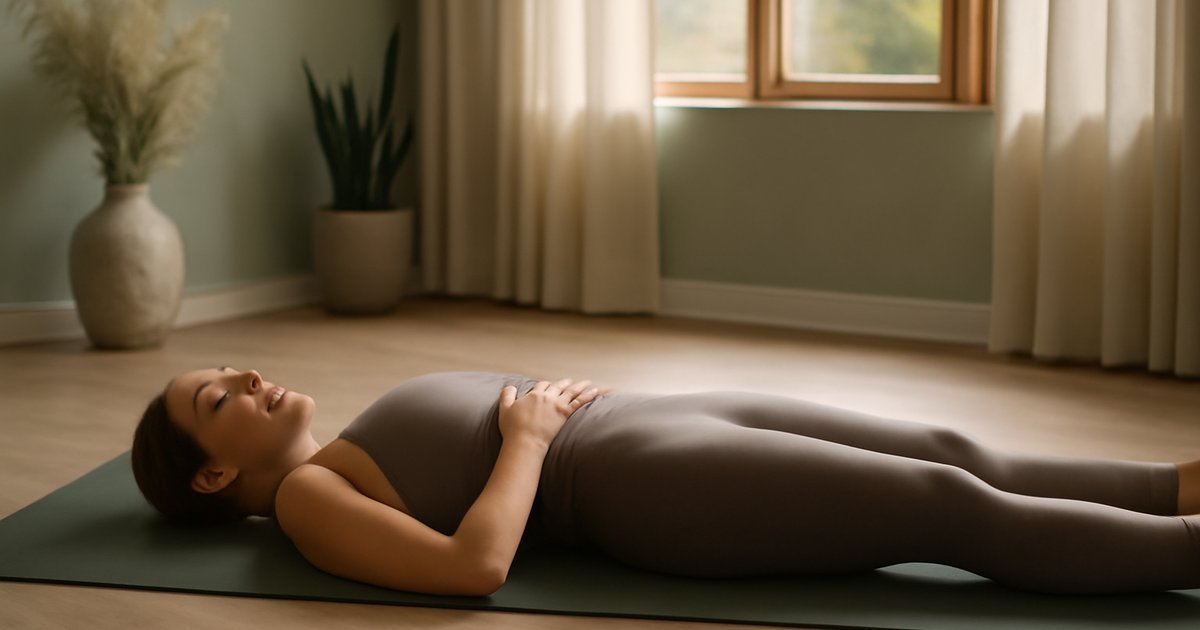
Inhale slowly and allow your belly and pelvic floor to expand and drop gently. Exhale and feel your pelvic floor lift. Practice this diaphragmatic breathing for 5 minutes daily. This is the foundation of everything else.
Step 3: Basic Pelvic Floor Contractions (Beginner to Intermediate)
Contract your pelvic floor for 5 seconds, then release for 10 seconds. Complete 10 repetitions, three times per day. The release phase is just as important as the contraction. Never hold your breath during these exercises.
Step 4: Functional Integration (Intermediate)
Begin practicing "the knack" — a pre-contraction just before any activity that increases abdominal pressure: sneezing, coughing, lifting, or jumping. This technique is taught in physical therapy and significantly reduces leakage episodes.
Step 5: Progressive Loading (Advanced)
Add pelvic floor awareness to resistance training. Exhale and engage your pelvic floor during the effort phase of a squat, deadlift, or bridge. This integrates pelvic floor work with broader strength training, which aligns well with overall movement health — something we also explore in our guide to mobility for lifelong health.
If you have pain with any of these exercises or notice symptoms worsening, stop and consult a pelvic floor physical therapist before continuing.
Common Mistakes That Sabotage Pelvic Floor Progress
Even well-intentioned women often unknowingly undermine their pelvic floor progress. Here are the most frequent errors — and how to correct them.
Mistake 1: Doing Kegels Wrong
The most common error is squeezing the wrong muscles — engaging the glutes, thighs, or abdomen instead of the pelvic floor itself. Many women also forget to fully release, which can actually worsen hypertonic dysfunction. Solution: slow down, focus on the internal sensation, and prioritize the relaxation phase as much as the contraction.
Mistake 2: Skipping the Evaluation Step
Jumping into pelvic floor exercises without understanding whether you have a weak or overly tight pelvic floor can backfire significantly. A woman with a hypertonic pelvic floor who does aggressive Kegel routines may experience increased pain or worsening symptoms. A single visit to a pelvic floor physical therapist — a licensed PT with specialized training — can provide a baseline assessment that shapes your entire approach.
Mistake 3: Ignoring Lifestyle Factors
Constipation, straining, heavy lifting with poor breath mechanics, excessive caffeine intake, and chronic stress all negatively impact pelvic floor function. Women often focus on exercises while overlooking these daily contributors. Reducing caffeine (a bladder irritant), staying well hydrated, and managing stress levels all support pelvic floor health in meaningful ways.
Mistake 4: Assuming Symptoms Are Normal and Permanent
Many women delay seeking help for years because they believe leakage after childbirth or pelvic pressure after 40 is simply unavoidable. Research consistently shows that most pelvic floor symptoms respond well to conservative treatment. Accepting them as permanent often means missing an accessible, effective solution.
What to Eat to Support Pelvic Floor Health
Nutrition plays a more direct role in pelvic floor function than most people realize — primarily through its impact on bowel health, inflammation, and connective tissue integrity.
Prioritize fiber: The Academy of Nutrition and Dietetics recommends 25 grams of fiber daily for adult women. Adequate fiber prevents constipation, which is one of the most underrecognized drivers of pelvic floor dysfunction. Straining during bowel movements puts repetitive downward pressure on the pelvic floor over time. Aim for whole grains, legumes, fruits, and vegetables daily.
Stay hydrated — strategically: Dehydration concentrates urine, which irritates the bladder lining and worsens urgency symptoms. Most women need approximately 2.7 liters of total water per day from all sources, according to the National Academies of Sciences. However, limiting fluids to manage leakage is a counterproductive strategy — it leads to more concentrated, irritating urine.
Reduce bladder irritants: Caffeine, alcohol, carbonated drinks, artificial sweeteners, and highly acidic foods (such as tomato products and citrus in excess) can irritate the bladder mucosa and worsen urgency and frequency. This doesn’t mean complete elimination — reduction and observation are smarter starting points.
Support collagen and connective tissue: Adequate vitamin C (found in bell peppers, kiwi, and strawberries) supports collagen synthesis, which is critical for the integrity of pelvic ligaments and fascia. Some research suggests that collagen supplementation may also support connective tissue health, though more specific pelvic floor studies are needed.
Manage inflammation: Chronic low-grade inflammation contributes to pelvic pain conditions. An anti-inflammatory dietary pattern — rich in omega-3 fatty acids from fatty fish, olive oil, leafy greens, and berries — supports overall tissue health and may help reduce pelvic pain symptoms.
How Long Until You See Results — and What to Track
Realistic timelines matter here, because unrealistic expectations lead to early abandonment. According to research reviewed by the American Urogynecologic Society, most women begin noticing meaningful improvements in leakage frequency and pelvic floor strength within 6 to 12 weeks of consistent, correctly performed pelvic floor training.
However, results vary significantly depending on the severity of dysfunction, whether the primary issue is weakness versus tension, overall fitness level, hormonal status, and consistency of practice.
Track these signals week by week:
- Number of leakage episodes per day or week
- Urgency levels on a scale of 1-10
- Pelvic heaviness or pressure sensations
- Comfort during sexual intercourse
- Ease and completeness of bowel emptying
- Lower back or hip pain levels
If you’re not seeing any improvement after 8-12 weeks of consistent effort, or if you experience increasing pain, pelvic pressure that worsens when standing, or significant changes in bladder or bowel function, consult a pelvic floor physical therapist or urogynecologist. These symptoms deserve professional evaluation, not more self-directed trial and error.
Frequently Asked Questions
Q: Do I need to see a physical therapist, or can I do this on my own?
Many women make meaningful progress with self-directed exercises — especially if symptoms are mild and they can identify their pelvic floor correctly. However, a certified pelvic floor physical therapist provides an internal assessment, personalized feedback, and a tailored program that is significantly more precise. If you have any pain, moderate to severe leakage, prolapse symptoms, or postpartum complications, professional guidance is strongly recommended.
Q: Can pelvic floor exercises help with painful sex?
Yes, but with an important caveat. Painful sex (dyspareunia) often results from a hypertonic — overly tight — pelvic floor. In that case, more squeezing exercises will likely make things worse. The appropriate intervention is pelvic floor down-training, relaxation techniques, and often manual therapy from a specialized PT. Always rule out other causes with a gynecologist first.
Q: Is pelvic floor dysfunction only a postpartum issue?
Absolutely not. While pregnancy and childbirth are major risk factors, pelvic floor dysfunction affects women at every life stage — including teens, young athletes, and postmenopausal women. High-impact sports, chronic constipation, hormonal changes, and even chronic stress can all contribute to dysfunction without any history of pregnancy.
Q: Are Kegel weights or devices worth using?
Some research supports biofeedback devices as a tool for improving pelvic floor muscle awareness, particularly for women who struggle to isolate the correct muscles. However, these tools work best under professional guidance. Kegel weights (vaginal cones) may benefit some women with weakness but are not appropriate for those with hypertonic dysfunction or prolapse. Consult a PT before adding devices to your routine.
Q: Does menopause permanently damage the pelvic floor?
No. While declining estrogen does affect pelvic tissue elasticity and strength, the pelvic floor remains responsive to training throughout life. Some women benefit from topical estrogen therapy (prescribed by a physician) to support tissue health alongside pelvic floor exercises. It’s never too late to start — research shows women in their 60s and 70s achieve significant improvements with structured pelvic floor training.
Small Steps, Lasting Results
Your pelvic floor has been quietly working for you your entire life — and it deserves the same intentional care you give to your cardiovascular fitness, nutrition, or sleep. The encouraging truth is that this is one area of health where consistent, low-barrier effort genuinely pays off.
You don’t need an hour a day or expensive equipment. You need awareness, the right technique, and a commitment to showing up for a few minutes daily. Start with your breath. Add a contraction-and-release sequence. Pay attention to the signals your body is giving you.
Whether you’re in your 30s, navigating postpartum recovery, approaching menopause, or simply building a stronger foundation for healthy aging — your pelvic floor health is worth prioritizing. Take one step today. It adds up more than you think.
This article is for informational and educational purposes only. The content is not intended to replace professional medical, nutritional, or fitness advice. Always consult a qualified healthcare provider, registered dietitian, or certified fitness professional before starting a new health program or making significant changes to your lifestyle.
Content reviewed by our wellness editorial team, with references to peer-reviewed research and guidelines from leading health organizations.
Leave a Reply